
What To Do If Your Water Pump Is Short Cycling

Quick Summary: Water pump short cycling means your pump is turning on and off too frequently. To fix this, first check your pressure tank’s air charge – it likely needs to be recharged to the correct PSI. Then, inspect the pressure switch and plumbing for leaks or blockages. Adjusting the pressure switch settings or replacing faulty components can often resolve short cycling and extend your pump’s life.
Is your water pump driving you crazy by turning on and off every few seconds? You’re not alone! This problem, called “short cycling,” is super common. It wastes energy, puts extra wear and tear on your pump, and can be a real headache. But don’t worry, you can usually fix it yourself with a few simple steps. We’ll walk you through checking your pressure tank, inspecting for leaks, and adjusting your pressure switch. Let’s get your water pump running smoothly again!
Understanding Water Pump Short Cycling

Before diving into the fixes, let’s understand what causes short cycling. A water pump is designed to maintain water pressure in your home by filling a pressure tank. When you use water, the pressure drops, and the pump kicks on to refill the tank. Short cycling happens when the pump turns on and off too rapidly, often within seconds or minutes.
Here’s why it’s bad:
- Wasted Energy: Frequent starts consume more power.
- Pump Damage: Constant on/off cycles wear out the pump motor and components quickly.
- Water Pressure Fluctuations: You might experience inconsistent water flow.
Common Causes of Short Cycling

Several things can cause your water pump to short cycle. Here are the most common culprits:
- Low Air Charge in the Pressure Tank: This is the most frequent cause. The tank needs the correct air pressure to function properly.
- Waterlogged Pressure Tank: The tank has lost its air cushion and is full of water.
- Faulty Pressure Switch: The switch might be malfunctioning and sending incorrect signals to the pump.
- Leaks in the Plumbing: Leaks cause the pressure to drop quickly, triggering the pump to turn on frequently.
- Clogged or Restricted Pipes: Blockages can restrict water flow and affect pressure.
Step-by-Step Guide to Fixing Water Pump Short Cycling

Now, let’s get to the solutions. Follow these steps to diagnose and fix your water pump’s short cycling problem.
Step 1: Check the Pressure Tank’s Air Charge
The pressure tank is crucial for maintaining consistent water pressure. It has an air bladder that compresses as water fills the tank, providing the necessary pressure. If the air charge is low, the pump will short cycle.
- Turn off the Pump: Locate the circuit breaker for the water pump and turn it off.
- Drain the Tank: Open a faucet in the house and let the water run until the tank is completely empty. This is important for an accurate reading.
- Check the Air Charge: Find the Schrader valve (like on a car tire) on top of the tank. Use a tire pressure gauge to check the air pressure.
- Compare to Cut-In Pressure: The air pressure should be 2 PSI below the pump’s cut-in pressure (the pressure at which the pump turns on). For example, if your pump’s cut-in pressure is 40 PSI, the air charge should be 38 PSI. This information is usually printed on the pump or tank.
- Adjust the Air Charge:
- If Low: Use a bicycle pump or air compressor to add air until you reach the correct pressure.
- If High: Depress the Schrader valve core to release air.
- Recharge the System: After setting the correct air charge, turn the pump back on and let the tank fill with water.
Here’s a table summarizing the recommended air charge based on common cut-in pressures:
| Cut-In Pressure (PSI) | Recommended Air Charge (PSI) |
|---|---|
| 30 | 28 |
| 40 | 38 |
| 50 | 48 |
Step 2: Inspect the Pressure Tank for Waterlogging
If the air bladder inside the pressure tank has failed, the tank can become waterlogged, meaning it’s full of water and has no air cushion. This will cause short cycling.
- Tap the Tank: With the tank full of water, tap on the sides from top to bottom.
- Listen for Differences: A waterlogged tank will sound full all the way to the top. A properly functioning tank will sound hollow at the top where the air bladder is located.
- Check for Condensation: Excessive condensation on the tank’s exterior can also indicate waterlogging.
If the tank is waterlogged, it likely needs to be replaced. While some tanks have replaceable bladders, it’s often more cost-effective to replace the entire tank.
Step 3: Check the Pressure Switch
The pressure switch senses the water pressure and tells the pump when to turn on and off. A faulty switch can cause short cycling.
- Locate the Pressure Switch: It’s usually mounted on a pipe near the pressure tank.
- Inspect the Wiring: Check for loose or corroded wires. Tighten any loose connections and clean off any corrosion.
- Check the Contacts: Carefully remove the cover of the pressure switch (turn off the power first!). Inspect the contacts for dirt or damage. Clean the contacts with a wire brush or sandpaper if necessary.
- Adjust the Range and Differential:
- The range setting adjusts the overall pressure at which the pump operates.
- The differential setting adjusts the pressure difference between the cut-in and cut-out pressures.
Adjusting these settings can sometimes resolve short cycling. Refer to the pressure switch’s instructions for the correct adjustment procedure. A typical pressure switch has two springs: a large one that adjusts the overall pressure range and a smaller one that adjusts the differential. Turning the nuts on these springs clockwise increases the pressure, while turning them counterclockwise decreases it. Make small adjustments and observe the pump’s behavior.
Important Note: If you’re not comfortable working with electrical components, consult a qualified electrician.
Step 4: Inspect for Leaks
Leaks in the plumbing system can cause a rapid drop in pressure, leading to short cycling. Even small leaks can cause problems.
- Check Faucets and Toilets: Look for dripping faucets or running toilets. These are common sources of leaks.
- Inspect Pipes and Fittings: Examine all visible pipes and fittings for signs of leaks, such as water stains or drips. Pay close attention to joints and connections.
- Check the Well Casing: If you have a well, inspect the well casing for cracks or leaks.
- Listen for Running Water: If you hear water running when no fixtures are in use, it could indicate a hidden leak.
Repair any leaks you find promptly. Replace worn-out washers, tighten loose fittings, or repair damaged pipes.
Step 5: Check for Clogged or Restricted Pipes
Blockages in the pipes can restrict water flow and affect pressure, leading to short cycling.
- Check the Well Screen: If you have a well, the well screen can become clogged with sediment. You may need to have the well professionally cleaned.
- Inspect Filters: Check any water filters in your system for clogs. Replace or clean the filters as needed.
- Flush the Pipes: Flush the pipes by opening all the faucets in the house for a few minutes to remove any sediment or debris.
Step 6: Consider a Cycle Stop Valve
A cycle stop valve is a device that regulates the flow of water from the pump to the house. It helps maintain a constant pressure and can prevent short cycling, especially in systems with long pipe runs or high water demand.
Cycle stop valves are installed in the main water line after the pressure tank. They work by restricting the flow of water when the pressure reaches a certain point. This allows the pump to run continuously at a lower flow rate, which reduces stress on the pump and prevents short cycling.
Installing a cycle stop valve is a more advanced solution and may require professional help.
Troubleshooting Chart
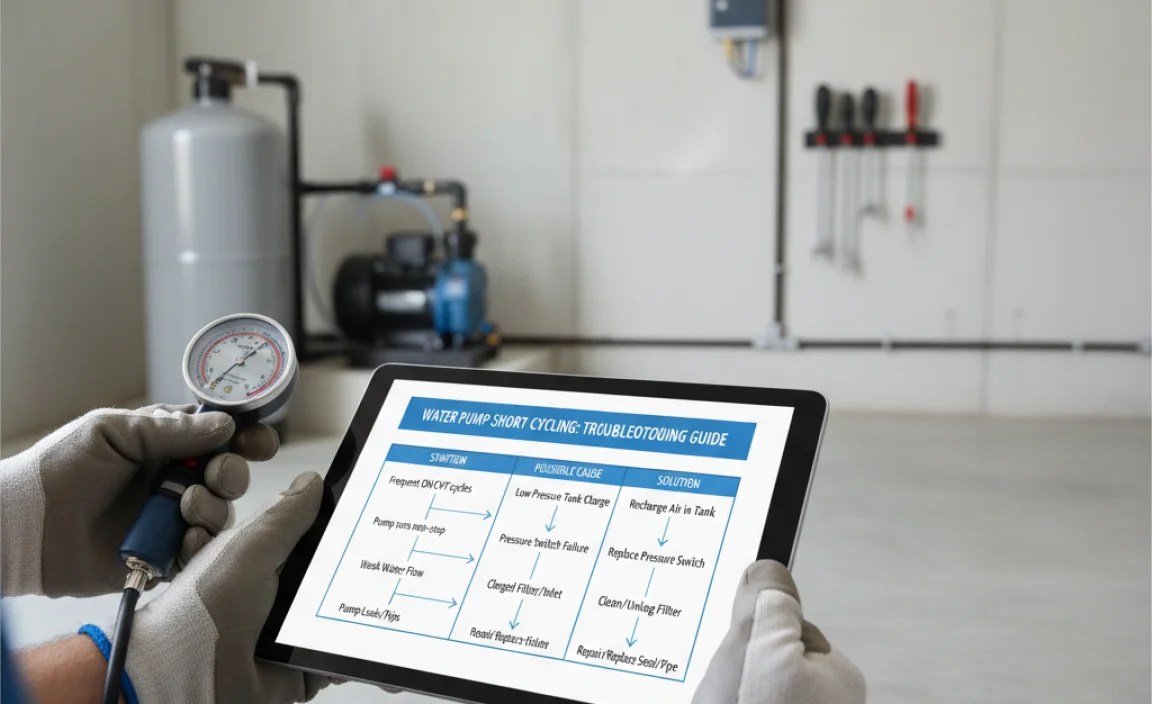
Here’s a quick troubleshooting chart to help you diagnose the cause of short cycling:
| Symptom | Possible Cause | Solution |
|---|---|---|
| Pump cycles on and off very rapidly (every few seconds) | Low air charge in pressure tank | Check and adjust air charge |
| Pressure tank sounds full of water | Waterlogged pressure tank | Replace pressure tank |
| Pump doesn’t turn on or off at the correct pressure | Faulty pressure switch | Inspect and adjust or replace pressure switch |
| Water pressure drops quickly when using water | Leaks in plumbing | Inspect and repair leaks |
| Water flow is restricted | Clogged pipes or filters | Check and clean or replace filters; flush pipes |
Tools You’ll Need
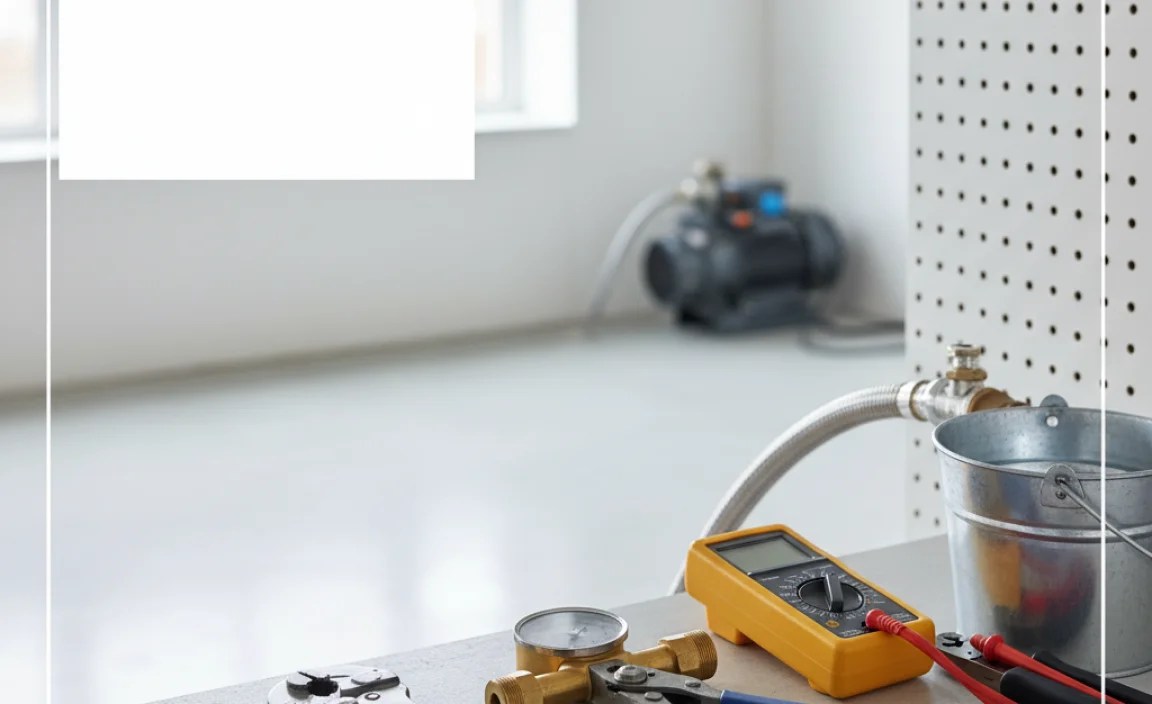
To fix water pump short cycling, you’ll likely need the following tools:
- Tire Pressure Gauge: To check the air charge in the pressure tank.
- Bicycle Pump or Air Compressor: To add air to the pressure tank.
- Wrenches: To tighten fittings and adjust the pressure switch.
- Screwdrivers: To remove the pressure switch cover and tighten electrical connections.
- Wire Brush or Sandpaper: To clean corroded electrical contacts.
- Multimeter (Optional): To test the pressure switch for continuity.
When to Call a Professional
While many short cycling problems can be fixed DIY, some situations require a professional plumber or well technician:
- You’re not comfortable working with electricity.
- You can’t find the source of the leak.
- The well is contaminated.
- The pump is old or damaged.
Preventing Short Cycling
Here are some tips to prevent short cycling in the future:
- Regularly check the pressure tank’s air charge (every 6 months).
- Inspect your plumbing for leaks periodically.
- Replace water filters regularly.
- Consider installing a larger pressure tank if you have high water demand.
FAQ About Water Pump Short Cycling
Here are some frequently asked questions about water pump short cycling:
Why is my water pump turning on and off so frequently?
Your water pump is likely short cycling due to a low air charge in the pressure tank, a waterlogged tank, a faulty pressure switch, leaks in the plumbing, or clogged pipes.
How do I check the air pressure in my pressure tank?
Turn off the pump, drain the tank, and use a tire pressure gauge to check the air pressure at the Schrader valve. The pressure should be 2 PSI below the pump’s cut-in pressure.
What is a waterlogged pressure tank?
A waterlogged pressure tank is one that has lost its air cushion and is full of water. This is usually caused by a failed air bladder.
Can a leaky toilet cause short cycling?
Yes, a leaky toilet can cause a gradual drop in water pressure, which can trigger the pump to turn on frequently and lead to short cycling.
How do I adjust the pressure switch on my water pump?
Carefully remove the cover of the pressure switch (after turning off the power!). Adjust the range and differential settings by turning the nuts on the springs. Refer to the pressure switch’s instructions for the correct procedure.
Is it safe to drink water from a well that is short cycling?
While short cycling itself doesn’t necessarily make the water unsafe, it can be a sign of other problems, such as a contaminated well or a failing pump. It’s always a good idea to have your well water tested regularly, especially if you’re experiencing problems.
How long should a water pump last?
A properly maintained water pump can last for 10-15 years or even longer. However, short cycling can significantly shorten the pump’s lifespan.
Conclusion
Fixing a short cycling water pump might seem daunting at first, but with these steps, you can troubleshoot and solve the problem yourself. Remember to start with the simplest solutions, like checking the air charge in the pressure tank and inspecting for leaks. Don’t be afraid to call a professional if you’re unsure or uncomfortable with any of the steps. By taking care of your water pump, you’ll ensure a steady water supply and save money on energy and repairs. Now go get that pump purring like new!
“`


