How to Fix Jammed Piston on Shock Pump: Easy Guide

Have you ever pumped up your bike’s shocks and felt it stick? It can be super annoying. Shock pumps help keep our bikes riding smooth. But sometimes, the piston inside gets stuck. Learning how to fix jammed piston on shock pump can save the day. It helps you get back to riding faster.
Why does this happen? Dirt and old grease can cause problems. Don’t worry, it’s often an easy fix. Let’s learn how to get your pump working again!
Key Takeaways
- Regular cleaning of your shock pump prevents piston jams and ensures smooth operation.
- Knowing how to fix jammed piston on shock pump saves time and money on repairs.
- Use appropriate lubricants to keep the piston moving freely inside the pump.
- Always release pressure slowly to avoid damaging the pump’s internal components.
- A well-maintained shock pump keeps your bike’s suspension working its best.
How to Identify a Jammed Piston
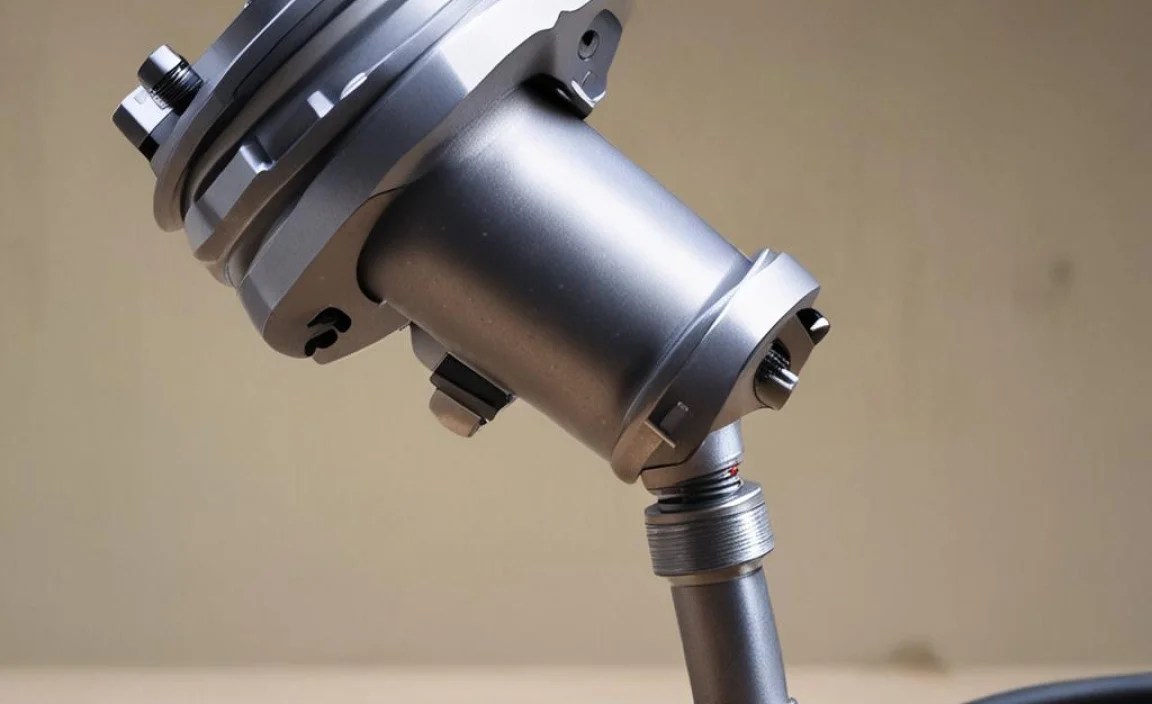

Is your shock pump hard to push or pull? Does it feel stuck? These are signs of a jammed piston. The piston is what pushes air into your bike’s shocks. When it’s jammed, the pump won’t work right. You might hear strange noises too. Check for resistance when you use the pump. If it’s harder than usual, the piston might be stuck. Look at the pump closely. Are there any signs of dirt or damage? These clues can help you figure out the problem. Fixing it early can stop bigger problems later.
- Check for unusual resistance when pumping.
- Listen for strange noises like grinding or squeaking.
- Inspect the pump for visible dirt or damage.
- See if the handle moves smoothly or gets stuck.
- Try to remember when you last cleaned the pump.
Knowing what to look for is key to fixing a jammed piston. Once you spot the signs, you can start to fix it. This often involves cleaning and oiling the pump. Don’t wait too long to address the issue. A stuck piston can damage other parts of the pump. Regular checks will keep your pump in good shape. Then you can focus on enjoying your bike rides!
Fun Fact or Stat: A shock pump piston moves back and forth about 100 times to fill a bike shock!
Why Does the Piston Get Stuck?
Have you ever wondered why the piston gets stuck? It’s usually because of dirt. Tiny bits of sand and dust get inside the pump. These particles act like sandpaper. They scratch the piston and the pump’s walls. This makes it hard for the piston to move smoothly. Old grease can also cause problems. Over time, grease gets thick and sticky. This sticky grease can jam the piston too. Regular cleaning and fresh grease can help prevent this. Always store your pump in a clean, dry place to keep dirt out.
What Tools Do You Need?
To fix a jammed piston, you’ll need a few simple tools. First, get some clean cloths. These will help you wipe away dirt and old grease. You’ll also need a small brush. A toothbrush works great for cleaning small parts. Find some light oil or silicone grease. This will help the piston move smoothly. A set of small wrenches or pliers might be useful too. They can help you take the pump apart. Always be gentle when using tools. You don’t want to damage the pump.
Safety First: Releasing Air Pressure
Before you start taking your pump apart, make sure to release all the air pressure. This is very important for safety. Never open a pump that is still pressurized. The air can shoot out and cause injury. Most pumps have a release valve. Use this valve to slowly let the air out. If your pump doesn’t have a release valve, be extra careful. Slowly unscrew the hose from the shock. Listen for the air hissing out. Once all the air is gone, you can safely work on the pump.
Step-by-Step Guide to Disassembly

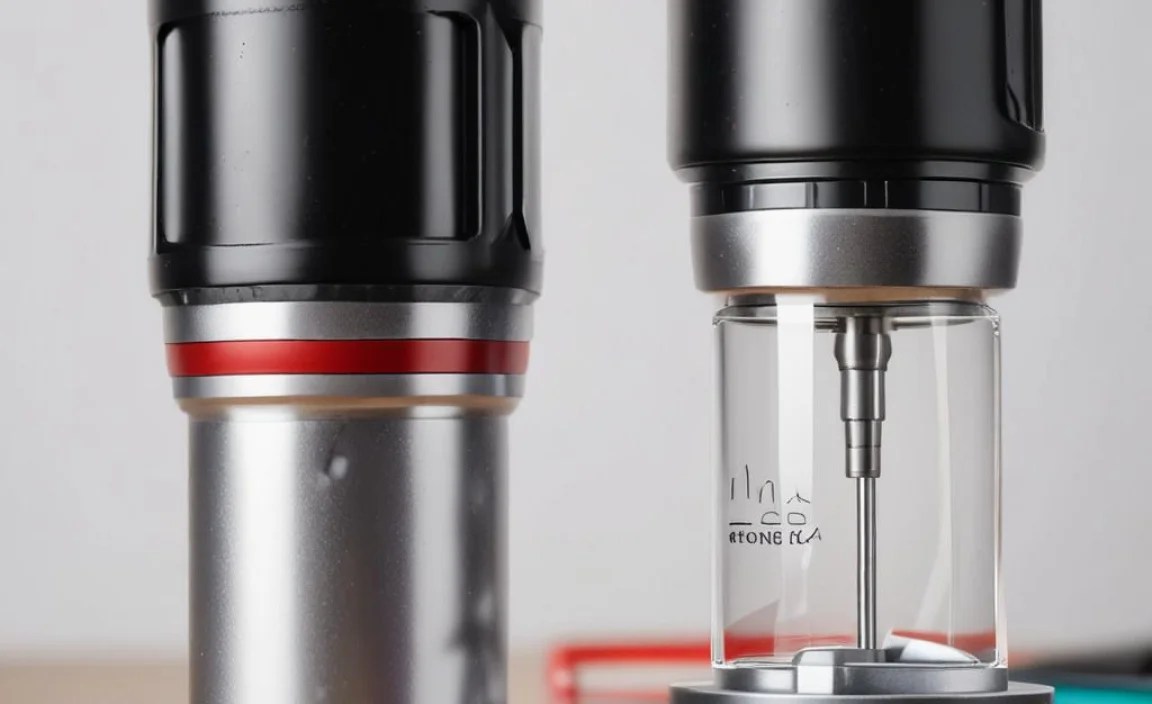
Now, let’s take the pump apart. First, find the screws or bolts holding the pump together. Use the right size screwdriver or wrench to loosen them. Be careful not to strip the screws. Once the screws are out, gently pull the pump apart. You might need to wiggle it a little. Look at the parts as you take them out. Notice how they fit together. This will help you put it back together later. Keep all the small parts in a safe place. You don’t want to lose them! Lay the parts out on a clean cloth. This will keep them from getting dirty again.
- Locate and remove all screws or bolts.
- Gently separate the pump’s housing.
- Note the order of parts for reassembly.
- Keep small parts in a safe container.
- Lay out all components on a clean surface.
- Take pictures as you go.
Taking a pump apart can seem tricky, but it’s not too hard. The key is to be gentle and organized. If you’re not sure about something, take a picture before you move on. This can help you remember how things go back together. Remember, the goal is to clean and lubricate the piston. Once you have the pump apart, you’re ready to clean the piston. Then you’ll know how to fix jammed piston on shock pump.
Fun Fact or Stat: Some high-end shock pumps have over 20 individual parts!
Removing the Piston Assembly
After you’ve disassembled the pump, the next step is to remove the piston assembly. This is the part that moves back and forth to pump air. Look for a rod or shaft connected to the piston. Gently pull or unscrew it to remove the assembly. Be careful not to bend or damage any parts. If the piston is stuck, don’t force it. Try wiggling it gently or using a small amount of lubricant to loosen it. Once the piston assembly is out, inspect it for any signs of damage or wear.
Inspecting for Damage or Wear
Once you have the piston assembly out, take a close look at it. Check for scratches, cracks, or dents. These can cause the piston to jam. Look at the O-rings too. These are small rubber rings that seal the piston. If they’re worn or cracked, they need to be replaced. Check the inside of the pump’s cylinder. Is it smooth, or are there scratches? If there’s damage, the pump might not work well. Replacing damaged parts is important for fixing the pump.
Cleaning the Individual Components
Cleaning is a very important part of fixing a jammed piston. Use a clean cloth to wipe off all the parts. Get rid of any dirt, dust, or old grease. A small brush can help you clean hard-to-reach spots. Use a mild cleaner if needed. Make sure to rinse the parts well with water. Then, dry them completely before putting the pump back together. Clean parts will help the piston move smoothly. This will make your pump work like new again.
Cleaning and Lubricating the Piston
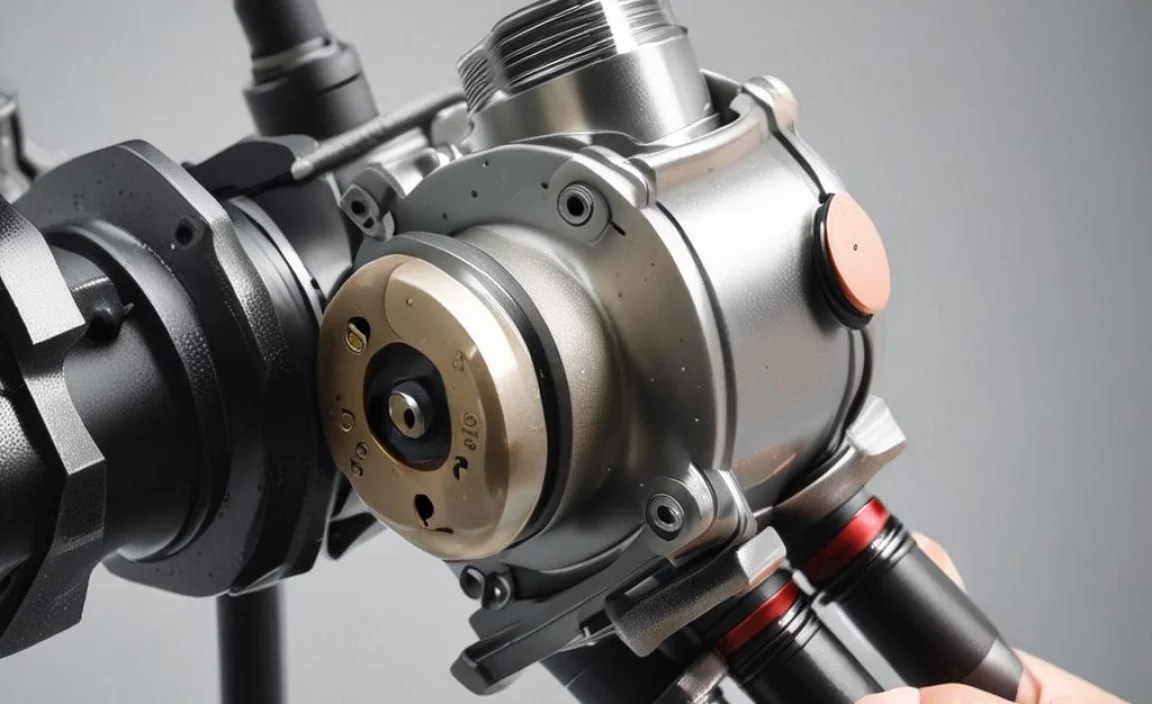
Now, let’s focus on cleaning and lubricating the piston. This is a key step in how to fix jammed piston on shock pump. Use a clean cloth to wipe the piston. Remove any dirt or old grease. A small brush can help clean the grooves. Next, apply a small amount of light oil or silicone grease. Make sure to use a lubricant that is safe for rubber parts. Spread the lubricant evenly over the piston. This will help it slide smoothly inside the pump. Don’t use too much lubricant. A thin coat is all you need.
- Wipe the piston with a clean cloth.
- Use a brush to clean hard-to-reach areas.
- Apply a thin coat of light oil or silicone grease.
- Ensure the lubricant is safe for rubber parts.
- Spread the lubricant evenly over the piston’s surface.
- Remove any excess lubricant.
- Check O-rings for damage before lubricating.
Cleaning and lubricating the piston is essential for smooth pump action. A clean, well-lubricated piston moves freely. This makes pumping easier and more efficient. It also helps to prevent future jams. By taking the time to clean and lubricate the piston, you’re extending the life of your shock pump. This saves you money in the long run. Plus, it ensures your bike’s suspension works its best.
Fun Fact or Stat: Some lubricants can increase piston smoothness by up to 50%!
Choosing the Right Lubricant
Picking the right lubricant is very important. Not all lubricants are the same. Some can damage the rubber O-rings in your pump. Look for lubricants that are made for rubber and plastic. Silicone grease is a good choice. It’s safe for rubber and provides excellent lubrication. Light mineral oil is another option. Avoid using heavy oils or petroleum-based lubricants. These can cause the rubber to swell and crack. Always check the lubricant’s label before using it.
Applying Lubricant Correctly
Putting the lubricant on correctly is as important as choosing the right kind. You don’t need a lot of lubricant. Just a thin coat will do. Use your finger or a small brush to spread it evenly over the piston. Make sure to get into all the grooves and crevices. Wipe off any extra lubricant with a clean cloth. Too much lubricant can attract dirt and cause problems. A thin, even coat is the key to smooth operation.
Checking O-rings and Seals
While you’re cleaning and lubricating, take a close look at the O-rings and seals. These small rubber parts are very important. They keep air from leaking out of the pump. If they’re cracked, worn, or damaged, they won’t seal properly. You’ll need to replace them. You can find replacement O-rings at most bike shops. Make sure to get the right size for your pump. A new set of O-rings can make a big difference in how well your pump works.
Reassembling the Shock Pump
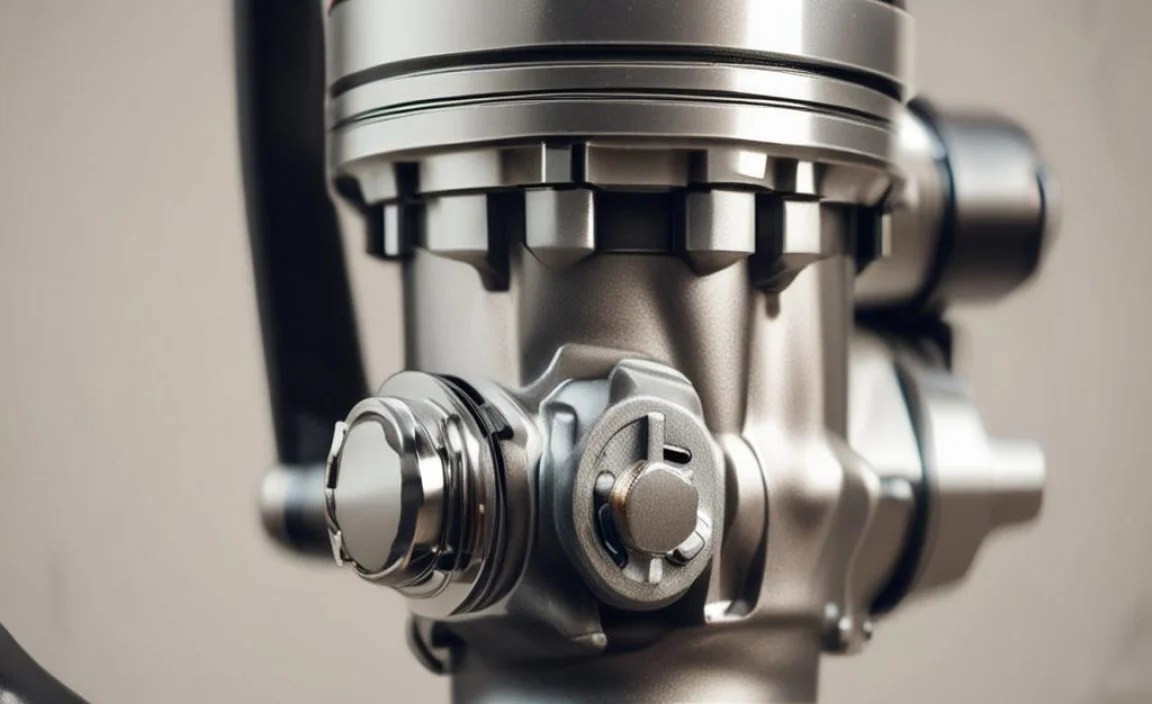
Now it’s time to put the pump back together. This can be easy if you paid attention when you took it apart. Start by putting the piston assembly back into the cylinder. Make sure it slides in smoothly. If it doesn’t, check for any dirt or obstructions. Next, reattach any screws or bolts you removed earlier. Tighten them gently. Don’t overtighten them, or you could damage the pump. Double-check that all the parts are in the right place. A properly reassembled pump will work like new.
| Step | Action | Tip |
|---|---|---|
| 1 | Insert piston assembly | Apply a small amount of grease. |
| 2 | Align pump housing | Ensure proper alignment before securing. |
| 3 | Tighten screws | Don’t overtighten the screws. |
| 4 | Test pump | Check for smooth operation. |
- Reinsert the piston assembly carefully.
- Align the pump housing components.
- Tighten all screws and bolts gently.
- Ensure all parts are correctly positioned.
- Test the pump for smooth operation.
- Refer to photos taken during disassembly.
Putting the pump back together is the final step in how to fix jammed piston on shock pump. Take your time and be careful. If something doesn’t seem right, stop and check your work. It’s better to fix a small mistake now than to have the pump fail later. Once the pump is reassembled, test it to make sure it works. A smooth, efficient pump will make your bike rides much more enjoyable.
Fun Fact or Stat: A correctly reassembled shock pump can last for over 5 years!
Ensuring Proper Alignment
When you’re putting the pump back together, making sure everything lines up correctly is very important. If the parts aren’t aligned, the pump won’t work smoothly. Check that the piston is centered in the cylinder. Make sure the screws line up with the holes. Don’t force anything. If something doesn’t fit easily, check to see if you have the parts in the right order. Proper alignment will help the pump work its best.
Tightening Screws and Bolts
Tightening the screws and bolts is another important step. You want to make sure they’re tight enough to hold the pump together, but not so tight that you damage the parts. Use the right size screwdriver or wrench. Turn the screws until they’re snug. Don’t overtighten them. If you feel resistance, stop turning. Overtightening can strip the threads or crack the plastic. A gentle touch is all you need.
Testing the Pump After Reassembly
After you’ve put the pump back together, it’s time to test it. Connect the pump to your bike’s shock. Slowly pump the handle. Do you feel air going into the shock? Does the pump move smoothly? If everything feels right, you’ve done a good job. If the pump is still hard to use or doesn’t pump air, you might need to take it apart again and check for problems. Testing the pump ensures it’s working properly.
Preventative Maintenance Tips
Keeping your shock pump in good shape is easy with regular care. This helps avoid a jammed piston. Clean the pump regularly. Wipe it down with a clean cloth after each use. Store it in a clean, dry place. This keeps dirt and dust out. Lubricate the piston every few months. This keeps it moving smoothly. Check the O-rings often. Replace them if they’re worn. These simple steps will keep your pump working well for years.
- Clean the pump after each use.
- Store the pump in a clean, dry place.
- Lubricate the piston every few months.
- Check O-rings for wear regularly.
- Avoid using the pump in dirty environments.
- Release pressure slowly after use.
Preventative maintenance is the best way to avoid problems. A little care goes a long way. By cleaning, lubricating, and storing your pump properly, you can prevent the piston from getting stuck. This saves you time and frustration. It also extends the life of your pump. So, take a few minutes to care for your pump. It’s a small investment that pays off in the long run. You’ll always have a reliable pump for your bike.
Fun Fact or Stat: Regular maintenance can extend a shock pump’s lifespan by up to 3 years!
Regular Cleaning Schedules
How often should you clean your shock pump? It depends on how often you use it. If you ride a lot, clean it more often. A good rule is to clean it every month or two. If you don’t ride as much, clean it every few months. Always clean it after riding in dirty or dusty conditions. A regular cleaning schedule will keep your pump working well. Set a reminder on your phone to help you remember.
Proper Storage Techniques
Storing your shock pump the right way can make a big difference. Keep it in a clean, dry place. A toolbox or storage bag is a good option. Avoid leaving it in direct sunlight or extreme temperatures. These can damage the pump’s parts. Make sure the pump is protected from dirt and moisture. Proper storage will keep your pump in good condition for longer.
Checking for Wear and Tear
Regularly check your shock pump for wear and tear. Look for cracks, scratches, or worn O-rings. Pay attention to how the pump feels when you use it. If it’s harder to pump than usual, there might be a problem. Addressing small problems early can prevent bigger issues later. A quick check every few weeks can save you time and money.
When to Seek Professional Help
Sometimes, fixing a jammed piston can be tricky. If you’ve tried cleaning and lubricating the pump, and it’s still not working, it might be time to get help. If you see any serious damage, like cracks or broken parts, take the pump to a bike shop. A professional mechanic can diagnose the problem. They can also replace damaged parts. Trying to fix a pump with serious damage could make things worse. Knowing when to ask for help can save you time and money.
- If cleaning and lubrication don’t fix the issue.
- If you notice cracks or broken parts.
- If you are uncomfortable disassembling the pump.
- If the pump is still under warranty.
- If you lack the necessary tools.
Knowing when to seek professional help is important. Not all pump problems can be fixed at home. Sometimes, a pump needs special tools or expertise. A professional mechanic can quickly diagnose the problem and offer the best solution. Don’t be afraid to ask for help. It’s better to get the pump fixed right than to risk damaging it further. Plus, a professional can ensure your pump is working safely and effectively.
Fun Fact or Stat: Bike shops fix an average of 10 shock pumps per month!
Recognizing Irreparable Damage
How do you know if your shock pump is beyond repair? Look for major cracks in the housing. Check for stripped threads on the screws. See if the piston is severely damaged. If any of these things are true, the pump might not be worth fixing. It’s often better to buy a new pump than to try to repair a damaged one. A new pump will be more reliable and efficient.
Finding a Qualified Bike Mechanic
If you decide to take your pump to a bike shop, find a qualified mechanic. Look for a shop with good reviews. Ask if they have experience repairing shock pumps. A good mechanic will be able to diagnose the problem quickly. They’ll also be able to offer the best solution. Don’t be afraid to ask questions. A qualified mechanic will be happy to explain the problem and the repair process.
Understanding Warranty Options
Before you take your pump to a bike shop, check if it’s still under warranty. Many pumps come with a warranty that covers defects in materials or workmanship. If your pump is still under warranty, the manufacturer might repair or replace it for free. Check the warranty paperwork that came with the pump. Contact the manufacturer or the bike shop where you bought the pump to find out how to make a warranty claim.
Summary
A jammed piston in your shock pump can be frustrating. Luckily, it’s often an easy fix. The first step is to identify the problem. Is the pump hard to use? Does it make strange noises? Once you know the piston is stuck, you can take the pump apart. Clean all the parts carefully. Pay special attention to the piston and O-rings. Lubricate the piston with a light oil or silicone grease. Then, put the pump back together.
Regular maintenance can prevent future jams. Clean your pump after each use. Store it in a clean, dry place. Lubricate the piston every few months. If you can’t fix the pump yourself, don’t worry. A professional bike mechanic can help. Knowing how to fix jammed piston on shock pump and when to seek help will keep your bike’s suspension working smoothly.
Conclusion
Knowing how to fix jammed piston on shock pump can save you time and money. Regular cleaning and lubrication are key. Always release air pressure before working on the pump. If you’re not comfortable doing it yourself, get help from a pro. A well-maintained shock pump will keep your bike riding smoothly. Then you can focus on enjoying your ride!
Frequently Asked Questions
Question No 1: Why is my shock pump so hard to push?
Answer: If your shock pump is hard to push, the piston might be jammed. This is often caused by dirt or old grease inside the pump. The dirt and grease make it hard for the piston to slide smoothly. Try cleaning and lubricating the pump. This will often fix the problem. If the pump is still hard to push, there might be a more serious issue. Take it to a bike shop for help. They can diagnose the problem and offer a solution.
Question No 2: What kind of lubricant should I use on my shock pump?
Answer: It’s important to use the right kind of lubricant on your shock pump. Some lubricants can damage the rubber O-rings inside the pump. Silicone grease is a good choice. It’s safe for rubber and provides excellent lubrication. Light mineral oil is another option. Avoid using heavy oils or petroleum-based lubricants. These can cause the rubber to swell and crack. Always check the lubricant’s label before using it. A small amount of lubricant is all you need.
Question No 3: How often should I clean my shock pump?
Answer: How often you clean your shock pump depends on how often you use it. If you ride a lot, clean it more often. A good rule is to clean it every month or two. If you don’t ride as much, clean it every few months. Always clean it after riding in dirty or dusty conditions. A regular cleaning schedule will help prevent the piston from getting jammed. This will keep your pump working well for years. Set a reminder on your phone to help you remember.
Question No 4: Can I use WD-40 to lubricate my shock pump?
Answer: No, you should not use WD-40 to lubricate your shock pump. WD-40 is a solvent, not a lubricant. It can dry out the rubber O-rings and seals in your pump. This can cause them to crack and leak. Use a lubricant that is specifically designed for rubber and plastic parts. Silicone grease or light mineral oil are good choices. These will keep your pump working smoothly without damaging the rubber parts. Knowing how to fix jammed piston on shock pump starts with using the right products.
Question No 5: What should I do if my shock pump is still not working after cleaning and lubricating it?
Answer: If your shock pump is still not working after cleaning and lubricating it, there might be a more serious problem. Check for any signs of damage, like cracks or broken parts. Make sure all the parts are properly aligned. If you’re not comfortable disassembling the pump further, take it to a bike shop. A professional mechanic can diagnose the problem and offer a solution. They can also replace damaged parts. Sometimes, the pump might be beyond repair. In that case, you’ll need to buy a new one.
Question No 6: How can I prevent my shock pump from getting a jammed piston in the first place?
Answer: Preventing a jammed piston is easier than fixing one. The best way to prevent problems is to clean and maintain your pump regularly. Wipe it down with a clean cloth after each use. Store it in a clean, dry place. Lubricate the piston every few months. Check the O-rings often and replace them if they’re worn. Avoid using the pump in dirty environments. Release pressure slowly after use. These simple steps will keep your pump working well for years.