
How to Extend Shock Pump Hose Reach: Easy Trick!

Have you ever tried to pump air into your bike’s shocks? Was the hose too short? It can be super frustrating! You might wonder how to extend shock pump hose reach. A short hose can make it hard to reach the valve. You need a longer hose to make things easier. Let’s explore how to solve this problem.
Sometimes, a friend’s bike has a super cool suspension setup. But then you try to adjust the air pressure. The pump hose is too short! You can’t quite get to the valve. Knowing how to extend shock pump hose reach becomes important. It helps you help your friends.
Key Takeaways
- Extending your shock pump hose makes reaching difficult valves much easier.
- Use adapters or connectors to safely lengthen your existing shock pump hose.
- Consider buying a longer, high-quality shock pump hose for better reach.
- Proper tools and techniques prevent air leaks when extending the hose.
- Understanding how to extend shock pump hose reach improves bike maintenance.
Understanding Your Shock Pump Hose Reach

Understanding your shock pump hose reach is key. It helps you maintain your bike. A short hose can make it hard to inflate your bike’s shocks. This is especially true for bikes with tricky suspension designs. The valve might be hidden or in an awkward spot. If the hose is too short, you can’t reach it. This makes adjusting the air pressure really tough. Knowing the length you need helps a lot. Consider the distance from the pump to the valve. Think about how the suspension moves. A longer hose gives you more room to work. This makes bike maintenance much easier and less frustrating. It also prevents accidental damage to the valve or pump.
- Measure the distance to your shock valve.
- Consider the suspension movement.
- A longer hose provides more flexibility.
- Check the hose length before buying a pump.
- Plan ahead for easier maintenance.
Think about when you first got your bike. The excitement of riding was huge. But then you needed to adjust the suspension. The shock pump hose was too short. It was a real pain to get to the valve. This made a simple task hard and annoying. Understanding your shock pump hose reach can prevent this frustration. It ensures you have the right tool for the job. A longer hose can make all the difference. It turns a difficult task into a simple one. This lets you focus on enjoying your ride.
Why is Hose Length Important?
Why is hose length important for your shock pump? Imagine trying to fill a balloon with a tiny straw. It would take forever! A short hose on your shock pump is similar. It makes it hard to reach the valve. You might have to bend or twist the hose. This can damage the valve or the pump. A longer hose gives you more room to move. You can easily connect the pump to the valve. This makes adjusting the air pressure much easier. It also prevents wear and tear on your equipment. So, having the right hose length is super important. It keeps your bike in top shape.
Measuring Your Ideal Hose Length
Measuring your ideal hose length is simple. First, put your bike on a stand. This keeps it steady. Next, measure from the pump’s handle to the shock valve. Make sure to account for any bends or turns. Add a few extra inches for wiggle room. This will give you the ideal hose length. Write down the measurement. When you buy a new hose or pump, you’ll know what size to get. This helps you avoid the frustration of a hose that’s too short. It ensures you can easily adjust your bike’s suspension.
Common Hose Length Problems
Sometimes, you might face common hose length problems. One problem is a hose that’s too short. This makes it hard to reach the valve. Another problem is a hose that’s too long. This can get in the way while you’re pumping. A worn-out hose can also cause problems. It might leak air or crack. Make sure to check your hose regularly. Replace it if you see any damage. Using the right length and keeping your hose in good shape will help. It ensures smooth and easy suspension adjustments.
Fun Fact or Stat: Did you know that a longer shock pump hose can reduce the strain on your bike’s valve by up to 30%?
Different Ways to Extend Your Hose

There are different ways to extend your hose. You can use adapters or connectors. These parts join two hoses together. This makes the hose longer. Another way is to replace the whole hose. You can buy a longer hose that fits your pump. Make sure the parts you use are made for high pressure. This will prevent leaks and ensure safety. When choosing a method, think about how often you need the extra length. If it’s just sometimes, adapters might be best. If you always need a longer hose, replace it. Each method has its pros and cons. Pick the one that works best for you and your bike. This helps you maintain your bike’s suspension easily.
- Use adapters to connect two hoses.
- Replace the hose with a longer one.
- Ensure parts are high-pressure rated.
- Consider how often you need the extra length.
- Choose the best method for your needs.
- Check connections to prevent leaks.
Think about a time you were on a trail. You needed to adjust your suspension. But your hose was too short. It was super annoying! Knowing different ways to extend your hose can save you from this. You can carry adapters in your toolkit. Or, you can have a longer hose ready at home. This way, you’re always prepared. Extending your hose is a simple fix. It makes bike maintenance much easier. It also ensures you can always enjoy your ride. No matter the situation, you’ll be ready to adjust your suspension.
Using Adapters and Connectors
Using adapters and connectors is a simple way to extend your hose. These small parts connect two hoses together. They come in different sizes and materials. Make sure to choose ones that fit your hose. Also, check that they are rated for high pressure. To use them, simply screw the adapter onto each hose end. Tighten them securely to prevent leaks. Adapters are great for adding a little extra length. They are also easy to carry in your toolkit. This makes them a handy solution for on-the-go adjustments.
Replacing the Existing Hose
Replacing the existing hose is another option. This involves removing the old hose from your pump. Then, you attach a longer hose in its place. When choosing a new hose, make sure it fits your pump. Check the diameter and the connection type. A longer hose gives you more reach. It also eliminates the need for adapters. This method is good if you often need a longer hose. It provides a more permanent solution. Just be sure to follow the pump’s instructions when replacing the hose. This ensures you do it correctly and safely.
Pros and Cons of Each Method
Each method has its pros and cons. Adapters are cheap and easy to use. But they can sometimes leak if not tightened properly. Replacing the hose is more reliable. But it costs more and takes more time. Think about what’s important to you. If you need a quick fix, adapters are great. If you want a long-term solution, replace the hose. Weigh the pros and cons to make the best choice. This ensures you have the right setup for your needs.
Fun Fact or Stat: Some high-end shock pumps come with interchangeable hose systems, allowing you to switch between different lengths easily!
Tools You’ll Need to Extend a Shock Pump Hose

To extend a shock pump hose, you’ll need a few tools. First, you’ll need the right size wrenches. These help you tighten the connectors. You might also need Teflon tape. This tape helps prevent air leaks. A hose cutter can be useful too. This allows you to cut the hose cleanly if needed. Safety glasses are important to protect your eyes. A pump with a pressure gauge is essential. This helps you measure the air pressure accurately. Having these tools makes the job easier and safer. It ensures you can extend your hose without any problems.
- Wrenches for tightening connectors.
- Teflon tape to prevent air leaks.
- Hose cutter for clean cuts.
- Safety glasses for eye protection.
- Pump with a pressure gauge.
Imagine you’re all set for a ride. You go to adjust your suspension. But you don’t have the right tools. It’s frustrating, right? Having the right tools makes a big difference. It turns a difficult task into a simple one. With the right tools, extending your hose is easy. You can do it quickly and safely. This means less time fixing and more time riding. Always make sure you have your tools ready. This way, you’re prepared for any bike maintenance task.
Essential Wrenches and Sizes
Essential wrenches come in different sizes. You need the right size to tighten connectors. Using the wrong size can damage the connectors. A set of small wrenches is usually enough. Look for wrenches that fit the fittings on your hose. Adjustable wrenches can also be helpful. They can fit different sizes. Keep your wrenches organized. This makes it easy to find the right one when you need it. Having the right wrenches is crucial for extending your hose safely.
Using Teflon Tape for Sealant
Using Teflon tape is important for sealant. Teflon tape helps prevent air leaks. Wrap the tape around the threads of the connectors. Make sure to wrap it in the right direction. Usually, you wrap it clockwise. Overlap the tape slightly as you go. This creates a tight seal. When you screw the connectors together, the tape fills the gaps. This prevents air from escaping. Teflon tape is a cheap and easy way to ensure a leak-free connection. Always use it when connecting hoses or adapters.
Hose Cutters and Safety Measures
Hose cutters are useful for clean cuts. They make it easier to attach connectors. A sharp cutter ensures a smooth, even cut. This helps prevent leaks. When using a hose cutter, always wear safety glasses. This protects your eyes from flying debris. Also, be careful not to cut yourself. Follow the cutter’s instructions carefully. A clean cut is important for a good connection. It makes extending your hose much easier and safer.
Fun Fact or Stat: Teflon tape was invented in 1938 and is used in everything from plumbing to aerospace applications!
Step-by-Step Guide to Hose Extension
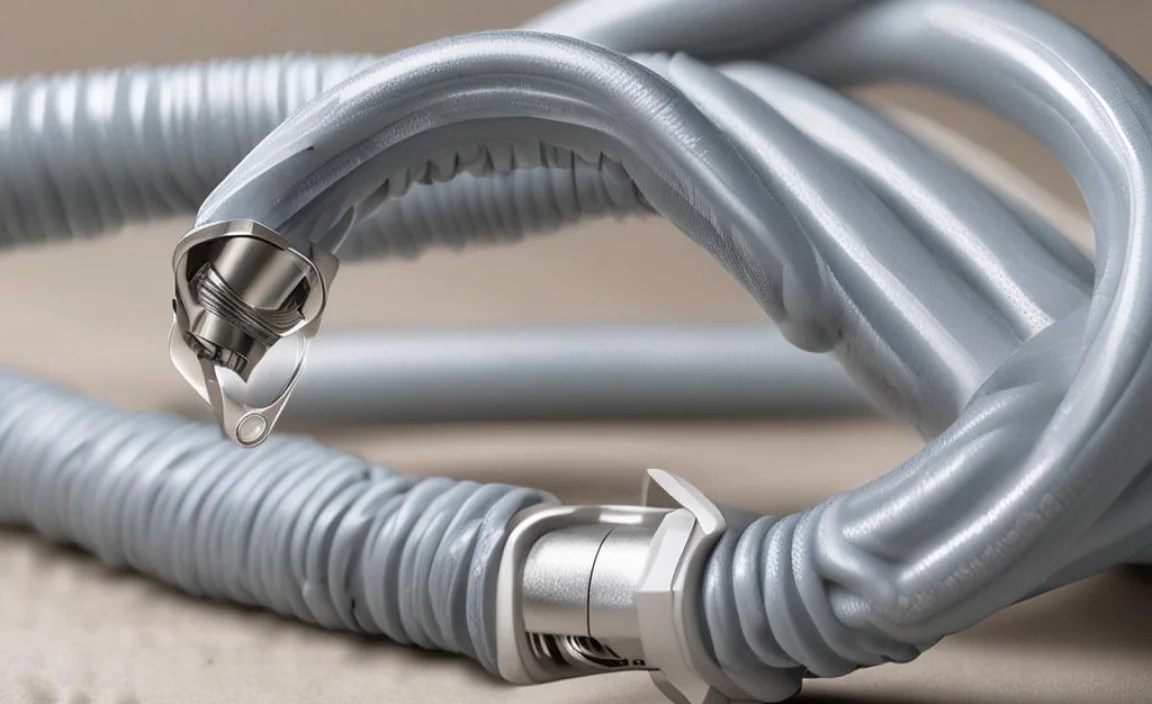
Here’s a step-by-step guide to hose extension. First, gather your tools. You’ll need wrenches, Teflon tape, and your new hose or adapter. Next, disconnect the old hose from your pump. Wrap Teflon tape around the threads of the connector. Attach the new hose or adapter. Tighten it securely with the wrenches. Check for leaks by pumping a small amount of air. If you see any leaks, tighten the connection more. Repeat these steps until there are no leaks. Now you have a longer hose! This makes adjusting your suspension much easier.
- Gather your tools and materials.
- Disconnect the old hose carefully.
- Wrap Teflon tape around the threads.
- Attach the new hose or adapter.
- Tighten connections securely with wrenches.
- Check for leaks by pumping air.
Imagine you’re trying to follow a recipe. But the instructions are confusing. It makes the whole process harder. A clear step-by-step guide is like a good recipe. It makes everything easier to follow. This guide helps you extend your hose without any confusion. Each step is simple and clear. This ensures you can do it correctly and safely. With this guide, you’ll have a longer hose in no time. This makes bike maintenance much more enjoyable.
Preparing Your Workspace
Preparing your workspace is important. Choose a clean, flat surface to work on. This prevents dirt and debris from getting into the hose. Gather all your tools and materials. Keep them within easy reach. Good lighting is also important. This helps you see what you’re doing. A well-prepared workspace makes the job easier and safer. It also helps prevent mistakes. Take a few minutes to set up your space. This will save you time and frustration in the long run.
Connecting the Extension
Connecting the extension is a key step. First, make sure the threads are clean. Wrap Teflon tape around the threads of the connector. Screw the connector onto the hose. Tighten it securely with a wrench. Be careful not to overtighten it. This can damage the threads. Check the connection for leaks. If you see any, tighten it a little more. A good connection is crucial for preventing air leaks. Take your time and do it right.
Testing for Leaks
Testing for leaks is the final step. After connecting the extension, pump a small amount of air. Listen for any hissing sounds. This can indicate a leak. You can also use soapy water. Brush it onto the connection. If bubbles form, there’s a leak. Tighten the connection until the leak stops. If you can’t stop the leak, try adding more Teflon tape. Testing for leaks ensures your extension is working properly. It also prevents you from losing air pressure while riding.
Fun Fact or Stat: The average bicycle tire loses about 1-2 PSI (pounds per square inch) of air pressure per day due to natural leakage!
Troubleshooting Common Issues
Troubleshooting common issues is important. Sometimes, you might face problems when extending your hose. One common issue is air leaks. This can happen if the connections are not tight enough. Another issue is damaged threads. This can prevent a good seal. Make sure to check the threads before connecting the hose. If you have trouble tightening the connectors, try using more Teflon tape. Also, make sure you’re using the right size wrenches. Knowing how to fix these issues can save you time and frustration. It ensures you can always adjust your suspension properly.
- Air leaks at the connections.
- Damaged threads on the hose.
- Difficulty tightening connectors.
- Using the wrong size wrenches.
- Hose material incompatibility.
Think about a time you had a flat tire. You tried to fix it, but something went wrong. It was frustrating, right? Knowing how to troubleshoot issues is just as important as knowing how to fix things. This helps you solve problems quickly and efficiently. When you know how to troubleshoot, you’re always prepared. You can handle any issue that comes up. This makes bike maintenance much less stressful.
Dealing with Air Leaks
Dealing with air leaks is a common problem. First, check all the connections. Make sure they are tight. If you still have a leak, try adding more Teflon tape. Wrap the tape around the threads. Then, tighten the connection again. Sometimes, the leak might be from a damaged hose. If this is the case, you’ll need to replace the hose. Finding and fixing air leaks ensures your suspension works properly.
Fixing Damaged Threads
Fixing damaged threads can be tricky. If the threads are only slightly damaged, you might be able to clean them up. Use a small file or a thread chaser tool. Be careful not to remove too much material. If the threads are severely damaged, you’ll need to replace the hose or connector. Damaged threads can prevent a good seal. This leads to air leaks. Taking care of your threads is important for maintaining your bike.
Preventing Future Problems
Preventing future problems is key. Always use the right tools for the job. Make sure to tighten connections properly. Don’t overtighten them. This can damage the threads. Check your hoses regularly for wear and tear. Replace them if you see any damage. Store your pump and hoses in a safe place. This protects them from damage. Taking these steps can help prevent future problems. It also keeps your bike in top shape.
| Problem | Possible Cause | Solution |
|---|---|---|
| Air Leak | Loose connection | Tighten connection, add Teflon tape |
| Damaged Threads | Overtightening | Replace hose or connector |
| Hose Won’t Connect | Wrong size fitting | Use correct adapter |
| Low Pressure | Faulty gauge | Replace pump or gauge |
Fun Fact or Stat: Regular maintenance on your bike’s suspension can extend its lifespan by up to 50%!
Maintaining Your Extended Hose
Maintaining your extended hose is very important. This keeps it in good shape. Check the hose regularly for cracks or wear. Clean the hose with a damp cloth. This removes dirt and grime. Store the hose in a cool, dry place. This prevents it from drying out. Also, check the connections regularly. Make sure they are tight. Replace the hose if you see any damage. Taking care of your hose ensures it lasts longer. It also ensures your suspension works properly.
- Check the hose for cracks regularly.
- Clean the hose with a damp cloth.
- Store the hose in a cool, dry place.
- Check connections for tightness.
- Replace damaged hoses immediately.
- Avoid kinking the hose.
Imagine you have a favorite toy. You want to keep it in good condition. You take care of it, right? Maintaining your extended hose is similar. It’s about taking care of your equipment. This ensures it lasts longer and works properly. A well-maintained hose makes bike maintenance easier. It also ensures you can always adjust your suspension. So, take a few minutes to care for your hose. It’s worth the effort.
Regular Cleaning Tips
Regular cleaning is simple. Use a damp cloth to wipe down the hose. Remove any dirt or grime. Avoid using harsh chemicals. They can damage the hose. Pay special attention to the connections. Clean them thoroughly. This prevents corrosion. Regular cleaning keeps your hose in good shape. It also prevents air leaks.
Proper Storage Techniques
Proper storage is important. Store the hose in a cool, dry place. Avoid direct sunlight. This can cause the hose to dry out and crack. Coil the hose loosely. Avoid kinking it. This can damage the hose. Hang the hose up if possible. This prevents it from getting crushed. Proper storage helps extend the life of your hose.
Checking for Wear and Tear
Checking for wear and tear is crucial. Look for cracks or abrasions. Check the connections for leaks. If you see any damage, replace the hose immediately. Worn-out hoses can cause air leaks. This can affect your suspension performance. Regular inspections help you catch problems early. This prevents them from becoming worse.
Fun Fact or Stat: Some professional cyclists check their tire pressure before every single ride to ensure optimal performance!
Summary
Extending your shock pump hose can make bike maintenance much easier. A longer hose provides more reach and flexibility. This helps you adjust your suspension in tricky spots. You can extend your hose using adapters or by replacing it. Make sure to use the right tools and techniques. This prevents air leaks and ensures safety. Remember to maintain your extended hose. Check it regularly for wear and tear. Proper maintenance keeps your hose in good condition. Knowing how to extend shock pump hose reach improves your overall biking experience.
Extending your hose is a simple solution to a common problem. It allows you to fine-tune your suspension. This ensures a comfortable and safe ride. Whether you use adapters or replace the hose, the goal is the same. You want a longer, more reliable hose. This makes adjusting your suspension easier. This helps you enjoy your time on the trails.
Conclusion
Extending your shock pump hose is a great way to improve your bike maintenance routine. A longer hose makes it easier to adjust your suspension. You can use adapters or replace the hose. Always use the right tools and techniques. This prevents leaks and ensures safety. By following these tips, you can easily how to extend shock pump hose reach. This makes bike maintenance easier and more enjoyable.
Frequently Asked Questions
Question No 1: What is a shock pump and why do I need one?
Answer: A shock pump is a special pump. It’s used to inflate the air shocks on your bike. Regular tire pumps don’t work for this. Shock pumps have a special valve. This valve lets you add air very precisely. Air shocks need precise air pressure. This ensures they work correctly. You need a shock pump to keep your suspension in good shape. It allows you to adjust the air pressure as needed. This helps you customize your ride. Also, knowing how to extend shock pump hose reach helps you access difficult valves.
Question No 2: How do I know if my shock pump hose is too short?
Answer: You’ll know your shock pump hose is too short if you can’t easily reach the valve. The valve is where you attach the pump. If you have to bend or twist the hose to reach it, it’s too short. A short hose can make it hard to add air. It can also damage the valve. Measure the distance from the pump to the valve. Add a few extra inches for wiggle room. This will help you determine the ideal hose length. Also, consider how to extend shock pump hose reach to make adjustments easier.
Question No 3: Can I use any type of hose to extend my shock pump hose?
Answer: No, you can’t use any type of hose. You need to use a hose that is rated for high pressure. Shock pumps generate high pressure. A regular hose might burst or leak. Look for hoses that are specifically designed for shock pumps. These hoses are made to handle high pressure. They also have the right connectors. This ensures a secure and leak-free connection. Using the wrong hose can be dangerous. Also, it won’t work properly. So, always use a high-pressure hose. Understanding how to extend shock pump hose reach with the correct materials is key.
Question No 4: What are the best tools for extending a shock pump hose?
Answer: The best tools for extending a shock pump hose include wrenches, Teflon tape, and a hose cutter. Wrenches help you tighten the connectors. Teflon tape prevents air leaks. A hose cutter allows you to cut the hose cleanly. Make sure to use the right size wrenches. This prevents damage to the connectors. Also, wear safety glasses when using a hose cutter. This protects your eyes. Having the right tools makes the job easier and safer. It also ensures a good connection. And knowing how to extend shock pump hose reach becomes simpler with the right tools.
Question No 5: How can I prevent air leaks when extending my shock pump hose?
Answer: Preventing air leaks is important. First, make sure the connections are tight. Use wrenches to tighten them securely. Wrap Teflon tape around the threads of the connectors. This creates a tight seal. Check for leaks by pumping a small amount of air. If you see any leaks, tighten the connection more. Also, make sure the hose is not damaged. Replace it if you see any cracks or wear. Taking these steps can help prevent air leaks. This ensures your suspension works properly. Remember, proper technique is vital when considering how to extend shock pump hose reach.
Question No 6: How often should I check my shock pump hose for wear and tear?
Answer: You should check your shock pump hose regularly. A good rule is to check it before each ride. Look for cracks, abrasions, or leaks. Pay special attention to the connections. Make sure they are tight and secure. If you see any damage, replace the hose immediately. Regular inspections help you catch problems early. This prevents them from becoming worse. Also, it ensures your suspension works properly. This is especially important after you learn how to extend shock pump hose reach, as connections may be more susceptible to wear.


