
How to Avoid Pressure Loss in Suspension: Smart Shock Pump Use

Have you ever bounced on a bike and felt it was too soft? Maybe you added air to the suspension. Then, you checked it again, and it seemed like air leaked out. That’s annoying, right? This article is all about {how to avoid pressure loss in suspension with shock pump use}. Let’s learn how to keep your ride smooth!
Air suspension helps bikes and other things move smoothly. A special pump adds air. Sometimes, air escapes when you take the pump off. Don’t worry! We will show you simple tricks. These tricks will help you keep the right amount of air inside.
We will learn what causes air loss. We will also learn the best ways to use a shock pump. Getting it right means better rides. You will have more fun and your bike will work better. Let’s get started and bounce right!
Key Takeaways
- Use a high-quality shock pump with a secure valve connection to prevent leaks.
- Always double-check the valve connection before and after inflating.
- Quickly disconnect the pump to minimize air escaping from the suspension.
- Understanding how to avoid pressure loss in suspension with shock pump use ensures optimal performance.
- Regularly inspect and maintain your suspension system for best results.
Understanding Air Suspension Systems

Air suspension systems use air to cushion your ride. They are like bouncy pillows for your bike or car. These systems need the right amount of air to work well. Too little air, and the ride is bumpy. Too much air, and it’s too hard. A shock pump helps you add or remove air. This lets you set the perfect feel. Air suspension is used in mountain bikes, motorcycles, and even some cars. It makes the ride smoother and more comfortable. When you add air, a valve opens. This lets air into the suspension chamber. When you take the pump off, the valve should close. Sometimes, it doesn’t close fast enough. This causes a little air to escape. That’s why learning about {how to avoid pressure loss in suspension with shock pump use} is super important. Knowing how it works helps you stop air from leaking out.
- Air suspension uses air for cushioning.
- A shock pump adds or removes air.
- The right air pressure makes the ride smooth.
- Valves control the airflow.
- Air loss can make the ride bumpy.
The goal is to keep the air inside where it belongs. A good seal is very important. The valve must close tightly. If the valve is dirty or damaged, it might leak. Some pumps have special features. These features help reduce air loss. Learning how to use your pump correctly is also key. Quick, smooth movements can make a big difference. Knowing the parts of your suspension and pump helps too. You will know what to check and how to keep everything working well. With a little care, you can keep your air suspension working perfectly. This means more fun and less hassle on your rides.
Fun Fact or Stat: Did you know air suspension was first used in cars in the early 1900s to improve ride comfort?
Why Does Pressure Loss Happen?
Have you ever wondered why air escapes when you remove the pump? It’s because the valve needs time to close. When you disconnect the pump, air rushes out. This happens very fast. Some air escapes before the valve can seal. The type of pump matters too. Some pumps are better at preventing this. They have special designs that minimize air loss. Also, how quickly you disconnect the pump makes a difference. The faster you are, the less air escapes. Understanding this helps you take action. You can use quick movements. You can also choose a better pump. Both will reduce air loss. So, next time you pump up your suspension, remember it’s a race against time!
Checking Your Suspension Valve
The valve is a small but mighty part. It keeps the air inside. But sometimes, it can get dirty or damaged. Dirt can stop the valve from closing properly. This leads to leaks. Damage, like a bent pin, can also cause problems. So, it’s important to check the valve often. Look for dirt or damage. Clean the valve with a soft cloth if needed. Make sure the pin is straight. If the valve is very damaged, you might need to replace it. A good valve means less air loss. It also means a smoother ride. Take care of your valve, and it will take care of you!
Pump Connection Techniques
How you connect the pump matters a lot. A loose connection lets air escape right away. A tight connection makes a good seal. Before you start pumping, make sure the pump is on straight. Screw it on tightly, but don’t overdo it. Over-tightening can damage the valve. After pumping, remove the pump quickly and smoothly. Wiggling the pump can also cause leaks. Practice makes perfect. The more you do it, the better you’ll get. Soon, you will be a pro at connecting and disconnecting your pump. This helps to maintain the pressure when you use a shock pump and keeps your suspension working great.
Choosing the Right Shock Pump

Not all shock pumps are the same. Some are better than others at preventing air loss. Look for pumps with a good seal. A good seal keeps air from escaping when you disconnect. Some pumps have a two-stage system. This means they have two ways to stop air loss. One part seals before you disconnect. This keeps the air inside. Digital pumps can also help. They show the exact pressure. This stops you from over-pumping. Over-pumping can damage your suspension. Reading reviews can also help you choose. See what other people say about different pumps. A good pump is worth the investment. It will keep your suspension working well for a long time. When considering {how to avoid pressure loss in suspension with shock pump use}, the pump itself is a key factor.
- Look for pumps with a good seal.
- Two-stage pumps prevent air loss.
- Digital pumps show exact pressure.
- Read reviews to find the best pump.
- A good pump is a worthwhile investment.
Think about what kind of riding you do. If you ride a lot, a high-quality pump is a must. If you only ride sometimes, a basic pump might be okay. But even a basic pump should have a good seal. Consider the size of the pump too. A small pump is easy to carry with you. A larger pump might be easier to use at home. No matter what pump you choose, learn how to use it correctly. Read the instructions. Practice connecting and disconnecting the pump. With the right pump and the right technique, you can keep your suspension working perfectly. This will make your rides smoother and more fun.
Fun Fact or Stat: High-end shock pumps can cost over $100 but offer much better accuracy and less air loss.
Analog vs. Digital Pumps
Analog pumps have a needle that shows the pressure. They are simple to use. Digital pumps show the pressure on a screen. They are more accurate. Digital pumps can help you get the exact pressure you need. This is important for good suspension. But digital pumps need batteries. Analog pumps don’t. Some people like the simplicity of analog pumps. Others prefer the accuracy of digital pumps. Think about what is important to you. Do you want accuracy or simplicity? Both types of pumps can work well. It’s all about what you like best. Remembering {how to avoid pressure loss in suspension with shock pump use} applies to both types.
Pump Features to Look For
When you buy a shock pump, look for certain features. A good seal is very important. Look for a pump with a secure connection. A swivel head can also be helpful. This lets you connect the pump at different angles. A bleeder valve is another useful feature. This lets you release small amounts of air. This helps you get the exact pressure you want. A long hose can make it easier to reach the valve. A comfortable handle makes the pump easier to use. Think about these features when you shop for a pump. They can make a big difference in how well the pump works.
Price vs. Performance
Sometimes, spending more money gets you a better pump. More expensive pumps often have better seals. They might also have more features. But a high price doesn’t always mean the best pump. Read reviews. See what other people say. A mid-range pump might be just as good as an expensive one. Think about how often you will use the pump. If you use it a lot, it might be worth spending more. If you only use it sometimes, a cheaper pump might be fine. It’s important to find a balance. You want a pump that works well and fits your budget.
Proper Inflation Techniques
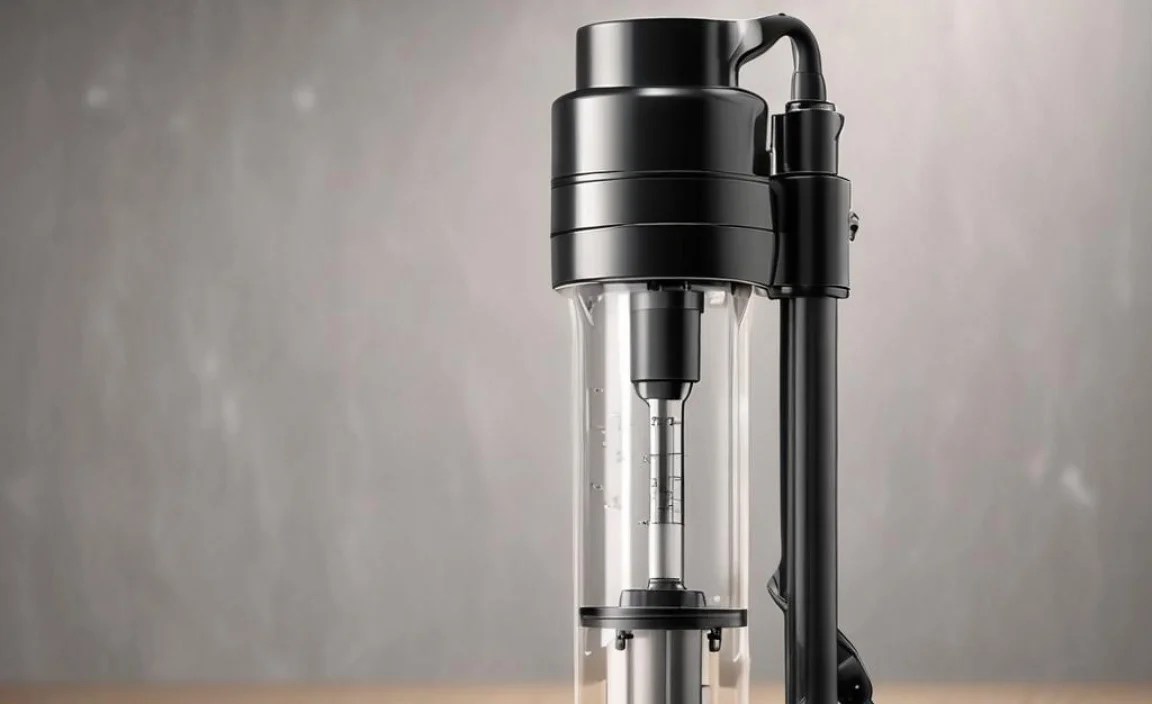
Proper inflation is key to avoiding air loss. Before you start, check the valve. Make sure it is clean and undamaged. Connect the pump securely. Pump slowly and steadily. Watch the pressure gauge. Stop when you reach the right pressure. Disconnect the pump quickly. Don’t wiggle it. Check the pressure again after disconnecting. If it’s too low, add a little more air. Practice these steps every time you inflate. This will help you get better at it. Soon, you will be able to inflate your suspension perfectly. You will be able to avoid losing air. You will get the most out of your pump. You will understand {how to avoid pressure loss in suspension with shock pump use}.
- Check the valve before inflating.
- Connect the pump securely.
- Pump slowly and steadily.
- Disconnect the pump quickly.
- Check the pressure after disconnecting.
Remember to always follow the manufacturer’s instructions. Each suspension system is a little different. The right pressure depends on your weight and riding style. Experiment to find what works best for you. Keep a record of your settings. This will help you get the same feel every time. A small notebook or your phone can be used for records. Don’t be afraid to ask for help. Your local bike shop can give you advice. With a little practice and the right knowledge, you can master the art of inflation. This will make your rides more enjoyable.
Fun Fact or Stat: The ideal suspension pressure can change based on the weather, with colder temperatures often requiring slightly lower pressures.
Pre-Inflation Checks
Before you even grab the pump, do some checks. Look at the valve. Is it clean? Is it damaged? A dirty valve can cause leaks. A damaged valve needs to be fixed. Check the pump hose. Is it cracked? A cracked hose will leak air. Make sure the pump head is clean. Dirt on the pump head can also cause leaks. Doing these checks before you start can save you time and trouble. It helps to avoid pressure loss. It also helps to keep your equipment in good shape. A little preparation goes a long way.
Smooth Pumping Action
When you pump, be smooth. Don’t pump too fast. Fast pumping can heat up the air. Hot air expands. This can give you a false reading. Pump slowly and steadily. This gives you a more accurate reading. It also helps to avoid damaging the pump. Use your whole arm to pump. This is less tiring than using just your wrist. Find a comfortable position. This will help you pump smoothly. Smooth pumping is efficient pumping. It helps you get the right pressure without wasting energy.
Quick Disconnect Methods
The moment you disconnect the pump is critical. Air can escape very quickly. The key is to be fast and smooth. Practice makes perfect. Before you inflate, plan your move. Know how to disconnect the pump quickly. Some pumps have a quick-release lever. This makes it easy to disconnect. Others require you to unscrew the pump head. Either way, be ready to move fast. The less time the pump is connected, the less air you will lose. Quick disconnects are a key part of {how to avoid pressure loss in suspension with shock pump use}.
Maintaining Your Shock Pump and Suspension

Taking care of your shock pump and suspension is very important. Regular cleaning helps. Dirt and grime can damage the seals. Clean the pump head with a soft cloth. Use a mild soap if needed. Inspect the pump hose for cracks. Replace the hose if it’s damaged. Check the suspension valves. Make sure they are clean and working properly. Lubricate the valves with a little silicone grease. This helps them seal better. Store your pump in a clean, dry place. This protects it from damage. Regular maintenance keeps everything working smoothly. It also helps you avoid air loss. {How to avoid pressure loss in suspension with shock pump use} starts with taking good care of your equipment.
- Clean the pump head regularly.
- Inspect the pump hose for cracks.
- Check the suspension valves.
- Lubricate the valves with silicone grease.
- Store the pump in a clean, dry place.
Pay attention to how your suspension feels. If it feels different, check the pressure. If you notice any leaks, fix them right away. Don’t wait until the problem gets worse. A little maintenance can prevent big problems. It can also save you money. Replacing parts is more expensive than cleaning them. Keep your suspension system in good shape. This will make your rides safer and more enjoyable. A well-maintained system is a happy system. It will give you years of reliable service.
Fun Fact or Stat: Regularly servicing your suspension can extend its lifespan by up to 50%.
Cleaning and Lubrication Tips
Cleaning your pump is easy. Use a soft cloth to wipe it down. Pay attention to the pump head. This is where dirt collects. A cotton swab can help you clean hard-to-reach spots. Use a mild soap if needed. Don’t use harsh chemicals. They can damage the seals. Lubricate the pump with silicone grease. Put a small amount on the pump head. This helps it seal better. It also makes it easier to connect and disconnect the pump. Regular cleaning and lubrication keep your pump working like new.
Inspecting for Wear and Tear
Regularly inspect your pump and suspension. Look for signs of wear and tear. Check the pump hose for cracks. Check the pump head for damage. Look at the suspension valves. Are they clean? Are they damaged? Check the suspension seals. Are they leaking? If you see any problems, fix them right away. Don’t wait until they get worse. Small problems can turn into big problems. Regular inspections help you catch problems early. This can save you time and money.
Proper Storage Techniques
How you store your pump matters. Store it in a clean, dry place. This protects it from dirt and moisture. Don’t leave it in direct sunlight. Sunlight can damage the hose. Don’t store it in a hot car. Heat can also damage the pump. A toolbox or storage bag is a good place to keep your pump. This keeps it clean and protected. Proper storage helps your pump last longer. It also helps it work better. A little care goes a long way.
Troubleshooting Common Issues
Sometimes, things go wrong. You might lose air even when you do everything right. Don’t panic! There are usually simple solutions. First, double-check the valve connection. Make sure it’s tight. If it’s loose, tighten it. Next, check the valve core. The valve core is the small part inside the valve. It can sometimes come loose. Use a valve core tool to tighten it. If the valve core is damaged, replace it. Check the pump seals. If the seals are worn, replace them. Sometimes, the problem is with the suspension itself. There might be a leak in the air chamber. If you suspect a leak, take your suspension to a professional. They can find and fix the problem. Troubleshooting is part of {how to avoid pressure loss in suspension with shock pump use}.
- Double-check the valve connection.
- Check the valve core.
- Check the pump seals.
- Look for leaks in the suspension.
- Take your suspension to a professional if needed.
Keep a few spare parts on hand. A valve core tool is a must-have. Extra valve cores are also a good idea. A pump seal kit can save you time and money. Knowing how to fix common problems can save you a trip to the bike shop. But don’t be afraid to ask for help. If you’re not sure what to do, take your suspension to a professional. They have the tools and knowledge to fix any problem. A little knowledge and the right tools can keep your suspension working perfectly.
Fun Fact or Stat: Most common air suspension problems can be fixed with simple tools and a little know-how.
Identifying Leaks
Finding a leak can be tricky. Sometimes, the leak is obvious. You can hear the air hissing out. Other times, the leak is small. It’s hard to find. One way to find a small leak is to use soapy water. Mix soap with water. Put the soapy water on the valve and seals. If there is a leak, you will see bubbles. The bubbles show where the air is escaping. This trick can help you find even the smallest leaks. Once you find the leak, you can fix it.
Valve Core Problems
The valve core is a small but important part. It keeps the air inside. If the valve core is loose, air will leak out. Use a valve core tool to tighten it. Don’t over-tighten it. Over-tightening can damage it. If the valve core is damaged, replace it. Valve cores are cheap and easy to replace. Keep a few spares on hand. A faulty valve core can cause big problems. But it’s easy to fix. With a little care, you can keep your valve cores in good shape.
When to Seek Professional Help
Sometimes, the problem is too big to fix yourself. If you can’t find the leak, take it to a pro. If you damage the suspension, get help. If you’re not comfortable working on it, get help. A professional mechanic has the tools and knowledge to fix any problem. They can also give you advice. Don’t be afraid to ask for help. It’s better to be safe than sorry. A professional can keep your suspension working perfectly.
Advanced Techniques for Pressure Retention
Once you master the basics, you can try advanced techniques. These techniques can help you keep even more air in your suspension. One trick is to use a special valve adapter. This adapter seals the valve before you disconnect the pump. This prevents almost all air loss. Another trick is to use nitrogen instead of air. Nitrogen is a dry gas. It doesn’t expand or contract as much as air. This helps to keep the pressure stable. Some riders use a special suspension fluid. This fluid helps to seal the air chamber. These techniques are not for everyone. They require special equipment and knowledge. But if you are serious about your suspension, they can make a big difference. You can find success in {how to avoid pressure loss in suspension with shock pump use} with these tips.
- Use a special valve adapter.
- Use nitrogen instead of air.
- Use a special suspension fluid.
- These techniques require special equipment.
- These techniques are for serious riders.
Remember to always follow the manufacturer’s instructions. These techniques can be dangerous if done wrong. Start with the basics. Master the proper inflation techniques. Learn how to maintain your pump and suspension. Once you are comfortable with these things, you can try the advanced techniques. But always be careful. Safety is the most important thing. A little knowledge and caution can keep your suspension working perfectly.
Fun Fact or Stat: Using nitrogen in your suspension can reduce pressure fluctuations by up to 75%.
Using Valve Adapters
Valve adapters are special tools. They help seal the valve. They stop air from escaping. Some adapters screw onto the valve. Others clamp onto the valve. Either way, they create a tight seal. This seal keeps the air inside. You disconnect the adapter before the pump. This means almost no air loss. Valve adapters can be expensive. But they are worth it if you want the best possible performance. They are a great addition to your toolkit.
Nitrogen vs. Air
Air is mostly nitrogen. But it also has oxygen and other gases. These other gases can cause problems. They can expand and contract with temperature. This changes the pressure. Nitrogen is a pure gas. It doesn’t expand or contract as much. This makes the pressure more stable. Some riders use nitrogen in their suspension. It helps to keep the pressure consistent. This can improve performance. Nitrogen is not always easy to get. You might need to go to a special shop. But it’s worth it if you want the best possible performance.
Specialized Suspension Fluids
Some suspension fluids have special properties. They can help to seal the air chamber. They can also reduce friction. This makes the suspension smoother. These fluids are not cheap. But they can improve performance. They can also extend the life of your suspension. If you are serious about your suspension, consider using a specialized fluid. Talk to a mechanic. They can recommend the best fluid for your needs. A good fluid can make a big difference.
Comparative Analysis of Shock Pumps
Let’s compare some different shock pumps. This will help you choose the best one for you. We will look at price, accuracy, and features. We will also look at how easy they are to use. Some pumps are cheap and simple. Others are expensive and have lots of features. The best pump for you depends on your needs. If you only need a pump sometimes, a cheap one might be fine. If you use a pump often, spend more. A more expensive pump will last longer. When thinking about {how to avoid pressure loss in suspension with shock pump use}, consider the pump’s quality.
| Pump | Price | Accuracy | Features | Ease of Use |
|---|---|---|---|---|
| Basic Pump | $20 | +/- 5 psi | Simple gauge | Easy |
| Mid-Range Pump | $50 | +/- 2 psi | Bleeder valve | Easy |
| Digital Pump | $80 | +/- 1 psi | Digital display, bleeder valve | Moderate |
| High-End Pump | $120 | +/- 0.5 psi | Two-stage system, digital display | Moderate |
Consider what features you need. A bleeder valve lets you release small amounts of air. This helps you get the exact pressure. A digital display is more accurate than a simple gauge. A two-stage system prevents air loss. Think about how easy the pump is to use. Some pumps are easier to connect and disconnect. Some pumps have a swivel head. This makes it easier to reach the valve. Read reviews before you buy. See what other people say about different pumps. A little research can help you choose the best pump for your needs.
Fun Fact or Stat: Digital shock pumps are generally 2-3 times more accurate than analog models.
Price Point Comparisons
Basic pumps are the cheapest. They are good for occasional use. They are simple to use. But they are not very accurate. Mid-range pumps are more expensive. They are more accurate. They have more features. Digital pumps are even more expensive. They are very accurate. They have lots of features. High-end pumps are the most expensive. They are the most accurate. They have the most features. Think about your budget. Choose a pump that fits your budget. But don’t sacrifice quality. A good pump is worth the investment.
Accuracy and Reliability
Accuracy is very important. The right pressure makes a big difference. Too much pressure is bad. Too little pressure is bad. A more accurate pump helps you get the right pressure. Reliability is also important. You want a pump that will last. Read reviews. See what other people say about the pump’s accuracy and reliability. A reliable pump will give you years of service. It will also save you money in the long run.
Feature Sets and Usability
Some pumps have lots of features. A bleeder valve is very useful. It lets you release small amounts of air. A digital display is easy to read. A swivel head makes it easier to reach the valve. A comfortable handle makes the pump easier to use. Think about what features are important to you. Choose a pump that has the features you need. But don’t get overwhelmed. Too many features can make the pump hard to use. A simple pump can be just as good as a fancy pump.
Summary
Learning {how to avoid pressure loss in suspension with shock pump use} is key for smooth rides. It starts with understanding air suspension. Choose the right shock pump. Proper inflation techniques are important. Maintain your pump and suspension. Troubleshoot common issues. Try advanced techniques if you’re serious. Remember, good preparation and care will make your rides more enjoyable. With the right knowledge, you can keep your suspension working perfectly. This will make your ride more fun and save you from bumpy rides.
Conclusion
Knowing {how to avoid pressure loss in suspension with shock pump use} makes a big difference. You can keep your suspension working its best. Choose the right pump. Use the right techniques. Take good care of your equipment. With a little practice, you will be a pro. Your rides will be smoother and more fun. So get out there and enjoy the bounce!
Frequently Asked Questions
Question No 1: Why am I losing air when I disconnect my shock pump?
Answer: Air loss is often due to the time it takes for the valve to close. When you disconnect the pump, some air escapes before the valve seals. Using a pump with a better seal can help. Quick disconnection techniques are also helpful. Make sure the pump is securely connected. This will reduce air loss. Remember to check the valve for dirt or damage. A clean, well-maintained valve seals better. This is a key part of {how to avoid pressure loss in suspension with shock pump use}.
Question No 2: What type of shock pump should I buy?
Answer: Choose a pump with a good seal and accurate gauge. Digital pumps are more accurate. Look for pumps with a bleeder valve. This lets you fine-tune the pressure. Consider a pump with a two-stage system. This helps to prevent air loss. Read reviews to see what other people recommend. A good pump is a worthwhile investment. It will help you maintain your suspension properly. Make sure it is compatible with your suspension system. Thinking about {how to avoid pressure loss in suspension with shock pump use} is important when you buy.
Question No 3: How often should I check and adjust my suspension pressure?
Answer: Check your suspension pressure before each ride. Adjust it as needed based on your weight and riding style. Temperature changes can affect the pressure. Check it more often in extreme weather. Regular checks ensure optimal performance. They also help you identify leaks early. Keep a record of your preferred settings. This makes it easier to adjust quickly. Consistent monitoring is crucial for {how to avoid pressure loss in suspension with shock pump use}.
Question No 4: Can I use a regular tire pump for my air suspension?
Answer: No, you should not use a regular tire pump. Tire pumps deliver too much air too quickly. This can damage your suspension. Shock pumps are designed for low-volume, high-pressure inflation. They allow for precise adjustments. Using the wrong pump can also be dangerous. Always use a shock pump specifically designed for air suspension. This will protect your equipment. This will ensure accurate pressure settings. This is important for {how to avoid pressure loss in suspension with shock pump use}.
Question No 5: How do I know if my suspension valve is leaking?
Answer: Listen for a hissing sound near the valve. Apply soapy water to the valve area. Bubbles indicate a leak. Check the valve core. Make sure it is tight. Inspect the valve for damage. If you suspect a leak, take it to a professional. They can properly diagnose and repair the issue. Ignoring leaks can lead to performance problems. It can also damage your suspension. Prompt action can save you time and money. This prevents issues linked to {how to avoid pressure loss in suspension with shock pump use}.
Question No 6: What are some advanced techniques to minimize air loss?
Answer: Use a valve adapter to seal the valve before disconnecting the pump. Consider using nitrogen instead of air. Nitrogen is more stable. Use a specialized suspension fluid to seal the air chamber. These techniques require special equipment and knowledge. They are for serious riders. Always follow the manufacturer’s instructions. Safety is very important. Advanced techniques can significantly improve pressure retention. However, mastering basic techniques is essential first. Understanding the basics helps to achieve {how to avoid pressure loss in suspension with shock pump use}.


