
How to Use Shock Pump for Hardtail vs Full-Suspension Bikes

Do you love riding your bike? Do you like going fast and feeling the bumps? Some bikes have special parts that help with this. These parts need air, just like your tires. But how do you put air in them? Today, we will learn how to use a shock pump. We will look at hardtail bikes and full-suspension bikes.
It’s like giving your bike a little boost. A shock pump helps you make your ride super smooth.
What if your bike felt like it was floating? A shock pump can help you get there. It lets you change the air pressure in your bike’s shocks. This makes riding more fun! Knowing how to use shock pump for hardtail vs full-suspension bikes is important.
Key Takeaways
- Using a shock pump correctly ensures optimal performance and safety on your bike.
- Full-suspension bikes require more frequent shock pressure adjustments than hardtails.
- Always consult your bike’s manual for recommended PSI settings for your shocks.
- Understanding how to use shock pump for hardtail vs full-suspension bikes enhances control.
- A shock pump allows you to fine-tune your bike’s suspension for different terrains.
Using a Shock Pump on Your Bike

A shock pump is a special tool. It helps you add air to your bike’s suspension. Suspension is what makes your ride smooth. It soaks up bumps and keeps you in control. Different bikes have different kinds of suspension. Hardtail bikes have suspension only in the front fork. Full-suspension bikes have it in the front and back. This means you need to know how to use shock pump for hardtail vs full-suspension bikes. Using a shock pump is easy once you know the steps. First, find the valve on your bike’s shock. Then, screw the pump onto the valve. Pump air until you reach the right pressure. The right pressure makes your ride feel good. Always check your bike’s manual. It tells you the right pressure for your weight. This helps keep you safe and have more fun. Remember to remove the pump carefully, so you don’t lose air.
- Find the valve on your bike’s shock.
- Screw the shock pump onto the valve.
- Pump air to the recommended pressure.
- Check your bike’s manual for the right PSI.
- Remove the pump carefully to avoid air loss.
Why is using a shock pump so important? It keeps your suspension working well. When your suspension works well, you have more control. More control means you can ride safely. It also means you can ride faster and have more fun. Imagine riding down a bumpy hill. If your suspension is too soft, you might bottom out. This means your suspension hits the end of its travel. It can feel like a hard jolt. If it is too hard, the ride will be uncomfortable. You will feel every bump. Using a shock pump lets you find the perfect balance. It makes your bike feel just right. Always remember to check your suspension before each ride. A quick check can make a big difference. Keeping your suspension in good shape helps your bike last longer too. So, grab your shock pump and get ready to ride!
Fun Fact or Stat: Did you know that professional mountain bike racers often adjust their shock pressure multiple times during a single race to optimize performance for different sections of the course?
Why Do Shocks Need Air?
Have you ever wondered why bike shocks need air? It is because air acts like a spring. When you hit a bump, the air in the shock gets compressed. This compression absorbs the impact. Then, the air pushes back, returning the shock to its original position. This process makes the ride smoother and more comfortable. Without air, the shock would not be able to absorb bumps effectively. It would feel like riding a bike with no suspension at all. Different amounts of air create different levels of stiffness. More air makes the suspension stiffer, while less air makes it softer. This is why using a shock pump is so important. It lets you adjust the air pressure to match your weight and riding style. So, next time you are pumping air into your shocks, remember that you are creating a spring that makes your ride better!
What is PSI?
PSI stands for pounds per square inch. It is a way to measure air pressure. When you use a shock pump, you will see a PSI reading. This number tells you how much air is in your bike’s shocks. Different bikes and different riders need different PSI levels. A heavier rider will need more PSI than a lighter rider. The right PSI makes your ride feel balanced. Too little PSI, and the suspension will feel soft and squishy. Too much PSI, and the suspension will feel harsh and stiff. Finding the right PSI is key to a comfortable and controlled ride. Your bike’s manual will give you a starting point. From there, you can experiment to find what feels best for you. Remember to always use a shock pump. A regular tire pump will not work.
How Often to Check Shock Pressure
How often should you check your shock pressure? It depends on how often you ride. If you ride every day, check it once a week. If you only ride once a week, check it before each ride. Air can leak out of the shocks over time. This means the pressure can change. Changes in pressure can affect how your bike feels. Also, check the pressure if the temperature changes. Temperature affects air pressure. When it gets colder, the pressure might go down. When it gets warmer, the pressure might go up. Keeping an eye on your shock pressure is a good habit. It helps you keep your bike in top condition. It also helps you stay safe and have more fun on the trails.
Hardtail vs Full-Suspension Bike Setup

Setting up a hardtail bike is different than setting up a full-suspension bike. Hardtails only have suspension in the front fork. This means you only need to worry about one shock. Full-suspension bikes have shocks in the front and rear. This means you need to set up both. How to use shock pump for hardtail vs full-suspension bikes depends on your bike type. For a hardtail, focus on the front fork’s PSI. Too little pressure makes the front feel soft. Too much makes it feel stiff. For a full-suspension bike, balance the front and rear. If the front is too soft, it will dive when you brake. If the rear is too soft, it will feel like you are sinking. Adjust both until the bike feels balanced. Always start with the manufacturer’s recommendations. Then, adjust to your liking. A well-set-up bike makes riding more enjoyable.
| Feature | Hardtail Bike | Full-Suspension Bike |
|---|---|---|
| Suspension | Front fork only | Front and rear shocks |
| Adjustment Points | One (front fork) | Two (front and rear) |
| Complexity | Simpler setup | More complex setup |
| Maintenance | Less maintenance | More maintenance |
Understanding the difference between hardtail and full-suspension setups is key. A hardtail is great for smooth trails. It is simple and efficient. A full-suspension bike shines on rough terrain. It offers more comfort and control. When setting up your bike, consider the type of riding you do. If you ride mostly smooth trails, a hardtail setup is fine. If you ride rough trails, a full-suspension setup is better. Also, think about your weight and riding style. A heavier rider might need more PSI. An aggressive rider might want a stiffer setup. Experiment with different settings to find what works best. Remember to make small adjustments. Big changes can make the bike feel strange. Always test your settings on a short ride. This helps you fine-tune the setup before a big adventure.
Fun Fact or Stat: Full-suspension bikes often have more than just air adjustments; some have adjustable rebound and compression damping to further fine-tune the ride feel!
Adjusting Front Fork on a Hardtail
How do you adjust the front fork on a hardtail? First, find the air valve. It is usually on top of one of the fork legs. Remove the cap and attach your shock pump. Check the current PSI. Compare it to the recommended PSI in your bike’s manual. Add or remove air to reach the right pressure. Remember to make small adjustments. A few PSI can make a big difference. After adjusting, test the fork. Push down on the handlebars. The fork should compress smoothly and return quickly. If it feels too soft, add more air. If it feels too stiff, remove some air. It might take a few tries to find the perfect setting. Be patient and keep experimenting. A well-adjusted front fork makes a huge difference.
Balancing Front and Rear on Full-Suspension
Balancing the front and rear suspension on a full-suspension bike is important. Start by setting the sag. Sag is how much the suspension compresses when you sit on the bike. Your bike’s manual will tell you how much sag to aim for. Use your shock pump to adjust the air pressure in the front and rear shocks. Get on the bike in your normal riding position. Have a friend measure how much the suspension compresses. Adjust the pressure until the sag is correct. Once the sag is set, test the bike on a trail. Pay attention to how the front and rear feel. If one end feels softer than the other, adjust the pressure accordingly. Small adjustments can make a big difference. Keep testing until the bike feels balanced and controlled.
When to Seek Professional Help
Sometimes, setting up your suspension can be tricky. If you are not sure what to do, seek professional help. A bike shop mechanic can help you dial in your suspension. They have the tools and knowledge to do it right. They can also help you diagnose any problems with your shocks. If your shocks are leaking air, they might need to be serviced. Trying to fix them yourself can be dangerous. A professional can ensure your suspension is working properly. This keeps you safe and helps you enjoy your rides. Do not be afraid to ask for help. It is better to be safe than sorry. A well-tuned suspension is worth the investment.
Understanding Air Pressure (PSI)

Understanding air pressure is key to how to use shock pump for hardtail vs full-suspension bikes. Air pressure is measured in PSI. PSI stands for pounds per square inch. It tells you how much force the air is exerting. Your bike’s shocks use air pressure to support your weight. The right PSI makes your ride smooth and controlled. Too little PSI, and the suspension will bottom out. Too much PSI, and the ride will be harsh. Finding the right balance is important. Your bike’s manual will give you a starting point. It will suggest a PSI range based on your weight. Use your shock pump to adjust the pressure. Check the PSI before each ride. Temperature changes can affect air pressure. Keep your suspension dialed in for the best performance. A little bit of knowledge goes a long way.
- PSI measures air pressure in pounds per square inch.
- Correct PSI supports your weight and improves ride quality.
- Too little PSI causes bottoming out; too much makes it harsh.
- Consult your bike’s manual for recommended PSI ranges.
- Temperature changes can affect air pressure in your shocks.
- Adjust PSI before each ride for optimal performance.
Why is PSI so important? It is the foundation of your suspension setup. Without the right PSI, your suspension cannot do its job. Imagine trying to ride a bike with flat tires. It would be bumpy and hard to control. The same is true for your suspension. If the PSI is not right, the ride will be uncomfortable and unsafe. Learning about PSI is like learning a new language. Once you understand it, you can communicate with your bike. You can tell it what you need, and it will respond. Think of your shock pump as a translator. It helps you adjust the PSI to match your needs. So, take the time to understand PSI. It will make you a better rider and help you enjoy your bike more.
Fun Fact or Stat: A difference of just 5 PSI can drastically change the feel of your suspension, highlighting the importance of precise adjustments!
Finding Recommended PSI
How do you find the recommended PSI for your bike? The best place to start is your bike’s manual. It will have a chart that lists recommended PSI based on your weight. If you do not have the manual, you can often find it online. Search for your bike’s make and model. Look for the manufacturer’s website. They often have manuals available for download. Another option is to ask your local bike shop. They can help you find the right PSI for your bike and weight. Remember, the recommended PSI is just a starting point. You might need to adjust it based on your riding style and preferences. Experiment to find what feels best for you.
Effects of Too Little PSI
What happens if you have too little PSI in your shocks? The suspension will feel soft and squishy. It will bottom out easily, especially on big bumps. Bottoming out is when the suspension runs out of travel. It can feel like a hard jolt. Too little PSI can also make the bike feel unstable. It can be harder to control, especially at high speeds. It can also damage your shocks over time. Riding with too little PSI puts extra stress on the components. This can lead to premature wear and tear. Always check your PSI before each ride. Make sure it is within the recommended range. It is better to have a little too much PSI than too little.
Effects of Too Much PSI
What happens if you have too much PSI in your shocks? The suspension will feel harsh and stiff. It will not absorb bumps very well. This can make the ride uncomfortable. It can also reduce your traction. The tires might not grip the ground as well. This can make it harder to control the bike. Too much PSI can also make the bike feel bouncy. It can be harder to keep the wheels on the ground. This can be dangerous, especially on technical trails. Always start with the recommended PSI. Then, adjust it to your liking. A little bit of experimentation can go a long way. Finding the right balance is key to a comfortable and controlled ride.
Step-by-Step Guide: Using a Shock Pump

Using a shock pump might seem hard, but it’s not. Learning how to use shock pump for hardtail vs full-suspension bikes can be easy. First, gather your tools. You will need a shock pump and your bike. Find the valve on your bike’s shock. It looks like a small pin inside a hole. Remove the valve cap. This protects the valve from dirt and damage. Screw the shock pump onto the valve. Make sure it is tight. Otherwise, air will leak out. Check the pressure gauge on the pump. It will show the current PSI. Pump the handle until you reach the desired PSI. Check your bike’s manual for the right number. Once you reach the right PSI, carefully unscrew the pump. Put the valve cap back on. Now, your suspension is ready to go. It might take a few tries to get it right. Be patient and have fun!
- Gather your shock pump and your bike.
- Locate the air valve on the bike’s shock.
- Remove the valve cap to expose the valve.
- Screw the shock pump securely onto the valve.
- Pump until you reach the desired PSI level.
- Carefully unscrew the pump and replace the cap.
Why is it important to follow these steps? Following the steps ensures you get the right PSI. The right PSI makes your ride feel good. It also protects your shocks from damage. Imagine trying to build a Lego set without instructions. It would be hard to get it right. The same is true for using a shock pump. Following the steps helps you avoid mistakes. It also helps you learn the process. Once you know the steps, you can do it quickly and easily. Think of each step as a piece of a puzzle. When you put them together, you get a perfect suspension setup. So, take your time and follow the steps carefully. Your bike will thank you for it.
Fun Fact or Stat: Some high-end shock pumps have a “no-loss” chuck that minimizes air loss when disconnecting, ensuring more accurate pressure adjustments!
Attaching the Shock Pump
How do you attach the shock pump to the valve? First, make sure the valve is clean. Use a cloth to wipe away any dirt or debris. This helps the pump seal properly. Remove the cap from the valve. Then, carefully screw the pump onto the valve. Turn it clockwise until it is snug. Do not overtighten it. Overtightening can damage the valve. Make sure the pump is straight. If it is crooked, it might leak air. Once the pump is attached, check the pressure gauge. It should show the current PSI in the shock. If it shows zero, the pump is not sealed properly. Try tightening it a little more. If it still shows zero, remove the pump and try again. It might take a few tries to get it right. Be patient and keep trying.
Pumping to the Correct PSI
How do you pump the shock to the correct PSI? Once the pump is attached, start pumping the handle. Use smooth, steady strokes. Watch the pressure gauge as you pump. It will slowly increase. Stop pumping when you reach the desired PSI. Check your bike’s manual for the recommended PSI. If you accidentally pump too much air, do not worry. Most shock pumps have a release valve. Use the release valve to let out a little air. Check the pressure gauge again. Repeat until you reach the correct PSI. Remember to make small adjustments. A few PSI can make a big difference. Be patient and take your time.
Removing the Shock Pump
How do you remove the shock pump without losing air? This is a tricky part. Some air will always escape when you remove the pump. But you can minimize the loss. First, make sure you have reached the correct PSI. Then, quickly unscrew the pump from the valve. Do it in one smooth motion. As you unscrew the pump, listen for the sound of air escaping. The less air you hear, the better. Once the pump is removed, quickly replace the valve cap. This helps prevent further air loss. Check the pressure gauge again. It might have dropped a little. If it is still within the acceptable range, you are good to go. If it has dropped too much, repeat the process. It takes practice to master this skill. Do not get discouraged if you lose some air at first.
Common Mistakes to Avoid
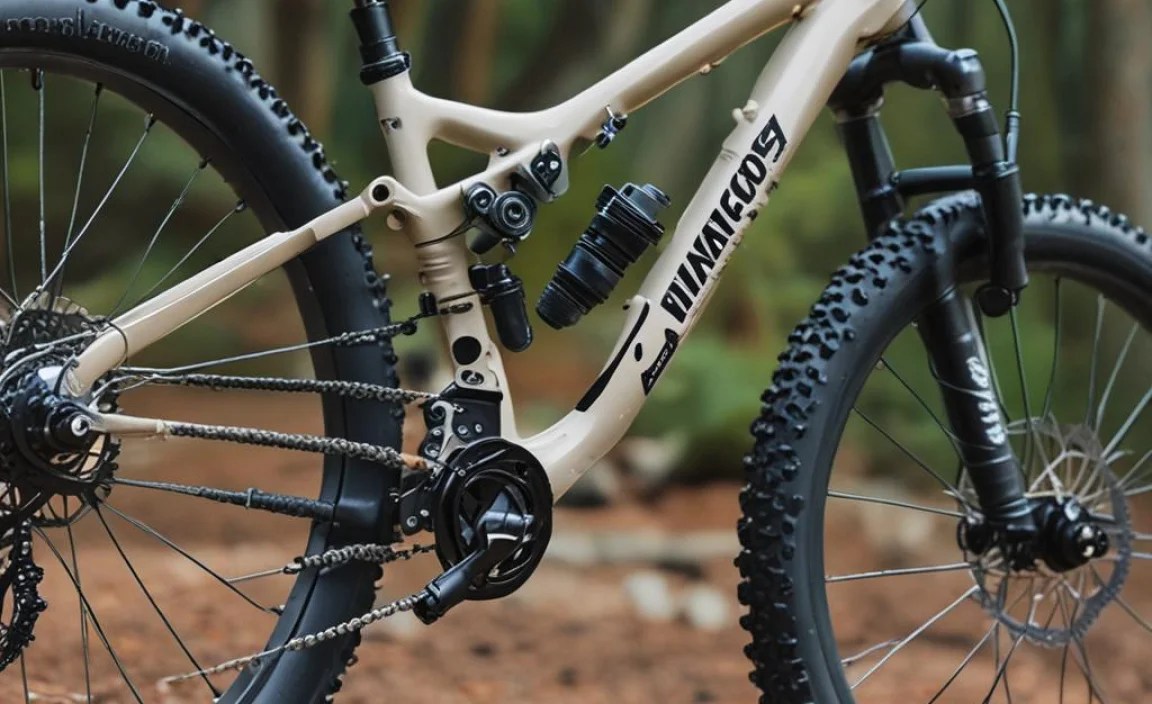
When learning how to use shock pump for hardtail vs full-suspension bikes, people make mistakes. One common mistake is using the wrong pump. A regular tire pump will not work. You need a special shock pump. Shock pumps have a smaller volume and a more precise gauge. Another mistake is over-tightening the pump. This can damage the valve. Just tighten it until it is snug. Not checking the PSI is another mistake. Always check the PSI before and after pumping. This ensures you have the right pressure. Forgetting to release air slowly is also a problem. Releasing air too quickly can cause the PSI to drop too much. Finally, not reading the manual is a big mistake. The manual has important information about your bike’s suspension. Avoid these mistakes to keep your suspension working well.
- Using a regular tire pump instead of a shock pump.
- Over-tightening the pump onto the valve.
- Forgetting to check the PSI before and after pumping.
- Releasing air too quickly, causing pressure drops.
- Ignoring the bike’s manual for recommended settings.
Why is it important to avoid these mistakes? Mistakes can damage your suspension. They can also make your ride uncomfortable. Imagine trying to drive a car with flat tires. It would be difficult and dangerous. The same is true for your bike. If your suspension is not set up correctly, the ride will be unpleasant. You might also damage your bike. Learning to avoid these mistakes is like learning to ride a bike. It takes practice, but it is worth it. Once you know what to avoid, you can set up your suspension like a pro. So, pay attention to these common mistakes. They can save you time, money, and frustration.
Fun Fact or Stat: A damaged shock can cost hundreds of dollars to repair or replace, making proper maintenance with a shock pump essential!
Using a Regular Tire Pump
Why can’t you use a regular tire pump on your shocks? Regular tire pumps deliver a large volume of air. This is great for filling tires quickly. But it is not good for shocks. Shocks require small, precise adjustments. A regular tire pump will overfill the shock very easily. It is hard to control the PSI. Also, regular tire pumps do not have a precise gauge. It is hard to tell how much air you are adding. This can lead to overfilling or underfilling the shock. Always use a shock pump. It is designed for this purpose. It delivers small amounts of air and has a precise gauge. This makes it easy to adjust the PSI accurately.
Over-Tightening the Pump
What happens if you over-tighten the shock pump? You can damage the valve. The valve is a delicate part. It can be easily broken. Overtightening the pump can strip the threads on the valve. This makes it impossible to attach the pump properly. It can also damage the seal inside the valve. This can cause air to leak out. Always tighten the pump gently. Turn it until it is snug. Do not force it. If it feels tight, stop turning. It is better to be too loose than too tight. A loose pump can be tightened. A damaged valve needs to be repaired or replaced.
Ignoring the Bike’s Manual
Why is it important to read your bike’s manual? The manual has important information about your bike. It tells you the recommended PSI for your shocks. It also tells you how to adjust the suspension. Ignoring the manual is like ignoring a map. You might get lost. The manual is your guide to setting up your bike properly. It can help you avoid mistakes. It can also help you get the most out of your suspension. Take the time to read the manual. It is worth it. It can save you time, money, and frustration. It can also help you stay safe on the trails.
Maintaining Your Shock Pump
Taking care of your shock pump is key. It helps it last longer. A well-maintained pump works better. Clean it regularly. Wipe off dirt and grime. Use a clean cloth. Store it in a safe place. Keep it away from moisture. Moisture can damage the seals. Check the hose for cracks. Replace it if needed. Lubricate the pump occasionally. Use a silicone-based lubricant. This keeps the parts moving smoothly. Also, check the pressure gauge. Make sure it is accurate. If it is not, get it repaired. These simple steps will keep your shock pump in good condition. They will also help you get the most out of your suspension. Understanding how to use shock pump for hardtail vs full-suspension bikes also means knowing how to take care of your tool.
- Clean the shock pump regularly with a clean cloth.
- Store the pump in a dry and safe location.
- Check the hose for cracks and replace if necessary.
- Lubricate the pump with silicone-based lubricant.
- Ensure the pressure gauge is accurate and functional.
Why is it important to maintain your shock pump? A well-maintained pump is more accurate. It is also more reliable. Imagine trying to cook with a broken oven. It would be difficult to get the food just right. The same is true for your suspension. If your shock pump is not working properly, it is hard to set up your suspension accurately. This can lead to an uncomfortable ride. It can also damage your shocks. Taking care of your shock pump is like taking care of your bike. It shows that you care about your equipment. It also helps you get the most out of your riding experience. So, take the time to maintain your shock pump. It will pay off in the long run.
Fun Fact or Stat: A high-quality, well-maintained shock pump can last for many years, providing accurate and reliable performance for countless rides!
Cleaning the Shock Pump
How do you clean your shock pump? First, gather your supplies. You will need a clean cloth and some mild soap. Do not use harsh chemicals. They can damage the pump. Dampen the cloth with water. Add a small amount of soap. Wipe down the pump, paying attention to the hose and the gauge. Remove any dirt or grime. Rinse the cloth with clean water. Wipe the pump again to remove any soap residue. Let the pump air dry completely before storing it. This prevents rust and corrosion. Cleaning your shock pump regularly keeps it working well.
Storing the Shock Pump
How should you store your shock pump? Store it in a dry, safe place. Avoid storing it in direct sunlight. Sunlight can damage the hose and the gauge. Do not store it in a damp place. Moisture can cause rust and corrosion. A good place to store your shock pump is in a toolbox or a drawer. You can also hang it on a hook in your garage. Just make sure it is protected from the elements. Storing your shock pump properly keeps it in good condition.
Checking the Pressure Gauge
How do you check the pressure gauge on your shock pump? Compare it to another gauge. If you have a friend with a shock pump, compare the readings. If they are different, one of the gauges might be inaccurate. You can also take your pump to a bike shop. They can check the gauge for you. If the gauge is inaccurate, it needs to be repaired or replaced. An accurate gauge is essential for setting up your suspension properly. It ensures you have the right PSI in your shocks.
Summary
Using a shock pump is important for bike maintenance. It helps you adjust your bike’s suspension. This makes your ride smoother and more comfortable. Hardtail bikes and full-suspension bikes need different setups. Hardtails have suspension only in the front. Full-suspension bikes have it in the front and back. Understanding how to use shock pump for hardtail vs full-suspension bikes is key. You need to know how to adjust the PSI. PSI stands for pounds per square inch. The right PSI depends on your weight and riding style. Always check your bike’s manual for recommendations. A shock pump lets you fine-tune your suspension. It also helps you stay safe on the trails. Remember to maintain your shock pump. Clean it regularly and store it properly. This keeps it working well for years to come.
Conclusion
Learning how to use a shock pump makes your rides better. You can adjust your suspension for any trail. Hardtail and full-suspension bikes need different settings. Knowing the right PSI is important. This keeps you safe and comfortable. With a little practice, you can become a suspension expert. So, grab your shock pump and get ready to ride! Enjoy the smooth and controlled ride that comes with a properly adjusted suspension. Remember, understanding how to use shock pump for hardtail vs full-suspension bikes empowers you to optimize your bike’s performance.
Frequently Asked Questions
Question No 1: What is a shock pump, and why do I need one?
Answer: A shock pump is a special air pump. It is made for adjusting the air pressure in bike shocks. These shocks are on hardtail and full-suspension bikes. Regular tire pumps cannot do this job. A shock pump lets you fine-tune your suspension. This makes your ride smoother and more comfortable. It also helps you stay in control. If you have a bike with air suspension, you need a shock pump. It is an important tool for bike maintenance. It ensures your suspension is working properly. Knowing how to use shock pump for hardtail vs full-suspension bikes is very useful for performance and safety.
Question No 2: How often should I check the air pressure in my bike’s shocks?
Answer: You should check the air pressure often. Check it before each ride. Air pressure can change over time. Temperature changes can also affect it. If you ride often, check it at least once a week. This helps you keep your suspension dialed in. The right air pressure makes a big difference. It improves your comfort and control. It also helps protect your shocks from damage. So, make it a habit to check your air pressure. This ensures your bike is always ready to ride. Remember, learning how to use shock pump for hardtail vs full-suspension bikes includes regular maintenance.
Question No 3: Can I use a regular tire pump to inflate my bike’s shocks?
Answer: No, you cannot use a regular tire pump. Tire pumps deliver a large amount of air quickly. This is good for tires. But it is not good for shocks. Shocks need small, precise adjustments. A tire pump will overfill the shock. It is also hard to control the PSI. Use a shock pump instead. It is designed for this purpose. It delivers small amounts of air and has a precise gauge. This makes it easy to adjust the PSI accurately. Using the right tool is key. This ensures you do not damage your shocks. That’s why how to use shock pump for hardtail vs full-suspension bikes requires the right equipment.
Question No 4: What does PSI mean, and why is it important?
Answer: PSI stands for pounds per square inch. It is a measure of air pressure. Your bike’s shocks use air pressure to support your weight. The right PSI makes your ride smooth and controlled. Too little PSI, and the suspension will bottom out. Too much PSI, and the ride will be harsh. Finding the right balance is important. Your bike’s manual will give you a starting point. It will suggest a PSI range based on your weight. Use your shock pump to adjust the pressure. Understanding PSI is key to setting up your suspension. This makes your ride more enjoyable and safe. So, learning about PSI is worth the effort. It goes hand-in-hand with how to use shock pump for hardtail vs full-suspension bikes.
Question No 5: How do I know what PSI is right for my weight and riding style?
Answer: Start by checking your bike’s manual. It will have a chart with recommended PSI based on your weight. This is a good starting point. From there, you can adjust based on your riding style. If you ride aggressively, you might want more PSI. This will make the suspension stiffer. If you ride more casually, you might want less PSI. This will make the suspension softer. Experiment to find what feels best for you. Make small adjustments and test the bike. It might take a few tries to find the perfect setting. Remember, knowing how to use shock pump for hardtail vs full-suspension bikes means finding the right PSI for you.
Question No 6: What are some common mistakes to avoid when using a shock pump?
Answer: There are several common mistakes. One is using the wrong pump. A regular tire pump will not work. Another is over-tightening the pump. This can damage the valve. Not checking the PSI is also a mistake. Always check the PSI before and after pumping. Forgetting to release air slowly is another problem. Releasing air too quickly can cause the PSI to drop too much. Finally, not reading the manual is a big mistake. The manual has important information. Avoiding these mistakes will help you. It keeps your suspension working well. This also allows you to fully use what you’ve learned about how to use shock pump for hardtail vs full-suspension bikes.


