How to Upgrade From Tyre Pump to Dedicated Shock Pump: Easy!

Do you love riding your bike? Do you ever wonder how to upgrade from tyre pump to dedicated shock pump? It might seem tricky. But it is easier than you think! Let’s explore why it’s a great idea.
Have you ever tried to use a regular pump for your bike’s shocks? It can be hard to get the right pressure. A shock pump makes it much easier. It gives you more control. Let’s see how you can do it.
Imagine your bike riding smoother. A shock pump can help with that. Let’s find out how to make the switch!
Key Takeaways
- Upgrading to a shock pump improves your bike’s suspension performance a lot.
- A shock pump lets you adjust air pressure with greater control.
- Using a shock pump prevents damage to your bike’s delicate air valves.
- Knowing how to upgrade from tyre pump to dedicated shock pump enhances your ride.
- A dedicated shock pump gives more precise pressure adjustments.
Why Upgrade to Dedicated Shock Pump?

Upgrading to a dedicated shock pump is a smart move for serious riders. Regular tyre pumps aren’t designed for the low-volume, high-pressure needs of bike shocks. A shock pump has a special design. It lets you add small amounts of air. This helps you fine-tune your suspension. It also has a gauge that shows the pressure very accurately. This accuracy is super important for getting the best performance from your shocks. Using a regular tyre pump can be risky. You might over-inflate the shocks. This could damage them. A shock pump makes adjusting your suspension easier and safer. It also gives you a smoother, more controlled ride. This can make a big difference on tough trails.
- Shock pumps offer precise pressure control.
- They protect your bike’s suspension.
- Regular pumps can damage shocks.
- A shock pump improves ride quality.
- They make adjustments easier.
- Shock pumps have accurate gauges.
Think about how a musician tunes an instrument. They make small adjustments to get the perfect sound. A shock pump lets you do the same thing with your bike’s suspension. You can make small changes to get the perfect feel. This can help you ride better and have more fun. Plus, using the right tool shows you care about your bike. It’s like giving your bike a little extra love. This can also help your bike last longer.
Fun Fact or Stat: Professional mountain bikers adjust their shock pressure before nearly every race to optimize performance.
What is Bike Suspension?
Bike suspension is like the springs in a car. It helps your bike absorb bumps. This makes your ride smoother and more comfortable. Without suspension, every bump would feel really harsh. Your bike would bounce around a lot. Suspension uses springs or air to cushion the ride. Air suspension is common in mountain bikes. It lets you adjust how soft or firm the suspension feels. This is where a shock pump comes in handy. It lets you add or remove air to change the suspension. This helps you customize your ride for different trails. A good suspension system can make a big difference in how much fun you have riding.
Why is Accurate Pressure Important?
Have you ever tried riding a bike with flat tyres? It’s really hard! The same idea applies to bike suspension. Accurate pressure is super important for good performance. If the pressure is too low, the suspension will feel too soft. It might bottom out on big bumps. This means it uses all its travel and hits the end. If the pressure is too high, the suspension will feel too stiff. It won’t absorb bumps well. Finding the right pressure is like finding the sweet spot. It gives you the best balance of comfort and control. A shock pump helps you find that sweet spot. It lets you make small adjustments until it feels just right.
Can a Tyre Pump Damage Shocks?
Yes, a tyre pump can damage your bike’s shocks. Tyre pumps push a lot of air at once. Shocks need small, precise amounts of air. A tyre pump can easily over-inflate a shock. This can blow out seals or damage other parts. Shock pumps are designed to prevent this. They have a special valve that lets you add air slowly. They also have a gauge that shows the pressure very accurately. Using a tyre pump on a shock is like using a hammer to tighten a screw. It might work, but it’s not the right tool. It could easily cause damage. A shock pump is the right tool for the job. It’s safer and more effective.
Understanding Tyre Pumps and Shock Pumps

Tyre pumps and shock pumps might look similar. But they do very different jobs. A tyre pump moves a lot of air quickly. It fills up the large volume of a tyre. A shock pump moves a small amount of air very slowly. It allows for precise pressure adjustments. Shock pumps have special features. These features are designed to protect the delicate parts of your bike’s suspension. They often have a “no-loss” valve. This valve keeps air from escaping when you disconnect the pump. Tyre pumps don’t have this feature. Using a tyre pump on a shock can be risky. It can easily lead to over-inflation and damage. Understanding the differences between these pumps is key to maintaining your bike.
- Tyre pumps fill large volumes quickly.
- Shock pumps adjust pressure precisely.
- Shock pumps have “no-loss” valves.
- Tyre pumps lack precise control.
- Using the right pump is essential.
- They protect your bike’s components.
Imagine trying to fill a balloon with a fire hose. That’s kind of like using a tyre pump on a shock. You’d quickly overfill it and it would burst. A shock pump is like using a small straw to gently inflate the balloon. It gives you much more control. This control is important because bike shocks are sensitive. They need the right amount of air to work properly. Using the wrong pump can be a costly mistake.
Fun Fact or Stat: The air pressure in a bike shock is often measured in PSI (pounds per square inch), just like car tyres.
What is a “No-Loss” Valve?
A “no-loss” valve is a special feature on shock pumps. It prevents air from escaping when you remove the pump. When you disconnect a regular pump, a little air always leaks out. This can change the pressure in the shock. A “no-loss” valve keeps the valve closed until you fully disconnect the pump. This ensures the pressure stays exactly where you set it. This is important for making small, accurate adjustments. It can be frustrating to lose air every time you disconnect the pump. A “no-loss” valve makes the process much easier and more precise.
Why is Volume Important?
Volume refers to how much air a pump moves with each push. Tyre pumps move a lot of air because tyres have a large volume. Shocks have a very small volume. They don’t need much air to change the pressure. Using a high-volume pump on a shock can cause problems. It’s easy to add too much air too quickly. This can damage the shock or make it hard to get the right pressure. Shock pumps have a small volume. This gives you better control over the air pressure. It lets you make small, precise adjustments. This is essential for fine-tuning your suspension.
How Does a Gauge Help?
A gauge is like a speedometer for air pressure. It shows you exactly how much pressure is in the shock. This is super important because small changes in pressure can make a big difference. A good gauge is accurate and easy to read. Some gauges are digital. They show the pressure as a number. Other gauges are analog. They use a needle to point to the pressure. Either way, a gauge helps you set the pressure correctly. It also helps you keep track of how the pressure changes over time. This can help you spot problems with your suspension. A gauge is an essential part of a shock pump.
Choosing the Right Shock Pump
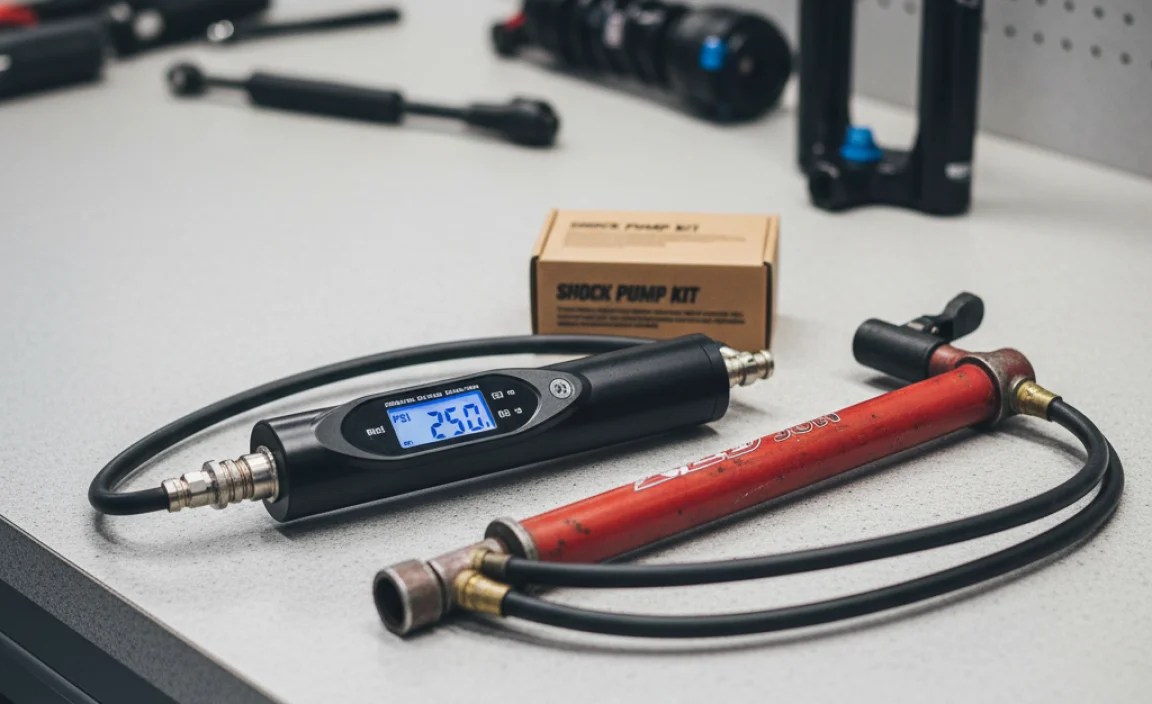
Choosing the right shock pump is important. Not all shock pumps are the same. Some are better than others. Look for a pump with an accurate gauge. This will help you set the pressure correctly. Consider a pump with a “no-loss” valve. This will prevent air from escaping when you disconnect the pump. Think about the size and weight of the pump. A smaller, lighter pump is easier to carry with you on rides. Read reviews from other riders. This can help you learn about the pros and cons of different pumps. Investing in a good shock pump is worth it. It will help you keep your suspension in top condition.
- Check gauge accuracy.
- Look for a “no-loss” valve.
- Consider size and weight.
- Read reviews from other riders.
- Invest in quality.
- Ensure it fits your shock valve.
Imagine you’re buying a new video game. You wouldn’t just pick the first one you see. You’d probably read reviews and compare different games. Choosing a shock pump is similar. You want to do your research and find the best one for your needs. A little bit of effort can save you money and frustration in the long run. Plus, a good shock pump will make your rides more enjoyable.
Fun Fact or Stat: Some high-end shock pumps have digital gauges that can store pressure settings for different bikes or riders.
What Makes a Gauge Accurate?
An accurate gauge shows the true air pressure in your shock. Some gauges are off by a few PSI. This can make it hard to set the pressure correctly. Look for a gauge that is known for its accuracy. Read reviews to see what other riders say about the gauge. A good gauge will be easy to read. The numbers should be clear and the needle should move smoothly. Some gauges have a magnifying lens to make them easier to see. Investing in an accurate gauge is worth it. It will help you get the most out of your suspension.
Why is Size and Weight Important?
Size and weight are important if you plan to carry your shock pump with you on rides. A large, heavy pump can be a pain to carry. It can take up a lot of space in your backpack. A smaller, lighter pump is much more convenient. You can easily slip it into your bag or even attach it to your bike frame. Consider how often you’ll be carrying the pump. If you only use it at home, size and weight might not be as important. But if you like to make adjustments on the trail, a compact pump is a good choice.
Do All Pumps Fit All Shocks?
No, not all shock pumps fit all shocks. Most shock pumps have a standard Schrader valve. This is the same type of valve used on car tyres. However, some shocks use a different type of valve. Make sure the pump you choose is compatible with your shock’s valve. Check the product description or ask a bike shop for help. Using the wrong pump can damage the valve or make it impossible to inflate the shock. It’s always better to be safe than sorry. Double-check compatibility before you buy a shock pump.
Step-by-Step: Using a Shock Pump
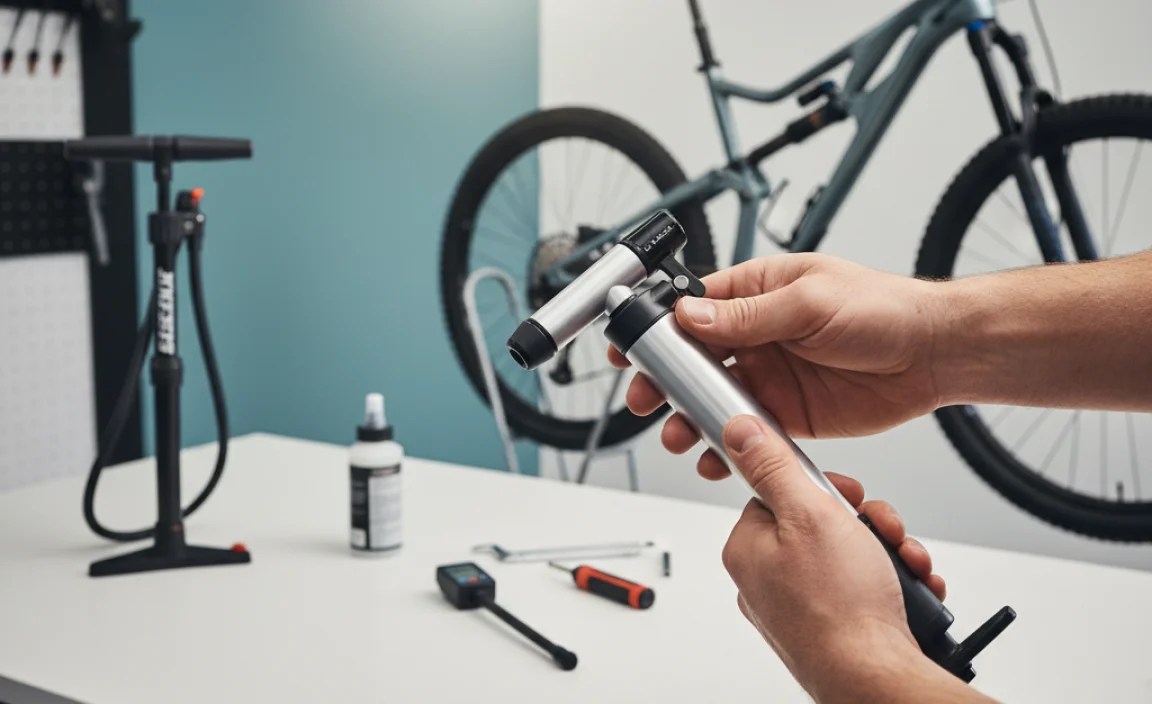
Using a shock pump is easy. First, find the valve on your bike’s shock. It usually has a small cap. Remove the cap. Attach the shock pump to the valve. Make sure it’s on tight. Some pumps have a lever to lock them in place. Start pumping slowly. Watch the gauge. Stop when you reach the desired pressure. Use the pump’s bleed valve to release small amounts of air. This helps you fine-tune the pressure. Once you’re happy with the pressure, disconnect the pump. Put the cap back on the valve. That’s it! You’ve successfully used a shock pump.
- Find the shock valve.
- Attach the pump securely.
- Pump slowly and watch the gauge.
- Use the bleed valve to adjust.
- Disconnect and replace the cap.
- Double-check the pressure.
Imagine you’re baking a cake. You wouldn’t just throw all the ingredients together and hope for the best. You’d follow a recipe step by step. Using a shock pump is similar. Following the steps carefully will help you get the best results. Don’t rush the process. Take your time and pay attention to the details. This will help you avoid mistakes and keep your suspension in good shape.
Fun Fact or Stat: Some shock pumps have a rotating hose to make it easier to reach the valve at different angles.
How Do You Find the Valve?
The valve on your bike’s shock is usually easy to find. It’s a small, metal fitting with a cap on it. The valve is usually located on the top or bottom of the shock. Look for a small, round cap. This cap protects the valve from dirt and damage. If you’re not sure where the valve is, check your bike’s owner’s manual. It should have a diagram showing the location of all the important parts. You can also ask a bike shop for help. They can point out the valve and show you how to use a shock pump.
What is a Bleed Valve?
A bleed valve is a small button or screw on the shock pump. It lets you release small amounts of air from the shock. This is useful for fine-tuning the pressure. It’s easy to add too much air by accident. The bleed valve lets you take some air out. Press the bleed valve gently to release a small amount of air. Watch the gauge to see how much the pressure drops. Release air slowly until you reach the desired pressure. A bleed valve is an essential part of a good shock pump.
What Pressure Should You Use?
The correct pressure for your bike’s shock depends on a few things. It depends on your weight, your riding style, and the type of shock. Check your bike’s owner’s manual for recommended pressure settings. Most shock manufacturers also have online guides. These guides can help you find the right pressure for your needs. Start with the recommended pressure and then adjust it to your liking. If the suspension feels too soft, add more air. If it feels too stiff, release some air. Experiment until you find the pressure that works best for you.
Maintaining Your Shock Pump
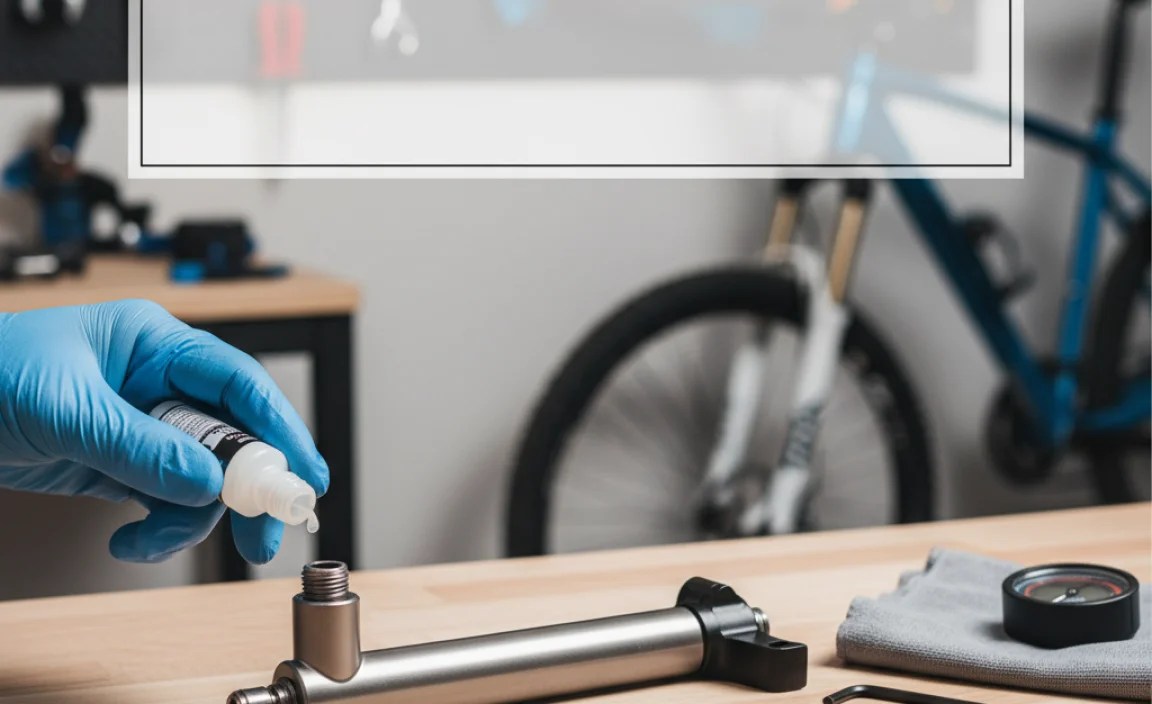
Maintaining your shock pump will keep it working well for years. Keep it clean and dry. Wipe it down after each use. Store it in a safe place. This will protect it from damage. Check the hose and fittings regularly. Make sure they are tight and in good condition. If the gauge seems inaccurate, have it checked by a professional. Replace any worn or damaged parts. A little bit of care will go a long way. It will help you keep your suspension in top condition.
- Keep the pump clean and dry.
- Store it in a safe place.
- Check the hose and fittings.
- Have the gauge checked regularly.
- Replace worn parts.
- Avoid extreme temperatures.
Think about your favourite toy. You probably take good care of it. You don’t want it to break. Your shock pump is a tool that helps you take care of your bike. Treating it well will help it last longer. Plus, a well-maintained pump is more accurate and reliable. This means you can trust it to give you the right pressure every time.
Fun Fact or Stat: Some shock pumps come with a carrying case to protect them from dust and dirt.
How Often Should You Check It?
You should check your shock pump regularly. Check it before each ride. Make sure the hose and fittings are tight. Look for any signs of damage. If you use the pump frequently, check it more often. A quick visual inspection can help you spot problems before they become serious. It’s also a good idea to have the gauge checked by a professional once a year. This will ensure it’s still accurate.
How Do You Clean a Shock Pump?
Cleaning a shock pump is easy. Use a clean, dry cloth to wipe it down. Remove any dirt or grime. Pay special attention to the hose and fittings. These areas can collect dirt easily. Avoid using harsh chemicals or solvents. These can damage the pump’s seals and other parts. If the pump is really dirty, you can use a mild soap and water solution. Be sure to rinse it thoroughly and let it dry completely before storing it.
What are Signs of Damage?
There are a few signs that your shock pump might be damaged. If the gauge is inaccurate, it could be a sign of a problem. If the hose is cracked or leaking, it needs to be replaced. If the pump is hard to use or doesn’t seem to be pumping air, it could be clogged. Look for any signs of wear and tear. If you notice any of these problems, have the pump checked by a professional. It’s better to fix a small problem before it becomes a big one.
Troubleshooting Common Issues
Sometimes things go wrong. Your shock pump might not work properly. Here are some common issues and how to fix them. If the pump isn’t pumping air, check the hose and fittings. Make sure they are tight. If the gauge isn’t working, it might need to be replaced. If the pump is leaking air, check the seals. They might be worn or damaged. If you can’t fix the problem yourself, take the pump to a bike shop. They can diagnose the issue and make the necessary repairs.
- Check hose and fittings.
- Replace a faulty gauge.
- Inspect seals for leaks.
- Take it to a bike shop if unsure.
- Ensure proper valve connection.
- Read the pump’s manual.
Imagine you’re trying to start a car. It won’t start. You wouldn’t just give up. You’d check the battery, the fuel, and other things. Troubleshooting a shock pump is similar. You need to look for the cause of the problem and try different solutions. Don’t be afraid to experiment. But if you’re not sure what you’re doing, it’s always best to ask for help.
Fun Fact or Stat: Some shock pumps have a built-in pressure release valve to prevent over-inflation.
What if the Gauge Isn’t Working?
If the gauge on your shock pump isn’t working, the first thing to do is check the battery. Some gauges are powered by batteries. If the battery is dead, the gauge won’t work. Replace the battery and see if that fixes the problem. If the gauge still isn’t working, it might be damaged. You can try cleaning the gauge with a soft cloth. But if that doesn’t work, you’ll probably need to replace the gauge. You can buy a replacement gauge online or at a bike shop.
What if the Pump is Leaking Air?
If your shock pump is leaking air, the problem is likely with the seals. The seals are small rubber rings that prevent air from escaping. Over time, these seals can wear out or become damaged. You can try replacing the seals yourself. You can buy a seal kit online or at a bike shop. Follow the instructions in the kit to replace the seals. If you’re not comfortable doing it yourself, take the pump to a bike shop. They can replace the seals for you.
What if the Pump Won’t Connect?
If your shock pump won’t connect to the shock valve, make sure you’re using the right type of valve. Most shocks use a Schrader valve. Some shocks use a Presta valve. These valves are different sizes and shapes. Make sure your pump is compatible with the type of valve on your shock. If you’re using the right type of valve, check the valve for damage. If the valve is bent or broken, it might not be possible to connect the pump. You’ll need to replace the valve.
Shock Pump vs. CO2 Inflator
A shock pump and a CO2 inflator are two different tools. They both inflate things, but they work in different ways. A shock pump uses air to inflate your bike’s shocks. You pump the handle to force air into the shock. A CO2 inflator uses a cartridge of compressed carbon dioxide gas. You attach the inflator to the valve and release the gas. CO2 inflators are faster and more convenient. But they don’t give you as much control over the pressure. Shock pumps are more precise and reliable. They are also better for making small adjustments. Both tools have their pros and cons. The best choice depends on your needs and preferences.
| Feature | Shock Pump | CO2 Inflator |
|---|---|---|
| Air Source | Manual pumping | CO2 Cartridge |
| Pressure Control | Precise | Less precise |
| Portability | Compact, but requires effort | Very portable, quick inflation |
| Cost | Initial cost, no refills | Initial cost plus cartridge refills |
| Environmental Impact | Low | Higher due to cartridge waste |
Imagine you’re filling a glass of water. A shock pump is like using a small pitcher. You can pour the water slowly and carefully. A CO2 inflator is like turning on a fire hose. You can fill the glass quickly, but you might spill some water. Both methods work, but they are best suited for different situations. Choose the tool that best fits your needs.
Fun Fact or Stat: CO2 inflators can inflate a tyre or shock much faster than a hand pump, but the CO2 can leak out over time.
When to Use a CO2 Inflator?
A CO2 inflator is a good choice when you need to inflate a tyre or shock quickly. They are often used by racers and other riders who need to get back on the trail as soon as possible. CO2 inflators are also good for emergency repairs. If you get a flat tyre in the middle of nowhere, a CO2 inflator can help you get back to civilization. However, CO2 inflators are not as precise as shock pumps. They are not the best choice for making small adjustments to your suspension.
Is a Shock Pump Always Better?
No, a shock pump is not always better than a CO2 inflator. It depends on the situation. A shock pump is better for making precise adjustments to your suspension. It’s also better for riders who want to save money and reduce waste. A CO2 inflator is better for riders who need to inflate a tyre or shock quickly. It’s also better for emergency repairs. Both tools have their advantages and disadvantages. The best choice depends on your needs and preferences.
Can You Use Both Together?
Yes, you can use both a shock pump and a CO2 inflator together. Some riders carry both tools with them on rides. They use the CO2 inflator to inflate a tyre quickly after a flat. Then, they use the shock pump to fine-tune the pressure. This gives them the best of both worlds. They get the speed and convenience of a CO2 inflator. They also get the precision and control of a shock pump. Using both tools together can be a good strategy for serious riders.
Summary
Upgrading from a tyre pump to a dedicated shock pump is a great idea for any serious cyclist. Shock pumps offer much more precise pressure control. This is important for getting the best performance from your bike’s suspension. They also have features that protect your shocks from damage. Tyre pumps are not designed for the low-volume, high-pressure needs of bike shocks. Using a shock pump is easy. Following the steps carefully will help you get the best results. Maintaining your shock pump will keep it working well for years. There are also ways to troubleshoot any common issues.
Choosing the right shock pump is important. Look for a pump with an accurate gauge and a “no-loss” valve. Consider the size and weight of the pump. A shock pump is a valuable tool for any cyclist. It helps you keep your suspension in top condition. It also helps you enjoy a smoother, more comfortable ride. It’s an investment that enhances your overall cycling experience.
Conclusion
Using a dedicated shock pump will improve your bike rides. It helps you adjust your suspension better than a tyre pump. You will have more control over the pressure in your shocks. This means a smoother and more comfortable ride. Learning how to upgrade from tyre pump to dedicated shock pump is a worthwhile investment. It will help you get the most out of your bike. So, get yourself a shock pump and enjoy the ride!
Frequently Asked Questions
Question No 1: Why can’t I just use my regular tyre pump for my bike’s shocks?
Answer: Regular tyre pumps aren’t made for the small amount of air needed in bike shocks. They push too much air at once. This can make it hard to get the pressure just right. You might even put too much air in and damage the shock. Shock pumps have a special design. They let you add air slowly and carefully. This helps you fine-tune your suspension and keep your shocks safe. Upgrading from tyre pump to dedicated shock pump will allow you to have a better and safer experience.
Question No 2: What is a “no-loss” valve, and why is it important on a shock pump?
Answer: A “no-loss” valve is a special part on some shock pumps. It stops air from escaping when you take the pump off the shock. When you use a regular pump, a little air leaks out when you disconnect it. This can change the pressure you set. A “no-loss” valve keeps the air in. It makes sure the pressure stays exactly where you want it. This is super important for making small, accurate changes to your suspension. Therefore it is recommended to consider this factor when you are thinking about how to upgrade from tyre pump to dedicated shock pump.
Question No 3: How do I know what pressure to put in my bike’s shocks?
Answer: Finding the right pressure for your shocks is key. Check your bike’s owner’s manual for recommended settings. It usually has a chart that tells you what pressure to use based on your weight. You can also find information on the shock manufacturer’s website. Start with the recommended pressure. Then, adjust it to fit your riding style. If the suspension feels too soft, add more air. If it feels too stiff, let some air out. Experiment until you find the pressure that feels best for you.
Question No 4: Can using the wrong pressure damage my bike’s shocks?
Answer: Yes, using the wrong pressure can hurt your bike’s shocks. Too little pressure can make the shocks bottom out. This means they hit the end of their travel too easily. Too much pressure can make the ride harsh and stiff. It can also put extra stress on the shock’s seals. This can cause them to wear out faster. Using the right pressure helps your shocks work properly. It also keeps them in good shape for longer. That is why it is important to know how to upgrade from tyre pump to dedicated shock pump.
Question No 5: How often should I check and adjust the pressure in my bike’s shocks?
Answer: You should check the pressure in your shocks regularly. Check it before each ride. Air can leak out over time. This can change the way your suspension feels. Checking the pressure often helps you keep your suspension working its best. If you notice the ride feels different, check the pressure right away. Making small adjustments often is better than waiting until the pressure is way off.
Question No 6: What are some signs that my shock pump needs to be replaced?
Answer: There are a few signs that your shock pump might need replacing. If the gauge isn’t accurate, it’s time for a new pump. If the pump is leaking air, the seals might be worn out. If the pump is hard to use or doesn’t seem to be pumping air, it could be clogged. Also, if you’re considering how to upgrade from tyre pump to dedicated shock pump it is worth investing in a high-quality shock pump. A good pump will last longer and give you more accurate pressure readings.