
Why Is My Heat Pump Short Cycling in Heat Mode? A Simple Guide

Quick Summary: A heat pump short cycles when it turns on and off too frequently, not completing a full heating cycle. Common causes include dirty air filters, frozen coils, refrigerant leaks, electrical issues, or an oversized unit. Regular maintenance, like filter replacement and coil cleaning, can often resolve the problem. If issues persist, consult an HVAC professional.
Is your heat pump turning on and off more often than it should? This is called short cycling, and it’s a common problem that can leave you feeling cold and frustrated. Not only does it prevent your home from staying at a comfortable temperature, but it also wastes energy and can shorten the lifespan of your heat pump. The good news is, you can often fix it yourself with a few simple checks. This guide will walk you through the most common causes of short cycling and provide easy-to-follow steps to get your heat pump running smoothly again. Let’s get started and get your home warm again!
Understanding Heat Pump Short Cycling

Short cycling is when your heat pump starts a heating cycle but shuts off before completing it. Instead of running steadily to maintain your desired temperature, it repeatedly turns on and off in short bursts. This not only makes your home uncomfortable but also puts extra strain on the heat pump components.
Why Short Cycling Is a Problem
Here’s why addressing short cycling is important:
- Reduced Comfort: The constant on-and-off cycle prevents your home from reaching and maintaining a consistent, comfortable temperature.
- Increased Energy Bills: Starting a heat pump requires a surge of energy. Short cycling means more frequent starts, leading to higher energy consumption.
- Equipment Damage: The repeated starting and stopping puts extra stress on the compressor and other components, potentially leading to premature failure.
- Reduced Lifespan: Short cycling can significantly shorten the lifespan of your heat pump, requiring you to replace it sooner than expected.
Common Causes of Heat Pump Short Cycling in Heat Mode

Several factors can cause your heat pump to short cycle. Here’s a breakdown of the most common culprits:
1. Dirty Air Filter
A clogged air filter is one of the most frequent causes of short cycling. When the filter is dirty, it restricts airflow, causing the heat pump to overheat and shut down prematurely.
Solution:
- Locate your air filter (usually near the indoor unit or in the return air vent).
- Remove the old filter.
- Replace it with a new, clean filter of the correct size and type.
- Check your filter monthly and replace it every 1-3 months, or more often if you have pets or allergies.
2. Frozen Outdoor Coil
In cold weather, the outdoor coil can freeze. While some ice is normal, excessive ice buildup can restrict airflow and cause the heat pump to short cycle.
Solution:
- Check the outdoor unit for ice buildup.
- If there’s a thick layer of ice, try defrosting the unit by turning it off and running the fan only.
- Ensure proper drainage around the unit to prevent ice from reforming.
- If the problem persists, you may have a refrigerant leak or a faulty defrost cycle, requiring professional help.
3. Refrigerant Leaks
Refrigerant is essential for the heat pump to transfer heat. A leak can reduce the system’s efficiency and cause it to short cycle.
Solution:
Refrigerant leaks require professional attention. Contact an HVAC technician to locate and repair the leak, then recharge the system with the correct amount of refrigerant.
4. Electrical Issues
Faulty wiring, a bad capacitor, or a failing contactor can all cause electrical problems that lead to short cycling.
Solution:
Electrical issues can be dangerous. It’s best to hire a qualified electrician or HVAC technician to diagnose and repair any electrical problems in your heat pump system.
5. Oversized Heat Pump
If your heat pump is too large for your home, it will heat the space too quickly and then shut off, leading to short cycling. This is because it reaches the thermostat setting before properly dehumidifying the air or distributing heat evenly.
Solution:
An oversized heat pump is a significant issue. The best solution is to consult with an HVAC professional to determine the correct size heat pump for your home and potentially replace the existing unit with a properly sized one.
6. Thermostat Problems
A malfunctioning thermostat can send incorrect signals to the heat pump, causing it to turn on and off erratically.
Solution:
- Check the thermostat settings to ensure they are correct.
- Replace the thermostat batteries if it’s a battery-powered model.
- Make sure the thermostat is level and properly mounted.
- If the problem persists, consider replacing the thermostat with a new one.
7. Ductwork Issues
Leaky or poorly insulated ductwork can cause the heat pump to work harder and potentially short cycle. Leaks mean the heated air escapes before reaching the intended rooms, forcing the system to overwork.
Solution:
- Inspect your ductwork for visible leaks or damage.
- Seal any leaks with duct tape or mastic sealant.
- Insulate your ductwork, especially in unconditioned spaces like attics and crawl spaces.
Step-by-Step Guide to Troubleshooting Short Cycling

Here’s a detailed, step-by-step guide to help you troubleshoot and potentially fix a short-cycling heat pump:
Step 1: Preliminary Checks
- Check the Thermostat: Ensure the thermostat is set to “Heat” mode and the temperature is set correctly. Make sure the batteries are fresh if it’s a battery-powered thermostat.
- Inspect the Air Filter: Locate and visually inspect the air filter. If it looks dirty or clogged, replace it immediately.
- Examine the Outdoor Unit: Check the outdoor unit for any obvious obstructions, such as leaves, snow, or debris. Make sure the area around the unit is clear.
Step 2: Cleaning the Air Filter
A dirty air filter is a common cause of short cycling. Here’s how to clean or replace it:
- Locate the Air Filter: Air filters are usually found in the indoor unit or in the return air vent.
- Remove the Old Filter: Slide out the old filter. Note the direction of airflow (usually indicated by an arrow on the filter frame).
- Clean or Replace the Filter:
- Disposable Filters: Replace with a new filter of the same size and type.
- Washable Filters: Wash the filter with mild soap and water, rinse thoroughly, and allow it to dry completely before reinstalling.
- Reinstall the Filter: Slide the clean or new filter back into place, ensuring the airflow arrow points in the correct direction.
Step 3: Checking for Frozen Coils
A frozen outdoor coil can restrict airflow and cause short cycling.
- Inspect the Outdoor Coil: Look for excessive ice buildup on the outdoor coil. A thin layer of frost is normal, but thick ice indicates a problem.
- Defrost the Unit:
- Turn off the heat pump.
- Switch the thermostat to “Emergency Heat” or “Auxiliary Heat” mode (this will use electric resistance heat to warm your home).
- Run the fan only to help melt the ice.
- Monitor the Unit: Allow the unit to defrost completely. This may take several hours.
- Restart the Heat Pump: Once the ice is gone, switch the thermostat back to “Heat” mode and monitor the heat pump’s performance.
- Check for Underlying Issues: If the coil freezes frequently, there may be an underlying problem, such as a refrigerant leak or a faulty defrost cycle, requiring professional attention.
Step 4: Inspecting Ductwork
Leaky or poorly insulated ductwork can cause the heat pump to work harder and potentially short cycle.
- Locate Ductwork: Find the accessible ductwork in your home, typically in the attic, basement, or crawl spaces.
- Inspect for Leaks: Look for visible gaps, tears, or disconnections in the ductwork. Pay attention to joints and seams.
- Seal Leaks:
- Use duct tape or mastic sealant to seal any leaks you find.
- For larger gaps, consider using fiberglass mesh tape and mastic sealant.
- Insulate Ductwork:
- Wrap the ductwork with insulation, especially in unconditioned spaces.
- Secure the insulation with foil tape or straps.
Step 5: Checking Electrical Components (Proceed with Caution)
Warning: Working with electrical components can be dangerous. If you are not comfortable or experienced, it’s best to hire a qualified electrician or HVAC technician.
- Turn Off Power: Turn off the power to the heat pump at the breaker box.
- Inspect Wiring: Check for any loose or corroded wires. Tighten any loose connections.
- Check the Capacitor: The capacitor is a cylindrical component that helps start the motor. If it’s bulging or leaking, it needs to be replaced.
- Check the Contactor: The contactor is a switch that controls the flow of electricity to the compressor. If it’s burnt or damaged, it needs to be replaced.
- Replace Faulty Components: If you find any faulty components, replace them with new ones of the same type and rating.
- Restore Power: Turn the power back on at the breaker box.
Step 6: Monitoring and Adjustments
- Monitor Performance: After completing the above steps, monitor the heat pump’s performance. Pay attention to how frequently it cycles on and off.
- Adjust Thermostat Settings: Experiment with different thermostat settings to see if it affects the short cycling.
- Consider Professional Help: If the problem persists after trying these steps, it’s time to call a qualified HVAC technician.
Preventative Maintenance Tips
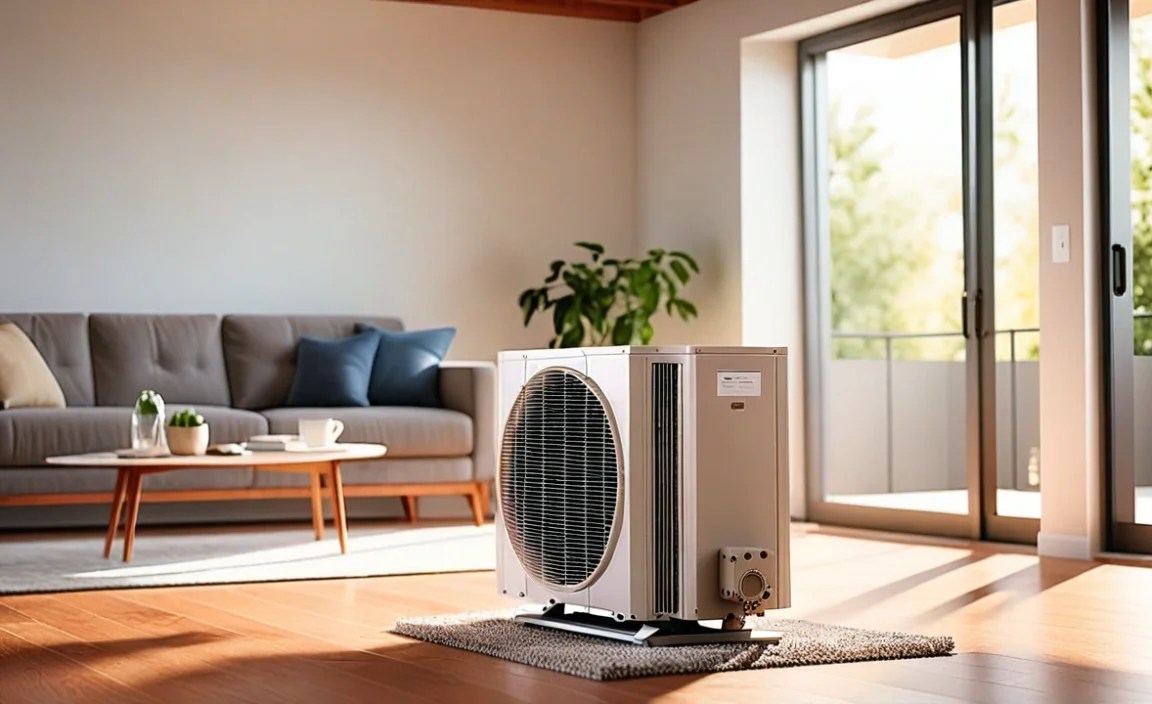
Preventing short cycling is always better than fixing it after it starts. Here are some preventative maintenance tips to keep your heat pump running smoothly:
- Regular Filter Replacement: Check and replace your air filter every 1-3 months, or more often if needed.
- Annual Professional Maintenance: Schedule an annual maintenance checkup with a qualified HVAC technician. They can inspect and clean the system, check refrigerant levels, and identify potential problems before they become major issues.
- Keep the Outdoor Unit Clean: Regularly clear any debris, leaves, or snow from around the outdoor unit.
- Monitor Performance: Pay attention to how your heat pump is performing. If you notice any unusual noises, smells, or performance issues, address them promptly.
When to Call a Professional
While many short cycling issues can be resolved with simple troubleshooting, some problems require professional attention. Here are some situations where it’s best to call an HVAC technician:
- Refrigerant Leaks: Refrigerant leaks require specialized equipment to locate and repair.
- Electrical Issues: Electrical problems can be dangerous and should be handled by a qualified electrician or HVAC technician.
- Compressor Problems: The compressor is the heart of the heat pump. If it’s failing, it’s best to have it diagnosed and repaired by a professional.
- Defrost Cycle Problems: If your heat pump is not defrosting properly, it could indicate a faulty defrost cycle, requiring professional repair.
- Persistent Short Cycling: If you’ve tried the troubleshooting steps and the heat pump continues to short cycle, it’s time to call a professional for further diagnosis and repair.
Troubleshooting Table
Here’s a quick reference table to help you diagnose and troubleshoot short cycling issues:
| Problem | Possible Cause | Solution |
|---|---|---|
| Short cycling | Dirty air filter | Replace the air filter |
| Short cycling | Frozen outdoor coil | Defrost the unit; check for underlying issues |
| Short cycling | Refrigerant leak | Call a professional for repair |
| Short cycling | Electrical issues | Call a professional for repair |
| Short cycling | Oversized heat pump | Consult with an HVAC professional |
| Short cycling | Thermostat problems | Check settings, replace batteries, or replace thermostat |
| Short cycling | Ductwork issues | Seal and insulate ductwork |
Cost Considerations
Addressing short cycling can involve various costs, depending on the cause of the problem. Here’s a breakdown of potential expenses:
| Repair | Estimated Cost |
|---|---|
| Air filter replacement | $5 – $30 |
| Thermostat replacement | $50 – $300 |
| Ductwork sealing and insulation | $100 – $500 |
| Refrigerant leak repair | $200 – $800 |
| Electrical repair | $100 – $500 |
| Compressor replacement | $800 – $2,000 |
| Heat pump replacement (oversized unit) | $3,000 – $7,000 |
| Annual maintenance checkup | $75 – $200 |
FAQ: Heat Pump Short Cycling
1. What does “short cycling” mean for a heat pump?
Short cycling is when your heat pump turns on and off too frequently, without completing a full heating or cooling cycle. It’s like it’s trying to do its job but keeps getting interrupted.
2. Can a dirty air filter really cause short cycling?
Yes, absolutely! A dirty filter restricts airflow, causing the heat pump to overheat and shut down early. Think of it like trying to breathe through a clogged mask.
3. How often should I replace my air filter?
Generally, every 1-3 months. If you have pets, allergies, or live in a dusty area, you might need to replace it more often.
4. What if I see ice on my outdoor heat pump unit?
A thin layer of frost is normal, but thick ice can be a problem. Try defrosting the unit. If it keeps happening, there might be a bigger issue, like a refrigerant leak.
5. Is it dangerous to work on my heat pump’s electrical components?
Yes, it can be! Unless you’re experienced with electrical work, it’s best to call a professional. Electricity and HVAC systems don’t mix well with DIY guesswork.
6. How do I know if my heat pump is the right size for my home?
An HVAC professional can calculate the correct size based on your home’s square footage, insulation, and climate. An oversized unit will short cycle, while an undersized one will struggle to keep up.
7. Can leaky ducts cause my heat pump to short cycle?
Yes! Leaky ducts mean your heat pump has to work harder to maintain the temperature, leading to short cycling. Sealing those leaks can make a big difference.
Conclusion
Dealing with a heat pump that’s short cycling can be frustrating, but understanding the common causes and taking a systematic approach to troubleshooting can often resolve the issue. Start with the simple checks like replacing the air filter and inspecting the outdoor unit. If the problem persists, don’t hesitate to call a qualified HVAC technician. Regular maintenance and prompt attention to problems will keep your heat pump running efficiently and reliably for years to come, saving you money and keeping your home comfortable.
“`


