
How to Fix Inconsistent Gauge Readings on Shock Pump – Easy!

Have you ever pumped up your bike’s shocks? Did the gauge readings seem to jump around? It can be frustrating when your shock pump acts up. You might wonder how to fix inconsistent gauge readings on shock pump. Let’s learn how to keep your rides smooth and safe. We will look at some simple steps to keep your pump working right.
Sometimes, even new pumps can give strange numbers. This can make it hard to set the right pressure. Don’t worry, you are not alone! Many riders face this problem. Knowing how to fix inconsistent gauge readings on shock pump is super helpful.
It’s like when my friend, Alex, was getting ready for a race. His shock pump was all over the place! One minute it read 100 PSI, the next 80. He almost missed the race trying to fix it. But after some simple checks, he got it sorted. Now, let’s find out how you can too!
Key Takeaways
- Always check the pump’s hose for any kinks or damage before use.
- Make sure the pump head is correctly attached to the valve.
- Knowing how to fix inconsistent gauge readings on shock pump can save time and frustration.
- Regularly clean the pump’s valve and fittings to remove dirt.
- If problems continue, consider replacing the shock pump with a new one.
How to Fix Inconsistent Gauge Readings on Shock Pump


Ever wondered why your shock pump shows different numbers each time? It’s a common issue. Several things can cause this. The pump head might not be sealing properly. The gauge itself could be faulty. Sometimes, it’s just a little dirt messing things up. Knowing how to fix inconsistent gauge readings on shock pump begins with understanding these causes. It is important to check each part of your pump. Make sure everything is clean and tight. A small leak can make the gauge jump around. Take your time, and you’ll get it sorted. Remember, a good shock pump is key for a good ride. If you keep having problems, it might be time for a new one.
- Check the pump head for damage.
- Clean the valve on your shock.
- Ensure the hose is not kinked.
- Make sure the gauge is securely attached.
- Try a different shock pump to compare.
Let’s say your friend Sarah is setting up her mountain bike. She notices the gauge readings are all over the place. First, she checks the hose. It looks fine. Then, she cleans the valve on her shock with a small brush. She tries again, and the readings are still jumpy! Finally, she borrows a friend’s shock pump. The readings are now stable. This tells her that her old pump has a problem. She decides to get a new one. This story shows why it is important to test each part. And it shows how to fix inconsistent gauge readings on shock pump by ruling out different causes.
Why is My Gauge Jumping Around?
Have you ever felt like your shock pump is playing tricks on you? One moment, the gauge reads one number. The next, it’s totally different! It can be confusing. This often happens because of a slow leak. Air escapes as you attach the pump. This can cause the gauge to show lower numbers. Dirt or grime can also cause problems. It can block the valve or the pump head. This makes it hard to get a good seal. So, keeping everything clean is key! Also, make sure the pump head is tight on the valve. A loose connection can let air escape. Knowing these things can help you figure out how to fix inconsistent gauge readings on shock pump.
What Tools Do I Need?
To fix inconsistent gauge readings, you don’t need many tools. A clean cloth is a great start. You can use it to wipe down the pump head. A small brush is also helpful. It can clean the valve on your shock. Sometimes, you might need a tiny wrench. This can tighten the gauge to the pump. If you think the gauge is broken, you might need a replacement. But before you buy anything, try the simple fixes first. Cleaning and tightening can often solve the problem. If you still have trouble, ask a bike shop for help. They can check your pump and tell you what’s wrong. They can also show you how to fix inconsistent gauge readings on shock pump.
How Often Should I Service My Shock Pump?
Keeping your shock pump in good shape is important. How often should you service it? It depends on how much you use it. If you ride every day, check it once a month. If you only ride once a week, check it every few months. Look for dirt and grime. Clean the pump head and the valve. Make sure the hose is not cracked. If you see any problems, fix them right away. A little care can make your shock pump last longer. It will also make sure you get accurate gauge readings. Knowing how to fix inconsistent gauge readings on shock pump is easier if you keep it clean.
Fun Fact or Stat: Did you know that a well-maintained shock pump can last for over five years? Regular cleaning and checks can save you money!
Checking for Leaks to Fix Gauge Problems
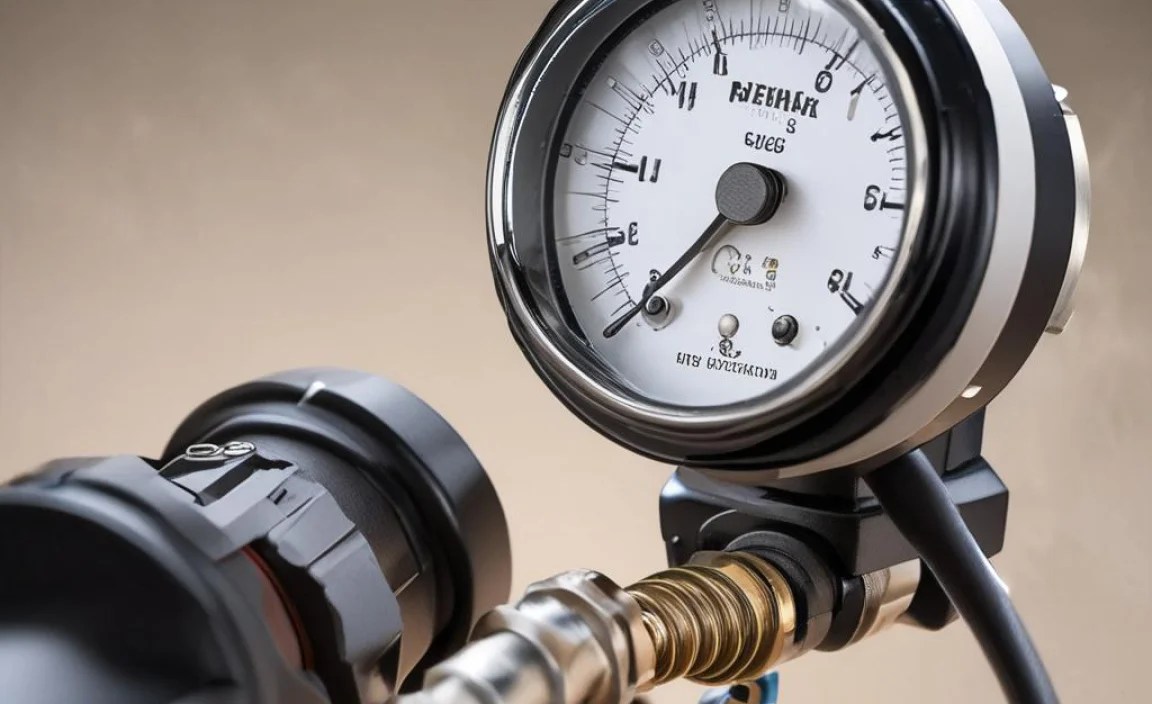

Leaks are a common reason for inconsistent gauge readings. When air leaks out, the gauge can’t show the right pressure. Start by listening closely when you attach the pump. Do you hear a hissing sound? That’s a sign of a leak. Check the connection between the pump head and the valve. Make sure it’s tight. Look at the hose for any cracks or holes. Even tiny holes can cause problems. If you find a leak, try tightening the connection. You might need to replace a worn-out O-ring. Knowing how to fix inconsistent gauge readings on shock pump means finding and fixing these leaks. A little soapy water can help you find small leaks. Just brush it on and look for bubbles.
- Listen for hissing sounds.
- Check the hose for cracks.
- Tighten all connections.
- Replace worn O-rings.
- Use soapy water to find small leaks.
- Inspect valve core for proper seating.
Imagine you’re getting ready for a big ride. You pump up your shocks, but the gauge keeps dropping. You check everything. You don’t see any obvious leaks. But then, you remember a trick. You mix some dish soap with water. You brush it around the valve. And there it is! Tiny bubbles start to form. You found a tiny leak you couldn’t see before. You tighten the valve a little bit. The bubbles stop. You pump up the shock again. This time, the gauge stays steady. This shows how simple tricks can help you learn how to fix inconsistent gauge readings on shock pump.
Where are Common Leak Spots?
Leaks can happen in a few key spots on your shock pump. The most common spot is the valve connection. Make sure the pump head is fully engaged. The O-rings inside the pump head can wear out. This makes it hard to get a good seal. Check the hose for cracks, especially near the ends. The gauge itself can also leak. Look for any signs of damage around the gauge. Knowing where to look is half the battle. If you check these spots regularly, you can catch leaks early. This will help you keep your shock pump working well. And it will help you learn how to fix inconsistent gauge readings on shock pump.
How Do I Replace O-Rings?
O-rings are small rubber rings. They help seal connections on your shock pump. Over time, they can wear out. This causes leaks. Replacing them is easy. First, find the right size O-ring. You can buy them at most bike shops. Next, take apart the pump head. Be careful not to lose any small parts. Remove the old O-ring. Clean the area where it sits. Put the new O-ring in place. Put the pump head back together. Make sure everything is tight. Now, test your pump. The new O-ring should stop the leak. Knowing how to do this is important for how to fix inconsistent gauge readings on shock pump.
Why Does My Pump Lose Pressure When I Detach It?
It’s normal for a little air to escape when you detach the pump. But if you lose a lot of pressure, there’s a problem. This usually means the valve isn’t sealing quickly enough. Check the valve for dirt or damage. Make sure the pump head is engaging the valve properly. Some shock pumps have a special feature. It helps minimize pressure loss. If your pump has this, make sure it’s working right. If you still lose a lot of pressure, the valve might be faulty. A new valve can solve this problem. Understanding this helps with how to fix inconsistent gauge readings on shock pump.
Fun Fact or Stat: A tiny O-ring, costing just pennies, can prevent a leak that ruins your ride. Always keep spares on hand!
Cleaning the Pump Valve and Fittings

Keeping your shock pump clean is super important. Dirt and grime can mess up the gauge readings. They can also damage the valve and fittings. Regular cleaning helps prevent these problems. Use a clean cloth to wipe down the pump head. A small brush can clean the valve on your shock. Be gentle, so you don’t damage anything. You can use a little soapy water to clean stubborn dirt. Just make sure to rinse everything well. Dry all the parts before you put them back together. This will help your shock pump last longer. And it will help you learn how to fix inconsistent gauge readings on shock pump. Clean parts mean accurate readings.
- Wipe down the pump head regularly.
- Use a small brush to clean the valve.
- Rinse with water after using soap.
- Dry all parts thoroughly.
- Check for corrosion.
- Clean valve threads for smooth operation.
Let’s say you go on a muddy bike ride. Your shock pump gets covered in dirt. You don’t clean it right away. A few weeks later, you notice the gauge readings are off. You try to pump up your shocks, but it’s hard. The pump head won’t connect properly. You finally decide to clean the pump. You use a brush and some soapy water. You’re amazed at how much dirt comes off! After cleaning, the pump works like new. This story shows why regular cleaning is so important. It is key to how to fix inconsistent gauge readings on shock pump.
What Cleaning Products Should I Use?
You don’t need special cleaning products for your shock pump. Simple soap and water work great. Use a mild dish soap. Avoid harsh chemicals. They can damage the rubber and plastic parts. A little rubbing alcohol can help remove stubborn grime. But use it sparingly. Make sure to rinse everything well after cleaning. And always dry the parts before putting them back together. This will prevent rust and corrosion. Using the right cleaning products helps you learn how to fix inconsistent gauge readings on shock pump.
How Do I Clean the Valve Threads?
The valve threads are the grooves on the valve. They can get filled with dirt and grime. This makes it hard to connect the pump head. To clean them, use a small brush. An old toothbrush works well. Dip the brush in soapy water. Scrub the threads gently. Rinse with clean water. Dry the threads with a cloth. Make sure they are completely dry before you use the pump. Clean threads make it easier to get a good seal. This is important for accurate gauge readings. Cleaning the threads helps with how to fix inconsistent gauge readings on shock pump.
Can I Use Compressed Air to Clean the Pump?
Compressed air can be helpful for cleaning your shock pump. It can blow out dirt and dust from hard-to-reach places. But be careful! Don’t use too much pressure. Too much air can damage the delicate parts. Hold the air nozzle a few inches away. Use short bursts of air. Focus on the pump head and the valve. Make sure to wear eye protection. This will keep dirt from flying into your eyes. Using compressed air can be a quick way to clean. It can help you learn how to fix inconsistent gauge readings on shock pump.
Fun Fact or Stat: Bike mechanics recommend cleaning your shock pump after every muddy ride to prevent long-term damage and ensure accurate readings.
Calibrating or Replacing the Gauge

Sometimes, the gauge itself is the problem. It might be showing the wrong pressure. This is called being uncalibrated. You can try to calibrate it. But it’s often easier to just replace it. First, check if your pump has a calibration screw. If it does, you can adjust it. Use a known pressure source to check the gauge. If it’s way off, replacing the gauge is the best option. You can buy a new gauge at most bike shops. Make sure it’s the right size for your pump. Replacing a bad gauge can solve many problems. It is an important part of how to fix inconsistent gauge readings on shock pump. A good gauge is key to accurate settings.
- Check for a calibration screw.
- Use a known pressure source to test.
- Buy the correct replacement gauge.
- Carefully remove the old gauge.
- Install the new gauge securely.
- Double-check the new gauge‘s accuracy.
Imagine you’re trying to set up your suspension for a race. You pump up your shocks, but the bike feels wrong. You check the gauge on your shock pump. It reads 150 PSI. That seems high. You ask a friend to check with their pump. Their gauge reads only 120 PSI! You realize your gauge is way off. You decide to replace it. After replacing the gauge, your suspension feels perfect. This story shows how important it is to have an accurate gauge. It’s a key part of how to fix inconsistent gauge readings on shock pump.
How Can I Tell If My Gauge Is Bad?
There are a few ways to tell if your gauge is bad. One way is to compare it to another gauge. Use a different shock pump or a tire pressure gauge. If the readings are very different, your gauge might be bad. Another way is to look for physical damage. Is the gauge cracked or broken? Does the needle move smoothly? If the needle sticks or jumps, the gauge is probably bad. Also, consider how old the gauge is. Over time, gauges can lose accuracy. If your gauge is old, it might be time to replace it. These checks help with how to fix inconsistent gauge readings on shock pump.
Where Can I Buy a Replacement Gauge?
You can buy a replacement gauge at most bike shops. They usually have a selection of gauges. You can also buy them online. Many websites sell bike parts and accessories. Make sure you get the right size gauge for your pump. Check the specifications before you buy. It’s also a good idea to read reviews. See what other people say about the gauge. A good gauge should be accurate and durable. Buying from a reputable source is important. This helps you learn how to fix inconsistent gauge readings on shock pump.
Can I Calibrate the Gauge Myself?
Some shock pumps have a calibration screw. This allows you to adjust the gauge. To calibrate it, you need a known pressure source. You can use another shock pump with a good gauge. Or you can use a digital pressure tester. Attach both pumps to the same shock. Compare the readings. If your gauge is off, use a small screwdriver to adjust the calibration screw. Turn the screw until the readings match. If your pump doesn’t have a calibration screw, you can’t calibrate it. In that case, you’ll need to replace the gauge. Knowing this helps with how to fix inconsistent gauge readings on shock pump.
Fun Fact or Stat: High-end shock pumps often feature digital gauges that offer better accuracy and easier calibration compared to analog models.
Checking and Tightening Connections

Loose connections can cause inconsistent gauge readings. Make sure all parts of your shock pump are tight. Check the connection between the hose and the pump head. Tighten it with a wrench if needed. Be careful not to overtighten. This can damage the threads. Check the connection between the gauge and the pump body. This can also loosen over time. Use a wrench to tighten it. But again, be careful. Also, check the valve core on your shock. Make sure it’s tight. A loose valve core can leak air. Tightening all these connections can solve many problems. It is an important part of how to fix inconsistent gauge readings on shock pump. Tight connections mean stable readings.
- Tighten the hose to the pump head.
- Check the gauge to the pump body.
- Tighten the valve core on the shock.
- Use the correct size wrench.
- Avoid overtightening.
- Inspect threads for damage.
Let’s say you are setting up your friend’s bike. You notice the gauge readings are jumpy. You check all the connections. The hose seems a little loose. You tighten it with a wrench. You also notice the gauge is wobbly. You tighten that too. After tightening everything, the gauge readings become stable. Your friend is happy because their bike is now dialed in. This story shows how important it is to check the connections. It shows you how to fix inconsistent gauge readings on shock pump by doing simple checks.
What Tools Do I Need to Tighten Connections?
You don’t need many tools to tighten connections. A set of small wrenches is helpful. You’ll need different sizes for different parts. A valve core tool is also useful. This tool helps you tighten the valve core. Be careful when using wrenches. Don’t overtighten the connections. This can damage the threads. Use the right size wrench. This will prevent you from stripping the bolts. Having the right tools makes the job easier. It also helps you learn how to fix inconsistent gauge readings on shock pump.
How Tight Should the Connections Be?
The connections should be snug but not too tight. Overtightening can damage the threads. Tighten until you feel resistance. Then, give it a little extra turn. But don’t force it. If you’re not sure, it’s better to be too loose than too tight. You can always tighten it a little more later. Stripped threads are hard to fix. So, be careful. Using the right amount of force is important. It helps you learn how to fix inconsistent gauge readings on shock pump.
What If the Threads Are Stripped?
Stripped threads are a problem. They mean the connection won’t hold tight. If the threads are stripped, you’ll need to replace the part. You can try using a thread repair kit. But this is often a temporary fix. The best solution is to replace the damaged part. This might mean a new hose, gauge, or valve. Preventing stripped threads is better than fixing them. Be careful when tightening connections. Don’t overtighten. Knowing this helps with how to fix inconsistent gauge readings on shock pump.
Fun Fact or Stat: A torque wrench can help you tighten connections to the exact specification, preventing both loosening and overtightening.
Replacing the Shock Pump Hose
The hose on your shock pump can wear out over time. It can crack, kink, or leak. A bad hose can cause inconsistent gauge readings. Replacing the hose is a simple fix. First, buy a new hose that fits your pump. You can find them at most bike shops. Remove the old hose. You might need a wrench to loosen the connections. Attach the new hose. Tighten the connections. Make sure they are snug but not too tight. A new hose can make a big difference. It is a key part of how to fix inconsistent gauge readings on shock pump. A good hose ensures accurate readings.
- Buy a compatible replacement hose.
- Remove the old hose carefully.
- Tighten connections on the new hose.
- Check for leaks after installation.
- Make sure hose is free of kinks.
- Test gauge readings after replacement.
Imagine you’re getting ready for a ride. You notice the hose on your shock pump is cracked. It’s old and brittle. You try to pump up your shocks, but the gauge jumps all over the place. You realize the cracked hose is the problem. You replace the hose with a new one. Suddenly, the gauge readings are stable. You can now set your suspension properly. This story shows how a simple hose replacement can solve problems. It helps you learn how to fix inconsistent gauge readings on shock pump.
How Do I Choose the Right Replacement Hose?
Choosing the right replacement hose is important. Make sure it’s the correct length. The diameter should also match your pump. Look for a hose that is made of durable material. Rubber or reinforced plastic are good choices. Read reviews to see what other people say about the hose. A good hose should be flexible and resistant to cracking. Bring your old hose to the bike shop. This will help you find a matching replacement. Choosing the right hose helps you learn how to fix inconsistent gauge readings on shock pump.
What If I Can’t Remove the Old Hose?
Sometimes, the old hose can be hard to remove. The connections might be stuck. Try using a penetrating oil. Spray it on the connections. Let it sit for a few minutes. This can help loosen the threads. Use the correct size wrench. Be careful not to strip the bolts. If the hose is really stuck, you might need to take it to a bike shop. They have special tools to remove stubborn parts. Don’t force it. You could damage the pump. Knowing this helps with how to fix inconsistent gauge readings on shock pump.
How Do I Prevent the New Hose from Kinking?
Kinking can damage the hose. It can also affect the gauge readings. To prevent kinking, avoid bending the hose sharply. Store the pump in a safe place. Don’t put heavy objects on top of the hose. Some hoses are designed to resist kinking. Look for these when you buy a replacement. Also, be careful when you use the pump. Don’t twist the hose. Straighten it out if it gets bent. Preventing kinking helps you learn how to fix inconsistent gauge readings on shock pump.
Fun Fact or Stat: High-pressure hoses are less prone to kinking and can withstand higher pressures, making them a worthwhile upgrade for frequent users.
Consider Replacing the Shock Pump
Sometimes, the best solution is to replace the entire shock pump. If you’ve tried everything else, and the gauge readings are still inconsistent, it might be time for a new one. Shock pumps can wear out over time. The internal parts can break down. A new pump can give you accurate readings. It can also be easier to use. Look for a pump with a good gauge and a comfortable handle. Read reviews before you buy. A good shock pump is a worthwhile investment. It is a final step in how to fix inconsistent gauge readings on shock pump. A new pump ensures accurate and reliable performance.
| Factor | Old Pump | New Pump |
|---|---|---|
| Gauge Accuracy | Inconsistent | Accurate |
| Ease of Use | Difficult | Easy |
| Reliability | Unreliable | Reliable |
| Maintenance | High | Low |
Let’s say you’ve had your shock pump for many years. You’ve replaced the hose and the gauge. But the gauge readings are still off. You’re tired of messing with it. You decide to buy a new shock pump. The new pump works perfectly. The gauge readings are accurate. Setting up your suspension is now easy. This story shows that sometimes, a new pump is the best answer. It is the final step in how to fix inconsistent gauge readings on shock pump.
What Features Should I Look for in a New Shock Pump?
When buying a new shock pump, consider these features. Look for a gauge that is easy to read. Digital gauges are often more accurate. Make sure the pump has a comfortable handle. This will make it easier to use. Check the maximum pressure rating. It should be high enough for your shocks. Look for a pump with a bleed valve. This allows you to fine-tune the pressure. Read reviews to see what other people say about the pump. These features can help you learn how to fix inconsistent gauge readings on shock pump.
How Much Should I Expect to Pay for a Good Shock Pump?
The price of a good shock pump can vary. You can find basic pumps for around $30. More advanced pumps can cost $50 or more. The price depends on the features and the brand. A more expensive pump might have a more accurate gauge. It might also be more durable. Consider how often you’ll use the pump. If you ride a lot, it’s worth investing in a good one. Knowing this helps with how to fix inconsistent gauge readings on shock pump.
Where Is the Best Place to Buy a New Shock Pump?
You can buy a new shock pump at many places. Bike shops are a good option. They can help you choose the right pump. They can also answer your questions. Online retailers also sell shock pumps. You can often find good deals online. Read reviews before you buy. Make sure the retailer has a good return policy. This way, you can return the pump if you’re not happy with it. Buying from a reputable source is important. This helps you learn how to fix inconsistent gauge readings on shock pump.
Fun Fact or Stat: Some high-end shock pumps come with a lifetime warranty, showing the manufacturer’s confidence in their product’s durability.
Summary
Inconsistent gauge readings on a shock pump can be frustrating. It can make it hard to set up your suspension correctly. But there are many things you can do to fix the problem. Start by checking for leaks. Tighten all the connections. Clean the pump and the valve. If the gauge is bad, replace it. Replace the hose if it’s cracked or kinked. If all else fails, consider replacing the entire shock pump. Knowing how to fix inconsistent gauge readings on shock pump is key to a smooth ride. Regular maintenance can prevent these problems.
Conclusion
Having a shock pump with accurate gauge readings is important for bike performance. You can maintain your bike properly. You can also enjoy a safe ride. By following the steps outlined in this article, you can address most issues. These steps will help you understand how to fix inconsistent gauge readings on shock pump. Keep your pump clean, check for leaks, and replace parts as needed. With a little care, your shock pump will last for years.
Frequently Asked Questions
Question No 1: Why does my shock pump show a different reading each time I attach it?
Answer: This can happen for a few reasons. One common cause is a small leak. Air can escape when you attach the pump head to the valve. This makes the gauge show a lower pressure. Another reason is dirt. Dirt can block the valve or the pump head. This makes it hard to get a good seal. Always check the pump head and the valve for dirt. Clean them if needed. Also, make sure the pump head is fully engaged. If the readings are still inconsistent, you might have a bad gauge. These are all important things to consider when thinking about how to fix inconsistent gauge readings on shock pump.
Question No 2: How do I know if my shock pump gauge is accurate?
Answer: It’s important to have an accurate gauge. You can test the accuracy of your shock pump gauge. Compare it to another gauge. Use a different shock pump or a tire pressure gauge. Attach both pumps to the same shock. Compare the readings. If the readings are very different, your gauge might be bad. You can also look for physical damage. Is the gauge cracked or broken? Does the needle move smoothly? If the needle sticks or jumps, the gauge is probably bad. If you suspect that your gauge is inaccurate then you should examine how to fix inconsistent gauge readings on shock pump.
Question No 3: Can I use a regular tire pump for my bike shocks?
Answer: No, you should not use a regular tire pump for your bike shocks. Tire pumps deliver a high volume of air. But they are not very precise. Shock pumps deliver a low volume of air. This allows you to set the pressure accurately. Bike shocks require very precise pressure settings. Using a tire pump can easily overinflate your shocks. This can damage them. Always use a shock pump for your bike shocks. If you’re having issues with your shock pump, exploring how to fix inconsistent gauge readings on shock pump is a good idea.
Question No 4: How often should I service my shock pump?
Answer: You should service your shock pump regularly. How often depends on how much you use it. If you ride every day, check it once a month. If you only ride once a week, check it every few months. Look for dirt and grime. Clean the pump head and the valve. Make sure the hose is not cracked. If you see any problems, fix them right away. Regular service can make your shock pump last longer. If you notice any issues during servicing, it’s important to understand how to fix inconsistent gauge readings on shock pump.
Question No 5: What do I do if my shock pump is leaking air?
Answer: If your shock pump is leaking air, there are a few things you can check. First, make sure the pump head is fully engaged on the valve. Tighten it if needed. Check the hose for cracks or holes. If you see any damage, replace the hose. The O-rings inside the pump head can also wear out. This can cause leaks. Replace the O-rings if needed. If you still have a leak, the gauge itself might be faulty. In this case, you might need to replace the entire pump. These steps are crucial in understanding how to fix inconsistent gauge readings on shock pump.
Question No 6: Can temperature affect the pressure readings on my


