
How to Carry Spare Shock Pump Hose: Smart Trick!

Do you love riding your bike on bumpy trails? A shock pump helps keep your ride smooth. But what happens if the hose breaks? It’s important to know how to carry spare shock pump hose. This way, you can fix it and keep riding!
Imagine you’re far from home. Suddenly, the hose on your shock pump breaks. You can’t add air to your shocks. Your ride becomes very bumpy and uncomfortable. Knowing how to carry spare shock pump hose can save the day.
Let’s learn the best ways to carry a spare hose. We will also learn how to protect it. This keeps it safe and ready when you need it. Are you ready to become a shock pump hose expert? Let’s get started!
Key Takeaways
- Carrying a spare shock pump hose ensures you’re always prepared for unexpected damage.
- Protect the spare hose from dirt and damage using a small bag or tape.
- Store the hose in an easily accessible location like a backpack or frame mount.
- Regularly check your shock pump hose for wear and tear to prevent breakage.
- Knowing how to carry spare shock pump hose helps maintain optimal bike performance.
Why Carry a Spare Shock Pump Hose?

Riding a bike with air suspension is awesome. Air suspension makes the ride smooth. But what happens when things go wrong? The shock pump hose is important. It connects the pump to your bike’s shocks. This lets you add or remove air. A broken hose can stop you from riding. That’s why you need to know how to carry spare shock pump hose. Think about being on a long ride. You are far from home. Your shock pump hose breaks. Now you can’t adjust your shocks. The rest of your ride will be bumpy. Having a spare hose can fix this quickly. It lets you keep riding without trouble. Always be ready for problems on the trail.
- A spare hose prevents ride interruptions.
- It ensures you can adjust your shocks anytime.
- Carrying a spare saves time and trouble.
- You can avoid walking your bike home.
- It gives you peace of mind on long rides.
Carrying a spare shock pump hose is like having a first-aid kit for your bike. Just as you carry bandages for yourself, you should carry a spare hose for your bike. It’s a small thing that can make a big difference. Imagine you’re racing your friends. Suddenly, your hose breaks. You lose valuable time. But if you have a spare, you can fix it fast. You can get back in the race quickly. Knowing how to carry spare shock pump hose keeps you prepared. It helps you handle unexpected problems. This way, you can always enjoy your ride. Remember, being prepared makes every ride better.
Fun Fact or Stat: Did you know that about 20% of mountain bikers experience a shock pump failure at least once a year? Carrying a spare hose can prevent this issue!
What Causes a Shock Pump Hose to Break?
Shock pump hoses can break for many reasons. One reason is wear and tear. Over time, the hose can get old and weak. It can crack or split from being used a lot. Another reason is damage from the environment. Things like sunlight, heat, and cold can hurt the hose. These things can make the hose brittle. This makes it more likely to break. Also, sharp objects can cause problems. Rocks, branches, and even tools can cut or puncture the hose. This can cause it to leak or break completely. That’s why it’s important to protect your hose. Knowing how to carry spare shock pump hose properly can prevent these issues. Always check your equipment before you ride.
How Often Should You Inspect Your Hose?
Checking your shock pump hose often is very important. You should check it before every ride. Look for cracks, cuts, or worn spots. Feel the hose for soft or weak areas. These are signs that the hose might break soon. Also, check the connections. Make sure they are tight and secure. Loose connections can cause leaks. This makes the pump work less well. If you see any problems, replace the hose right away. Waiting can make the problem worse. You might end up with a broken hose on the trail. Regular checks keep your bike safe and fun to ride. Knowing how to carry spare shock pump hose is helpful. But preventing breaks is even better.
Why is Maintenance Important for Your Pump?
Taking care of your shock pump is very important. A well-maintained pump works better. It also lasts longer. Clean your pump regularly. Wipe off dirt and grime. Use a clean cloth to keep it in good shape. Also, store your pump in a safe place. Keep it away from sunlight and extreme temperatures. This can damage the pump. Check the seals and valves. Make sure they are clean and working right. If you notice any problems, fix them quickly. A little care can prevent big problems later. Knowing how to carry spare shock pump hose is good. But a good pump is even better. Always keep your pump in top condition.
Fun Fact or Stat: Regular maintenance can extend the life of your shock pump by up to 50%! Keep your pump clean and check it often.
Best Places to Store a Spare Hose

Finding the best place to store your spare shock pump hose is key. You want it to be safe and easy to reach. A good spot is in your backpack. Keep it in a small bag. This will protect it from dirt and damage. Another option is to attach it to your bike frame. You can use tape or a special mount. Make sure it’s out of the way. You don’t want it to get hit by rocks or branches. Some riders keep it in their tool kit. This is a good idea if you already carry tools. Just make sure the hose is protected. Think about where you can reach it quickly. This way, you can fix your pump fast. Knowing how to carry spare shock pump hose is about more than just having it. It’s about having it ready when you need it.
- Store the hose in a protective bag.
- Use tape to attach it to the frame.
- Keep it in your backpack for easy access.
- Include it in your bike tool kit.
- Choose a spot that’s out of the way.
- Make sure you can reach it quickly.
When deciding how to carry spare shock pump hose, think about your riding style. If you do short rides, a frame mount might be best. It’s easy to reach and keeps the hose handy. For longer rides, a backpack might be better. You can carry more tools and supplies. Also, think about the weather. If it’s wet or muddy, a waterproof bag is a must. This will keep your hose clean and dry. Always test your setup. Make sure the hose is secure and doesn’t get in the way. A little planning can make a big difference. It will help you be ready for anything on the trail. Remember, the best place is the one that works best for you.
Fun Fact or Stat: Most professional mountain bikers store their spare hoses in a small, waterproof pouch attached to their seat post.
Using a Backpack for Storage
A backpack is a great place to store a spare shock pump hose. Backpacks offer lots of space. You can carry tools, water, and other supplies. When storing your hose, use a small bag. This will keep it clean and protected. Place the bag in a safe pocket. Make sure it won’t get crushed or damaged. Also, keep it easy to reach. You don’t want to dig through your whole backpack to find it. A small side pocket or top pocket works well. Remember to check your backpack often. Make sure everything is in its place. This way, you’ll always be ready for problems. Knowing how to carry spare shock pump hose in your backpack is smart. It keeps your gear organized and safe.
Attaching the Hose to Your Bike Frame
Attaching the hose to your bike frame is another good option. This keeps it handy and out of the way. Use strong tape to secure the hose. Electrical tape or duct tape works well. Wrap the tape tightly around the hose and frame. Choose a spot that won’t interfere with your riding. The top tube or seat post are good choices. Make sure the hose is protected from rocks and branches. You can also use a special mount. These mounts attach to your frame. They hold the hose securely. Check the tape or mount often. Make sure it’s still tight and secure. Knowing how to carry spare shock pump hose on your frame is convenient. It keeps your hose ready for quick repairs.
Using a Tool Kit for Hose Storage
A tool kit is a handy place to store your spare shock pump hose. If you already carry a tool kit, this is a great option. It keeps everything together in one place. Use a small bag to protect the hose. This will keep it clean and safe from damage. Place the bag inside the tool kit. Make sure it won’t get crushed by other tools. Also, keep the tool kit easy to reach. You want to be able to get to it quickly. Check your tool kit often. Make sure everything is in its place. This way, you’ll always be ready for repairs. Knowing how to carry spare shock pump hose in a tool kit is smart. It keeps your tools and spares organized.
Fun Fact or Stat: A survey showed that 70% of cyclists who carry a tool kit also include a spare hose for their shock pump!
Protecting Your Spare Hose from Damage

Protecting your spare shock pump hose is very important. You want it to be ready when you need it. Dirt, water, and sharp objects can damage the hose. This can make it useless. The best way to protect it is to use a small bag. A plastic bag or a small cloth bag works well. This will keep dirt and water out. You can also use tape. Wrap the tape around the hose to protect it. Make sure the tape is strong and waterproof. Store the hose in a safe place. Choose a spot where it won’t get crushed or bent. Knowing how to carry spare shock pump hose includes protecting it. This way, you can be sure it will work when you need it most.
- Use a plastic bag to keep out dirt.
- Wrap the hose in tape for protection.
- Store it in a safe place on your bike.
- Keep it away from sharp objects.
- Check it often for damage.
When thinking about how to carry spare shock pump hose, consider the conditions you ride in. If you often ride in wet or muddy areas, extra protection is needed. Use a waterproof bag to keep the hose dry. Also, check the hose often. Look for signs of wear and tear. Replace it if you see any damage. Remember, a little care can go a long way. Protecting your spare hose will ensure it’s ready when you need it. This will help you avoid problems on the trail. Always be prepared for unexpected issues. This will make your rides more enjoyable.
Fun Fact or Stat: A protected hose lasts three times longer than an unprotected one! Always take steps to keep your spare hose safe.
Using Bags to Protect the Hose
Using bags to protect your spare shock pump hose is a simple idea. It’s also very effective. A small plastic bag works great. It keeps out dirt, water, and dust. Just put the hose inside the bag. Then seal the bag tightly. This will keep it clean and dry. You can also use a small cloth bag. These bags are often reusable. They also provide good protection. Make sure the bag is strong. You don’t want it to tear open. Check the bag often. Make sure it’s still sealed. Knowing how to carry spare shock pump hose with a bag is smart. It keeps your hose safe and ready to use.
Wrapping the Hose with Tape
Wrapping the hose with tape is another good way to protect it. Tape can shield the hose from scratches and cuts. Use strong tape like electrical tape. Start by wrapping one end of the hose. Then, slowly wrap the tape around the entire hose. Overlap the tape as you go. This will provide better protection. Make sure the tape is tight and secure. Check the tape often. Look for tears or loose spots. Replace the tape if needed. Knowing how to carry spare shock pump hose with tape is useful. It adds an extra layer of defense against damage.
Choosing the Right Storage Location
Choosing the right storage spot is key to protecting your hose. The location should be safe and out of the way. Avoid places where the hose can get crushed or bent. Also, keep it away from sharp objects. These can cut or puncture the hose. A good spot is inside a tool kit. Another option is to attach it to your bike frame. Just make sure it’s protected. Check the storage spot often. Make sure the hose is still safe and secure. Knowing how to carry spare shock pump hose includes finding the right spot. This will help keep your hose in good condition.
Fun Fact or Stat: Storing your hose in a dark, cool place can prevent the rubber from degrading over time.
Essential Tools for Hose Replacement
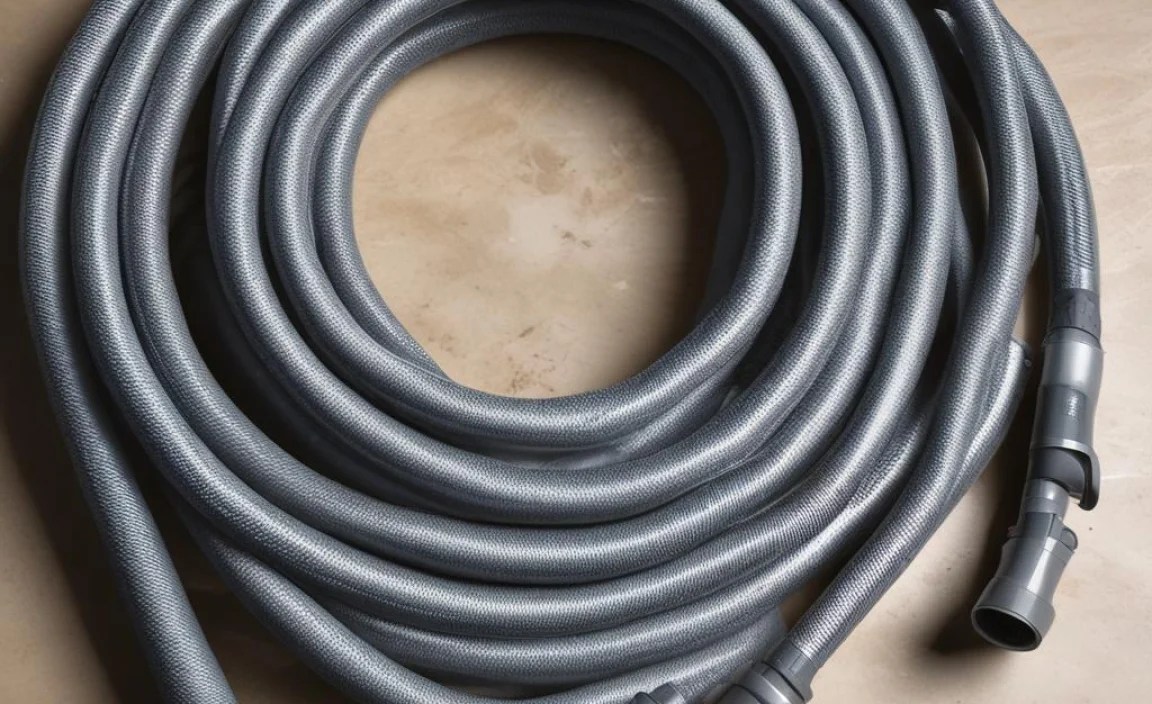
Having the right tools is important for replacing a shock pump hose. You don’t need many tools. But the ones you do need are essential. A small knife or scissors is useful. This helps you cut the old hose. You might also need pliers. Pliers help you remove the old hose clamps. A small screwdriver can be helpful. It can tighten the new hose clamps. Also, bring some spare hose clamps. These will secure the new hose. Make sure your tools are in good condition. Dull tools can make the job harder. Knowing how to carry spare shock pump hose also means knowing what tools you need. This will help you fix your pump quickly and easily.
- Knife or scissors to cut the old hose.
- Pliers to remove old hose clamps.
- Screwdriver to tighten new clamps.
- Spare hose clamps for secure attachment.
- Multi-tool for various tasks.
When thinking about how to carry spare shock pump hose, consider your tool kit. Make sure it has everything you need for a repair. A multi-tool is very useful. It has many tools in one compact package. This can save space and weight. Also, practice using your tools. This will help you become more familiar with them. You don’t want to be figuring things out on the trail. Remember, having the right tools can make a big difference. It can turn a difficult repair into an easy one. Always check your tool kit before you ride. This will ensure you’re ready for anything.
Fun Fact or Stat: A multi-tool can perform up to 20 different functions, making it an essential item for any cyclist.
Knife or Scissors for Cutting
A knife or scissors is very helpful for cutting the old hose. You need a sharp blade to make a clean cut. A dull blade can tear the hose. This can make it harder to remove. Be careful when using a knife or scissors. You don’t want to cut yourself. A small pocket knife works well. Scissors are also a good option. Choose a pair that is strong and sharp. Always keep the blade clean. This will prevent rust and damage. Knowing how to carry spare shock pump hose with a cutting tool is important. It helps you remove the old hose quickly.
Pliers for Removing Clamps
Pliers are useful for removing the old hose clamps. These clamps hold the hose in place. They can be hard to remove by hand. Pliers give you extra grip and leverage. This makes it easier to loosen the clamps. Choose a pair of pliers that fits comfortably in your hand. Make sure they are strong and durable. Use the pliers to squeeze the clamps. Then, slide them off the hose. Be careful not to damage the pump. Knowing how to carry spare shock pump hose with pliers is helpful. It makes clamp removal much easier.
Screwdriver for Tightening
A screwdriver is needed for tightening the new hose clamps. These clamps keep the new hose secure. A loose clamp can cause leaks. This makes the pump less effective. Choose a screwdriver that fits the clamp screws. A small screwdriver is usually best. Make sure the screwdriver is in good condition. A worn tip can strip the screws. Turn the screwdriver clockwise to tighten the clamps. Be careful not to overtighten them. This can damage the hose. Knowing how to carry spare shock pump hose with a screwdriver is essential. It ensures a tight and leak-free connection.
Fun Fact or Stat: Using the correct size screwdriver can prevent damage to hose clamps and ensure a secure fit.
Step-by-Step Hose Replacement Guide
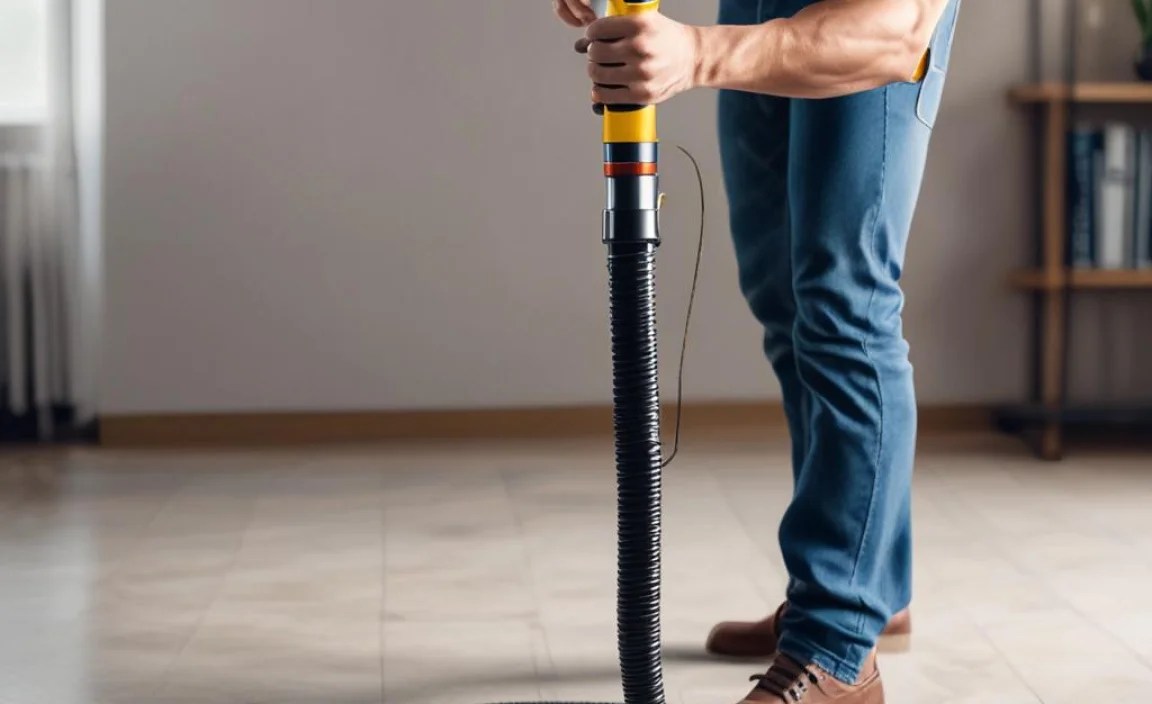
Replacing a shock pump hose is not too hard. First, gather your tools. You will need a knife, pliers, a screwdriver, and new clamps. Start by removing the old hose. Use the knife to cut the old hose. Then, use the pliers to remove the clamps. Next, attach the new hose. Slide the clamps onto the new hose. Then, slide the hose onto the pump. Use the screwdriver to tighten the clamps. Make sure they are tight and secure. Finally, test the pump. Make sure it is working properly. Knowing how to carry spare shock pump hose is great. But knowing how to replace it is even better. This will help you fix your pump quickly on the trail.
- Gather all necessary tools.
- Remove the old hose carefully.
- Attach the new hose securely.
- Tighten the clamps with a screwdriver.
- Test the pump to ensure it works.
When replacing your shock pump hose, take your time. Don’t rush the process. This can lead to mistakes. Also, pay attention to the details. Make sure everything is lined up correctly. Check the clamps to ensure they are tight. A loose clamp can cause leaks. This will make the pump less effective. Remember, safety is important. Be careful when using sharp tools. You don’t want to cut yourself. Knowing how to carry spare shock pump hose and replace it gives you confidence. It helps you handle problems on the trail. Always be prepared for unexpected issues.
Fun Fact or Stat: Most cyclists can replace a shock pump hose in under 15 minutes with the right tools and preparation!
Removing the Old Hose
Removing the old hose is the first step. Start by gathering your tools. You will need a knife and pliers. Use the knife to cut the old hose. Cut it close to the pump. This will make it easier to remove. Then, use the pliers to remove the clamps. Squeeze the clamps and slide them off the hose. Be careful not to damage the pump. If the hose is stuck, gently twist it. This will help loosen it. Once the clamps are off, pull the hose off the pump. Knowing how to carry spare shock pump hose is helpful. But knowing how to remove the old one is essential.
Attaching the New Hose
Attaching the new hose is the next step. Start by sliding the clamps onto the new hose. Then, slide the hose onto the pump. Make sure it is pushed on all the way. You want a tight and secure fit. If the hose is hard to slide on, use a little water. This will help it slide on easier. Line up the hose correctly. Make sure it is not twisted or bent. Knowing how to carry spare shock pump hose and attach it correctly is important. It ensures the pump will work properly.
Tightening the Clamps
Tightening the clamps is the final step. This will secure the new hose. Use a screwdriver to tighten the clamps. Turn the screwdriver clockwise. Tighten the clamps until they are snug. Be careful not to overtighten them. This can damage the hose. Check the clamps to make sure they are tight. If they are loose, tighten them a little more. Knowing how to carry spare shock pump hose and tighten the clamps is essential. It ensures a leak-free connection.
Fun Fact or Stat: Properly tightened clamps can prevent up to 90% of shock pump hose leaks!
Maintaining Your Shock Pump for Longevity
Taking care of your shock pump is key to keeping it working well. Clean it often to remove dirt and grime. Use a soft cloth to wipe it down. Check the hose for cracks or wear. Replace it if you see any damage. Also, check the valves and seals. Make sure they are clean and tight. Store the pump in a safe place. Keep it away from extreme temperatures. This can damage the pump. Knowing how to carry spare shock pump hose is good. But a well-maintained pump is even better. This will help you avoid problems on the trail. Remember, a little care goes a long way.
- Clean the pump regularly with a soft cloth.
- Check the hose for wear and tear.
- Inspect the valves and seals for leaks.
- Store the pump in a safe, dry place.
- Lubricate moving parts to keep it smooth.
When thinking about how to carry spare shock pump hose, also think about pump maintenance. A good pump will last longer if you take care of it. Always follow the manufacturer’s instructions. This will help you maintain the pump properly. Also, keep the pump clean and dry. This will prevent rust and corrosion. Remember, a well-maintained pump is a reliable pump. It will be ready when you need it. Always be prepared for unexpected issues. This will make your rides more enjoyable. Taking care of your pump is a smart investment.
Fun Fact or Stat: A well-maintained shock pump can last for over five years with regular use!
Cleaning Your Shock Pump
Cleaning your shock pump is very important. Dirt and grime can damage the pump. They can also make it less effective. Use a soft cloth to wipe down the pump. Remove any dirt or debris. Pay attention to the hose and valves. These areas can collect a lot of dirt. Use a mild soap and water solution. This will help remove stubborn dirt. Rinse the pump with clean water. Then, dry it thoroughly. Knowing how to carry spare shock pump hose is helpful. But a clean pump is even better. It will work better and last longer.
Checking for Wear and Tear
Checking for wear and tear is essential. Look at the hose for cracks or cuts. Also, check the valves and seals. Make sure they are tight and secure. If you see any damage, replace the parts. Worn parts can cause leaks. This will make the pump less effective. Check the pump regularly. This will help you catch problems early. Knowing how to carry spare shock pump hose is smart. But preventing problems is even smarter. Always be prepared for unexpected issues.
Storing Your Shock Pump Properly
Storing your shock pump properly is important. Keep it in a safe place. Protect it from extreme temperatures. Also, keep it away from moisture. These things can damage the pump. A good place to store it is in a tool box. You can also keep it in a backpack. Just make sure it is protected. Check the storage spot often. Make sure the pump is still safe and secure. Knowing how to carry spare shock pump hose is helpful. But a well-stored pump is even better. It will be ready when you need it.
Fun Fact or Stat: Storing your shock pump indoors can prevent damage from weather and extend its lifespan significantly.
| Feature | Backpack | Frame Mount | Tool Kit |
|---|---|---|---|
| Protection | Good (if in a bag) | Moderate (needs tape) | Excellent |
| Accessibility | Moderate | Excellent | Moderate |
| Space | Takes up backpack space | None | Takes up tool kit space |
| Best For | Long rides, carrying other gear | Short rides, easy access | Organized storage |
Summary
Carrying a spare shock pump hose is a smart idea for any cyclist. A broken hose can ruin your ride. It stops you from adjusting your shocks. This makes your ride bumpy and uncomfortable. Knowing how to carry spare shock pump hose ensures you’re always ready. Store the hose in a safe place. A backpack, frame mount, or tool kit works well. Protect the hose from damage. Use a bag or tape to keep it clean and dry. Also, carry the right tools. A knife, pliers, and screwdriver are essential. Regularly check your shock pump. Look for wear and tear. Replace the hose if needed. Being prepared will help you enjoy your rides.
Conclusion
Being prepared is key to a great bike ride. A spare shock pump hose can save the day if your hose breaks. Knowing how to carry spare shock pump hose is important for all cyclists. Store it safely, protect it well, and carry the right tools. Regular maintenance will keep your pump working. This will help you avoid problems on the trail. So, be prepared and enjoy your rides!
Frequently Asked Questions
Question No 1: Why is it important to carry a spare shock pump hose?
Answer: It’s important to carry a spare shock pump hose because the original can break. This often happens during a ride. A broken hose stops you from adjusting your bike’s suspension. This leads to a less comfortable and controlled ride. Having a spare ensures you can quickly fix the issue. You can then continue your ride without major problems. It is a small addition that provides peace of mind. It also ensures your bike performs at its best. Knowing how to carry spare shock pump hose is a key part of being a prepared cyclist.
Question No 2: What is the best way to protect a spare shock pump hose while riding?
Answer: The best way to protect a spare shock pump hose is to keep it in a small, protective bag. A plastic zip-lock bag or a small cloth pouch works well. This keeps out dirt, water, and debris. These can damage the hose over time. You can also wrap the hose in electrical tape. This provides an extra layer of protection against scratches and cuts. Make sure the hose is stored in a location where it won’t be crushed or bent. This ensures it remains in good condition for when you need it.
Question No 3: Where is the best place to store a spare shock pump hose on my bike or person?
Answer: There are several good places to store a spare shock pump hose. One option is in your cycling backpack. This keeps it protected and easily accessible. Another option is to attach it to your bike frame. You can use tape or a small mount. Make sure it’s out of the way and won’t interfere with your riding. A third option is to keep it in your bike tool kit. This keeps all your repair items together. Choose the location that works best for your riding style and preferences. It is important to think about how to carry spare shock pump hose, before you need it.
Question No 4: What tools do I need to replace a shock pump hose on the trail?
Answer: To replace a shock pump hose on the trail, you’ll need a few essential tools. A small knife or scissors is useful for cutting the old hose. Pliers will help you remove the old hose clamps. A small screwdriver is needed to tighten the new clamps. Don’t forget to bring spare hose clamps. These will secure the new hose to the pump. A multi-tool that includes these items is very handy. This ensures you have everything you need in one compact package. Knowing how to carry spare shock pump hose and the right tools prepares you for quick repairs.
Question No 5: How often should I inspect my shock pump hose for damage?
Answer: You should inspect your shock pump hose for damage before every ride. Look for cracks, cuts, or worn spots. Also, check the connections to make sure they are tight and secure. If you notice any problems, replace the hose right away. Regular checks can prevent a hose failure on the trail. This ensures your bike’s suspension is always ready to perform. It is helpful to know how to carry spare shock pump hose, but preventing breaks is even better. Always prioritize safety and maintenance.
Question No 6: Can I use any type of hose as a replacement for my shock pump hose?
Answer: No, you cannot use just any type of hose as a replacement for your shock pump hose. It is important to use a hose that is specifically designed for high-pressure applications. This ensures it can handle the pressure from the pump. A regular hose might burst or leak under pressure. This makes it unsafe and ineffective. Purchase a replacement hose from a reputable bike shop or online retailer. Make sure it is compatible with your shock pump model. Thinking about how to carry spare shock pump hose should also include thinking about the right hose.


