
Floor Pump Replacement Hose: Easy Fix!

Have you ever tried to pump up your bike tires? It can be hard work. What if your pump suddenly stopped working? A broken hose can stop you. You might need a floor pump replacement hose.
Key Takeaways
- A good floor pump replacement hose keeps your tires inflated and safe.
- Know your pump’s brand and model to find the right replacement hose.
- Replacing the hose is cheaper than buying a whole new floor pump.
- Look for hoses made from strong, durable materials like rubber or nylon.
- Always check the hose connection to avoid leaks when pumping.
Why a Floor Pump Hose Breaks

Floor pumps are great for keeping bike tires inflated. But sometimes, parts break. The floor pump hose is one part that can break. Hoses can crack or tear over time. This happens from bending and twisting. Sunlight can also damage the hose. Storing your pump in a hot garage can make the hose weak. Sometimes, the connection between the hose and pump comes loose. A loose connection makes it hard to pump air. You might notice air leaking out. Using the wrong type of air connector can damage the hose. It’s important to take care of your floor pump. This helps the hose last longer. Knowing why hoses break helps you prevent it.
- Hoses crack from bending too much.
- Sunlight can damage the rubber.
- Heat makes the hose weak.
- Connections can become loose.
- Using the wrong connector damages it.
Taking care of your floor pump replacement hose is important. Store your pump in a cool, dry place. Avoid leaving it in direct sunlight. Check the hose regularly for cracks or wear. If you see any damage, replace the hose right away. Use the correct type of air connector for your tires. This helps prevent damage to the hose and valve. Be gentle when you connect and disconnect the hose. Avoid twisting or bending it too much. With proper care, your floor pump hose can last a long time. This saves you money and keeps your tires inflated.
Fun Fact or Stat: The average bike pump hose lasts 2–5 years with regular use. Proper storage can double its lifespan!
How Does Sunlight Affect Hoses?
Have you ever left a rubber band in the sun? It gets brittle and breaks easily. The same thing happens to a floor pump replacement hose. Sunlight contains ultraviolet (UV) rays. These rays break down the rubber or plastic in the hose. Over time, the hose becomes weak and cracked. This is why it’s important to store your pump indoors. Keep it away from direct sunlight. A dark garage or shed is a good place. If you must leave it outside, cover it with a cloth or tarp. This protects the hose from the sun’s harmful rays. Remember, a little shade can make a big difference.
What Happens When a Hose Cracks?
Imagine trying to fill a balloon with a hole in it. The air just leaks out. A cracked floor pump replacement hose is similar. When the hose has cracks, air escapes. This makes it hard to inflate your tires. You might pump and pump, but the tire stays flat. Cracks can also make the pump less efficient. You have to work harder to get the same amount of air into the tire. Small cracks can become big cracks. It’s best to replace the hose as soon as you see any damage. A new hose will make pumping much easier. It will also save you energy.
Why Are Connections Important?
Think of a garden hose connected to a faucet. If the connection is loose, water leaks out. The same is true for a floor pump replacement hose. A good connection is important for a tight seal. This prevents air from leaking out. A loose connection can also damage the hose. It puts extra stress on the hose material. This can cause it to crack or tear. Always make sure the hose is securely connected to the pump and the tire valve. Check the connection regularly. Tighten it if necessary. A good connection ensures efficient pumping and a longer hose life.
Choosing the Right Replacement Hose

Finding the right floor pump replacement hose is important. Not all hoses are the same. You need to find one that fits your pump. Check the brand and model of your floor pump. Look for a replacement hose that is made for that pump. Some hoses are universal. They fit many different pumps. But it’s still important to check the size and connection type. The hose material also matters. Rubber hoses are flexible and durable. Nylon hoses are strong and lightweight. Choose a hose that is the right length. A hose that is too short is hard to use. A hose that is too long can get in the way. Read reviews to see what other people think. This helps you choose a good replacement hose.
| Hose Material | Pros | Cons | Best For |
|---|---|---|---|
| Rubber | Flexible, durable, good seal | Can crack over time, heavier | Everyday use, all types of bikes |
| Nylon | Strong, lightweight, resists wear | Less flexible, can be pricier | High-pressure tires, racing bikes |
| Braided Steel | Very durable, resists kinking | Expensive, can be stiff | Professional use, frequent inflation |
| Plastic | Inexpensive, lightweight | Not very durable, prone to cracking | Occasional use, budget-friendly |
- Check your pump’s brand and model.
- Look for hoses made for your pump.
- Rubber hoses are flexible and durable.
- Nylon hoses are strong and lightweight.
- Choose the right hose length.
- Read reviews before you buy.
When you’re buying a floor pump replacement hose, consider the type of riding you do. If you ride your bike every day, you need a durable hose. Rubber or nylon hoses are good choices. If you only ride occasionally, a less expensive hose might be fine. Think about the type of tires you have. Some tires need high pressure. A strong hose is important for high-pressure tires. Check the hose connection. Make sure it fits your tire valves. Some hoses have different connectors for different valves. Read the product description carefully. This helps you choose the right hose for your needs. A little research can save you time and money.
Fun Fact or Stat: Universal hoses fit about 80% of floor pumps, but checking compatibility is always recommended!
What Size Hose Do I Need?
Imagine wearing shoes that are too big or too small. They wouldn’t be comfortable. The same is true for a floor pump replacement hose. The size of the hose matters. You need a hose that is the right length. Measure your old hose to find the correct size. If you don’t have the old hose, check your pump’s manual. It should tell you the hose size. A hose that is too short is hard to use. You have to bend over too much. A hose that is too long can get tangled. Choose a hose that is easy to handle. The right size hose makes pumping easier and more efficient.
What Are the Different Valve Types?
Have you ever seen different types of bike tire valves? There are two main types: Presta and Schrader. A floor pump replacement hose needs the right connector for your valve type. Presta valves are thin and have a small nut on the end. Schrader valves are wider, like the ones on car tires. Some hoses have connectors that work for both types of valves. These are called dual-head connectors. Make sure your hose connector fits your valves. If it doesn’t, you won’t be able to inflate your tires. Check your valves before you buy a new hose.
Where Can I Buy a Replacement Hose?
Need a new floor pump replacement hose? You have a few options. You can buy one at a local bike shop. Bike shops have experts who can help you choose the right hose. You can also buy a hose online. Many websites sell bike parts and accessories. Amazon and other online retailers have a wide selection. Compare prices and read reviews before you buy. Make sure the website is reputable. Check the shipping costs and return policy. Some websites offer free shipping. A local bike shop is good for getting advice. Online shopping is good for finding deals.
How to Replace a Floor Pump Hose
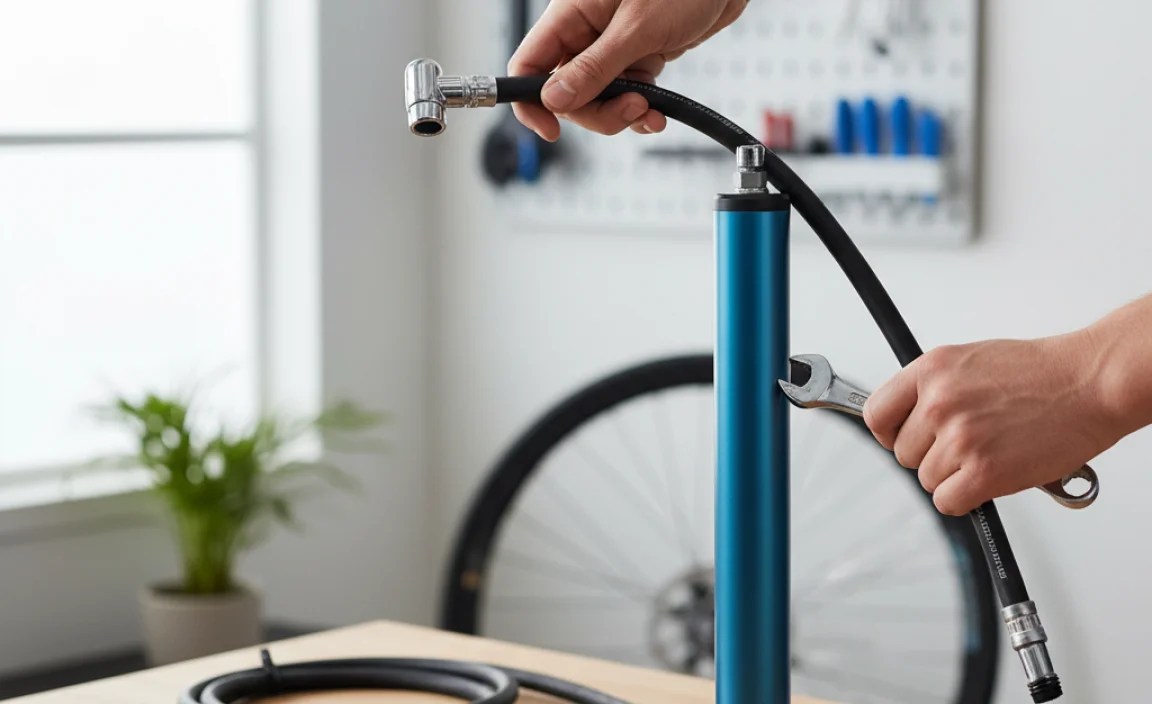
Replacing a floor pump replacement hose is usually easy. First, gather your tools. You might need a wrench or pliers. Check your pump’s manual for specific instructions. Disconnect the old hose from the pump. This might involve unscrewing a fitting. Be careful not to damage the pump. Attach the new hose to the pump. Make sure the connection is tight. You might need to use a wrench to tighten the fitting. Connect the other end of the hose to the tire valve. Test the pump to make sure it works. If air leaks out, tighten the connections. Replacing a hose is a simple way to fix your floor pump.
- Gather your tools.
- Disconnect the old hose.
- Attach the new hose.
- Tighten the connections.
- Test the pump.
Before you start, read the instructions that come with your new floor pump replacement hose. Some hoses have special instructions. Make sure you understand them before you begin. If you’re not comfortable replacing the hose yourself, ask a bike shop for help. They can usually do it for a small fee. Be careful when you’re working with tools. Don’t overtighten the connections. This can damage the pump or the hose. Take your time and be patient. Replacing a hose is a simple project. But it’s important to do it right. A properly installed hose will keep your tires inflated and ready to ride.
Fun Fact or Stat: Most floor pump hose replacements take less than 15 minutes!
What Tools Do I Need?
Imagine trying to build a Lego set without the instructions. It would be difficult. The same is true for replacing a floor pump replacement hose. You need the right tools. A wrench is often needed to loosen and tighten fittings. Pliers can help you grip small parts. A screwdriver might be needed to remove screws. Check your pump’s manual to see what tools you need. Having the right tools makes the job much easier. It also helps prevent damage to the pump or the hose. Gather your tools before you start. This saves you time and frustration.
How Do I Disconnect the Old Hose?
Think of untying a knot. You need to be careful not to pull too hard. Disconnecting the old floor pump replacement hose is similar. You need to be gentle. Find the connection point on the pump. It might be a screw-on fitting or a clip. Use a wrench or pliers to loosen the fitting. If it’s a clip, use a screwdriver to pry it open. Be careful not to damage the pump. Once the fitting is loose, gently pull the hose off. If it’s stuck, try wiggling it back and forth. Don’t force it. Forcing it can damage the pump. Take your time and be patient.
How Do I Attach the New Hose?
Imagine fitting a puzzle piece into place. It should fit snugly. Attaching the new floor pump replacement hose is similar. Make sure the connection point is clean. Remove any dirt or debris. Line up the new hose with the connection point. Push it into place. If it’s a screw-on fitting, tighten it with a wrench. Don’t overtighten it. If it’s a clip, snap it into place. Make sure the hose is securely attached. Give it a gentle tug to test it. If it comes loose, tighten the connection. A secure connection is important for efficient pumping.
Troubleshooting Hose Problems
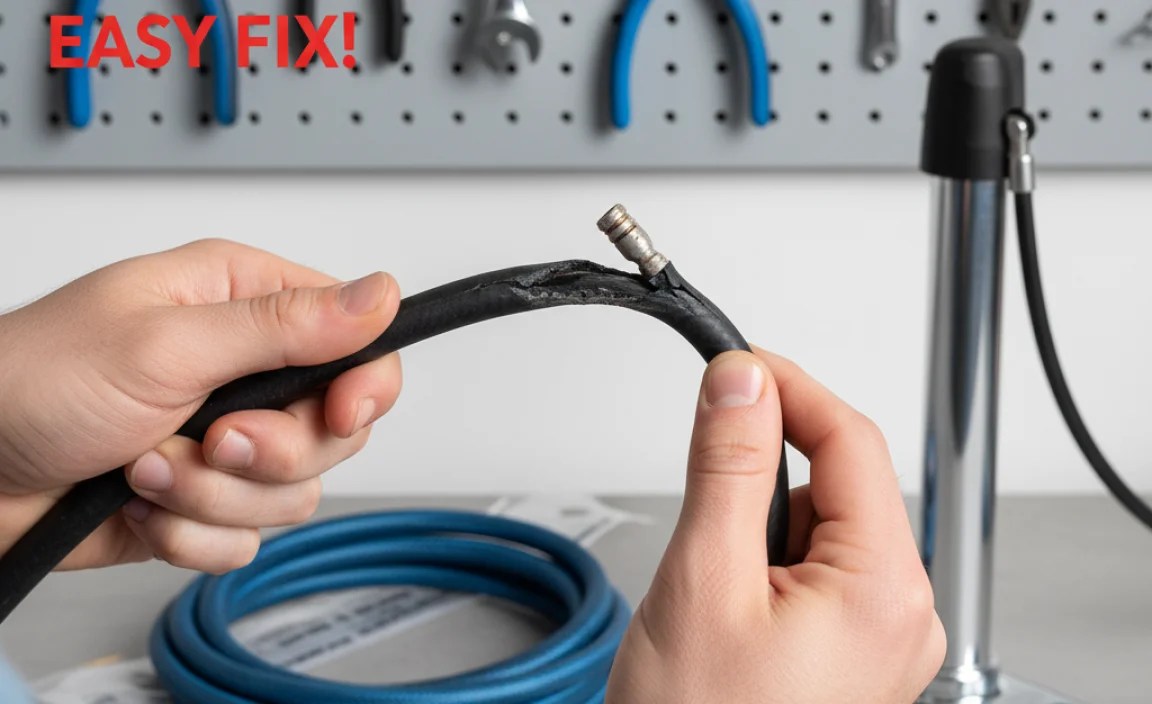
Sometimes, even with a new floor pump replacement hose, problems can happen. Air might leak out of the connection. This usually means the connection isn’t tight enough. Use a wrench to tighten the fitting. Make sure the hose is properly seated. The hose might kink or bend. This can block the airflow. Try straightening the hose. Avoid storing the pump in a way that kinks the hose. The pump might not be working at all. Check the pump’s internal parts. There might be a problem with the piston or valves. If you can’t fix the problem, take the pump to a bike shop. They can diagnose and repair it.
- Check for air leaks at the connections.
- Straighten any kinks in the hose.
- Check the pump’s internal parts.
- Take the pump to a bike shop if needed.
When you’re troubleshooting a floor pump replacement hose, start with the simplest solutions. Check the connections first. Make sure they are tight and secure. Look for any visible damage to the hose. Cracks or tears can cause leaks. If you’re still having problems, try a different tire valve. The valve on your tire might be faulty. If you’ve tried everything and the pump still doesn’t work, it might be time for a new pump. Sometimes, the cost of repairing an old pump is more than buying a new one. A new pump will give you years of reliable service.
Fun Fact or Stat: Most air leaks occur at the valve stem connection, so double-check that first!
Why Is Air Leaking?
Have you ever tried to drink from a straw with a hole in it? It’s hard to get any liquid. Air leaking from a floor pump replacement hose is similar. It makes it hard to inflate your tires. Air leaks usually happen at the connections. Check the connection between the hose and the pump. Check the connection between the hose and the tire valve. Tighten the connections if they are loose. Look for cracks or tears in the hose. Replace the hose if it’s damaged. A tight, undamaged hose is essential for efficient pumping.
Why Is the Hose Kinking?
Imagine trying to run with a rope tied around your legs. It would be difficult and annoying. A kinking floor pump replacement hose is similar. It blocks the airflow and makes pumping harder. Kinks can happen from storing the pump improperly. Avoid wrapping the hose too tightly. Store the pump in a way that allows the hose to hang freely. If the hose is already kinked, try straightening it gently. Sometimes, heat can help. Use a hairdryer to warm the hose slightly. This makes it more flexible. Be careful not to overheat the hose.
When Should I Replace the Whole Pump?
Think of an old car. Sometimes, it’s cheaper to buy a new car than to keep fixing the old one. The same is true for a floor pump. If your pump is very old or has many problems, it might be time to replace it. If the piston is broken, the valves are damaged, or the gauge doesn’t work, a new pump might be the best option. Consider the cost of repairs. If the repairs cost more than a new pump, it’s probably time to upgrade. A new pump will give you better performance and reliability. Plus, new pumps often have better features.
Maintaining Your Floor Pump Hose

Taking care of your floor pump replacement hose helps it last longer. Store your pump in a cool, dry place. Avoid direct sunlight and extreme temperatures. Check the hose regularly for cracks or wear. Clean the hose with a damp cloth. This removes dirt and grime. Lubricate the hose connections with silicone spray. This keeps them from drying out and cracking. Avoid bending or twisting the hose too much. When you’re not using the pump, store the hose in a relaxed position. Proper maintenance keeps your hose in good condition.
- Store the pump in a cool, dry place.
- Check the hose for cracks and wear.
- Clean the hose with a damp cloth.
- Lubricate the connections.
- Avoid bending or twisting the hose.
When you’re cleaning your floor pump replacement hose, avoid using harsh chemicals. These can damage the rubber or plastic. Use mild soap and water. Rinse the hose thoroughly and let it dry completely. When you’re lubricating the connections, use a silicone-based lubricant. Avoid using oil-based lubricants. These can attract dirt and grime. Check the hose pressure regularly. Over-inflating your tires can put stress on the hose. Use a tire pressure gauge to make sure your tires are properly inflated. With proper care, your floor pump hose can last for many years.
Fun Fact or Stat: A little silicone lubricant can prevent the hose from drying out and cracking, extending its life by up to a year!
How Should I Store My Pump?
Imagine storing a garden hose. You wouldn’t leave it tangled in a pile. You would coil it neatly. The same is true for your floor pump hose. Store your pump in a way that protects the hose. Avoid wrapping the hose too tightly around the pump. This can cause kinks and cracks. Hang the pump on a wall or store it in a box. This keeps the hose from being bent or crushed. Keep the pump away from direct sunlight and extreme temperatures. A cool, dry place is best. Proper storage extends the life of your pump and hose.
How Often Should I Clean the Hose?
Think of washing your hands. You do it regularly to remove dirt and germs. Cleaning your floor pump replacement hose is similar. You should clean it regularly to remove dirt and grime. How often depends on how often you use the pump. If you use the pump every day, clean the hose once a month. If you only use the pump occasionally, clean the hose every few months. Use a damp cloth and mild soap. Rinse the hose thoroughly and let it dry completely. A clean hose performs better and lasts longer.
What Kind of Lubricant Should I Use?
Imagine putting oil on a squeaky door hinge. It helps it move smoothly. Lubricating your floor pump replacement hose connections is similar. It keeps them from drying out and cracking. Use a silicone-based lubricant. Silicone lubricant is safe for rubber and plastic. Avoid using oil-based lubricants. These can damage the hose. Apply a small amount of lubricant to the connections. Wipe off any excess lubricant. Lubricate the connections every few months. This keeps them in good condition and prevents leaks.
Upgrading Your Floor Pump
Sometimes, instead of just replacing the hose, you might want to upgrade your whole floor pump. New pumps have better features. They might have a more accurate gauge. They might have a more comfortable handle. Some pumps have dual-head connectors that work with both Presta and Schrader valves. Upgrading your pump can make inflating your tires easier and more efficient. Consider your needs and budget. A new pump can be a worthwhile investment.
- Consider pumps with more accurate gauges.
- Look for pumps with comfortable handles.
- Choose pumps with dual-head connectors.
- Think about your needs and budget.
When you’re upgrading your floor pump, think about the type of tires you have. If you have high-pressure tires, you need a pump that can handle high pressure. Look for a pump with a sturdy construction and a reliable gauge. If you have tubeless tires, you might want a pump with a built-in reservoir. This helps seat the tire bead. Read reviews before you buy a new pump. See what other people think about its performance and durability. A good pump can make a big difference in your cycling experience.
Fun Fact or Stat: High-end floor pumps can inflate tires up to 220 PSI for specialized track cycling!
What Features Should I Look For?
Imagine buying a new phone. You would want it to have the features you need. The same is true for a floor pump. Think about what features are important to you. A good gauge is essential for accurate inflation. A comfortable handle makes pumping easier. A long hose gives you more flexibility. A stable base keeps the pump from tipping over. Dual-head connectors work with both Presta and Schrader valves. Look for these features when you’re shopping for a new pump.
What Are the Best Pump Brands?
Have you ever heard of certain brands being known for quality? Some floor pump brands are known for their quality and reliability. Topeak, Lezyne, and Park Tool are popular choices. These brands make pumps that are durable and accurate. They also offer good customer support. Do some research to find the best brand for your needs. Read reviews and compare prices. A reputable brand is a good indicator of quality.
How Much Should I Spend?
Think of setting a budget for a new toy. You want to get the best value for your money. The same is true for a floor pump. Set a budget before you start shopping. Floor pumps range in price from $30 to $100 or more. The price depends on the features and quality. A more expensive pump might last longer and perform better. But you don’t necessarily need to spend a lot of money to get a good pump. Find a pump that fits your needs and your budget.
Summary
A broken floor pump replacement hose can stop you from riding your bike. Hoses break from bending, sunlight, and heat. Choosing the right replacement hose is important. Consider the size, material, and valve type. Replacing the hose is usually easy with the right tools. Taking care of your hose helps it last longer. Store your pump in a cool, dry place. Check the hose regularly for cracks. If your pump has many problems, consider upgrading to a new one. A good floor pump is essential for keeping your tires inflated and ready to ride.
Conclusion
Keeping your bike tires properly inflated is important for safety and performance. A good floor pump is an essential tool for any cyclist. If your hose breaks, don’t worry. Replacing a floor pump replacement hose is a simple and affordable way to fix your pump. Choose the right hose, follow the instructions, and take care of your pump. This will keep you riding smoothly for years to come.
Frequently Asked Questions
Question No 1: How do I know if my floor pump hose needs to be replaced?
Answer: Look for signs of wear and tear. Cracks, tears, or leaks in the hose are clear indicators. If you notice it takes longer to inflate your tires or if the pump feels less efficient, the hose might be the problem. Also, check the connection points. If they are loose or damaged, it’s time to consider a replacement. Regular inspection can help you catch these issues early and prevent a complete breakdown during a ride. Remember, a compromised hose can lead to inaccurate pressure readings and potentially unsafe riding conditions.
Question No 2: Can I use any hose as a replacement for my floor pump?
Answer: No, you can’t just use any hose. A floor pump replacement hose needs to be compatible with your specific pump model. Different pumps have different connection types and pressure requirements. Using the wrong hose can lead to leaks, damage to the pump, or even injury. Always check the manufacturer’s specifications or consult with a bike shop to ensure you get the correct replacement. Look for hoses designed specifically for floor pumps. These are made to withstand the high pressures and frequent use associated with inflating bike tires.
Question No 3: What is the difference between Presta and Schrader valves, and how does it affect my hose choice?
Answer: Presta and Schrader valves are two common types of bike tire valves. Presta valves are narrow and have a locking nut at the tip. Schrader valves are wider and similar to those found on car tires. Your floor pump replacement hose needs to have a connector that is compatible with your valve type. Some hoses have dual-head connectors that work with both Presta and Schrader valves. Make sure you choose a hose with the correct connector for your tires. Using the wrong connector can damage the valve or prevent you from inflating the tire.
Question No 4: How do I prevent my floor pump hose from cracking or drying out?
Answer: Proper storage and maintenance are key. Store your floor pump in a cool, dry place away from direct sunlight. UV rays can damage the rubber or plastic in the hose, causing it to crack and dry out. Regularly clean the hose with a damp cloth to remove dirt and grime. You can also apply a silicone-based lubricant to the connection points. This helps to keep them from drying out and cracking. Avoid bending or twisting the hose excessively. When not in use, store the hose in a relaxed position.
Question No 5: Is it cheaper to replace the hose or buy a new floor pump?
Answer: In most cases, replacing the hose is much cheaper than buying a new floor pump. A floor pump replacement hose typically costs a fraction of the price of a new pump. If the pump is otherwise in good working condition, replacing the hose is a cost-effective solution. However, if the pump is old or has other issues, such as a broken gauge or a faulty piston, it might be more worthwhile to invest in a new pump. Consider the overall condition of the pump and the cost of repairs versus replacement.
Question No 6: Where can I find the right replacement hose for my specific floor pump model?
Answer: Start by checking the manufacturer’s website. Many manufacturers sell replacement parts directly. You can also find replacement hoses at local bike shops or online retailers like Amazon. When searching, be sure to include the brand and model number of your floor pump. This will help you find a compatible hose. If you’re unsure, consult with a bike shop or contact the manufacturer for assistance. They can help you identify the correct floor pump replacement hose for your needs and ensure a proper fit.


