
Pump Gauge Magnetic Mount: Easy, Powerful Readings

Quick Summary: Attaching a magnetic mount to your pump gauge is simple! First, clean the back of your gauge. Then, apply adhesive to a strong magnet, like a neodymium magnet. Stick the magnet to the gauge, let it dry completely, and you’re done. Now you can easily attach your pump gauge to any metal surface for hands-free use!
Ever struggled to read your pump gauge while trying to inflate a tire? It’s a common frustration for cyclists. Juggling the pump, the tire, and trying to see that tiny needle can be a real pain. A magnetic mount solves this by letting you stick your gauge to any convenient metal surface, freeing up your hands and making inflation much easier.
In this guide, I’ll show you how to easily add a magnetic mount to your pump gauge. This simple upgrade will make your bike maintenance routine smoother and more efficient. Let’s get started!
Why Add a Magnetic Mount to Your Pump Gauge?

Adding a magnetic mount to your pump gauge offers several benefits for cyclists. Here’s why it’s a worthwhile upgrade:
- Hands-Free Operation: A magnetic mount allows you to attach the gauge to any metal surface, freeing up your hands to focus on the pump and tire.
- Improved Visibility: By positioning the gauge at eye level, you can easily read the pressure without bending or straining.
- Increased Accuracy: A stable, securely mounted gauge provides more accurate readings compared to holding it in your hand.
- Convenience: It simplifies the inflation process, making it quicker and more efficient.
- Versatility: You can attach the gauge to various metal surfaces like bike stands, car frames, or even your toolbox.
Choosing the Right Magnet

Selecting the right magnet is crucial for a successful magnetic mount. Here are the key factors to consider:
- Magnet Type: Neodymium magnets are the best choice due to their high strength and small size. These magnets provide a strong hold without adding excessive bulk.
- Size and Strength: Choose a magnet that is large enough to provide a secure grip but not so large that it interferes with the gauge’s operation. A magnet with a pull force of 5-10 pounds is usually sufficient.
- Shape: Disc or rectangular magnets are generally easier to attach to the back of a pump gauge.
- Coating: Look for magnets with a protective coating, such as nickel or epoxy, to prevent corrosion and ensure longevity.
Here’s a comparison of different magnet types:
| Magnet Type | Strength | Pros | Cons | Best Use |
|---|---|---|---|---|
| Neodymium | Very High | Small size, very strong, durable | More expensive, can be brittle | Pump gauges, tools, anywhere strong hold is needed |
| Ferrite | Medium | Inexpensive, resistant to corrosion | Weaker than neodymium, larger size | General purpose, less critical applications |
| Alnico | Medium to High | High temperature resistance, good for sensors | More expensive, can be demagnetized | High temperature environments, sensors |
| Samarium Cobalt | High | High temperature resistance, good corrosion resistance | Expensive, can be brittle | Aerospace, high-end applications |
Materials and Tools You’ll Need

Before you start, gather the necessary materials and tools. This will ensure a smooth and efficient installation process.
- Pump Gauge: The gauge you want to add the magnetic mount to.
- Neodymium Magnet: A small, strong neodymium magnet (5-10 lbs pull force).
- Adhesive: A strong adhesive such as epoxy, super glue, or construction adhesive.
- Cleaning Supplies: Rubbing alcohol and a clean cloth to prepare the gauge surface.
- Sandpaper (Optional): For roughing up the surface of the gauge for better adhesion.
- Clamps or Weights (Optional): To hold the magnet in place while the adhesive dries.
Step-by-Step Guide to Attaching the Magnetic Mount

Follow these steps to securely attach a magnetic mount to your pump gauge:
Step 1: Prepare the Gauge Surface
Start by cleaning the back of the pump gauge with rubbing alcohol and a clean cloth. This removes any dirt, grease, or residue that could interfere with the adhesive. If the surface is smooth, lightly sand it with fine-grit sandpaper to create a rougher texture for better adhesion. Wipe away any sanding dust with the cloth and rubbing alcohol.
Step 2: Apply Adhesive to the Magnet
Apply a small amount of strong adhesive to one side of the neodymium magnet. Be careful not to use too much adhesive, as it could squeeze out and make a mess. Follow the manufacturer’s instructions for the adhesive you are using. Epoxy adhesives often require mixing two components together before application.
Step 3: Attach the Magnet to the Gauge
Carefully position the magnet on the back of the pump gauge. Press it firmly into place, ensuring it makes full contact with the surface. If necessary, use clamps or weights to hold the magnet in place while the adhesive dries. This will ensure a strong and secure bond.
Step 4: Allow the Adhesive to Dry
Let the adhesive dry completely according to the manufacturer’s instructions. This may take several hours or even overnight. Avoid moving or using the gauge during this time to ensure the adhesive sets properly. Patience is key to a successful bond.
Step 5: Test the Magnetic Mount
Once the adhesive is fully cured, test the magnetic mount by attaching the gauge to a metal surface. Ensure the magnet holds the gauge securely and that it doesn’t slip or move. If the bond seems weak, you may need to reapply adhesive or use a stronger magnet.
Alternative Mounting Methods
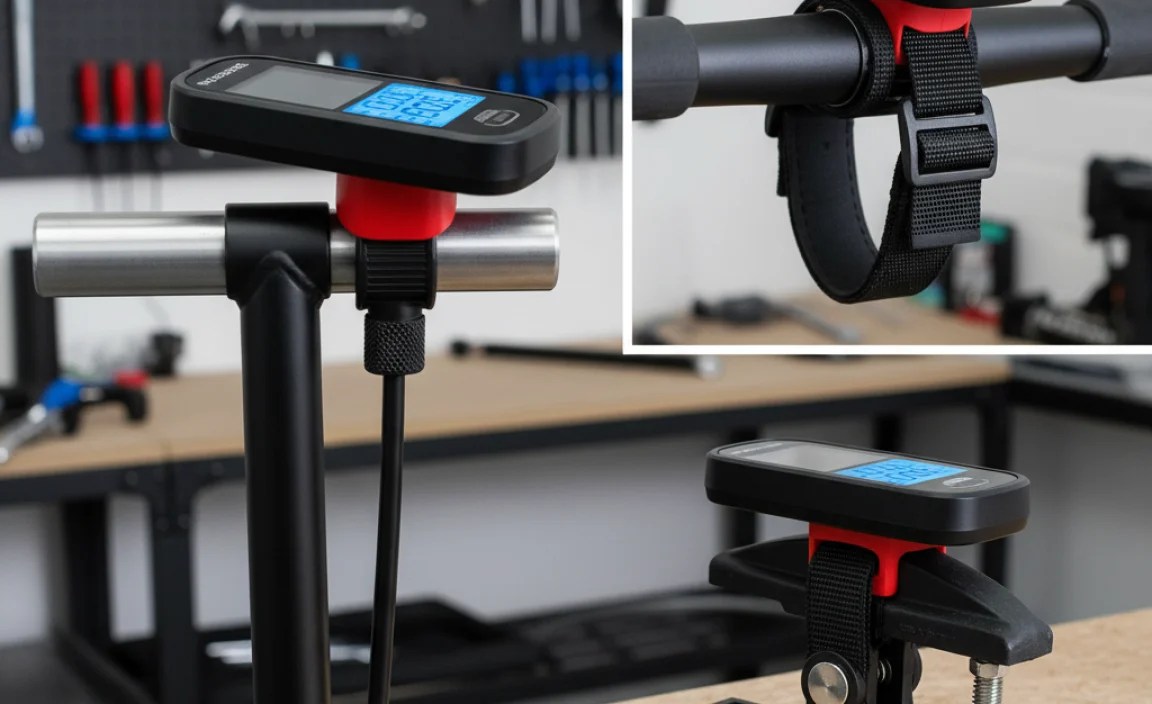
While adhesive is the most common method, here are a few alternative ways to attach a magnetic mount to your pump gauge:
- Mechanical Fasteners: If your gauge has screw holes, you could use small screws to attach a magnetic plate or bracket.
- Epoxy Putty: Epoxy putty can be molded around the magnet and gauge, providing a strong and custom fit.
- 3D Printing: If you have access to a 3D printer, you can design and print a custom mount that incorporates a magnet.
Tips for a Strong and Secure Mount
To ensure your magnetic mount is strong and durable, consider these tips:
- Use a High-Quality Adhesive: Choose an adhesive that is specifically designed for bonding metal to plastic or metal to metal.
- Clean the Surfaces Thoroughly: Proper surface preparation is essential for good adhesion.
- Apply Even Pressure: Ensure the magnet is in full contact with the gauge surface while the adhesive dries.
- Allow Sufficient Drying Time: Follow the adhesive manufacturer’s instructions for drying time.
- Consider Surface Roughness: Roughening smooth surfaces with sandpaper can improve adhesion.
Troubleshooting Common Issues
Here are some common issues you might encounter and how to resolve them:
- Weak Bond: If the magnet comes loose, try using a stronger adhesive or cleaning the surfaces more thoroughly.
- Magnet Slipping: If the magnet slips, try using a larger magnet or adding a non-slip material between the magnet and the mounting surface.
- Adhesive Residue: If there is adhesive residue, use a solvent such as acetone or rubbing alcohol to remove it. Be careful not to damage the gauge.
Maintaining Your Magnetic Mount
To keep your magnetic mount in good condition, follow these maintenance tips:
- Clean Regularly: Wipe the magnet and gauge with a clean cloth to remove dirt and debris.
- Protect from Moisture: Avoid exposing the magnet to excessive moisture, which can cause corrosion.
- Inspect Periodically: Check the magnet and adhesive for any signs of damage or wear.
- Replace as Needed: If the magnet becomes weak or the adhesive fails, replace the magnet or reapply the adhesive.
Benefits of Using a Magnetic Mount
Using a magnetic mount for your pump gauge offers several advantages:
- Increased Efficiency: Speeds up the tire inflation process.
- Improved Accuracy: Provides stable and reliable pressure readings.
- Enhanced Convenience: Frees up your hands and makes it easier to read the gauge.
- Greater Versatility: Allows you to attach the gauge to various metal surfaces.
- Professional Look: Gives your bike maintenance setup a more organized and professional appearance.
Where to Buy Magnetic Mounts and Supplies
You can find magnetic mounts, neodymium magnets, and adhesives at various retailers:
- Online Retailers: Amazon, eBay, and other online marketplaces offer a wide selection of magnets and adhesives.
- Hardware Stores: Home Depot, Lowe’s, and other hardware stores carry a variety of magnets and adhesives.
- Specialty Magnet Shops: Stores that specialize in magnets offer a wide range of sizes and strengths.
- Hobby Shops: Hobby Lobby, Michaels, and other hobby shops carry magnets and adhesives for various projects.
Here’s a comparison of some popular online retailers:
| Retailer | Selection | Price | Shipping | Customer Service |
|---|---|---|---|---|
| Amazon | Very Wide | Competitive | Fast, often free with Prime | Good |
| eBay | Wide, varies by seller | Often lower | Varies by seller | Varies by seller |
| Home Depot | Good | Competitive | Free in-store pickup, shipping available | Good |
| Lowe’s | Good | Competitive | Free in-store pickup, shipping available | Good |
FAQ About Pump Gauge Magnetic Mounts
What kind of magnet should I use?
A small, strong neodymium magnet works best. Look for one with a pull force of 5-10 pounds.
What adhesive is best for attaching the magnet?
Epoxy, super glue, or a strong construction adhesive will all work well. Make sure to clean the surfaces before applying the adhesive.
Can I use a regular refrigerator magnet?
No, refrigerator magnets are not strong enough to hold the gauge securely. You need a neodymium magnet for a reliable hold.
How do I clean the gauge before attaching the magnet?
Use rubbing alcohol and a clean cloth to remove any dirt, grease, or residue from the back of the gauge.
How long should I let the adhesive dry?
Follow the manufacturer’s instructions for the adhesive you are using. It usually takes several hours or overnight for the adhesive to fully cure.
What if the magnet comes loose?
Try using a stronger adhesive or cleaning the surfaces more thoroughly. You can also try roughening the surface with sandpaper before applying the adhesive.
Where can I buy neodymium magnets?
You can buy neodymium magnets online from retailers like Amazon and eBay, or at hardware stores and specialty magnet shops.
Conclusion
Adding a magnetic mount to your pump gauge is a simple and effective way to improve your bike maintenance routine. By following these steps, you can create a hands-free, easy-to-read gauge that will make tire inflation a breeze. With the right materials and a little bit of patience, you can enjoy the convenience and efficiency of a magnetic mount for years to come. So go ahead, give it a try, and experience the difference it makes!


