
Ultimate Pump for Touring Bikes: Ride Worry-Free!

Quick Summary:
The best pump for touring bikes is reliable, durable, and portable. Look for a mini-pump or frame-mounted pump with high pressure (at least 80-90 PSI) and compatibility with both Presta and Schrader valves. Durability is key, so consider pumps made from aluminum alloy. A built-in gauge helps ensure proper inflation.
Getting a flat tire while you’re miles from anywhere on a touring bike is more than an inconvenience; it can derail your entire trip. That’s why having the right pump is crucial. But with so many options out there, finding the perfect pump for your touring setup can feel overwhelming. Don’t worry! I’m Raymond Ammons from BicyclePumper.com, and I’m here to guide you through selecting a pump that’s reliable, easy to use, and built to last.
In this guide, we’ll cover the key features to look for, different types of pumps suitable for touring, and how to choose the best one for your needs. Plus, I’ll share some of my top recommendations to keep you rolling smoothly on your next adventure. Let’s get started!
Understanding Your Pumping Needs for Touring
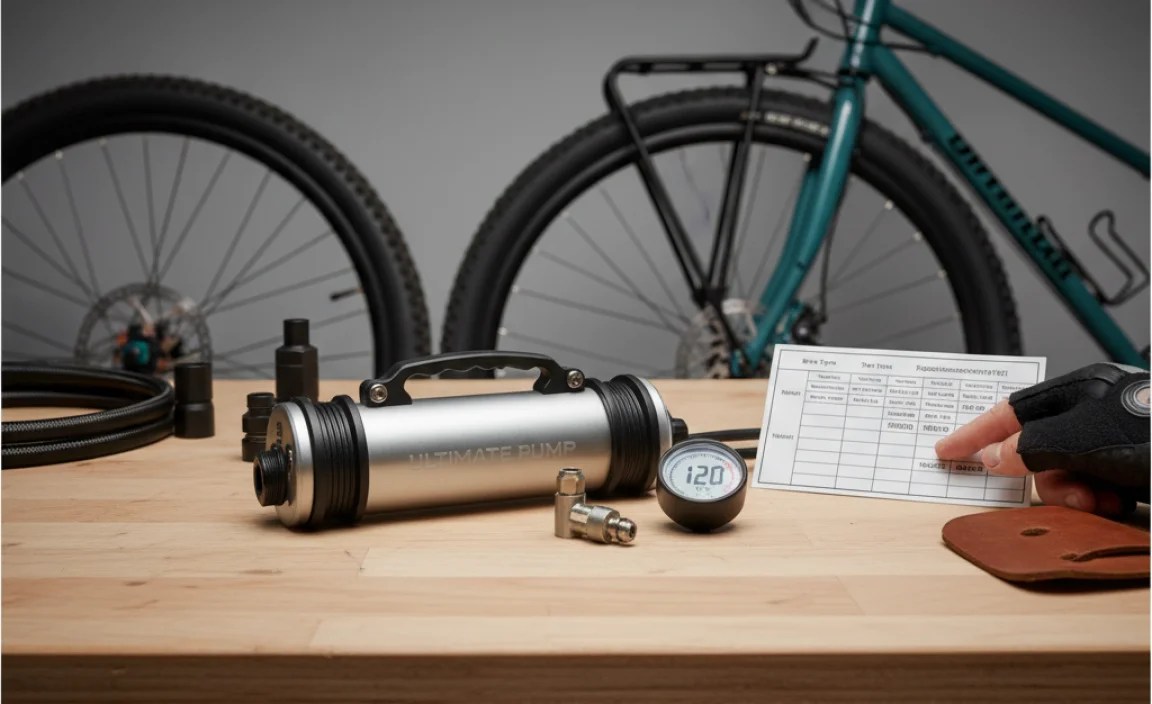
Before diving into specific pump models, let’s consider what makes a pump ideal for touring. Touring bikes often carry heavy loads and travel long distances, meaning you need a pump that’s reliable, efficient, and easy to use in various conditions.
Key Considerations
- Durability: Touring can be tough on equipment, so choose a pump made from durable materials like aluminum alloy. Avoid plastic parts where possible, as they can break easily.
- Portability: Space is precious when touring. A compact mini-pump or frame-mounted pump is your best bet.
- Pressure: Touring bikes often use higher tire pressures for efficiency and load carrying. Look for a pump that can reach at least 80-90 PSI (pounds per square inch).
- Valve Compatibility: Ensure the pump works with both Presta and Schrader valves. Some pumps have dual heads, while others require switching internal parts.
- Ease of Use: Choose a pump that’s easy to operate, even when you’re tired or in a hurry. A comfortable handle and a secure valve attachment are essential.
- Gauge (Optional but Recommended): A built-in pressure gauge allows you to inflate your tires to the correct pressure, improving ride quality and preventing flats.
Types of Pumps for Touring Bikes

There are several types of pumps that can work for touring, each with its own set of pros and cons.
Mini-Pumps
Mini-pumps are compact and lightweight, making them ideal for saving space. They can be easily stored in a pannier or attached to your bike frame. However, they often require more strokes to inflate a tire compared to larger pumps.
Pros:
- Highly portable
- Lightweight
- Easy to store
Cons:
- Can be slow to inflate tires
- May require more effort to reach high pressures
Frame-Mounted Pumps
Frame-mounted pumps attach directly to your bike frame, keeping them readily accessible. They’re usually longer than mini-pumps, providing more air volume per stroke.
Pros:
- Conveniently located
- More efficient than mini-pumps
- No need to carry in a bag
Cons:
- Can be bulky
- May not fit all frame sizes
- Can be exposed to the elements
Floor Pumps (for Base Camp)
While not practical for carrying on your bike, a floor pump is invaluable if you’re setting up a base camp or have access to a support vehicle. Floor pumps offer high volume and pressure, making tire inflation quick and easy.
Pros:
- Fast and efficient inflation
- Easy to use
- High pressure capability
Cons:
- Not portable for on-the-road repairs
- Requires storage space
CO2 Inflators
CO2 inflators use compressed carbon dioxide cartridges to quickly inflate tires. They’re lightweight and fast but require purchasing cartridges, which can be costly and environmentally unfriendly. Plus, you’re out of luck if you run out of cartridges.
Pros:
- Extremely fast inflation
- Lightweight
- Compact
Cons:
- Requires purchasing cartridges
- Can be wasteful
- Limited to the number of cartridges you carry
Essential Features to Look For
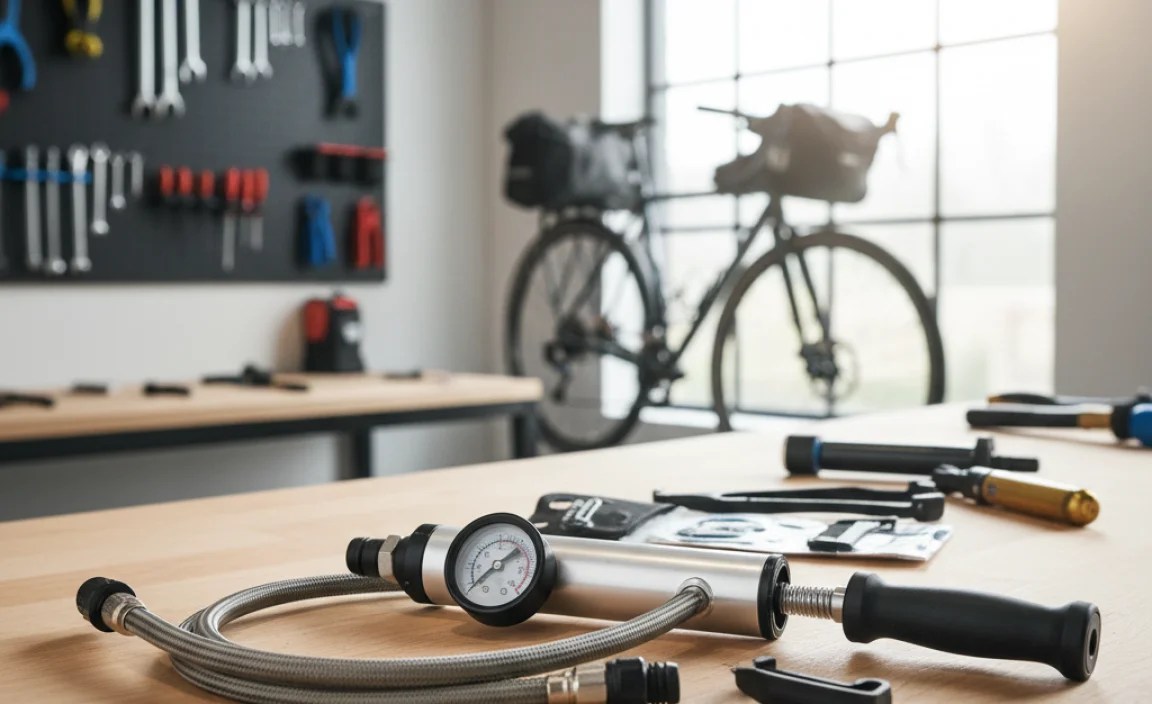
When choosing a pump for your touring bike, keep these features in mind:
- Material: Aluminum alloy is the best choice for durability.
- Valve Compatibility: A pump head that works with both Presta and Schrader valves is essential.
- Pressure Gauge: A gauge helps you achieve the correct tire pressure.
- Mounting Bracket: If opting for a frame-mounted pump, ensure it comes with a secure mounting bracket.
- Handle Comfort: A comfortable handle reduces hand fatigue during inflation.
- Length: Consider the pump’s length when stored. Too long, and it might interfere with your pedaling.
Top Pump Recommendations for Touring Bikes

Based on my experience and research, here are some of the best pumps for touring bikes:
Lezyne Micro Floor Drive HP
The Lezyne Micro Floor Drive HP is a mini-pump that combines the efficiency of a floor pump with the portability of a mini-pump. It features a foot peg for stability and a long hose for easy valve access.
| Feature | Description |
|---|---|
| Material | Aluminum Alloy |
| Max Pressure | 160 PSI |
| Valve Compatibility | Presta and Schrader |
| Gauge | Yes |
| Weight | 220g |
Topeak Road Morph G Mini Pump
The Topeak Road Morph G is another excellent mini-pump with a fold-out footpad and handle for easier inflation. It also includes an in-line gauge for accurate pressure readings.
| Feature | Description |
|---|---|
| Material | Aluminum/Plastic |
| Max Pressure | 160 PSI |
| Valve Compatibility | Presta and Schrader |
| Gauge | Yes |
| Weight | 221g |
Blackburn Chamber HV Mini-Pump
The Blackburn Chamber HV Mini-Pump is designed for high-volume tires, making it a great choice for touring bikes with wider tires. It features a durable aluminum construction and a comfortable handle.
| Feature | Description |
|---|---|
| Material | Aluminum |
| Max Pressure | 100 PSI |
| Valve Compatibility | Presta and Schrader |
| Gauge | No |
| Weight | 159g |
Silca Impero Frame Pump
The Silca Impero Frame Pump is a classic, high-quality frame pump known for its durability and efficiency. It’s designed to fit snugly against your bike frame and provides excellent pumping power.
| Feature | Description |
|---|---|
| Material | Aluminum Alloy/Leather |
| Max Pressure | 120 PSI |
| Valve Compatibility | Presta |
| Gauge | No |
| Weight | 255g (depending on size) |
Step-by-Step Guide to Using a Mini-Pump
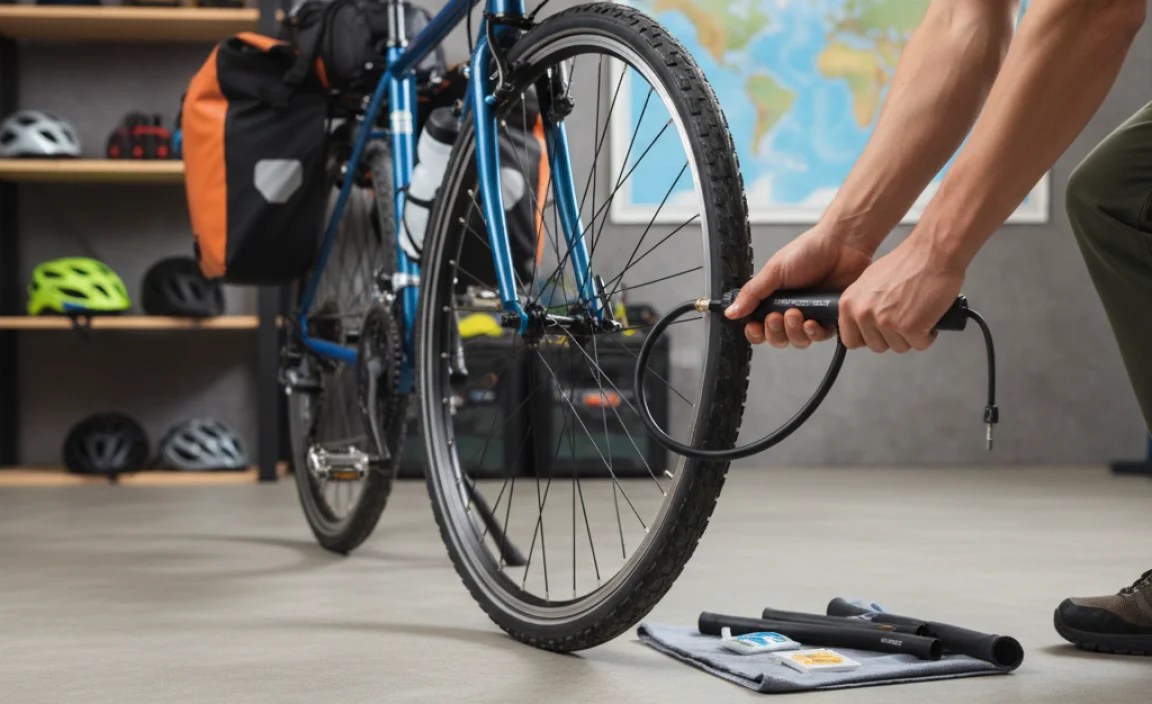
Using a mini-pump can be a bit tricky at first, but with practice, you’ll become a pro. Here’s a step-by-step guide:
- Prepare the Valve: For Presta valves, unscrew the valve nut. For Schrader valves, remove the valve cap.
- Attach the Pump Head: Firmly press the pump head onto the valve. Make sure it’s securely attached to prevent air leakage. Some pumps have a lever to lock the head in place.
- Stabilize the Pump: Place the pump on the ground (if it has a foot peg) or hold it firmly against the tire valve.
- Start Pumping: Use smooth, consistent strokes to inflate the tire. Keep your body weight over the pump to maximize efficiency.
- Check the Pressure: If your pump has a gauge, monitor the pressure as you pump. If not, use a separate pressure gauge to check the pressure periodically.
- Detach the Pump: Once the tire is inflated to the desired pressure, carefully detach the pump head from the valve.
- Secure the Valve: For Presta valves, screw the valve nut back on. For Schrader valves, replace the valve cap.
Maintenance Tips for Your Bike Pump
To keep your pump in good working condition, follow these maintenance tips:
- Clean the Pump Head: Regularly clean the pump head to remove dirt and debris that can interfere with the valve seal.
- Lubricate Moving Parts: Apply a small amount of lubricant to the pump’s moving parts, such as the piston and seals.
- Store Properly: Store your pump in a dry place to prevent corrosion and damage.
- Inspect Regularly: Check the pump for signs of wear and tear, such as cracks or leaks. Replace any damaged parts as needed.
Troubleshooting Common Pump Problems
Here are some common pump problems and how to fix them:
- Air Leakage: Ensure the pump head is securely attached to the valve. Check the valve core for damage and replace if necessary.
- Difficulty Pumping: Lubricate the pump’s moving parts. Check for obstructions in the pump hose or valve head.
- Gauge Inaccuracy: Replace the gauge if it’s consistently inaccurate.
- Pump Head Won’t Attach: Make sure the pump head is compatible with your valve type. Clean the valve and pump head to remove debris.
The Importance of Correct Tire Pressure
Maintaining the correct tire pressure is crucial for a smooth, efficient, and safe touring experience. Underinflated tires increase rolling resistance, making you work harder and increasing the risk of pinch flats. Overinflated tires can lead to a harsh ride and reduced traction. Consult your tire sidewall for the recommended pressure range and use a pressure gauge to ensure accurate inflation.
For touring bikes, consider these factors when determining tire pressure:
- Load: If you’re carrying a heavy load, increase the tire pressure to provide more support and prevent pinch flats.
- Road Conditions: On smooth roads, higher pressure can improve efficiency. On rough roads, lower pressure can provide a more comfortable ride and better traction.
- Tire Width: Wider tires can be run at lower pressures than narrower tires.
Alternatives to Traditional Pumps
While traditional hand pumps are the most common choice for touring, there are some alternatives to consider:
- Electric Pumps: Compact electric pumps are becoming increasingly popular. They offer effortless inflation but require a power source (battery or USB charging).
- Tubeless Inflators: If you’re running tubeless tires, a tubeless inflator can quickly seat the tire bead on the rim.
However, for most touring situations, a reliable hand pump remains the most practical and versatile option.
Choosing the Right Pump for Your Touring Style
The best pump for you ultimately depends on your touring style and preferences. If you prioritize lightweight and compact size, a mini-pump is a good choice. If you prefer convenience and efficiency, a frame-mounted pump might be better. And if you have access to a base camp, a floor pump can make tire inflation a breeze.
Consider these questions when making your decision:
- How much weight am I willing to carry?
- How important is speed and efficiency?
- Will I have access to a power source for an electric pump?
- What type of tires am I running?
FAQ About Pumps for Touring Bikes
Here are some frequently asked questions about pumps for touring bikes:
What PSI should I inflate my touring bike tires to?
The ideal PSI depends on your tires, load, and road conditions. Check the tire sidewall for the recommended pressure range, and adjust accordingly. A good starting point is usually between 60-80 PSI for wider touring tires.
Are CO2 inflators a good option for touring?
CO2 inflators are fast and lightweight, but they require purchasing cartridges. They can be a good backup option, but a reliable hand pump is essential for long tours.
How do I know if my pump is compatible with my bike’s valves?
Most pumps are designed to work with both Presta and Schrader valves. Look for a pump with a dual head or a switchable valve insert.
How often should I maintain my bike pump?
You should clean and lubricate your pump every few months, or more often if you use it frequently or ride in dusty conditions.
What’s the best way to store a frame-mounted pump?
Use the mounting bracket that comes with the pump to attach it securely to your bike frame. Make sure it’s positioned so it doesn’t interfere with your pedaling.
Can I use a floor pump to inflate my tires on the road?
Floor pumps are not designed for on-the-road use due to their size and lack of portability. They’re best suited for home or base camp use.
Is it worth getting a pump with a gauge?
Yes, a gauge is highly recommended. It allows you to accurately inflate your tires to the correct pressure, improving ride quality and preventing flats.
Conclusion
Choosing the right pump for your touring bike is an investment in your comfort, safety, and overall enjoyment. By considering your needs, understanding the different types of pumps available, and paying attention to essential features, you can find a pump that will serve you well on countless adventures. Remember to prioritize durability, portability, and valve compatibility. With the right pump by your side, you can confidently tackle any flat tire and keep rolling towards your destination. Happy touring!


