
How to Use Foot Hand Pump Combo: Easy Guide

Quick Summary:
Using a foot-hand pump combo is easy! First, secure the pump on the valve. Then, use your foot to stabilize the base. Next, pump with your hands until you reach the desired tire pressure. Check the built-in gauge often. These pumps are great for quick, accurate inflation at home or on the road.
Do your bike tires often feel a little soft? Are you tired of struggling with small, weak pumps that take forever? Many cyclists face the challenge of keeping their tires properly inflated. A foot-hand pump combo can be a game-changer. These pumps offer stability and power, making inflation quick and easy. No more wobbly pumps or aching arms!
In this guide, I’ll walk you through using a foot-hand pump combo, step by step. You’ll learn how to connect it properly, use the footplate for stability, and pump efficiently. Get ready to enjoy smoother, safer rides with perfectly inflated tires!
Understanding Foot-Hand Pump Combos
Foot-hand pump combos are designed to make inflating your tires easier and more efficient. They combine the stability of a foot pump with the power of a hand pump, giving you the best of both worlds. Here’s what makes them so useful:
- Stability: The footplate keeps the pump steady while you’re using it.
- Efficiency: Using your body weight and arm strength makes pumping easier.
- Accuracy: Many models include a built-in pressure gauge for precise inflation.
Types of Valves
Before you start, it’s important to know what type of valve your bike has. The two most common types are:
- Presta: A narrow valve with a small locking nut at the tip.
- Schrader: Similar to the valves on car tires, wider and more robust.
Most foot-hand pumps come with adapters to fit both valve types. Make sure you have the correct adapter attached before you begin.
Key Features to Look For
When choosing a foot-hand pump combo, consider these features:
- Gauge Accuracy: A reliable gauge helps you avoid over- or under-inflating your tires.
- Build Quality: Sturdy construction ensures the pump will last.
- Valve Compatibility: Make sure it works with both Presta and Schrader valves.
- Footplate Design: A wide, stable footplate makes pumping easier.
Step-by-Step Guide: Using a Foot-Hand Pump Combo
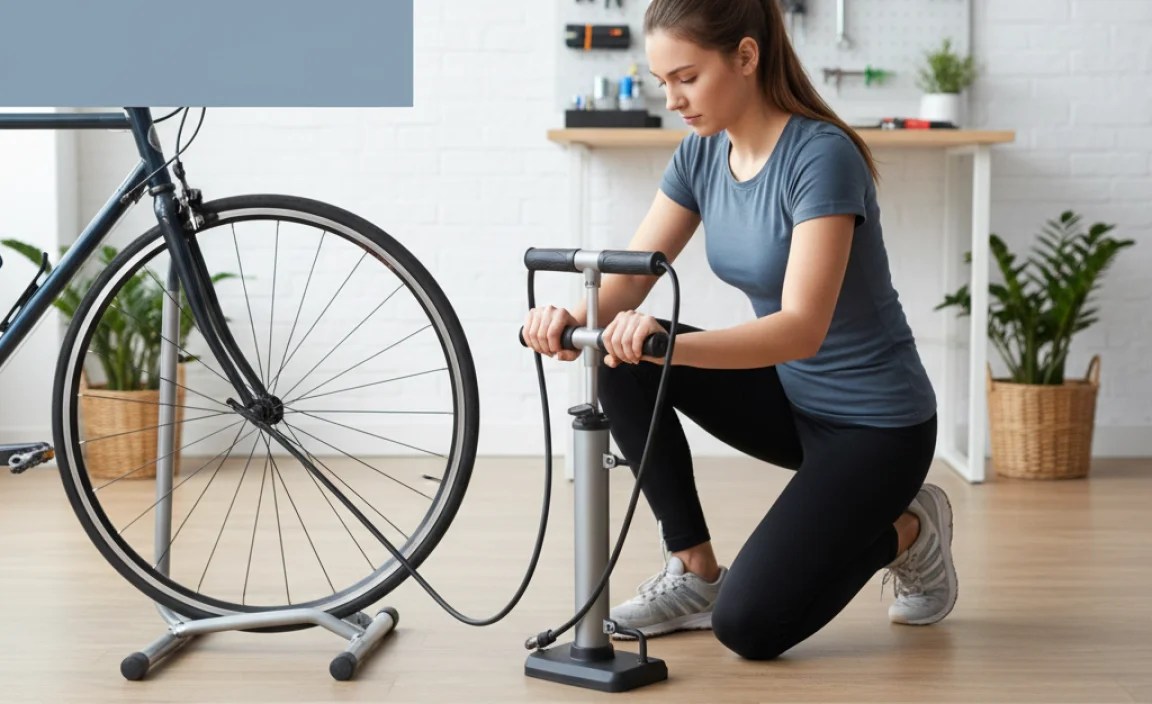
Now, let’s get into the actual process of using a foot-hand pump combo. Follow these steps for efficient and accurate inflation:
Step 1: Prepare Your Bike and Pump
First, position your bike so you can easily access the tire valve. Make sure the valve is clean and free of debris. Inspect the pump to ensure it’s in good working order.
- Check the Hose: Ensure it’s free from cracks or damage.
- Inspect the Nozzle: Make sure the adapter is correctly fitted for your valve type.
Step 2: Connect the Pump to the Valve
This is a crucial step. A secure connection prevents air leakage and ensures accurate inflation.
- Presta Valve: Unscrew the small locking nut at the tip of the valve. Press the valve briefly to release any trapped air.
- Schrader Valve: Simply remove the valve cap.
- Attach the Pump: Firmly press the pump nozzle onto the valve. Ensure it’s a snug fit. Some pumps have a lever to lock the nozzle in place.
Step 3: Stabilize the Pump
Place one or both feet on the footplate to stabilize the pump. This prevents it from wobbling and makes pumping more efficient.
- Position Your Feet: Place your feet comfortably on the footplate, ensuring a firm grip.
- Maintain Balance: Keep your weight balanced to prevent the pump from tipping.
Step 4: Begin Pumping
Now it’s time to start pumping. Use smooth, controlled strokes to inflate the tire.
- Grip the Handle: Hold the pump handle firmly with both hands.
- Pump with Even Strokes: Push down and pull up in a smooth, consistent motion.
- Watch the Gauge: Keep an eye on the pressure gauge as you pump.
Step 5: Monitor the Pressure
The pressure gauge is your best friend here. Over- or under-inflating your tires can affect performance and safety.
- Check Regularly: Monitor the gauge frequently as you pump.
- Refer to Recommended Pressure: Look for the recommended pressure range printed on the sidewall of your tire.
- Adjust as Needed: Stop pumping when you reach the desired pressure.
Step 6: Disconnect the Pump
Once you’ve reached the correct pressure, carefully disconnect the pump.
- Unlock the Nozzle: If your pump has a locking lever, release it.
- Remove the Nozzle: Gently pull the nozzle straight off the valve.
- Presta Valve: Screw the locking nut back down on the valve.
- Schrader Valve: Replace the valve cap.
Step 7: Double-Check Your Work
It’s always a good idea to double-check your work to ensure proper inflation.
- Inspect the Tire: Look for any signs of bulging or unevenness.
- Squeeze the Tire: The tire should feel firm but not rock hard.
- Take a Short Ride: If possible, take a quick spin to ensure the tires feel right.
Tips for Efficient Pumping
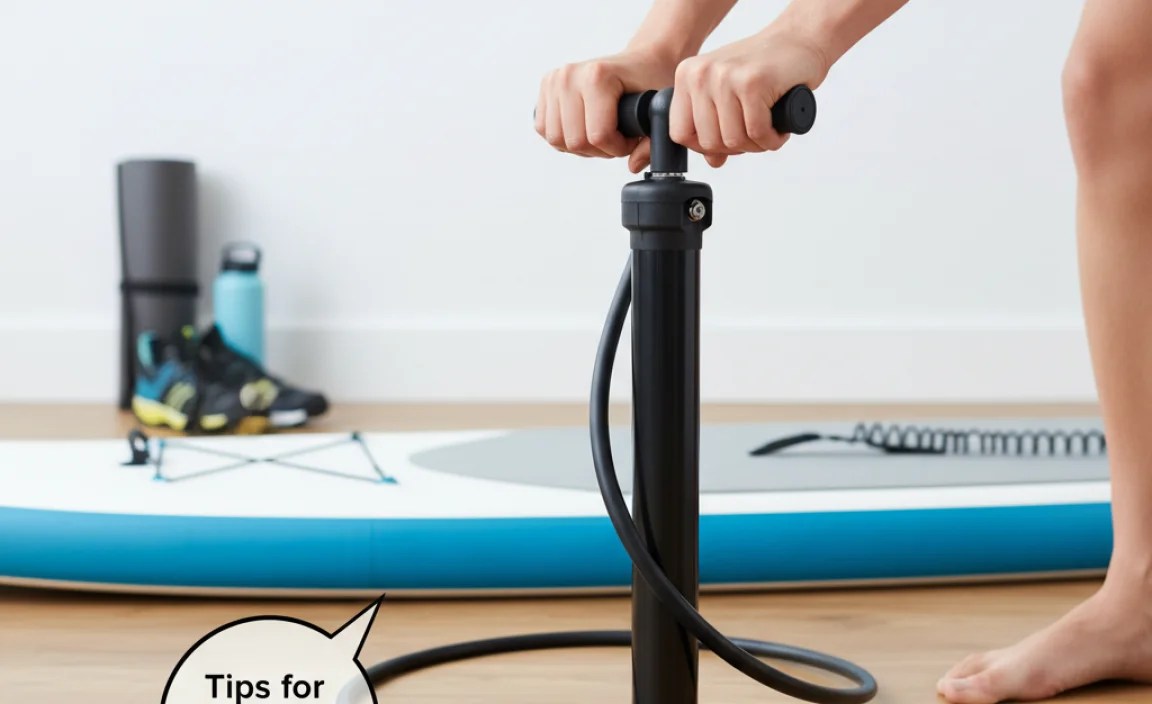
Here are some extra tips to help you pump like a pro:
- Use Your Body Weight: Lean into the pump to maximize efficiency.
- Maintain a Steady Rhythm: Consistent strokes make pumping easier.
- Lubricate the Pump: A little lubrication can keep the pump working smoothly.
- Store the Pump Properly: Keep it in a clean, dry place to prevent damage.
Troubleshooting Common Issues
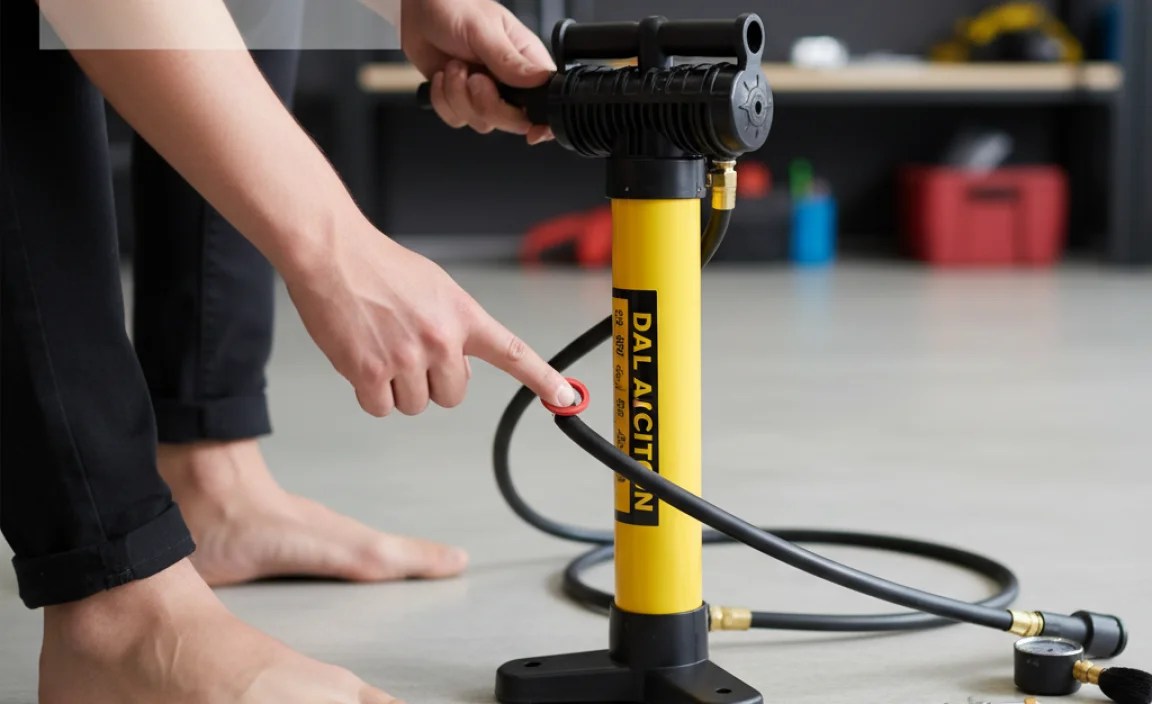
Even with the best equipment, you might encounter some issues. Here’s how to troubleshoot common problems:
Air Leaks
If you hear air leaking while pumping, check the connection between the nozzle and the valve.
- Tighten the Connection: Ensure the nozzle is firmly attached.
- Check the Adapter: Make sure you’re using the correct adapter for your valve type.
- Inspect the Valve: Look for damage or debris on the valve.
Difficulty Pumping
If you’re struggling to pump, it could be due to several factors.
- Check the Pump: Make sure the pump is working correctly.
- Lubricate the Piston: A little lubrication can make pumping easier.
- Reduce Tire Pressure: If the tire is already close to the desired pressure, it will be harder to pump.
Inaccurate Gauge Readings
If the gauge seems inaccurate, compare it to another gauge to verify.
- Use a Separate Gauge: Compare the reading to a handheld gauge.
- Check the Pump Gauge: Ensure the gauge is properly calibrated.
- Replace the Pump: If the gauge is consistently inaccurate, consider replacing the pump.
Maintaining Your Foot-Hand Pump Combo

Proper maintenance will extend the life of your pump and keep it working efficiently.
- Clean Regularly: Wipe down the pump with a damp cloth to remove dirt and grime.
- Lubricate Moving Parts: Use a silicone-based lubricant to keep the piston and other moving parts working smoothly.
- Store Properly: Store the pump in a clean, dry place to prevent rust and corrosion.
Benefits of Using a Foot-Hand Pump Combo
Here’s a quick recap of why foot-hand pump combos are a great choice for cyclists:
- Stability: The footplate provides a stable base for pumping.
- Efficiency: Using your body weight and arm strength makes pumping easier.
- Accuracy: The built-in gauge ensures precise inflation.
- Versatility: Compatible with both Presta and Schrader valves.
Comparing Foot-Hand Pumps to Other Options
Let’s take a look at how foot-hand pumps stack up against other types of pumps:
| Pump Type | Pros | Cons |
|---|---|---|
| Foot-Hand Pump | Stable, efficient, accurate | Can be bulky |
| Hand Pump | Portable, lightweight | Less efficient, can be tiring |
| CO2 Inflator | Fast inflation, very portable | Requires cartridges, can be wasteful |
| Electric Pump | Effortless, precise | Requires power, can be expensive |
Recommended Foot-Hand Pump Models
If you’re in the market for a new foot-hand pump, here are a few models to consider:
- Topeak JoeBlow Sport III: A reliable and durable pump with a large, easy-to-read gauge.
- Serfas TCPG: A high-quality pump with a stable base and comfortable handle.
- Schwinn Air Center Pro Floor Pump: A budget-friendly option that still offers good performance.
Advanced Techniques for Tire Inflation
Once you’re comfortable with the basics, you can explore some advanced techniques to optimize your tire pressure.
Understanding Tire Pressure
Tire pressure affects everything from rolling resistance to comfort and grip. Finding the right pressure for your riding style and conditions can make a big difference.
- Lower Pressure: Provides better grip and comfort on rough surfaces.
- Higher Pressure: Reduces rolling resistance on smooth surfaces.
Adjusting for Conditions
Consider adjusting your tire pressure based on the terrain and weather conditions.
- Wet Conditions: Lower pressure can improve grip on wet roads.
- Off-Road Riding: Lower pressure can help absorb bumps and provide better traction.
Using a Digital Gauge
For even greater accuracy, consider using a digital tire pressure gauge. These gauges provide precise readings and can help you fine-tune your tire pressure for optimal performance.
Accurate tire pressure is crucial for safety and performance. The U.S. Department of Transportation provides guidelines on tire safety, emphasizing the importance of maintaining proper inflation levels. You can find more information on their website NHTSA.
Common Mistakes to Avoid
Here are some common mistakes to avoid when using a foot-hand pump combo:
- Over-Inflating Tires: This can lead to a harsh ride and increase the risk of blowouts.
- Under-Inflating Tires: This can increase rolling resistance and make the bike harder to handle.
- Using the Wrong Adapter: Make sure you’re using the correct adapter for your valve type to prevent air leaks.
- Neglecting Maintenance: Regular cleaning and lubrication will keep your pump working smoothly.
Foot-Hand Pump Combo: A Cyclist’s Best Friend
A foot-hand pump combo is an essential tool for any cyclist. It provides a stable, efficient, and accurate way to inflate your tires. Whether you’re a casual rider or a serious enthusiast, a good pump can make a big difference in your cycling experience.
FAQ: Foot-Hand Pump Combos
What is a foot-hand pump combo?
It’s a bike pump that you operate with your hands while stabilizing it with your foot. This design makes pumping easier and more efficient.
How do I know what tire pressure to use?
Look for the recommended pressure range printed on the sidewall of your tire. Use the pump’s gauge to reach the desired pressure.
Can I use a foot-hand pump on any bike?
Yes, most foot-hand pumps are compatible with both Presta and Schrader valves, which are the two most common types of bike tire valves.
What if my pump isn’t working properly?
Check for air leaks, ensure the nozzle is properly connected, and lubricate the pump’s moving parts. If issues persist, consider replacing the pump.
How often should I inflate my tires?
Check and inflate your tires before each ride. Tires lose pressure over time, so regular maintenance is important for safety and performance.
Is it okay to over-inflate my tires?
No, over-inflating your tires can lead to a harsh ride and increase the risk of blowouts. Always stay within the recommended pressure range.
How do I maintain my foot-hand pump?
Clean the pump regularly with a damp cloth, lubricate moving parts, and store it in a clean, dry place to prevent damage.
Conclusion
Mastering the use of a foot-hand pump combo is a simple yet impactful skill for any cyclist. By following these steps, you can ensure your tires are always properly inflated, leading to safer, smoother, and more enjoyable rides. Don’t let flat or under-inflated tires slow you down. With a reliable foot-hand pump and a little practice, you’ll be ready to tackle any cycling adventure with confidence. Happy pumping, and happy riding!


