
High Pressure Bicycle Floor Pump: Easy Inflation!

Have you ever tried to ride a bike with flat tires? It is not fun. You need air in your tires. A high pressure bicycle floor pump can help. It makes pumping tires easy. Let’s learn about these pumps.
These pumps are very useful. They keep your bike tires full. This helps you ride better and faster. Are you ready to find out more?
A good pump is important for bike riders. It keeps tires inflated. This makes riding safe and enjoyable. What makes a great bike pump? Let’s explore the world of bike pumps!
Key Takeaways
- A high pressure bicycle floor pump makes inflating tires quick and easy.
- Using the right pump ensures proper tire pressure for better rides.
- Floor pumps are more stable and efficient than smaller hand pumps.
- Look for pumps with accurate gauges to avoid over-inflation.
- Regularly check and inflate your tires for safe and smooth biking.
Why Use A Bicycle Floor Pump?
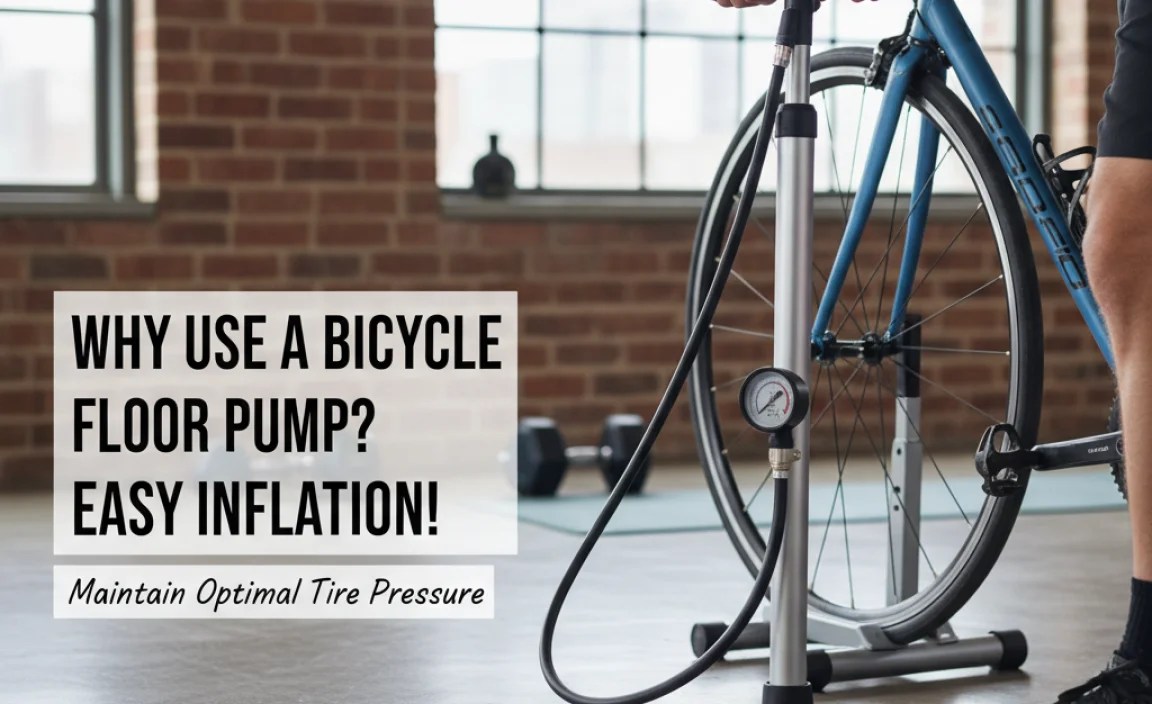
Do you know why a high pressure bicycle floor pump is so useful? These pumps are tall and stand on the floor. This makes them easy to use. You do not have to hold them with your hands. You can use your body weight to push down. This makes pumping air much easier. These pumps also have a gauge. The gauge shows how much air is in the tire. You can pump your tires to the right pressure. This is important for a good ride. A good floor pump will last a long time. It will help you keep your bike tires in great shape. Regular use of a floor pump extends tire life. It also prevents flat tires.
- Floor pumps are stable and easy to use.
- They have a gauge to show tire pressure.
- You can use your body weight to pump.
- They help prevent flat tires.
- Good pumps last a long time.
Imagine trying to fill your bike tires with a small hand pump. It takes a long time. It can also be hard on your arms. A floor pump makes the job much faster. It is also easier on your body. You can quickly get your tires ready to go. This means more time riding and less time pumping. With a good floor pump, you can be ready to ride in just a few minutes. It is a great tool for any bike owner. Having the right tire pressure makes biking safer and more fun. It is a worthwhile investment for any cyclist.
Fun Fact or Stat: Did you know that properly inflated tires can make you ride up to 10% faster?
What Makes A Good Floor Pump?
What should you look for in a good floor pump? A good pump should be strong. It should also be easy to use. Look for a pump with a wide base. This makes it stable. The handle should be comfortable. This makes it easier to push down. The gauge should be easy to read. This helps you get the right tire pressure. The pump head should fit your tire valve. Some pumps have heads that fit both types of valves. These are called Presta and Schrader valves. A good pump should also be durable. It should last for many years. A reliable pump saves time and effort in the long run.
How Does A Floor Pump Work?
Have you ever wondered how a floor pump works? It is all about air pressure. When you push down on the handle, it pushes air into the tire. The pump has a piston inside. The piston pushes the air through a hose. The hose connects to the tire valve. The valve lets air into the tire. The gauge shows how much air is inside. When the gauge shows the right pressure, you stop pumping. It is a simple but effective system. Understanding how it works can help you use the pump better. This knowledge can also help you maintain your pump.
Why Is Tire Pressure Important?
Why is it important to have the right tire pressure? Proper tire pressure makes riding easier. It also makes it safer. If your tires are too soft, it is hard to pedal. You will also be more likely to get a flat tire. If your tires are too hard, the ride will be bumpy. You might also lose control. The right tire pressure gives you the best of both worlds. It makes riding smooth and efficient. Check your tire pressure before each ride. This ensures a safe and enjoyable experience. Remember, tire pressure affects both speed and safety.
Fun Fact or Stat: The ideal tire pressure is usually printed on the side of your bicycle tire!
Choosing The Right Pump For Your Bike

Choosing the right high pressure bicycle floor pump matters. Different bikes need different pumps. Road bikes need high pressure. Mountain bikes need high volume. A road bike pump should reach high PSI. PSI means pounds per square inch. A mountain bike pump should fill the tire quickly. Look at your bike tires. See what kind of valve they have. Some pumps work with both Presta and Schrader valves. Some pumps only work with one. Choose a pump that fits your needs. A good pump will make your life easier. It will also make your rides more enjoyable. Consider your bike type and valve type when choosing.
- Road bikes need high pressure pumps.
- Mountain bikes need high volume pumps.
- Check your tire valve type.
- Some pumps work with both valve types.
- Choose a pump that fits your needs.
- Consider your bike type.
Think about where you will use the pump. Will you use it at home? Or will you take it with you? A floor pump is great for home use. It is big and stable. A hand pump is good for taking on rides. It is small and light. Some people have both types of pumps. They use the floor pump at home. They use the hand pump on the road. Having both types of pumps gives you the best of both worlds. It ensures you are always prepared. No matter where you are, you can keep your tires properly inflated. Choose the pump that best fits your lifestyle.
Fun Fact or Stat: Some high-end floor pumps come with digital gauges for ultra-precise pressure readings.
What Are Presta And Schrader Valves?
Do you know the difference between Presta and Schrader valves? A Schrader valve is like the valve on a car tire. It is wider and has a spring-loaded pin. A Presta valve is narrower and has a lock nut. Most road bikes use Presta valves. Many mountain bikes use Schrader valves. Some hybrid bikes use Schrader valves too. It is important to know which type of valve your bike has. This helps you choose the right pump. Some pumps have adapters for both types of valves. These are very useful. They let you use the same pump on different bikes.
How To Use A Floor Pump Correctly
Using a floor pump is easy. First, make sure the pump head fits your valve. Then, attach the pump head to the valve. Make sure it is secure. If you have a Presta valve, unlock the nut. Now, start pumping. Push down on the handle. Watch the gauge. Stop when you reach the right pressure. If you have a Presta valve, lock the nut again. Remove the pump head. Check the tire pressure. If it is right, you are done. If not, add or release air as needed. Practice makes perfect. Soon, you will be a pro at using a floor pump.
What Pressure Do My Tires Need?
Finding the right tire pressure is key. Look at the side of your tire. It will show a range of pressures. This is usually in PSI. The range might be something like 40-65 PSI. Choose a pressure within this range. Consider your weight and riding style. If you are heavier, use a higher pressure. If you are riding on rough roads, use a lower pressure. Experiment to find what works best for you. A good starting point is the middle of the range. Adjust from there as needed. Remember, the right pressure makes a big difference.
Fun Fact or Stat: Mountain bikers often run lower tire pressures for better grip on trails!
Maintaining Your High-Pressure Pump
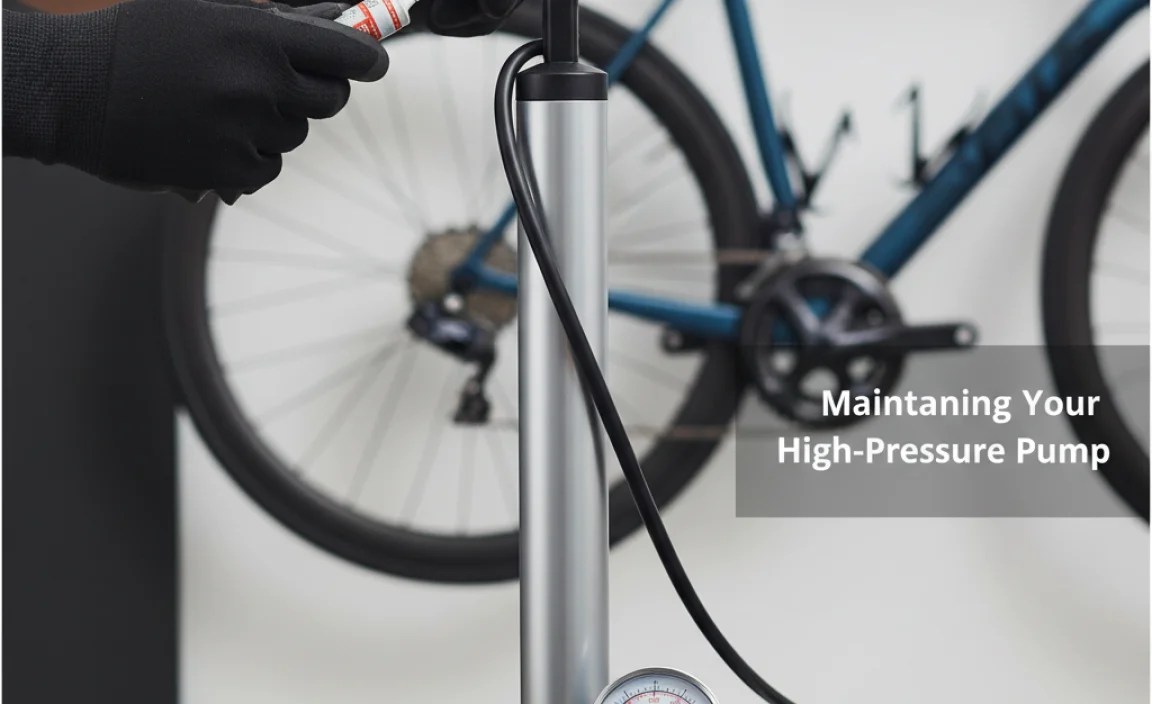
Taking care of your high pressure bicycle floor pump is important. It will make it last longer. Keep the pump clean. Wipe it down with a cloth. Store it in a dry place. This will prevent rust. Check the hose for cracks. Replace the hose if needed. Check the pump head. Make sure it is secure. If it is loose, tighten it. Lubricate the moving parts. Use a light oil. This will keep the pump working smoothly. Regular maintenance will keep your pump in top condition. It will also save you money in the long run. A well-maintained pump is a reliable pump.
- Keep the pump clean and dry.
- Check the hose for cracks.
- Tighten any loose parts.
- Lubricate the moving parts.
- Store it in a dry place.
Sometimes, a pump might stop working well. The gauge might not be accurate. The pump might be hard to push down. These are signs that it needs maintenance. You might need to replace some parts. You can buy replacement parts online. You can also take the pump to a bike shop. They can help you fix it. Regular maintenance is cheaper than buying a new pump. It is also better for the environment. By taking care of your pump, you are helping to reduce waste. A little effort can go a long way.
Fun Fact or Stat: Some bike shops offer pump repair services to help extend the life of your equipment.
When To Replace Your Pump
How do you know when to replace your pump? If it is very old, it might be time. If it is not working well, it might be time. If the gauge is broken, it is time. If the hose is cracked, it is time. If you have to work too hard to pump, it is time. A new pump will make your life easier. It will also be more reliable. Consider the cost of a new pump. Compare it to the cost of repairs. Sometimes, it is cheaper to buy a new pump. A good pump is a worthwhile investment. It will save you time and effort in the long run.
Cleaning And Storing Your Pump
Cleaning your pump is simple. Use a damp cloth. Wipe down the outside. Remove any dirt or grime. Pay attention to the pump head. Clean it carefully. Make sure there is no debris inside. Store your pump in a dry place. Avoid storing it in direct sunlight. This can damage the hose. Do not store it in a damp place. This can cause rust. A clean and dry pump will last longer. Proper storage is also important. It will protect your pump from damage. A little care goes a long way.
Troubleshooting Common Pump Problems
Sometimes, your pump might have problems. It might not pump air. The gauge might not work. The hose might leak. Here are some solutions. Check the pump head. Make sure it is attached correctly. Check the hose for leaks. Replace the hose if needed. Check the gauge. If it is broken, replace it. Lubricate the piston. This can help it move more smoothly. If you cannot fix the problem, take it to a bike shop. They can help you diagnose and repair the issue. Do not give up easily.
Fun Fact or Stat: A small amount of silicone spray can help keep your pump hose flexible in cold weather.
Floor Pump Features To Consider
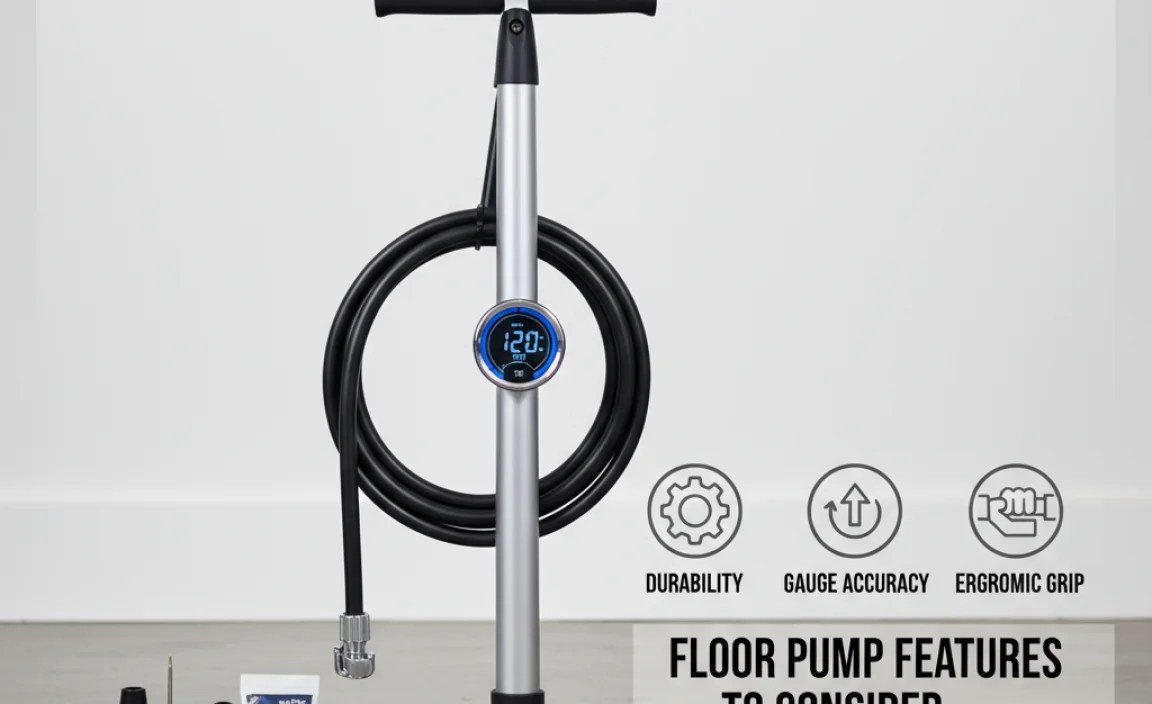
When buying a high pressure bicycle floor pump, think about features. A good gauge is important. It should be easy to read. It should also be accurate. A stable base is important. It should not tip over easily. A comfortable handle is important. It should be easy to grip. A long hose is important. It should reach your tires easily. A pump head that fits both valve types is useful. Look for a pump with these features. They will make your pumping experience better. A well-designed pump is a pleasure to use. It will also last longer.
- Look for an easy-to-read gauge.
- Choose a pump with a stable base.
- Find a pump with a comfortable handle.
- A long hose makes pumping easier.
- A dual-head pump is very versatile.
Consider the materials used to make the pump. A metal pump is usually more durable. It will last longer than a plastic pump. However, a plastic pump might be lighter. Think about your needs. If you want a pump that will last a long time, choose a metal pump. If you want a light pump, choose a plastic pump. Some pumps have a combination of metal and plastic. These can be a good compromise. They offer both durability and light weight. Choose the materials that best fit your needs and budget.
| Feature | Benefit |
|---|---|
| Accurate Gauge | Ensures correct tire pressure |
| Stable Base | Prevents tipping during use |
| Comfortable Handle | Reduces hand fatigue |
| Long Hose | Reaches tires easily |
Fun Fact or Stat: Some floor pumps have built-in storage for small tools, like tire levers!
Gauge Accuracy And Readability
The gauge is a key part of the pump. It tells you how much air is in the tire. A good gauge should be accurate. It should also be easy to read. Look for a gauge with large numbers. Make sure the numbers are clear. Some gauges are digital. These are very accurate. However, they need batteries. Other gauges are analog. These do not need batteries. Choose the type of gauge that you prefer. An accurate and readable gauge will help you get the right tire pressure. This is important for a safe and enjoyable ride.
Base Stability And Design
The base of the pump is important for stability. A wide base is more stable. It will not tip over easily. A narrow base is less stable. It might tip over while you are pumping. Look for a pump with a wide, sturdy base. Some bases are made of metal. These are very strong. Other bases are made of plastic. These are lighter. Choose the base that best fits your needs. A stable base will make pumping easier and safer. It will also prevent damage to the pump.
Handle Comfort And Ergonomics
The handle is what you hold while pumping. A comfortable handle is important. It will make pumping easier. Look for a handle with a good grip. It should not slip in your hands. Some handles are made of rubber. These are very comfortable. Other handles are made of plastic. These are less comfortable. Consider the shape of the handle. It should fit your hand well. An ergonomic handle is designed to reduce strain. Choose a handle that feels good to you.
Fun Fact or Stat: Ergonomic handles can reduce hand fatigue by up to 30%!
Comparing Floor Pumps To Other Options

How does a high pressure bicycle floor pump compare to other pumps? Hand pumps are small and portable. They are good for taking on rides. However, they are harder to use. They take longer to fill tires. CO2 inflators are very fast. They use a cartridge of compressed gas. However, they can be expensive. They also create waste. A floor pump is a good all-around choice. It is easy to use. It is also reliable. It is a good investment for any bike owner. It provides a balance of convenience and performance.
- Hand pumps are portable but harder to use.
- CO2 inflators are fast but create waste.
- Floor pumps are easy and reliable.
- Consider the pros and cons of each type.
- Choose the pump that best fits your needs.
Think about how often you will use the pump. If you only need to fill your tires occasionally, a hand pump might be enough. If you ride often, a floor pump is a better choice. If you want the fastest option, a CO2 inflator might be right for you. Consider your budget. Hand pumps are the cheapest. Floor pumps are in the middle. CO2 inflators can be the most expensive. Choose the pump that fits your budget and your needs. Remember, the best pump is the one that you will actually use.
Fun Fact or Stat: A floor pump requires no cartridges or batteries, making it an environmentally friendly choice!
Hand Pumps Vs. Floor Pumps
Hand pumps are small and light. You can carry them on your bike. They are good for emergencies. However, they take a long time to fill tires. They can also be hard on your arms. Floor pumps are bigger and heavier. You cannot carry them on your bike. However, they are much easier to use. They fill tires quickly. They also have a gauge. This helps you get the right pressure. Choose a hand pump for portability. Choose a floor pump for ease of use.
CO2 Inflators Vs. Floor Pumps
CO2 inflators use compressed gas. They fill tires very quickly. They are good for racing. However, they can be expensive. You need to buy new cartridges. They also create waste. Floor pumps do not need cartridges. They are more environmentally friendly. They are also cheaper in the long run. Choose a CO2 inflator for speed. Choose a floor pump for economy and sustainability. Consider the environmental impact of your choice.
Which Pump Is Right For You?
The best pump for you depends on your needs. If you need a pump for emergencies, choose a hand pump. If you need a pump for everyday use, choose a floor pump. If you need a pump for racing, choose a CO2 inflator. Consider your budget. Consider your riding style. Consider your environmental impact. Choose the pump that best fits your life. A good pump will make your riding experience better. It will also keep you safe.
Fun Fact or Stat: Many professional cyclists use CO2 inflators during races for quick tire changes.
Tips For Efficient Tire Inflation
To inflate your tires efficiently with a high pressure bicycle floor pump, use smooth, full strokes. Do not pump too fast. This can overheat the pump. Make sure the pump head is securely attached. This will prevent air leaks. Watch the gauge. Stop when you reach the right pressure. Check the tire pressure with a separate gauge. This will ensure accuracy. Practice makes perfect. The more you use the pump, the better you will get. Efficient tire inflation saves time and energy. It also extends the life of your pump.
- Use smooth, full strokes.
- Do not pump too fast.
- Secure the pump head tightly.
- Watch the gauge carefully.
- Check the pressure with a separate gauge.
Before you start pumping, check the tire valve. Make sure it is clean. Remove any dirt or debris. If you have a Presta valve, make sure the nut is loose. After you finish pumping, tighten the nut. This will prevent air from leaking out. Regularly check your tire pressure. This will help you maintain the right pressure. It will also prevent flat tires. Proper tire inflation is important for safety and performance. It is a simple task that can make a big difference.
Fun Fact or Stat: Keeping your tires properly inflated can improve your cycling efficiency by up to 20%!
Using The Correct Pumping Technique
Good pumping technique is key. Stand with your feet shoulder-width apart. Grip the handle firmly. Use your body weight to push down. Keep your back straight. Do not bend over too much. Use smooth, even strokes. Do not jerk the handle. Watch the gauge carefully. Stop when you reach the right pressure. Proper technique will make pumping easier. It will also prevent injuries. Practice makes perfect. The more you pump, the better your technique will become.
Preventing Air Leaks During Inflation
Air leaks can be frustrating. Make sure the pump head is securely attached. Check the hose for cracks. Replace the hose if needed. Check the valve core. Tighten it if it is loose. Use Teflon tape on the valve threads. This will help seal the connection. If you have a Presta valve, make sure the nut is tight. Prevent air leaks by being careful and thorough. Air leaks waste energy. They also make it harder to inflate your tires.
Checking Tire Pressure Accurately
The gauge on your pump might not be accurate. It is a good idea to check the pressure with a separate gauge. A digital gauge is very accurate. An analog gauge is less accurate. Check the pressure after you pump. Check it again before you ride. The right tire pressure is important for safety and performance. Do not rely solely on the pump gauge. A separate gauge will give you a more accurate reading.
Fun Fact or Stat: Digital tire pressure gauges are accurate to within +/- 1 PSI.
Summary
A high pressure bicycle floor pump is an essential tool for any cyclist. It makes inflating tires easy and efficient. These pumps come in various types. They have different features. Choosing the right pump depends on your needs. Consider your bike type and riding style. Look for a pump with a good gauge. It should also have a stable base. Consider the handle comfort and hose length. Regular maintenance will keep your pump working well. Proper tire inflation is important for safety and performance. A good pump is a worthwhile investment. It will make your riding experience better.
Conclusion
Investing in a high pressure bicycle floor pump is a smart move. It will keep your tires properly inflated. This will make your rides safer and more enjoyable. Choose the right pump for your needs. Take care of it. You’ll have a reliable tool for years. Happy riding!
Frequently Asked Questions
Question No 1: How often should I check my tire pressure?
Answer: You should check your tire pressure before every ride. Tire pressure can decrease over time. Changes in temperature can also affect it. Keeping your tires properly inflated ensures a safer and more efficient ride. It also helps to prevent flat tires. Use a high pressure bicycle floor pump to easily maintain the correct pressure. This simple habit can significantly improve your cycling experience. Making this a regular part of your routine will extend the life of your tires and keep you riding smoothly.
Question No 2: What is the correct tire pressure for my bike?
Answer: The correct tire pressure depends on several factors. These include your tire size, your weight, and your riding style. Look for the recommended pressure range on the side of your tire. Start with the middle of the range. Adjust as needed based on your experience. If you are heavier, use a higher pressure. If you are riding on rough roads, use a lower pressure. Experiment to find what works best for you. Always use a high pressure bicycle floor pump with an accurate gauge. This will help you achieve the optimal tire pressure for your ride.
Question No 3: Can I use a car tire pump for my bicycle?
Answer: Yes, you can use a car tire pump for your bicycle. However, you need to make sure it has the correct adapter. Car tire pumps use Schrader valves. Some bicycle pumps use Presta valves. You will need an adapter to connect the car pump to a Presta valve. Be careful not to over-inflate your tires. Car tire pumps can deliver a lot of air quickly. It is best to use a high pressure bicycle floor pump. These are designed for the lower pressures of bicycle tires. This will give you more control and accuracy.
Question No 4: How do I know if my floor pump is working correctly?
Answer: There are a few ways to check if your floor pump is working correctly. First, make sure the gauge is accurate. Compare it to a separate tire pressure gauge. Second, check for air leaks. Listen for hissing sounds. Feel for air escaping from the hose or pump head. Third, make sure the pump is easy to use. It should not require excessive force to pump. If you notice any problems, inspect the pump for damage. You may need to replace parts or buy a new pump. A high pressure bicycle floor pump should provide consistent and reliable performance.
Question No 5: What are the benefits of using a floor pump over a hand pump?
Answer: Floor pumps offer several advantages over hand pumps. They are easier to use. You can use your body weight to pump, rather than just your arms. They are more efficient. They fill tires more quickly. They have a gauge. This allows you to inflate your tires to the correct pressure. Hand pumps are more portable. They are good for emergencies on the road. However, for everyday use, a high pressure bicycle floor pump is the better choice. It provides a more comfortable and accurate inflation experience. It also saves time and effort.
Question No 6: How do I maintain my bicycle floor pump?
Answer: To maintain your bicycle floor pump, keep it clean and dry. Wipe it down with a cloth after each use. Store it in a dry place to prevent rust. Check the hose for cracks or leaks. Replace the hose if needed. Lubricate the moving parts with a light oil. This will keep the pump working smoothly. Regularly inspect the pump head for damage. Make sure it is securely attached. Following these simple steps will extend the life of your high pressure bicycle floor pump. It will also ensure it is always ready when you need it.


