
Bike Floor Pump Replacement Head: Easy Fix!

Have you ever tried to pump up your bike tires? Did the pump head slip off? It can be super annoying. A good bike floor pump replacement head can fix this. It makes pumping your tires easy again.
Imagine you are late for a bike ride. You grab your pump. The head is broken! You can’t pump up your tires. A new bike floor pump replacement head saves the day.
Key Takeaways
- A quality bike floor pump replacement head ensures efficient and reliable tire inflation.
- Look for durable materials like metal or reinforced plastic for longevity.
- Consider compatibility with both Presta and Schrader valves for versatility.
- Easy installation is key, so choose a head that’s simple to attach.
- Regular maintenance prevents leaks and ensures consistent performance.
Why You Need a Bike Floor Pump Replacement Head

Have you ever struggled with a bike pump? Maybe the bike floor pump replacement head was old. It might have leaked air. A bad pump head can make things hard. It can waste your time and energy. You want to enjoy your bike ride, not fight with your pump! Upgrading your pump head solves this problem. It makes pumping tires quick and easy. A good replacement head seals well. It fits both Presta and Schrader valves. This means you can pump up any bike tire. It makes your biking life much easier.
- Old pump heads can leak air.
- New heads make pumping easier.
- They fit different types of valves.
- Good seals prevent air loss.
- Pumping becomes faster and easier.
A good bike floor pump replacement head is a great investment. It improves your biking experience. It saves you time and frustration. You won’t have to struggle with flat tires. You will spend more time riding your bike. You will have more fun on the trails. Think of it as a small upgrade. It makes a big difference. Make sure to choose a durable head. It should last for many years. You’ll be glad you upgraded your pump.
Fun Fact or Stat: Did you know that a worn-out pump head can decrease pumping efficiency by up to 50%?
What Makes a Good Pump Head?
What makes a pump head good? A good pump head is durable. It lasts a long time. It is easy to use. It doesn’t leak air. The materials matter a lot. Metal heads are strong and tough. Plastic heads can be lighter. The design is also important. Some heads are easier to attach. They lock onto the valve securely. This prevents air from escaping. Look for a head that fits your needs. Consider the type of valves you use. Make sure it is compatible. This will make pumping your tires a breeze.
How to Choose the Right Head
Choosing the right pump head can be tricky. There are many options. Think about your bike. What kind of valves do you have? Most bikes use Presta or Schrader valves. Some pumps only work with one type. A good bike floor pump replacement head works with both. This is called a dual-head. It is very useful. Consider the material of the head. Metal is strong. Plastic is light. Think about how often you pump your tires. If you ride a lot, get a durable head. This will save you money in the long run.
Installing Your New Pump Head
Installing a new pump head is usually simple. First, remove the old head. You might need a wrench. Some heads screw on. Others clip on. Then, attach the new head. Make sure it is secure. Tighten any screws. Test the pump. See if it leaks air. If it does, check the connection. You might need to tighten it more. Watch a video online. It can help you see how to do it. With a little effort, you can do it yourself.
Fun Fact or Stat: Professional cyclists often replace their pump heads every season to ensure peak performance!
Understanding Presta and Schrader Valves

Do you know the difference between Presta and Schrader valves? Schrader valves are like car tire valves. They are wider and sturdier. Presta valves are thin and have a locking nut. Many road bikes use Presta valves. A good bike floor pump replacement head should work with both types. Some heads have two sides. One for Presta and one for Schrader. Other heads have a switch. You can change between the two types. Understanding the valves helps you choose the right pump head. It also makes pumping your tires easier.
- Schrader valves are like car tires.
- Presta valves are thin with a nut.
- Dual-head pumps work with both.
- Some heads have a switch to change.
- Know your valve type for easy pumping.
Using the correct pump head for your valve is important. If you use the wrong one, you might damage the valve. This can cause leaks. It can also make it hard to pump up the tire. Always check the valve type before pumping. If you have a Presta valve, make sure to unlock the nut. Then, attach the pump head carefully. For Schrader valves, just attach the head. A good bike floor pump replacement head makes this process easy. It ensures a good seal every time. This prevents air loss.
Why Valve Type Matters
Valve type matters because they are different. Schrader valves are simple and strong. They are easy to use. Presta valves are more precise. They hold higher pressure. Road bikes need high pressure. That’s why they use Presta valves. Using the wrong pump head can damage the valve. It can also be frustrating. You might not be able to pump up the tire. Always check your valve type. Then, use the right pump head. This will save you time and trouble.
How to Identify Your Valve Type
It’s easy to identify your valve type. Look at the valve on your tire. Is it thin with a small nut? Then it is a Presta valve. Is it wider and similar to a car tire? Then it is a Schrader valve. If you are not sure, ask a bike shop. They can help you. Knowing your valve type is important. It helps you choose the right pump. It also helps you inflate your tires correctly.
The Importance of a Secure Seal
A secure seal is super important. It keeps air from leaking out. If the seal is bad, you will waste energy. You will also struggle to inflate the tire. A good bike floor pump replacement head has a strong seal. It locks onto the valve tightly. This prevents air loss. Check the seal often. Make sure it is clean. A dirty seal can leak. A good seal makes pumping easier. It also ensures your tires are properly inflated.
Fun Fact or Stat: Presta valves were invented in the late 1800s to allow for higher tire pressures on early bicycles!
Choosing the Right Material for Your Replacement Head

What should your bike floor pump replacement head be made of? The material matters a lot. Metal heads are very durable. They last a long time. They can handle high pressure. Plastic heads are lighter. They are also cheaper. But they might not last as long. Some heads use a mix of both. They have a metal core with a plastic outer layer. This gives you the best of both worlds. Choose a material that fits your needs. Think about how often you use your pump. Consider your budget.
- Metal heads are durable and strong.
- Plastic heads are lighter and cheaper.
- Mixed materials offer both benefits.
- Consider your usage frequency.
- Think about your budget.
When choosing a material, think about the climate. If you live in a hot area, plastic might become brittle. Metal can get very hot in the sun. Consider the type of riding you do. If you are a serious cyclist, invest in a metal head. It will handle the pressure better. If you only ride occasionally, a plastic head might be fine. No matter what you choose, make sure it is compatible with your pump. A good bike floor pump replacement head will make pumping easier and more reliable.
Metal vs. Plastic Heads
Metal heads are strong and tough. They can handle a lot of use. They are great for serious cyclists. Plastic heads are lighter and cheaper. They are good for casual riders. Metal heads can be more expensive. But they last longer. Plastic heads might break more easily. Think about your needs. Choose the material that works best for you. Both metal and plastic heads can work well. It depends on your riding style.
The Benefits of Composite Materials
Composite materials combine different materials. They offer the best of both worlds. Some pump heads use a metal core. This makes them strong. They also have a plastic outer layer. This makes them lighter. Composite materials can be very durable. They can also be more comfortable to use. They don’t get as hot as metal. They don’t break as easily as plastic. If you want a balance of strength and weight, consider a composite head.
How Material Affects Durability
The material greatly affects durability. Metal is very durable. It can withstand a lot of pressure. It also resists wear and tear. Plastic is less durable. It can crack or break under pressure. Composite materials offer a good balance. They are strong but not as heavy as metal. Consider how often you use your pump. If you use it a lot, choose a more durable material. This will save you money in the long run.
Fun Fact or Stat: Some high-end bike pumps use aerospace-grade aluminum for their heads, providing exceptional durability and lightweight performance!
Step-by-Step Guide to Replacing Your Pump Head
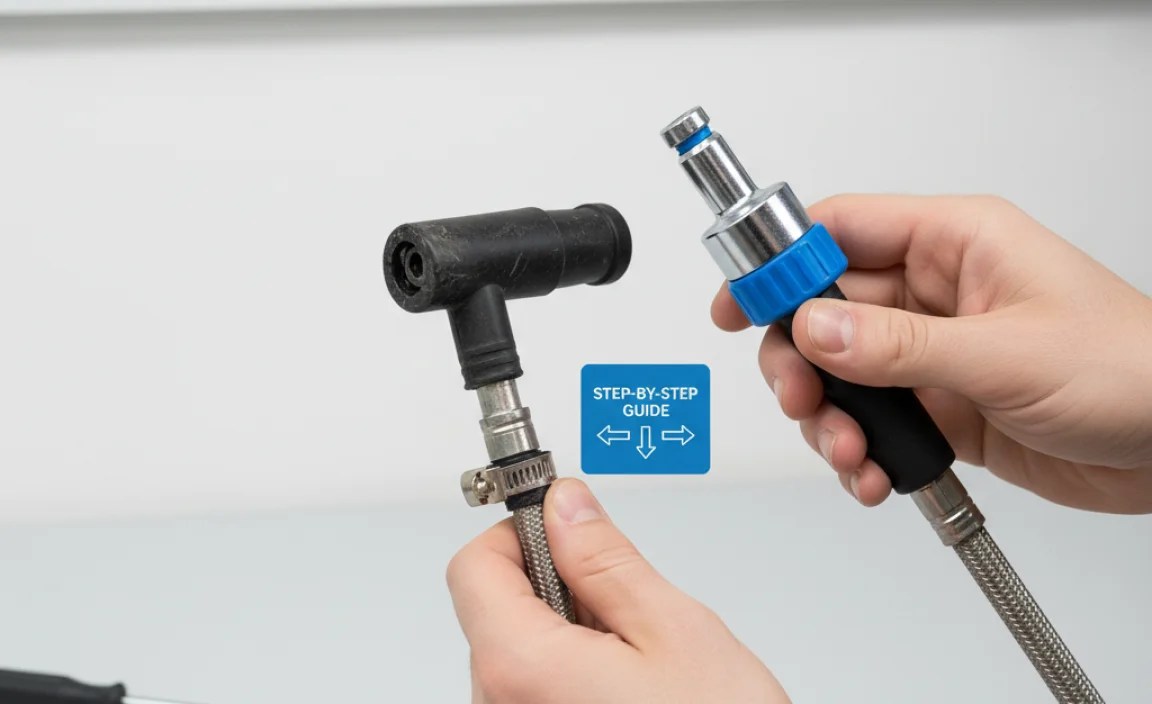
Is your pump head broken? Don’t worry! Replacing it is easy. First, gather your tools. You might need a wrench or pliers. Next, remove the old head. Some heads screw on. Others clip on. Pay attention to how it comes off. This will help you install the new one. Now, attach the new bike floor pump replacement head. Make sure it is facing the right way. Tighten any screws or clips. Test the pump. See if it leaks air. If it does, check the connection. Follow these steps, and you’ll be pumping tires in no time!
- Gather your tools: wrench or pliers.
- Remove the old pump head carefully.
- Attach the new head correctly.
- Tighten screws or clips securely.
- Test for leaks after installation.
Before you start, read the instructions that come with your new head. Some heads have special steps. Make sure to follow them. If you are not sure, watch a video online. There are many tutorials. They can show you how to do it step by step. If you still have trouble, ask a bike shop. They can help you install the head. A good bike floor pump replacement head will make pumping much easier. It is worth the effort to replace it.
Removing the Old Pump Head
Removing the old pump head is the first step. Some heads screw on. Use a wrench to loosen them. Others clip on. Use pliers to squeeze the clips. Be careful not to damage the hose. If the head is stuck, try using some lubricant. This can help loosen it. Once the head is loose, you can remove it. Pay attention to how it was attached. This will help you install the new one.
Attaching the New Pump Head
Attaching the new pump head is the next step. Make sure it is facing the right way. Some heads have an arrow. The arrow should point towards the hose. Slide the head onto the hose. Tighten any screws or clips. Make sure the connection is secure. If it is not tight, it will leak air. Test the pump after you attach the head. This will ensure it is working correctly.
Testing for Leaks and Adjustments
Testing for leaks is very important. Pump up a tire. Listen for any hissing sounds. This means there is a leak. Check the connection between the head and the hose. Tighten it if needed. Also, check the connection to the valve. Make sure the head is securely attached. If it still leaks, try using some Teflon tape. Wrap the tape around the threads. This can help seal the connection.
Fun Fact or Stat: The first bicycle tire pumps were invented in the late 19th century and were often made of wood and leather!
Maintaining Your Bike Floor Pump Replacement Head

Taking care of your bike floor pump replacement head is important. It keeps it working well. Clean the head regularly. Dirt and grime can build up. This can cause leaks. Check the seals often. Make sure they are not cracked or worn. Lubricate the moving parts. This keeps them working smoothly. Store your pump in a dry place. This prevents rust and corrosion. With proper care, your pump head will last for many years.
- Clean the head regularly to remove dirt.
- Check seals for cracks or wear.
- Lubricate moving parts for smooth action.
- Store the pump in a dry place.
- Regular care extends pump head life.
One of the best ways to maintain your pump head is to use it correctly. Don’t force the head onto the valve. This can damage the seal. Make sure the head is fully engaged before pumping. Use smooth, even strokes. Don’t jerk the pump handle. This can put stress on the head. If you notice any problems, fix them right away. Don’t wait until the head breaks completely. A little maintenance goes a long way. It keeps your bike floor pump replacement head in top shape.
Cleaning and Lubrication Tips
Cleaning your pump head is easy. Use a damp cloth to wipe away dirt. You can also use a mild soap. Rinse the head with water. Dry it thoroughly. Lubrication is also important. Use a silicone-based lubricant. Apply it to the moving parts. This keeps them working smoothly. Don’t use oil-based lubricants. They can damage the rubber seals. A little lubricant goes a long way.
Checking for Wear and Tear
Check your pump head often for wear and tear. Look for cracks in the plastic. Check the seals for damage. If you see any problems, replace the head. It is better to replace it early. This prevents bigger problems later. Also, check the hose. Make sure it is not cracked or brittle. A damaged hose can leak air. It can also be dangerous. Replace the hose if needed.
Proper Storage for Longevity
Proper storage is key for longevity. Store your pump in a dry place. This prevents rust and corrosion. Avoid storing it in direct sunlight. The sun can damage the plastic. Also, avoid storing it in extreme temperatures. Heat and cold can damage the seals. If you are storing the pump for a long time, remove the head. Store it separately. This can prevent it from getting damaged.
Fun Fact or Stat: Some bike shops offer pump repair services, including head replacement, to help cyclists keep their equipment in top condition!
Troubleshooting Common Pump Head Problems
Is your pump head not working right? Don’t panic! Many problems are easy to fix. First, check the connection. Make sure the head is securely attached. Next, check the seals. Make sure they are not damaged. If the head is leaking air, try tightening the connection. You can also try using Teflon tape. If the pump is not pumping, check the valve. Make sure it is open. Sometimes the valve can get stuck. A good bike floor pump replacement head should solve most problems.
- Check the connection for tightness.
- Inspect seals for damage or wear.
- Use Teflon tape to seal leaks.
- Ensure the valve is fully open.
- Consider a new head for persistent issues.
If you have tried everything and the pump still doesn’t work, it might be time for a new head. A new bike floor pump replacement head is a good investment. It can make pumping your tires much easier. Before you buy a new head, check the pump hose. Make sure it is not damaged. A damaged hose can also cause problems. If the hose is fine, then the head is likely the problem.
Air Leaks and How to Fix Them
Air leaks are a common problem. They can be frustrating. First, check the connection. Make sure the head is securely attached. If it is still leaking, check the seals. They might be damaged. Replace the seals if needed. You can also try using Teflon tape. Wrap the tape around the threads. This can help seal the connection. Make sure the valve is clean. Dirt can cause leaks.
Pump Head Not Engaging the Valve
Sometimes the pump head won’t engage the valve. This can be because the valve is stuck. Try opening and closing the valve a few times. This can loosen it. Also, check the pump head. Make sure it is clean. Dirt can prevent it from engaging. If the head is damaged, replace it. A new head will engage the valve properly.
When to Replace the Entire Pump
Sometimes it is better to replace the entire pump. If the hose is damaged, it might be time for a new pump. If the pump body is cracked, it is also time for a new pump. A new pump will be more efficient. It will also be easier to use. Consider the cost of a new pump. It might be cheaper than repairing the old one.
| Problem | Possible Solution |
|---|---|
| Air Leak | Tighten connection, replace seals, use Teflon tape |
| Head Not Engaging | Clean head, open/close valve, replace head |
| Hose Damage | Replace hose or entire pump |
| Pump Body Cracked | Replace entire pump |
Fun Fact or Stat: Some modern bike pumps have built-in pressure gauges to help you inflate your tires to the perfect PSI!
Summary
A bike floor pump replacement head can save you time and trouble. A good head makes pumping tires easy. It fits both Presta and Schrader valves. Look for durable materials like metal or reinforced plastic. Easy installation is key. Regular maintenance prevents leaks. Choose the right material for your needs. Replace your pump head if it is damaged. A new head can make a big difference. It improves your biking experience.
Remember to check your valve type before pumping. Clean and lubricate your pump head regularly. Store your pump in a dry place. This will help it last longer. If you have problems, troubleshoot them. Many issues are easy to fix. If you need to, replace the entire pump. A good pump is an essential tool for any cyclist. It keeps your tires properly inflated. This makes your rides safer and more enjoyable.
Conclusion
A good bike floor pump replacement head is essential for every cyclist. It makes inflating tires easy and efficient. Choose a durable head that fits your needs. Regular maintenance keeps it working well. Don’t let a bad pump head ruin your ride. Upgrade your pump and enjoy smooth, hassle-free biking.
Frequently Asked Questions
Question No 1: Why do I need a bike floor pump replacement head?
Answer: Over time, the head on your bike floor pump can wear out or break. This can make it hard to inflate your tires. A new bike floor pump replacement head restores the pump’s functionality. It provides a secure connection to the tire valve. This ensures efficient and reliable inflation. Replacing the head is often cheaper than buying a whole new pump. It’s a simple way to keep your tires properly inflated for safe and enjoyable rides. With a good replacement head, you can avoid the frustration of leaky connections and wasted effort.
Question No 2: How do I know which replacement head to buy?
Answer: First, check your current pump head. See if it has any markings or labels. These can tell you the brand and model. Next, determine what type of valves you use. Most bikes have either Presta or Schrader valves. Some replacement heads work with both types. These are called dual-head pumps. Consider the material of the head. Metal heads are more durable. Plastic heads are lighter and cheaper. Read reviews online to see what other cyclists recommend. Choose a head that is compatible with your pump and your valves.
Question No 3: How do I install a new pump head?
Answer: Installing a new pump head is usually easy. First, remove the old head. You might need a wrench or pliers. Some heads screw on. Others clip on. Pay attention to how it comes off. This will help you install the new one. Next, attach the new head. Make sure it is facing the right way. Tighten any screws or clips. Test the pump. See if it leaks air. If it does, check the connection. You might need to tighten it more. There are also many videos online that show you how to install a pump head.
Question No 4: Can a bike floor pump replacement head work on both Presta and Schrader valves?
Answer: Yes, many replacement heads are designed to work with both Presta and Schrader valves. These are often called dual-head pumps. They have two separate openings. One for each type of valve. Some heads have a switch. You can use the switch to change between the two types. Dual-head pumps are very convenient. They allow you to inflate any bike tire. They are a good choice if you have multiple bikes with different valve types. When buying a bike floor pump replacement head, check to make sure it is compatible with both Presta and Schrader valves if you need that feature.
Question No 5: How often should I replace my pump head?
Answer: How often you should replace your pump head depends on how often you use it. If you use your pump frequently, you might need to replace the head every year or two. If you only use it occasionally, it might last longer. Look for signs of wear and tear. These include cracks, leaks, and difficulty engaging the valve. If you notice any of these problems, it is time to replace the head. Regular maintenance can extend the life of your pump head. Clean it regularly and lubricate the moving parts.
Question No 6: What are some common problems with pump heads?
Answer: Some common problems with pump heads include air leaks, difficulty engaging the valve, and broken parts. Air leaks can be caused by damaged seals. They can also be caused by loose connections. Difficulty engaging the valve can be caused by dirt or damage. Broken parts can be caused by wear and tear or improper use. Regular maintenance can help prevent these problems. Check the head regularly for signs of wear. Clean it and lubricate the moving parts. If you experience any of these issues with your bike floor pump replacement head, consider replacing it to maintain optimal performance.


