
Serfas Bicycle Floor Pump: Get Yours Today!

Have you ever tried to pump up a bike tire with a small pump? It can be hard! You need a good pump to make it easier. The serfas bicycle floor pump can help. It makes pumping tires fast and simple. Let’s learn more about it.
Do you know why it’s important to have the right tire pressure? Correct pressure makes biking safer. It also makes biking more fun! A good pump like the serfas bicycle floor pump is a must-have tool.
Key Takeaways
- A serfas bicycle floor pump helps you inflate your tires quickly and easily.
- Using the correct tire pressure improves your bike’s performance.
- Floor pumps are more stable and efficient than hand pumps.
- Knowing your tire’s recommended PSI is essential for safe riding.
- Regularly checking your tire pressure extends the life of your tires.
Choosing the Right Serfas Bicycle Floor Pump

Picking the right bike pump can be tricky. There are many choices. A serfas bicycle floor pump is a great option. These pumps are made to be strong and easy to use. Think about what kind of bike you have. Also, consider how often you ride. If you ride a lot, you need a pump that will last. Look for features like a big gauge. A gauge shows you the tire pressure. You also want a comfortable handle. This makes pumping easier on your hands. Some pumps have extra features. These can include different valve heads. These heads work with different types of tires. Reading reviews can help. See what other riders say about different pumps. A good pump makes a big difference. It helps you keep your tires in great shape. This means you can enjoy your rides more.
- Consider the pump’s durability and materials.
- Check for compatibility with your bike’s valve type.
- Look at the size and clarity of the pressure gauge.
- Think about the comfort of the pump’s handle.
- Read reviews from other cyclists before buying.
Think about how easy the pump is to store. Some pumps are big. They need more space. Others are smaller. They are easier to put away. Consider where you will keep your pump. Will it be in your garage? Or in a small apartment? This can help you decide on the right size. Also, think about the pump’s base. A wide base makes the pump more stable. This is important when you are pumping. You don’t want the pump to tip over. Also, check the length of the hose. A longer hose can be helpful. It lets you reach your tires easily. With a good serfas bicycle floor pump, you’ll be ready to ride in no time.
Why Is a Good Pump Important?
Have you ever tried riding a bike with flat tires? It’s not fun! It’s hard to pedal. The bike feels slow. A good pump helps you avoid this. It keeps your tires inflated. This makes riding much easier. Imagine you’re about to go for a fun bike ride. But your tires are flat! If you have a good pump, you can fix them quickly. You can get back to riding fast. A good pump saves you time and trouble. It also makes your bike safer. When your tires are properly inflated, you have better control. This means you can stop and turn more easily. Investing in a good pump is worth it. It makes biking more enjoyable.
What to Look for In a Gauge
The gauge on your pump is very important. It tells you how much air is in your tires. You want a gauge that is easy to read. Look for big numbers. Make sure the gauge is accurate. Some cheap pumps have gauges that are not correct. This can be dangerous. If you put too much air in your tires, they could explode! If you don’t put enough air in, it’s hard to peddle. A good gauge helps you get the right amount of air. It shows you the pressure in PSI. PSI means pounds per square inch. Your tires will have a recommended PSI. This tells you how much air to put in. Always check the PSI before you ride.
How to Store Your Pump
Storing your pump properly is important. This keeps it in good condition. It also makes it easy to find when you need it. Find a dry place to store your pump. Don’t leave it outside in the rain. This can damage the pump. You can hang the pump on a hook in your garage. Or, you can put it in a storage bin. Make sure the hose is not bent or twisted. This can cause it to crack. Keep the pump away from sharp objects. These can scratch the pump. A little care will help your pump last longer. Then it will always be ready when you need it.
Fun Fact or Stat: Did you know that proper tire inflation can improve your cycling efficiency by up to 10%? A good pump helps you achieve this!
Understanding Tire Pressure with a Serfas Bicycle Floor Pump

Tire pressure is super important for biking. It affects how your bike rides. It also affects how safe you are. Using a serfas bicycle floor pump makes it easy to check and adjust your tire pressure. Every tire has a recommended pressure range. This range tells you how much air to put in your tires. The range is usually on the side of the tire. It might say something like “35-65 PSI.” PSI means pounds per square inch. Different bikes need different tire pressures. Road bikes usually need higher pressure. Mountain bikes need lower pressure. Check your tire’s recommended range. Then use your pump to get the right pressure. Too much air can make the ride bumpy. Too little air can make it hard to pedal. Getting the right pressure makes biking more fun.
- Find the recommended PSI range on your tire’s sidewall.
- Use a pump with an accurate gauge to measure PSI.
- Adjust tire pressure based on your weight and riding conditions.
- Check your tire pressure before each ride for safety.
- Under-inflated tires can cause flats and slow you down.
- Over-inflated tires can reduce grip and be uncomfortable.
Think about the weather when you check your tires. Temperature can affect tire pressure. On a hot day, the air in your tires will expand. This means the pressure will go up. On a cold day, the air will shrink. This means the pressure will go down. It’s a good idea to check your tires more often in extreme weather. Also, think about the type of riding you will be doing. If you are riding on smooth roads, you can use higher pressure. If you are riding on bumpy trails, use lower pressure. This will give you more grip. Knowing how to adjust your tire pressure is a key part of being a good biker. A serfas bicycle floor pump helps you do it right.
Why Does Tire Pressure Matter?
Imagine trying to run with shoes that are too loose. It would be hard! Your feet would slip around. The same thing happens with bike tires. If your tires don’t have enough air, they are like loose shoes. It’s hard to pedal. You don’t have good control. Tire pressure matters because it affects your bike’s performance. It also affects your safety. The right tire pressure makes your bike roll smoothly. It gives you good grip on the road. It helps you stop quickly. Keeping your tires properly inflated is one of the easiest things you can do to improve your ride.
How Often Should I Check?
You should check your tire pressure often. It’s a good idea to check before every ride. This only takes a few seconds. It can make a big difference. Tires lose air over time. This is normal. Even if you haven’t ridden your bike in a few days, the tires might be low. Checking before each ride helps you catch any problems early. If you notice that your tires are losing air quickly, there might be a leak. You should get the leak fixed before you ride again. Regular checks keep you safe and make biking more fun.
What Happens If I Over-Inflate?
Over-inflating your tires can be dangerous. Too much air can cause the tire to explode. This can happen suddenly. It can cause you to lose control of your bike. Always stay within the recommended PSI range. Never pump your tires higher than the maximum PSI. If you accidentally put too much air in, let some out. You can do this by pressing the valve stem. Use your pump to check the pressure again. It’s better to have a little less air than too much. Safety is always the most important thing.
Fun Fact or Stat: Road bike tires often require pressures between 80-130 PSI, while mountain bike tires typically range from 25-35 PSI!
Using Your Serfas Bicycle Floor Pump Effectively
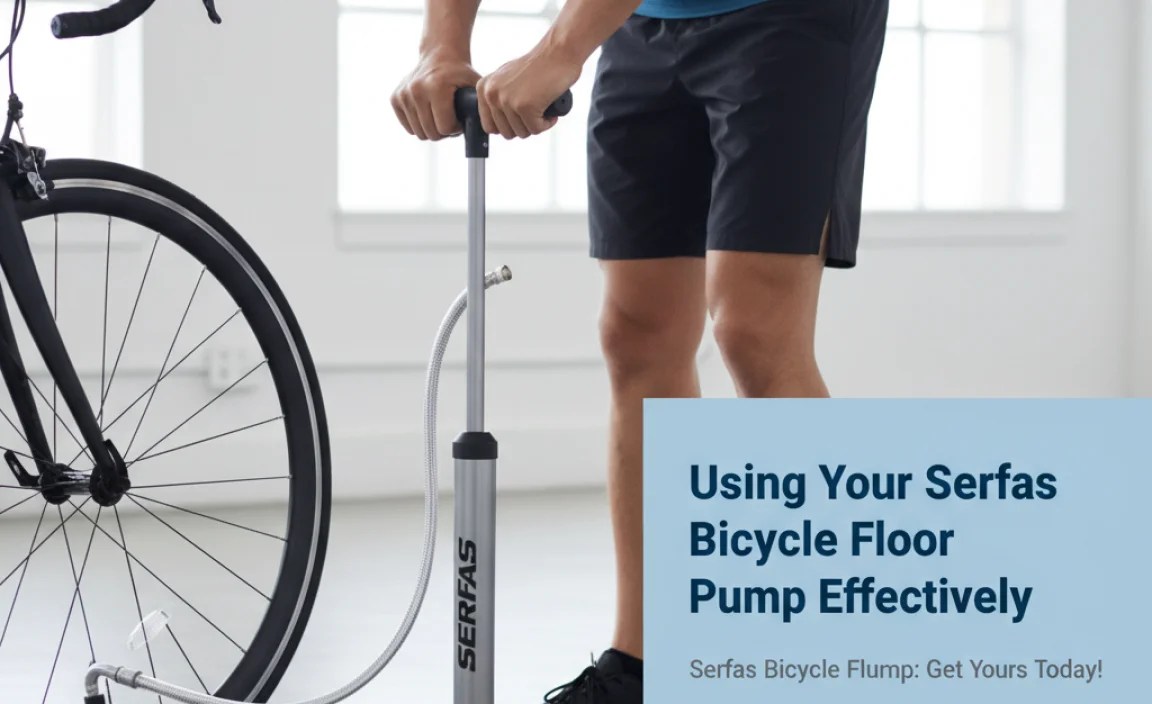
Using your serfas bicycle floor pump the right way makes pumping easier. It also protects your pump. First, make sure the pump head is set for your valve type. Most pumps work with both Schrader and Presta valves. Schrader valves are like the ones on car tires. Presta valves are thinner. They have a small nut on the end. If you have Presta valves, unscrew the nut before pumping. Then, put the pump head on the valve. Make sure it is on tight. If it’s loose, air will leak out. Next, stand with your feet on the pump’s base. This keeps it stable. Use your arms and body weight to pump. Push down smoothly and steadily. Watch the gauge to see the pressure. Stop when you reach the recommended PSI. Take the pump head off the valve. If you have Presta valves, screw the nut back on.
- Ensure the pump head is correctly set for your valve type.
- Securely attach the pump head to the valve to prevent leaks.
- Use your body weight for efficient and smooth pumping.
- Monitor the pressure gauge to avoid over-inflation.
- Remove the pump head carefully to avoid air loss.
- Clean your pump head after use.
Sometimes, the pump head can be hard to remove. If this happens, don’t pull too hard. This can damage the valve. Instead, try wiggling the pump head gently. You can also try twisting it slightly. This can help loosen it. If you still can’t get it off, check to make sure it is not locked. Some pump heads have a lock lever. This lever keeps the pump head on tight. If the lever is locked, unlock it before trying to remove the pump head. Taking care of your pump will help it last longer. Wipe it down with a cloth after each use. This will remove dirt and grime. Store it in a dry place. This will prevent rust.
How to Attach the Pump Head
Attaching the pump head correctly is important. If you don’t, air will leak out. This makes pumping harder. First, identify your valve type. Is it Schrader or Presta? Then, set the pump head to the right setting. Most pumps have a switch or a rotating head. This lets you change between Schrader and Presta. Next, put the pump head on the valve. Push it on firmly. Make sure it is all the way on. If you have a Presta valve, make sure the nut is unscrewed. Some pump heads have a lever. This lever locks the pump head in place. If your pump has a lever, lock it after you put the pump head on.
What If Air Is Leaking?
If air is leaking while you pump, something is wrong. First, check the pump head. Is it on tight? Make sure it is pushed all the way onto the valve. If it’s loose, push it on harder. If you have a lever, make sure it is locked. Next, check the valve. Is it damaged? If the valve is bent or broken, you will need to replace it. Sometimes, the rubber seal inside the pump head can wear out. This can cause leaks. You can usually replace the seal. Check your pump’s instructions for how to do this. If you can’t fix the leak, you might need a new pump head.
How to Pump Efficiently
Pumping efficiently means using less energy. It means getting more air into your tires with each stroke. To pump efficiently, stand with your feet on the pump’s base. This keeps the pump stable. Use your body weight to push down on the handle. Don’t just use your arms. Keep your back straight. Bend your knees slightly. Push down smoothly and steadily. Don’t jerk the handle. Watch the gauge to see the pressure. Stop when you reach the recommended PSI. Pumping efficiently will save you energy. It will also make pumping easier.
Fun Fact or Stat: Floor pumps can deliver significantly more air volume per stroke compared to hand pumps, making them more efficient for inflating tires!
Maintaining Your Serfas Bicycle Floor Pump

Taking care of your serfas bicycle floor pump keeps it working well. Regular maintenance prevents problems. It also makes your pump last longer. After each use, wipe down the pump. Use a clean cloth. This removes dirt and grime. Pay special attention to the pump head. Clean it with a small brush. This removes any dirt that could clog the valve. Check the hose for cracks or leaks. If you see any damage, replace the hose. Lubricate the pump’s moving parts. Use a light oil. This keeps them moving smoothly. Store your pump in a dry place. This prevents rust. With a little care, your pump will be ready when you need it.
- Wipe down the pump after each use to remove dirt.
- Clean the pump head regularly to prevent clogs.
- Check the hose for cracks and replace if needed.
- Lubricate moving parts to ensure smooth operation.
- Store the pump in a dry place to prevent rust.
- Replace worn seals or O-rings to maintain pressure.
Sometimes, the pump can start to feel stiff. This means the internal parts need lubrication. You can usually find instructions online. These instructions show you how to take the pump apart. They also show you how to lubricate the parts. Be careful when taking the pump apart. Don’t lose any small pieces. Also, be sure to put it back together correctly. If you are not comfortable doing this yourself, you can take the pump to a bike shop. They can service it for you. A little maintenance can save you money in the long run. It prevents you from having to buy a new pump.
How to Clean the Pump Head
The pump head is an important part of your pump. It connects to the tire valve. If it gets dirty, it can cause leaks. To clean the pump head, first remove it from the hose. Then, use a small brush to remove any dirt or debris. You can also use a cotton swab. Dip the swab in rubbing alcohol. Then, clean the inside of the pump head. Pay attention to the rubber seal. This seal helps create a tight connection. If the seal is dirty, it won’t work as well. After cleaning, let the pump head dry completely before using it again.
When to Replace the Hose
The hose on your pump can wear out over time. It can crack or leak. If you notice any damage, replace the hose. You can buy a replacement hose at a bike shop. To replace the hose, first remove the old one. Then, attach the new hose. Make sure it is on tight. Some hoses have a special fitting. This fitting makes it easy to attach the hose. Follow the instructions that come with the new hose. Replacing the hose will keep your pump working properly.
How to Lubricate the Pump
Lubricating your pump keeps it moving smoothly. It also prevents rust. Use a light oil. You can buy this at a bike shop. Put a few drops of oil on the pump’s moving parts. This includes the piston and the handle. Work the handle up and down. This spreads the oil around. Wipe off any excess oil. You don’t want the oil to attract dirt. Lubricating your pump regularly will make it easier to use. It will also make it last longer.
Fun Fact or Stat: Regular cleaning and lubrication can extend the lifespan of your floor pump by several years!
Comparing Serfas Bicycle Floor Pump Models
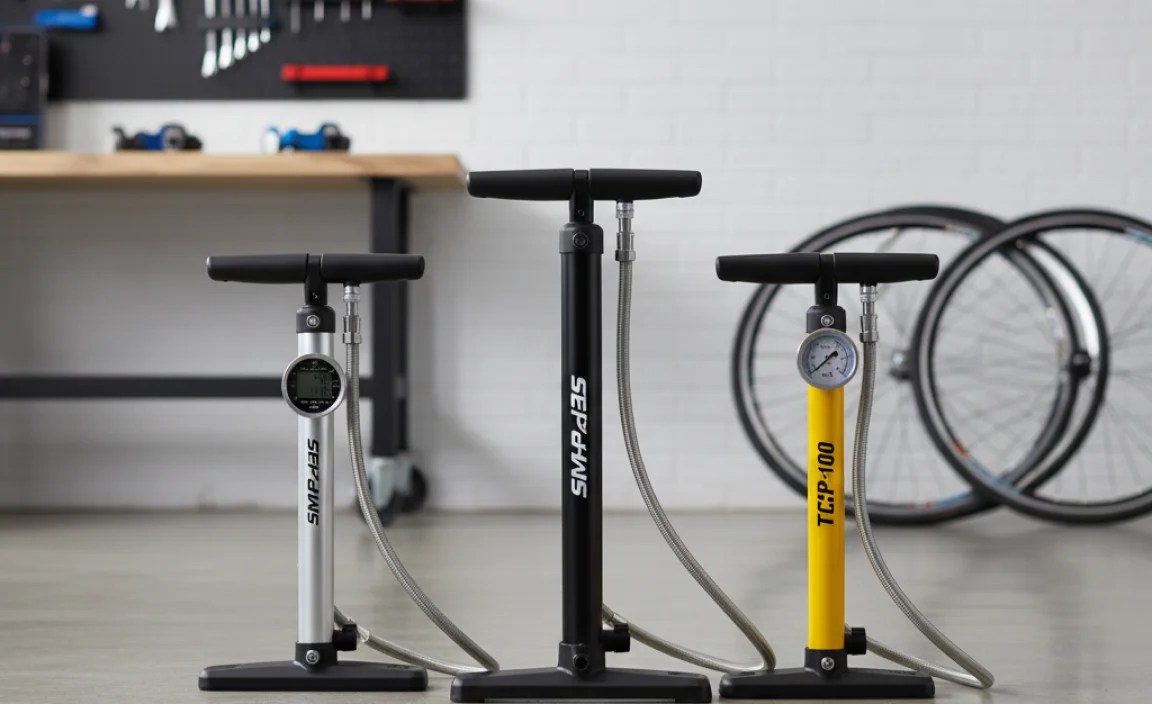
There are different serfas bicycle floor pump models. Each has unique features. It’s important to compare them. This helps you find the best one for you. Some models are basic. They have only the essential features. Others are more advanced. They have extra features like a digital gauge. Digital gauges are very accurate. They show the pressure in numbers. Some models are designed for specific types of bikes. For example, there are pumps for road bikes. There are also pumps for mountain bikes. Road bike pumps usually have higher pressure. Mountain bike pumps usually have lower pressure. Think about what kind of biking you do. Then, choose a pump that is right for you.
| Model | Max PSI | Gauge Type | Features | Price |
|---|---|---|---|---|
| Serfas E-Lusso | 160 PSI | Analog | Ergonomic handle, steel barrel | $$$ |
| Serfas TCPG | 140 PSI | Analog | Compact design, easy to store | $$ |
| Serfas Thunderbolt | 180 PSI | Digital | Precise pressure readings, durable | $$$$ |
| Serfas Essential | 120 PSI | Analog | Basic, reliable, affordable | $ |
- Consider the maximum PSI rating of each model.
- Compare the accuracy and readability of the gauges.
- Look at the pump’s features, like handle comfort.
- Think about the pump’s size and storage options.
- Read reviews to see what other users say.
Price is also a factor to consider. Basic models are usually cheaper. Advanced models are more expensive. But, they also have more features. Think about your budget. How much are you willing to spend? Also, think about how often you will use the pump. If you ride a lot, it might be worth it to spend more. A better pump will last longer. It will also be easier to use. If you only ride occasionally, a basic pump might be fine. Comparing different models can help you make the right choice. A good pump makes biking more enjoyable.
Which Pump Is Best for Road Bikes?
Road bikes need high tire pressure. This makes them roll faster. If you have a road bike, you need a pump that can reach high PSI. Look for a pump that can go up to 160 PSI or higher. The pump should also have an accurate gauge. This helps you get the pressure just right. A pump with a long hose is also helpful. This makes it easier to reach the tires. Road bike pumps often have a narrow pump head. This fits Presta valves better. Presta valves are common on road bikes.
Which Pump Is Best for Mountain Bikes?
Mountain bikes need lower tire pressure. This gives them more grip on the trails. If you have a mountain bike, you don’t need a pump that goes to very high PSI. A pump that goes to 120 PSI is usually enough. The pump should have a gauge that is easy to read at low pressures. A wide pump head is also helpful. This fits Schrader valves better. Schrader valves are common on mountain bikes. Some mountain bike pumps have a special feature. This feature lets you release air easily. This helps you fine-tune the pressure.
What About Hybrid Bikes?
Hybrid bikes are a mix of road bikes and mountain bikes. They can be used on roads and trails. If you have a hybrid bike, you need a pump that is versatile. Look for a pump that can reach medium PSI. A pump that goes to 140 PSI is usually good. The pump should work with both Schrader and Presta valves. A pump with a comfortable handle is also important. This makes pumping easier, no matter where you are riding.
Fun Fact or Stat: Digital gauges on high-end pumps offer pressure readings with an accuracy of +/- 1 PSI, ensuring optimal tire inflation!
Troubleshooting Common Serfas Bicycle Floor Pump Problems
Even the best serfas bicycle floor pump can have problems. Knowing how to fix these problems is helpful. It can save you time and money. One common problem is air leaking from the pump head. This can happen if the pump head is not on tight. Make sure the pump head is pushed all the way onto the valve. Also, check the rubber seal inside the pump head. If it is worn out, replace it. Another common problem is the pump not building pressure. This can happen if the piston seal is worn out. The piston seal is inside the pump’s barrel. You can usually replace this seal. Sometimes, the hose can crack or leak. If this happens, replace the hose. With a little troubleshooting, you can keep your pump working well.
- Check the pump head for proper attachment and seal.
- Inspect the hose for cracks or leaks.
- Examine the piston seal for wear and tear.
- Clean the pump’s internal parts to remove debris.
- Lubricate moving parts to ensure smooth operation.
- Replace worn or damaged parts promptly.
If you can’t fix the problem yourself, don’t worry. You can take your pump to a bike shop. They have experts who can repair it. They can also give you advice on how to maintain your pump. Sometimes, it might be cheaper to buy a new pump. But, if your pump is still in good condition, it’s worth trying to fix it. A well-maintained pump can last for many years. It’s a valuable tool for any cyclist. Knowing how to troubleshoot common problems will keep you riding smoothly.
What If the Pump Head Won’t Stay On?
If the pump head won’t stay on the valve, it can be frustrating. First, make sure you are using the correct setting. Some pump heads have a switch for Schrader and Presta valves. Make sure the switch is in the right position. Next, check the valve on your tire. Is it damaged? If the valve is bent or broken, the pump head won’t stay on. You will need to replace the valve. If the valve is okay, check the rubber seal inside the pump head. If the seal is worn out, replace it. A new seal will help the pump head grip the valve better.
Why Is the Gauge Not Working?
If the gauge on your pump is not working, you won’t know how much air is in your tires. This can be dangerous. First, check the gauge for damage. Is the needle bent or broken? If so, you will need to replace the gauge. If the gauge looks okay, check the connection between the gauge and the pump. Is it loose? If so, tighten it. Sometimes, the gauge can get stuck. Try tapping it gently. This might loosen it. If the gauge still doesn’t work, you might need to replace the entire pump.
How to Fix a Leaky Hose
A leaky hose can make pumping very difficult. You will lose air with each stroke. First, find the leak. You can do this by listening for the hissing sound of air escaping. Once you find the leak, you can try to repair it. If the leak is small, you can use electrical tape to seal it. Wrap the tape tightly around the hose. If the leak is large, you will need to replace the hose. You can buy a replacement hose at a bike shop. Follow the instructions that come with the new hose to install it.
Fun Fact or Stat: A common cause of floor pump failure is a worn-out piston seal, which can often be replaced with a readily available spare part!
Benefits of Using a Serfas Bicycle Floor Pump
Using a serfas bicycle floor pump has many benefits. These pumps are strong and easy to use. They make it simple to keep your tires properly inflated. This improves your bike’s performance. It also makes your rides safer. Floor pumps are more stable than hand pumps. They are easier to use. You can use your body weight to pump. This makes it less tiring. A good floor pump will last for many years. It’s a great investment for any cyclist. Properly inflated tires make biking more fun. They also help you avoid flats. A serfas bicycle floor pump is a must-have tool for any bike owner.
- Floor pumps provide more stability than hand pumps.
- They allow you to use your body weight for easier pumping.
- Properly inflated tires improve bike performance.
- They help prevent flats and extend tire life.
- A good floor pump is a long-term investment.
- They make it easy to maintain correct tire pressure.
Think about the time you save with a floor pump. Hand pumps can take a long time to inflate a tire. A floor pump can do it much faster. This means you can spend more time riding. Also, consider the convenience. A floor pump is easy to store in your garage. It’s always ready when you need it. Hand pumps are smaller. But, they can be harder to use. A floor pump is a great addition to your biking gear. It will make your rides more enjoyable. It will also keep you safe on the road.
Why Is It Better Than a Hand Pump?
Hand pumps are small and portable. But, they can be hard to use. It takes a lot of effort to inflate a tire with a hand pump. Floor pumps are bigger. But, they are much easier to use. You can use your body weight to pump. This makes it less tiring. Floor pumps also have a gauge. This lets you see the tire pressure. Hand pumps usually don’t have a gauge. This makes it hard to know when your tires are properly inflated. A floor pump is a better choice for most cyclists.
How Does It Improve Bike Performance?
Properly inflated tires improve bike performance in many ways. They make it easier to pedal. This means you can go faster with less effort. They also improve your bike’s handling. This means you have better control. Properly inflated tires also help prevent flats. This saves you time and trouble. A floor pump helps you keep your tires properly inflated. This will make your bike ride better. It will also make your rides more enjoyable.
What About Long-Term Cost Savings?
A good floor pump can last for many years. This means you won’t have to buy a new pump every year. Properly inflated tires also last longer. This saves you money on tires. They also help prevent flats. This saves you money on repairs. A floor pump is a good investment. It will save you money in the long run. It will also make your rides more enjoyable.
Fun Fact or Stat: Cyclists who regularly maintain their tire pressure with a floor pump experience up to 20% fewer flat tires!
Summary
Choosing the right serfas bicycle floor pump is important for every bike rider. A good pump makes inflating tires easy. It helps keep your tires at the right pressure. This makes riding safer and more fun. Think about the type of bike you have. Also, consider how often you ride. This will help you choose the best pump for your needs. Remember to maintain your pump. Clean it regularly. This will keep it working well for years. With the right pump, you’ll be ready to hit the road or trails anytime!
Conclusion
A serfas bicycle floor pump is an essential tool for any cyclist. It allows you to easily maintain proper tire pressure. This improves performance and safety. Remember to choose the right model for your needs. Keep it clean and well-maintained. With a good pump, you can enjoy smooth and safe rides for years to come. So, invest in a quality pump and keep those tires inflated!
Frequently Asked Questions
Question No 1: How often should I use my Serfas bicycle floor pump to check my tire pressure?
Answer: You should check your tire pressure before every ride. Tires lose air over time. Even if you haven’t ridden your bike in a few days, the pressure might be low. Using your serfas bicycle floor pump to check before each ride ensures your tires are properly inflated. This helps you avoid flats. It also improves your bike’s performance. It only takes a minute to check. This simple step can make a big difference in your riding experience. Make it a habit to check before you go!
Question No 2: What is the correct PSI for my bike tires?
Answer: The correct PSI for your bike tires depends on several things. These include the type of bike, the size of the tires, and your weight. You can find the recommended PSI range on the sidewall of your tire. It will usually say something like “35-65 PSI.” Use your serfas bicycle floor pump to inflate your tires to within this range. Road bikes usually need higher pressure. Mountain bikes usually need lower pressure. Experiment to find the pressure that feels best for you. Always stay within the recommended range.
Question No 3: How do I know if my Serfas bicycle floor pump is compatible with my bike’s valves?
Answer: Most serfas bicycle floor pumps are designed to work with both Schrader and Presta valves. Schrader valves are like the ones on car tires. Presta valves are thinner and have a small nut on the end. Check your pump head. It should have a setting for both types of valves. If you have Presta valves, unscrew the nut before attaching the pump. Make sure the pump head is securely attached to the valve. This will prevent air leaks. If you are not sure which type of valve you have, ask a bike shop for help.
Question No 4: What should I do if my Serfas bicycle floor pump stops working?
Answer: If your pump stops working, don’t panic. First, check the pump head. Make sure it is securely attached to the valve. Also, check the hose for cracks or leaks. If you see any damage, replace the hose. Next, check the piston seal inside the pump. If it is worn out, replace it. You can usually buy replacement parts at a bike shop. If you can’t fix the problem yourself, take the pump to a bike shop. They can repair it for you. Sometimes, it might be cheaper to buy a new pump.
Question No 5: Can I use my Serfas bicycle floor pump for other inflatables, like sports balls or pool toys?
Answer: Some serfas bicycle floor pumps come with adapters for inflating other items. These can include sports balls, pool toys, and air mattresses. Check your pump to see if it has these adapters. If it does, you can use it for other inflatables. Be careful not to over-inflate these items. Use the pump’s gauge to monitor the pressure. If your pump doesn’t have adapters, you can buy them separately. This will make your pump even more versatile. Always follow the instructions that come with the adapters.
Question No 6: How do I store my Serfas bicycle floor pump properly?
Answer: Storing your pump properly will help it last longer. Find a dry place to store your pump. This will prevent rust. Don’t leave it outside in the rain. You can hang the pump on a hook in your garage. Or, you can put it in a storage bin. Make sure the hose is not bent or twisted. This can cause it to crack. Keep the pump away from sharp objects. These can scratch the pump. A little care will help your pump last longer. Then it will always be ready when you need it to inflate your tires with the serfas bicycle floor pump.


