
Basement Floor Sump Pump: Ultimate Install Guide

Have you ever seen a flooded basement? It can be a big mess. Water can damage your stuff. It can even ruin the walls and floor. But what if there was a way to stop the water? A basement floor sump pump can help!
Sump pumps are like superheroes for your basement. They keep water out. They protect your home from floods. Let’s find out how they work.
Key Takeaways
- A basement floor sump pump is key to preventing water damage and costly repairs.
- Regular maintenance ensures your sump pump works when you need it most.
- Different types of sump pumps fit different homes and needs.
- Knowing the parts helps you understand how your sump pump works.
- Proper installation is important for a long-lasting, effective pump.
What is a Basement Floor Sump Pump?

A basement floor sump pump is a special pump. It sits in a pit in your basement floor. This pit is called a sump. When water fills the sump, the pump turns on. It pushes the water away from your house. This keeps your basement dry. Without a sump pump, water could flood your basement. Flooding can cause lots of problems. It can damage your things. It can also lead to mold. Mold can make you sick. A sump pump helps you avoid these problems. It is a great way to protect your home. Many homes have a basement floor sump pump installed during construction. Others add one later to solve water problems.
- A sump pump sits in a pit.
- The pit is called a sump.
- The pump removes water.
- This keeps your basement dry.
- It stops flooding and mold.
Think of your basement like a bowl. If it rains a lot, the bowl fills with water. A basement floor sump pump is like a tiny person with a bucket. The tiny person scoops out the water. They dump it far away from the bowl. This keeps the bowl from overflowing. Your sump pump does the same thing. It pumps water away from your basement. It keeps your basement safe and dry. It also protects your family from the dangers of flooding. This simple device can save you lots of money and trouble.
Fun Fact or Stat: About 60% of homes in the US have basements, and many of those rely on sump pumps to stay dry!
Why Do Basements Need Sump Pumps?
Basements are often underground. This means they are lower than the ground outside. Water flows downhill. So, water can easily flow towards your basement. Rainwater, melting snow, and groundwater can all cause problems. The soil around your foundation can get very wet. This water can seep through cracks in the walls. It can also come up through the floor. Without a sump pump, this water will collect in your basement. A basement floor sump pump stops this from happening. It removes the water before it can cause damage. This is especially important in areas with heavy rain or snow.
How Does a Sump Pump Work?
A basement floor sump pump has a float. The float is like a little boat. It floats on top of the water. When the water level rises, the float rises too. When the float reaches a certain height, it turns on the pump. The pump sucks up the water. It sends the water through a pipe. The pipe leads outside your house. The water is dumped away from your foundation. Once the water level goes down, the float goes down too. This turns off the pump. The pump waits for the water to rise again. This cycle repeats as needed to keep your basement dry.
What Happens if a Sump Pump Fails?
If your basement floor sump pump fails, water can quickly flood your basement. This can happen for many reasons. The pump might be old and worn out. There might be a power outage. The float might get stuck. The discharge pipe might be blocked. Whatever the reason, a failed sump pump can lead to big problems. Water damage can ruin your belongings. It can also damage the structure of your house. Mold can grow quickly in a wet basement. It is important to check your sump pump regularly. Make sure it is working properly. Have a backup plan in case it fails.
Types of Basement Floor Sump Pumps

There are two main types of basement floor sump pumps. The first type is a submersible pump. This pump sits inside the sump pit. It is completely underwater. Submersible pumps are very quiet. They are also very powerful. The second type is a pedestal pump. This pump sits outside the sump pit. Only a hose goes into the water. Pedestal pumps are usually less expensive. They are also easier to repair. However, they are noisier than submersible pumps. They can also take up more space. The best type of pump for you depends on your needs and budget.
- Submersible pumps are quiet.
- Pedestal pumps are less costly.
- Submersible pumps are powerful.
- Pedestal pumps are easy to fix.
- Choose the best one for you.
Imagine you are choosing a new toy. You have two choices: a robot that can do everything quietly, or a cheaper robot that is a bit noisy but easy to fix. The quiet robot is like a submersible sump pump. It’s powerful and doesn’t make much noise. The cheaper, easier-to-fix robot is like a pedestal sump pump. It gets the job done, but it’s not as fancy. When picking a basement floor sump pump, think about what matters most to you. Do you want quiet operation? Or do you want something that is easy to repair if it breaks?
Fun Fact or Stat: Submersible sump pumps are generally more durable and last longer than pedestal pumps!
Submersible Sump Pumps: Pros and Cons
Submersible basement floor sump pumps have several advantages. They are quiet because they are underwater. They are also very efficient at pumping water. They can handle larger debris without clogging. However, they can be more difficult to repair. You have to pull the entire pump out of the pit. They also tend to be more expensive than pedestal pumps. Despite these drawbacks, many people prefer submersible pumps. They like the quiet operation and reliability. If you have a finished basement, a submersible pump is a good choice.
Pedestal Sump Pumps: Pros and Cons
Pedestal basement floor sump pumps also have their own advantages. They are less expensive than submersible pumps. They are easier to access for repairs. You do not have to pull the pump out of the pit. However, they are noisier. They are not as powerful as submersible pumps. They can also be more easily clogged by debris. Pedestal pumps are a good choice for unfinished basements. They are also a good choice if you are on a tight budget. You can easily check and maintain them. This makes them a practical option for many homeowners.
Which Type Is Best for Your Home?
Choosing the right basement floor sump pump depends on your specific needs. Consider the size of your basement. Think about how much water you usually get. Think about your budget. If you have a small basement and not much water, a pedestal pump might be fine. If you have a large basement and lots of water, a submersible pump is better. If noise is a concern, choose a submersible pump. If you want something easy to repair, choose a pedestal pump. Talk to a plumber for advice. They can help you choose the best pump for your home.
Key Parts of a Sump Pump System

A basement floor sump pump system has several key parts. The sump pit is a hole in your basement floor. This is where the water collects. The pump sits inside the pit. The float switch turns the pump on and off. The discharge pipe carries the water away from your house. A check valve stops water from flowing back into the pit. The power cord connects the pump to electricity. Understanding these parts helps you maintain your pump. It also helps you troubleshoot problems. Knowing how each part works can save you time and money.
- Sump pit collects the water.
- Pump removes the water.
- Float switch controls the pump.
- Discharge pipe carries water away.
- Check valve stops backflow.
Imagine you are building a tower out of blocks. Each block is a key part of the tower. The base is like the sump pit. It holds everything up. The middle blocks are like the pump. They do the heavy lifting. The top block is like the float switch. It tells the blocks when to work. The blocks that move the little blocks are like the discharge pipe. The glue is like the check valve. It keeps everything together. Each part is important for the tower to stand tall. In the same way, each part of a basement floor sump pump system is important for keeping your basement dry.
Fun Fact or Stat: A sump pump’s discharge pipe should always lead away from the house, ideally emptying at least 20 feet away from the foundation!
Understanding the Sump Pit
The sump pit is a crucial part of the basement floor sump pump system. It is a hole dug in your basement floor. The pit collects water that seeps into your basement. The size of the pit matters. A larger pit can hold more water. This means the pump won’t have to turn on as often. The pit should be deep enough to fully submerge the pump. The pit should also be wide enough for the pump to operate freely. A good sump pit helps your pump work efficiently. It also extends the life of your pump. Make sure the pit is clean and free of debris. This prevents clogs and other problems.
The Role of the Float Switch
The float switch is like the brain of the basement floor sump pump. It senses when the water level in the sump pit rises. When the water reaches a certain level, the float switch turns on the pump. The pump starts removing water from the pit. When the water level goes down, the float switch turns off the pump. There are different types of float switches. Some are mechanical, using a floating ball. Others are electronic, using sensors. A reliable float switch is essential. It ensures the pump turns on and off when needed. Without a working float switch, the pump might not work at all.
The Importance of the Discharge Pipe
The discharge pipe is how the basement floor sump pump moves the water away from your house. It connects to the pump and leads outside. The pipe should be made of durable material. It should be able to withstand the pressure of the water. The pipe should also slope away from the house. This helps the water drain properly. A check valve is often installed in the discharge pipe. This prevents water from flowing back into the sump pit. Make sure the discharge pipe is clear of obstructions. Ice, leaves, and debris can block the pipe. This can cause the pump to work harder and fail.
How to Choose the Right Sump Pump

Choosing the right basement floor sump pump is important. Consider the size of your basement. Think about how much water you usually get. Look at the pump’s horsepower. Higher horsepower means the pump can move more water. Check the pump’s flow rate. This tells you how many gallons of water the pump can move per hour. Read reviews from other users. This can give you an idea of the pump’s reliability. Think about whether you want a submersible or pedestal pump. Consider your budget. The right pump will protect your basement for years to come.
- Consider your basement size.
- Check the pump’s horsepower.
- Look at the flow rate.
- Read user reviews.
- Think about your budget.
Imagine you are buying a new pair of shoes. You wouldn’t just pick the first pair you see. You would think about what you need the shoes for. Are they for running? Are they for walking? Are they for playing? You would also think about your size and your budget. Choosing a basement floor sump pump is similar. You need to think about your basement. How big is it? How much water do you get? You need to think about the pump. How powerful is it? How much does it cost? By thinking carefully, you can choose the right pump for your home.
Fun Fact or Stat: Sump pumps are rated by horsepower (HP); a 1/3 HP pump is common for residential use, but 1/2 HP or higher might be needed for larger basements or areas with heavy flooding!
Sizing Your Sump Pump Correctly
Sizing your basement floor sump pump correctly is important. If the pump is too small, it won’t be able to keep up with the water. Your basement could still flood. If the pump is too big, it will turn on and off too often. This can wear out the pump quickly. To size your pump, consider the size of your basement. Think about how high the water table is in your area. Consider how often your basement floods. A plumber can help you calculate the right size pump for your home. They can also consider other factors, such as the type of soil around your foundation.
Comparing Horsepower and Flow Rate
Horsepower and flow rate are two important factors to consider. Horsepower (HP) measures the pump’s power. A higher HP pump can move more water. Flow rate measures how many gallons of water the pump can move per hour (GPH). A higher GPH means the pump can remove water more quickly. Choose a pump with enough HP and GPH for your needs. If you have a large basement or frequent flooding, you need a pump with higher HP and GPH. If you have a small basement and only occasional water, a lower HP and GPH pump might be enough. Consider the trade-offs between power and cost.
Considering Additional Features
Some basement floor sump pumps come with additional features. A battery backup is a great idea. It keeps the pump working during a power outage. An alarm can alert you if the pump fails. A remote monitoring system lets you check the pump from your phone. A built-in filter can prevent debris from clogging the pump. These features can add to the cost of the pump. However, they can also provide extra peace of mind. Think about which features are most important to you. Choose a pump that meets your needs and budget.
Installing a Basement Floor Sump Pump
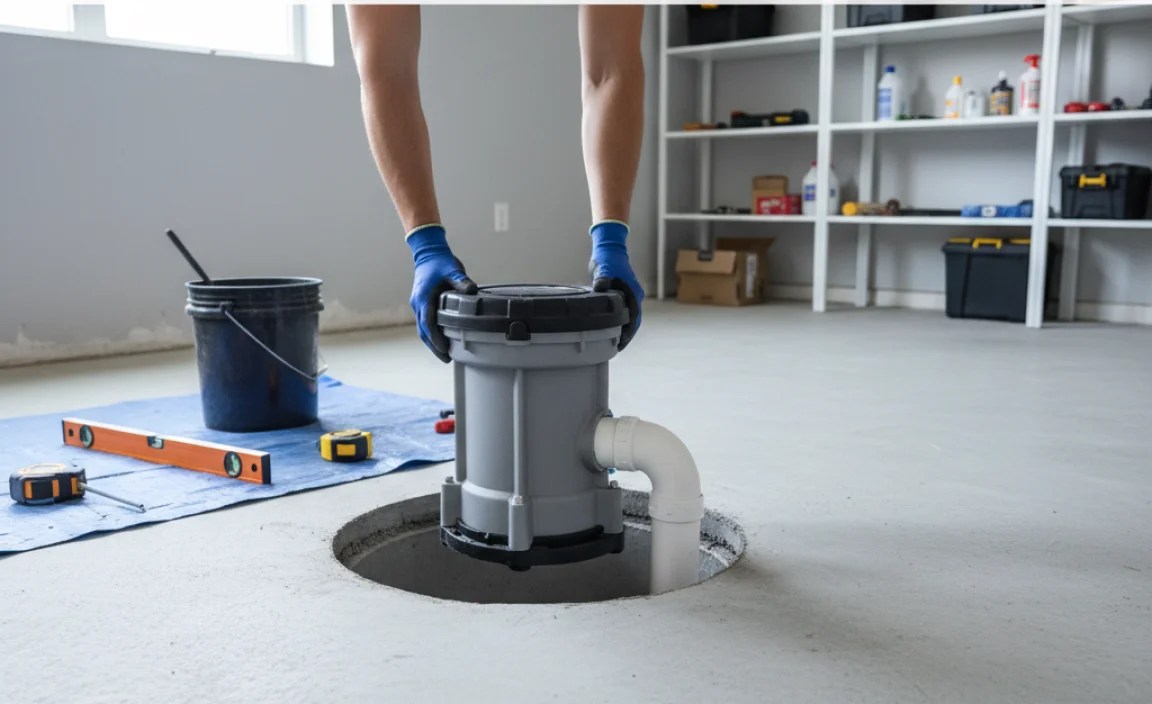
Installing a basement floor sump pump can be a DIY project. However, it is often best to hire a professional. A professional can ensure the pump is installed correctly. They can also make sure the pump is properly connected to the plumbing and electrical systems. If you decide to install the pump yourself, follow the instructions carefully. Make sure you have the right tools and materials. Be careful when working with electricity. If you are not comfortable with any part of the installation, call a professional. Improper installation can damage the pump. It can also create safety hazards.
- Consider hiring a professional.
- Follow instructions carefully.
- Use the right tools.
- Be careful with electricity.
- Call a professional if needed.
Imagine you are putting together a complicated puzzle. If you force the pieces together, you might break them. The puzzle won’t look right. Installing a basement floor sump pump is similar. You need to follow the instructions carefully. You need to use the right tools. If you are not sure what you are doing, it is best to ask for help. A professional can make sure the pump is installed correctly. This will protect your basement from flooding.
Fun Fact or Stat: Improper sump pump installation is a common cause of early pump failure. Professional installation is often worth the investment!
Preparing the Sump Pit
The first step in installing a basement floor sump pump is preparing the sump pit. If you don’t already have a sump pit, you will need to dig one. The pit should be deep enough and wide enough to hold the pump. The bottom of the pit should be level. You can line the pit with gravel. This helps with drainage. You can also use a plastic sump basin. This keeps the pit clean and prevents debris from entering the pump. Make sure the pit is located in a low spot in your basement. This will allow water to flow easily into the pit.
Connecting the Plumbing
The next step is connecting the plumbing. This involves attaching the discharge pipe to the basement floor sump pump. Use the correct fittings and connectors. Make sure the connections are tight. This will prevent leaks. The discharge pipe should slope away from the house. This will allow the water to drain properly. Install a check valve in the discharge pipe. This prevents water from flowing back into the sump pit. Make sure the discharge pipe empties at least 20 feet away from the foundation. This will prevent water from seeping back into your basement.
Electrical Connections and Safety
The final step is making the electrical connections. This involves plugging the basement floor sump pump into an electrical outlet. Use a ground fault circuit interrupter (GFCI) outlet. This will protect you from electric shock. Do not use an extension cord. This can overload the circuit and cause a fire. Make sure the electrical connections are dry. Water and electricity can be dangerous. If you are not comfortable working with electricity, hire a professional electrician. They can make sure the electrical connections are safe and up to code.
Maintaining Your Sump Pump
Maintaining your basement floor sump pump is important. Regular maintenance will keep your pump working properly. It will also extend the life of your pump. Check the pump regularly. Clean the sump pit. Make sure the float switch is working. Inspect the discharge pipe. Test the pump. Replace the pump if it is old or worn out. A well-maintained sump pump will protect your basement from flooding for years to come.
- Check the pump often.
- Clean the sump pit.
- Test the float switch.
- Inspect the pipe.
- Replace old pumps.
Imagine you have a bicycle. If you never clean it or oil the chain, it will become rusty and hard to ride. Eventually, it will break down. A basement floor sump pump is similar. It needs regular maintenance to keep it working properly. By checking the pump, cleaning the pit, and testing the float switch, you can keep your pump in good condition. This will protect your basement from flooding.
Fun Fact or Stat: Regular sump pump maintenance can extend its lifespan from 7-10 years to 12-15 years!
Regular Inspection Checklist
Here is a checklist for regularly inspecting your basement floor sump pump. First, check the sump pit. Make sure it is clean and free of debris. Second, check the float switch. Make sure it moves freely and is not stuck. Third, check the discharge pipe. Make sure it is clear of obstructions. Fourth, check the pump. Make sure it is running smoothly and quietly. Fifth, test the pump. Pour water into the sump pit to see if the pump turns on and removes the water. Do these checks every few months.
Cleaning the Sump Pit
Cleaning the sump pit is an important part of maintaining your basement floor sump pump. Over time, the pit can collect dirt, debris, and sediment. This can clog the pump and reduce its efficiency. To clean the pit, first disconnect the pump from the power outlet. Then, remove the pump from the pit. Scoop out any debris from the bottom of the pit. Use a wet/dry vacuum to remove any remaining water and sediment. Rinse the pit with clean water. Replace the pump and reconnect it to the power outlet. Clean the sump pit at least once a year.
Testing the Sump Pump
Testing your basement floor sump pump is easy. It ensures the pump is working properly. Simply pour a few gallons of water into the sump pit. Watch to see if the pump turns on automatically. The pump should quickly remove the water from the pit. Listen to the pump. It should run smoothly and quietly. If the pump does not turn on, check the float switch. Make sure it is not stuck. If the pump makes unusual noises, it might need to be repaired or replaced. Test your pump at least twice a year. Test it before and after the rainy season.
| Maintenance Task | Frequency | Description |
|---|---|---|
| Inspect Sump Pit | Every 3 Months | Check for debris and clogs. |
| Test Float Switch | Every 3 Months | Ensure it moves freely. |
| Clean Sump Pit | Annually | Remove sediment and debris. |
| Test Sump Pump | Twice a Year | Pour water to check pump function. |
Summary
A basement floor sump pump is a key tool. It protects your home from water damage. These pumps sit in a pit. They remove water before it floods your basement. There are two main types: submersible and pedestal. Submersible pumps are quiet and powerful. Pedestal pumps are cheaper and easier to fix. Choose the right pump for your needs. Regular maintenance is important. Clean the pit and test the pump. This keeps it working well. A working sump pump protects your home. It gives you peace of mind. It prevents costly repairs.
Conclusion
A basement floor sump pump is a simple but important device. It protects your home from flooding. Choose the right pump for your needs. Install it correctly. Maintain it regularly. This will keep your basement dry. It will also protect your family. Don’t wait until it’s too late. Invest in a sump pump today. Protect your home from water damage. You will be glad you did.
Frequently Asked Questions
Question No 1: What is a sump pump and why do I need one in my basement?
Answer: A sump pump is a device that removes water from your basement. It sits in a pit called a sump. This pit collects water that seeps into your basement. The pump turns on automatically when the water level rises. It pumps the water away from your house. You need a sump pump if your basement is prone to flooding. This can happen due to rain, snow, or high water tables. A basement floor sump pump prevents water damage. It also prevents mold growth and other problems caused by excess moisture.
Question No 2: How does a sump pump work?
Answer: A basement floor sump pump works by sensing the water level in the sump pit. It uses a float switch. When the water level rises, the float switch rises too. When the float reaches a certain height, it turns on the pump. The pump sucks up the water. It sends it through a discharge pipe. The pipe leads outside your house. The water is dumped away from your foundation. Once the water level goes down, the float goes down too. This turns off the pump. The pump waits for the water to rise again.
Question No 3: What are the different types of sump pumps?
Answer: There are two main types of sump pumps: submersible and pedestal. Submersible pumps sit inside the sump pit. They are completely underwater. They are quiet and powerful. Pedestal pumps sit outside the sump pit. Only a hose goes into the water. They are less expensive and easier to repair. The best type of pump for you depends on your needs. It also depends on your budget. A basement floor sump pump comes in these two main types, each with its own advantages.
Question No 4: How do I choose the right size sump pump for my basement?
Answer: To choose the right size sump pump, consider the size of your basement. Think about how much water you usually get. Look at the pump’s horsepower (HP). Higher horsepower means the pump can move more water. Check the pump’s flow rate (GPH). This tells you how many gallons of water the pump can move per hour. A plumber can help you calculate the right size pump. If you have a large basement or frequent flooding, you need a more powerful basement floor sump pump.
Question No 5: How often should I maintain my sump pump?
Answer: You should maintain your sump pump regularly. This will keep it working properly. Check the pump every few months. Clean the sump pit at least once a year. Test the pump twice a year. Replace the pump if it is old or worn out. A well-maintained basement floor sump pump will protect your basement for years. Regular maintenance extends the life of the pump. It also prevents costly repairs.
Question No 6: What should I do if my sump pump fails?
Answer: If your sump pump fails, take action quickly. First, try to identify the cause of the failure. Is there a power outage? Is the float switch stuck? Is the discharge pipe blocked? If you can fix the problem yourself, do so. If not, call a professional plumber. Have a backup plan in case of failure. This might include a battery backup for your sump pump. It might also include a portable pump that you can use in an emergency. Addressing a basement floor sump pump failure promptly is key.


