
Bike Floor Pump with Pressure Gauge: Ride Easy!

Have you ever tried to pump a bike tire with a small pump? It can be hard work. You want to get the right amount of air in your tires. Too little air makes it hard to pedal. Too much air can make the tire burst. A bike floor pump with pressure gauge can help. It makes pumping tires easier. It also helps you get the right amount of air.
Do you know how much air is in your bike tires? It is important to check. Using a bike floor pump with pressure gauge is a great way to do it. Let’s learn more about these helpful tools.
Key Takeaways
- A bike floor pump with pressure gauge helps you inflate tires correctly.
- Using the correct pressure improves your bike’s performance and safety.
- Floor pumps are easier to use than small, hand-held pumps.
- The pressure gauge shows the exact air pressure in your tire.
- Keeping your tires properly inflated prevents flats and extends tire life.
Why Use a Bike Floor Pump with Pressure Gauge?

Have you ever struggled to pump up a bike tire? It can be tough with a small hand pump. A bike floor pump with pressure gauge makes it much easier. These pumps are bigger. You can use your whole body to pump. This means less work for you. The pressure gauge is very important. It shows you how much air is in the tire. You can add air until you reach the right pressure. This helps your bike ride smoothly and safely. It also helps your tires last longer. A good pump is a great tool for any bike owner. It helps you take care of your bike.
- Floor pumps are easier to use than hand pumps.
- A pressure gauge shows the exact tire pressure.
- Correct pressure improves bike performance.
- Proper inflation prevents flat tires.
- These pumps are durable and long-lasting.
Imagine you are going for a bike ride. You start pumping your tires. You are not sure how much air to put in. Without a gauge, you might guess. You could end up with too much or too little air. A bike floor pump with pressure gauge takes away the guesswork. You can see the numbers on the gauge. You pump until you reach the right number. This helps you have a safe and fun ride. It also protects your tires from damage. A good pump is a smart investment for any cyclist.
Fun Fact or Stat: Did you know that properly inflated tires can make you ride up to 10% faster?
What is Tire Pressure?
Tire pressure is how much air is inside your bike tire. It is measured in pounds per square inch (PSI). Each tire has a recommended PSI range. This range tells you how much air to put in. You can find this number on the side of your tire. The right tire pressure makes riding easier. It also helps your tires grip the road. Too little pressure can cause flats. Too much pressure can make the ride bumpy. Using a bike floor pump with pressure gauge helps you get it just right. Always check your tire’s recommended PSI. This will help you have a safe and enjoyable ride.
Why is Correct Tire Pressure Important?
Correct tire pressure is super important for a few reasons. First, it affects how well your bike rolls. When your tires have the right amount of air, they roll smoothly. This means you don’t have to work as hard to pedal. Second, correct pressure helps prevent flats. Underinflated tires are more likely to get pinched. This can cause a flat tire. Third, correct pressure improves handling. Your bike will feel more stable and easier to control. A bike floor pump with pressure gauge helps you maintain the right pressure. It keeps your bike running smoothly and safely. Always check your tires before each ride.
How Does a Pressure Gauge Work?
A pressure gauge is a clever little tool. It measures the amount of air inside your tire. When you attach the pump to your tire valve, air flows into the gauge. This air pushes against a small part inside the gauge. The gauge then shows a number. This number tells you the PSI. Some gauges are digital. They show the number on a screen. Other gauges are analog. They have a needle that points to the number. Both types of gauges help you get the right tire pressure. Using a bike floor pump with pressure gauge makes it easy to see the pressure. You can pump until you reach the recommended PSI.
Fun Fact or Stat: The first tire pressure gauges were used on steam engines to prevent explosions!
Choosing the Right Bike Floor Pump with Pressure Gauge

Picking the right bike floor pump with pressure gauge can feel tricky. There are many options out there. Think about what kind of bike you have. Some pumps work best for certain types of bikes. Look at the gauge. Make sure it is easy to read. A big gauge with clear numbers is best. Consider the pump’s nozzle. It should fit your bike’s valves. Most pumps work with both Schrader and Presta valves. Check the pump’s construction. A sturdy pump will last longer. Read reviews to see what other people think. A good pump is worth the investment. It will make bike maintenance much easier.
- Consider the type of bike you have.
- Choose a pump with an easy-to-read gauge.
- Make sure the nozzle fits your bike’s valves.
- Look for a sturdy and durable pump.
- Read reviews before buying a pump.
- Check for compatibility with both Schrader and Presta valves.
Imagine you are in a bike shop. You see many different floor pumps. Some are tall and skinny. Others are short and wide. Some have digital gauges. Others have analog gauges. How do you choose? Start by thinking about your needs. Do you have a road bike or a mountain bike? Road bikes need higher pressure. Mountain bikes need lower pressure. Choose a pump that can reach the right pressure for your bike. Look at the gauge. Is it easy to read? Can you see the numbers clearly? Choose a pump that feels comfortable to use. A good bike floor pump with pressure gauge will make your life easier.
Fun Fact or Stat: Some high-end bike pumps can cost over $200, but they offer very precise pressure readings and last for many years!
What are Schrader and Presta Valves?
Schrader and Presta valves are two types of valves on bike tires. Schrader valves are like the ones on car tires. They are wider and have a spring-loaded pin in the middle. Presta valves are thinner and have a lock nut at the top. Most bike floor pump with pressure gauge come with adapters. These adapters let you use the pump with both types of valves. It is important to know which type of valve your bike has. This way, you can use the right adapter. Some pumps have a dual head. This means they can fit both valve types without changing anything. Always check your valve type before pumping.
How Do I Read a Pressure Gauge?
Reading a pressure gauge is easy. Look for the numbers on the gauge. These numbers show the PSI. Most gauges have two scales. One scale shows PSI. The other scale shows BAR. PSI is the most common unit in the United States. Look for the recommended PSI on your tire. Pump until the needle or digital display reaches that number. Do not overinflate your tires. This can cause them to burst. A bike floor pump with pressure gauge makes it easy to see the pressure. You can pump until you reach the right number. Always double-check the pressure after pumping.
What Features Should I Look For?
When you are shopping for a bike floor pump with pressure gauge, consider some key features. Look for a stable base. A wide base will keep the pump from tipping over. Check the handle. A comfortable handle will make pumping easier. Consider the hose length. A longer hose will give you more room to move. Look for a gauge that is easy to read. A big gauge with clear numbers is best. Check the pump’s maximum pressure. Make sure it can reach the pressure you need. Some pumps have extra features. These might include a built-in storage compartment or a pressure release valve.
Fun Fact or Stat: Digital pressure gauges are becoming more popular because they offer more accurate readings than analog gauges!
How to Use a Bike Floor Pump with Pressure Gauge

Using a bike floor pump with pressure gauge is simple. First, make sure the pump’s nozzle fits your tire valve. If you have a Presta valve, unlock the nut. Place the pump nozzle over the valve. Make sure it is on tight. Lock the lever on the pump nozzle. This will create a seal. Now, start pumping. Use your body weight to push down on the handle. Watch the pressure gauge. Pump until you reach the recommended PSI. Unlock the lever. Remove the pump nozzle. If you have a Presta valve, lock the nut. Check the pressure one last time. Now you are ready to ride!
- Attach the pump nozzle to the tire valve.
- Lock the lever to create a seal.
- Pump until you reach the recommended PSI.
- Remove the nozzle and lock the valve.
- Double-check the pressure before riding.
Imagine you are getting ready for a big race. You want to make sure your tires are perfect. You grab your bike floor pump with pressure gauge. You check the tire’s recommended PSI. It says 100 PSI. You attach the pump to the valve. You lock the lever. You start pumping. You watch the gauge carefully. The needle moves slowly. You keep pumping. When the needle reaches 100 PSI, you stop. You unlock the lever. You remove the pump. You check the pressure one last time. It is perfect. Now you are ready to win the race!
Fun Fact or Stat: Professional cyclists often use floor pumps with digital gauges to ensure their tire pressure is accurate to within 0.5 PSI!
Preparing Your Bike for Pumping
Before you start pumping, make sure your bike is ready. Check the tire for any damage. Look for cuts or bulges. If you see any, do not pump the tire. It could burst. Make sure the valve is clean. Remove any dirt or debris. Check the valve core. It should be tight. If it is loose, tighten it with a valve core tool. Find the recommended PSI on the tire sidewall. This number will guide you. A bike floor pump with pressure gauge will help you reach the right pressure. Preparing your bike properly will ensure a safe and easy pumping experience.
Connecting the Pump Correctly
Connecting the pump correctly is very important. Make sure you are using the right adapter for your valve type. Schrader valves need one type of adapter. Presta valves need another. Push the adapter firmly onto the valve. Make sure it is all the way on. Lock the lever on the pump head. This creates a tight seal. If the seal is not tight, air will leak out. You will not be able to pump the tire properly. A bike floor pump with pressure gauge will only work if the connection is secure. Double-check the connection before you start pumping.
Pumping and Monitoring the Pressure
Now it’s time to pump! Stand with your feet shoulder-width apart. Grip the pump handle firmly. Use your body weight to push down on the handle. Pump in a smooth, steady motion. Watch the pressure gauge closely. The needle or digital display will move as you pump. Stop pumping when you reach the recommended PSI. Do not overinflate the tire. This can cause it to burst. A bike floor pump with pressure gauge makes it easy to monitor the pressure. You can see exactly how much air is in the tire. This helps you avoid overinflation and underinflation.
Fun Fact or Stat: Some advanced floor pumps have a two-stage pumping action, allowing you to quickly fill the tire to a certain pressure and then switch to a higher-pressure mode for fine-tuning!
Maintaining Your Bike Floor Pump with Pressure Gauge

Taking care of your bike floor pump with pressure gauge will make it last longer. Keep the pump clean. Wipe it down with a cloth after each use. Store it in a dry place. This will prevent rust. Check the hose regularly. Look for cracks or leaks. Replace the hose if needed. Lubricate the pump’s moving parts. Use a light oil or grease. This will keep the pump working smoothly. Check the pressure gauge. Make sure it is accurate. If it is not, you may need to replace it. A little maintenance will keep your pump in good condition for years.
- Keep the pump clean and dry.
- Check the hose for cracks or leaks.
- Lubricate the moving parts regularly.
- Store the pump in a safe place.
- Check the gauge for accuracy.
Imagine you have a favorite toy. You want to keep it in good condition. You clean it regularly. You store it carefully. You take care of it so it will last a long time. Your bike floor pump with pressure gauge is like that toy. It is a valuable tool. You want to take care of it so it will last. By following these simple maintenance tips, you can keep your pump working perfectly for many years. This will save you money and make your bike maintenance easier.
Fun Fact or Stat: Many bike shops offer pump repair services. They can replace worn-out parts and calibrate the pressure gauge!
Cleaning and Storage Tips
Cleaning your pump is easy. Just wipe it down with a damp cloth. Remove any dirt or grime. Pay special attention to the nozzle and hose. These parts can get dirty easily. Store your pump in a dry place. Avoid storing it in direct sunlight. This can damage the hose and other parts. Hang the pump on a hook or store it in a box. This will keep it from getting damaged. A clean and well-stored bike floor pump with pressure gauge will last longer and work better.
Checking for Leaks and Damage
Regularly check your pump for leaks and damage. Look at the hose. Are there any cracks or holes? Check the connections. Are they tight? Listen for air leaks. If you hear air escaping, there is a problem. Check the pressure gauge. Is it working properly? Does it show the correct pressure? If you find any leaks or damage, repair the pump immediately. Ignoring these problems can make the pump unusable. A well-maintained bike floor pump with pressure gauge will always be ready when you need it.
Lubricating Moving Parts
Lubricating the moving parts of your pump is important. This will keep it working smoothly. Use a light oil or grease. Apply the lubricant to the piston and other moving parts. Work the pump handle up and down. This will distribute the lubricant evenly. Do this every few months. This will prevent the pump from becoming stiff or difficult to use. A well-lubricated bike floor pump with pressure gauge will be a pleasure to use. It will make inflating your tires much easier.
Fun Fact or Stat: Some bike pumps have self-lubricating parts, reducing the need for frequent maintenance!
Troubleshooting Common Issues
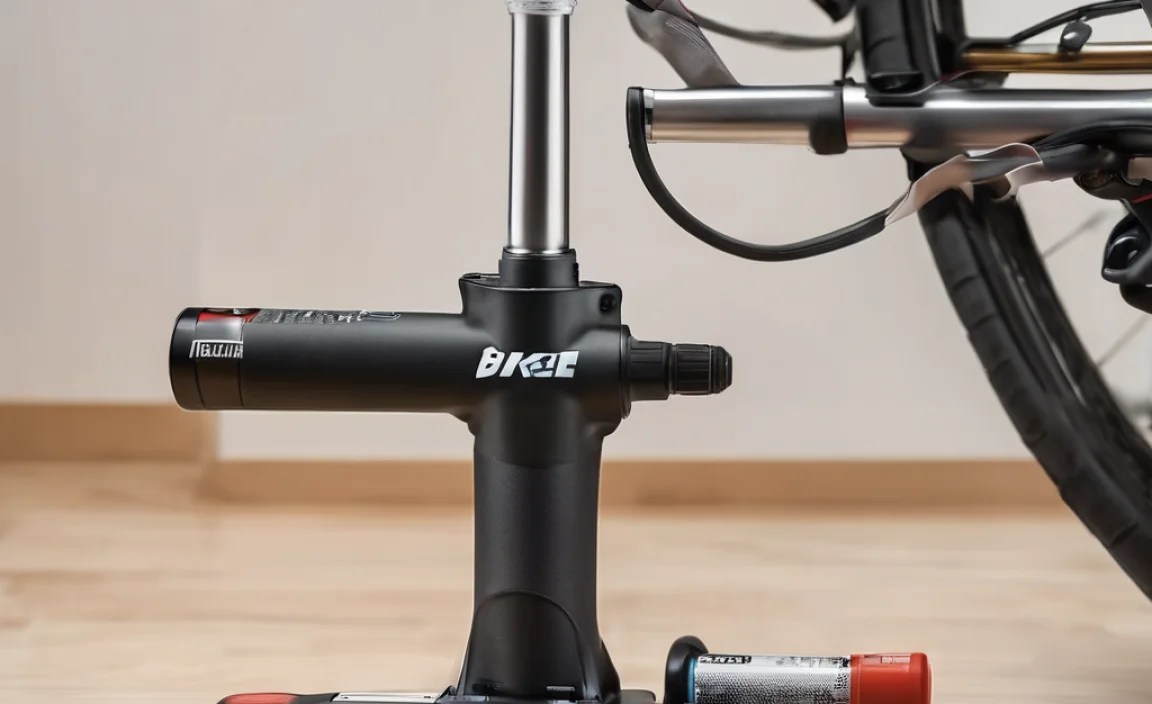
Sometimes, your bike floor pump with pressure gauge might not work perfectly. You might have trouble getting the nozzle to seal. You might notice the gauge is not accurate. You might find it hard to pump. Don’t worry! Most of these problems are easy to fix. Check the nozzle connection. Make sure it is tight. Check the gauge. If it is not accurate, replace it. Lubricate the pump’s moving parts. This will make it easier to pump. With a little troubleshooting, you can get your pump working again.
| Issue | Possible Cause | Solution |
|---|---|---|
| Nozzle won’t seal | Worn-out rubber seal | Replace the seal |
| Gauge is inaccurate | Damaged gauge | Replace the gauge |
| Hard to pump | Dry piston | Lubricate the piston |
| Air leaks from hose | Cracked hose | Replace the hose |
Imagine you are about to go for a ride. You grab your bike floor pump with pressure gauge. You try to pump your tire. But the pump won’t work! The nozzle won’t seal. Air is leaking everywhere. You feel frustrated. But don’t give up! Take a deep breath. Check the nozzle. Is the rubber seal worn out? If so, replace it. Check the gauge. Is it showing the wrong pressure? If so, replace it. Lubricate the pump. This might make it easier to pump. With a little effort, you can fix the problem and get back on your bike.
Fun Fact or Stat: Many common pump problems can be solved with simple replacement parts that cost just a few dollars!
Nozzle Not Sealing Properly
If the nozzle is not sealing properly, you will have trouble pumping. Air will leak out around the nozzle. This can be caused by a worn-out rubber seal. The seal is the small rubber ring inside the nozzle. Over time, it can dry out and crack. This will prevent it from creating a tight seal. To fix this, replace the rubber seal. You can buy replacement seals at most bike shops. Make sure you get the right size for your pump. A new seal will help the nozzle grip the valve tightly. Your bike floor pump with pressure gauge will work like new again.
Gauge Showing Incorrect Pressure
An inaccurate pressure gauge can be a problem. You might think your tires are properly inflated. But they could be overinflated or underinflated. This can affect your bike’s performance and safety. If you suspect your gauge is inaccurate, test it. Compare it to another gauge. If the readings are different, your gauge is probably faulty. You can try to calibrate the gauge. But it is often easier to replace it. A new gauge will ensure you are getting accurate pressure readings. Your bike floor pump with pressure gauge will be more reliable.
Pump is Difficult to Push Down
If your pump is difficult to push down, it might need lubrication. The piston inside the pump can dry out over time. This will make it harder to move. To fix this, lubricate the piston. Use a light oil or grease. Apply the lubricant to the piston rod. Work the pump handle up and down. This will distribute the lubricant evenly. The pump should now be easier to push down. A well-lubricated bike floor pump with pressure gauge will make inflating your tires much easier. Regular lubrication will also prolong the life of your pump.
Fun Fact or Stat: Some high-end pumps have a built-in pressure relief valve to prevent over-inflation!
Summary
A bike floor pump with pressure gauge is a must-have tool for any bike owner. It makes inflating tires easier and more accurate. These pumps are more effective than small hand pumps. The pressure gauge helps you get the right amount of air in your tires. This improves your bike’s performance and safety. It also helps prevent flat tires. Choosing the right pump and maintaining it properly will ensure it lasts for years. With a good floor pump, you can keep your tires properly inflated and enjoy your rides.
Conclusion
Keeping your bike tires properly inflated is important. It makes riding safer and more fun. A bike floor pump with pressure gauge is a great tool for this. It is easy to use and helps you get the right pressure. Take care of your pump and it will last a long time. With the right pump, you can enjoy smooth rides for years to come. So get a good pump and keep those tires inflated!
Frequently Asked Questions
Question No 1: Why do I need a bike floor pump with a pressure gauge?
Answer: A bike floor pump with pressure gauge helps you inflate your tires to the correct pressure. This is important for a few reasons. Correct tire pressure makes riding easier. It also improves your bike’s handling. It can even help prevent flat tires. A pressure gauge shows you exactly how much air is in your tires. This takes the guesswork out of inflating them. It helps you get the perfect pressure every time. Using a floor pump is also easier than using a small hand pump.
Question No 2: What is PSI?
Answer: PSI stands for pounds per square inch. It is a way to measure air pressure. Your bike tires need a certain amount of PSI to work properly. The correct PSI range is usually printed on the side of your tire. Using a bike floor pump with pressure gauge helps you reach the right PSI. Too little PSI can cause flats. Too much PSI can make the ride uncomfortable. The PSI number tells you how much air is pushing against each square inch of the tire. Keeping your tires within the recommended PSI range is very important.
Question No 3: How do I know what PSI my tires need?
Answer: Look for the recommended PSI range on the side of your tire. It is usually printed as a range, like “30-50 PSI.” This means your tire should have between 30 and 50 PSI. The exact number depends on a few things. These things include your weight and the type of riding you are doing. If you are heavier, you might need more PSI. If you are riding on rough roads, you might need less PSI. Experiment to find what works best for you. Always stay within the recommended range. A bike floor pump with pressure gauge makes it easy to check and adjust your tire pressure.
Question No 4: Can I use a car tire pump for my bike?
Answer: While you can technically use a car tire pump for your bike, it’s not the best idea. Car tire pumps are designed to fill tires with much larger volumes than bike tires, and the pressure can build up very quickly. This makes it easy to overinflate your bike tire, which can cause it to burst. Also, the nozzles on car tire pumps may not fit bike tire valves properly. It is much safer and more effective to use a bike floor pump with pressure gauge. These pumps are specifically designed for bike tires and give you more control.
Question No 5: How often should I check my tire pressure?
Answer: You should check your tire pressure before every ride, or at least once a week. Tires lose air over time, even when they are not being used. Checking your pressure regularly will ensure your tires are always properly inflated. This will improve your ride quality and help prevent flats. It only takes a few minutes to check your tire pressure with a bike floor pump with pressure gauge. Make it a habit to check before each ride. Your bike will thank you!
Question No 6: What are the benefits of using the correct tire pressure?
Answer: Using the correct tire pressure has many benefits. It makes riding easier and more efficient. You will not have to work as hard to pedal. It improves your bike’s handling. Your bike will feel more stable and easier to control. It helps prevent flat tires. Properly inflated tires are less likely to get pinched or punctured. It also extends the life of your tires. Correct tire pressure reduces wear and tear. A bike floor pump with pressure gauge helps you achieve all these benefits. So invest in a good pump and keep those tires properly inflated!


