
What Causes Back Pumps on Cycle? A Cyclist’s Guide

Quick Summary: Back pumps on a bicycle can be caused by several factors, including poor bike fit, dehydration, electrolyte imbalances, improper posture, and overexertion. Addressing these issues through proper hydration, bike adjustments, core strengthening exercises, and paced riding can help prevent and alleviate back pump discomfort.
Ever felt that nagging ache in your lower back during or after a bike ride? You’re not alone! Back pumps are a common complaint among cyclists, from casual riders to seasoned pros. It’s frustrating because it can cut your ride short and make cycling less enjoyable. The good news is, back pumps are often preventable. Let’s explore the common causes and what you can do about them. We’ll cover everything from bike fit to hydration to exercises you can do off the bike to keep your back happy and pain-free. Ready to say goodbye to back pain and hello to comfortable rides?
Understanding Back Pumps
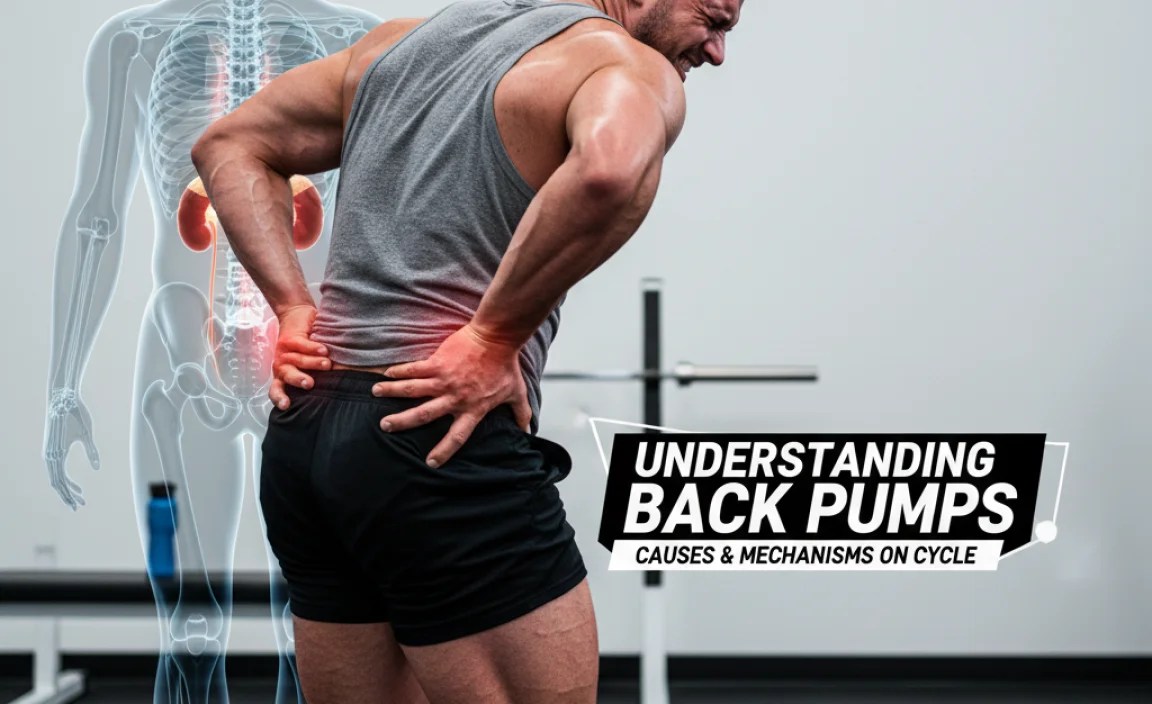
Back pumps, medically known as muscle spasms or cramps in the lower back, occur when the muscles in your lower back contract involuntarily. This can range from a mild ache to a sharp, debilitating pain. For cyclists, back pumps can be particularly bothersome due to the repetitive nature of pedaling and the sustained posture on the bike.
Several factors contribute to back pumps while cycling. These can be broadly categorized into:
- Mechanical factors: Related to your bike setup and posture.
- Physiological factors: Related to your body’s condition and how you’re fueling and hydrating.
Mechanical Causes of Back Pumps

Let’s start with the mechanical aspects of cycling that can trigger back pumps. Often, these are related to how your bike fits you and how you position yourself on it.
1. Poor Bike Fit
An ill-fitting bike is a major culprit. If your bike is too large or too small, you’ll be forced into an unnatural position, putting undue stress on your lower back muscles.
- Reach: If the reach to the handlebars is too long, you’ll overstretch, causing your lower back to round and strain.
- Saddle Height: A saddle that’s too high can cause you to rock your hips as you pedal, leading to back pain. A saddle that’s too low forces your quads to work harder, potentially causing them to fatigue faster and contribute to instability, which can affect the back.
- Handlebar Height: Handlebars that are too low can also cause excessive bending at the waist, increasing pressure on your lower back.
Solution: Get a professional bike fit. A qualified bike fitter will assess your body measurements, flexibility, and riding style to adjust your bike for optimal comfort and efficiency. It’s an investment that pays off in pain-free riding.
2. Improper Posture
Even with a properly fitted bike, maintaining poor posture while riding can lead to back pumps. Common postural issues include:
- Rounded Back: Slouching or rounding your back puts excessive strain on the spinal muscles.
- Locked Elbows: Keeping your elbows rigidly straight transmits road vibrations directly to your spine, increasing the risk of back pain.
- Tense Shoulders: Holding tension in your shoulders and neck can radiate down to your back.
Solution: Focus on maintaining a neutral spine. Engage your core muscles to support your back, keep a slight bend in your elbows to absorb shock, and relax your shoulders. Periodically check your posture during rides to make adjustments.
3. Saddle Position and Type
The position and type of saddle you use significantly impact comfort and can contribute to back pain if not properly addressed.
- Saddle Angle: A saddle that’s tilted too far forward or backward can put pressure on your soft tissues and shift your weight, stressing your back.
- Saddle Width: Using a saddle that’s too narrow or too wide for your sit bones can cause discomfort and lead to compensatory movements that strain your back.
- Saddle Type: Some saddles have more cushioning or cutouts designed to relieve pressure. Choosing the right saddle for your body and riding style is crucial.
Solution: Experiment with different saddle positions and types. A slight tilt adjustment can make a big difference. Consider getting your sit bones measured at a bike shop to find the right saddle width. Also, consider saddles with cutouts to reduce pressure on the perineum.
Physiological Causes of Back Pumps

Beyond the mechanics of your bike and posture, several physiological factors can contribute to back pumps.
1. Dehydration
Dehydration is a common cause of muscle cramps, including back pumps. When you’re dehydrated, your blood volume decreases, leading to reduced oxygen and nutrient delivery to your muscles. This can make them more susceptible to cramping.
Solution: Stay hydrated before, during, and after your rides. Drink plenty of water in the days leading up to a long ride, and carry water or sports drinks with you. Aim to drink regularly, even if you don’t feel thirsty.
2. Electrolyte Imbalance
Electrolytes like sodium, potassium, and magnesium play a crucial role in muscle function. When you sweat, you lose electrolytes, which can disrupt the balance and lead to muscle cramps.
Solution: Replenish electrolytes during long rides, especially in hot weather. Sports drinks, electrolyte tablets, or even salty snacks can help maintain electrolyte balance.
3. Muscle Fatigue
Overexertion and muscle fatigue can cause back pumps. When your muscles are tired, they’re more prone to cramping. This is especially true if you’re not used to the intensity or duration of your ride.
Solution: Gradually increase your training intensity and duration. Listen to your body and take rest days when needed. Proper warm-up and cool-down routines can also help prevent muscle fatigue.
4. Core Weakness
A weak core is a common contributor to back pain among cyclists. Your core muscles (abdominals, obliques, and lower back muscles) stabilize your spine and pelvis. If they’re weak, your lower back has to work harder to support your posture, leading to fatigue and pain.
Solution: Incorporate core strengthening exercises into your routine. Planks, bridges, and abdominal exercises can help build a strong core and support your back while cycling. We’ll cover some specific exercises later in this article.
5. Lack of Flexibility
Tight hamstrings, hip flexors, and lower back muscles can restrict your range of motion and contribute to back pain. Limited flexibility can force you into a less efficient and more stressful riding position.
Solution: Regularly stretch your hamstrings, hip flexors, and lower back. Yoga and Pilates can be excellent for improving flexibility and preventing back pain. We’ll cover some specific stretches later.
Practical Steps to Prevent Back Pumps
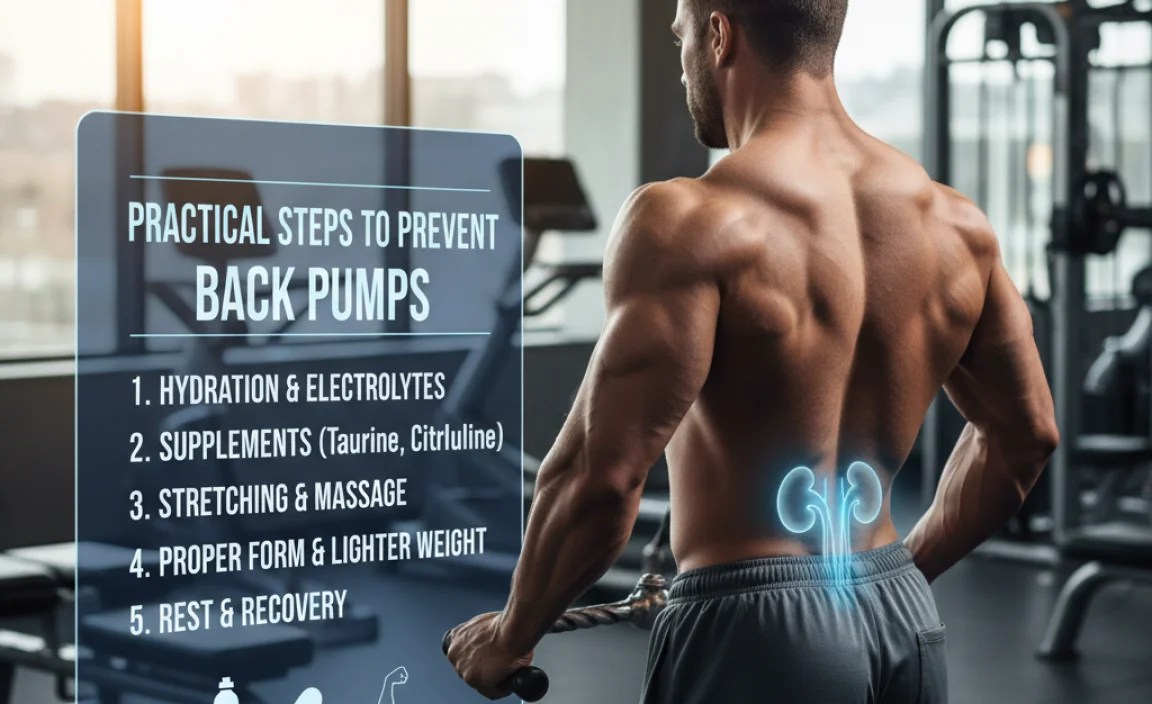
Now that we’ve covered the causes of back pumps, let’s look at practical steps you can take to prevent them.
1. Get a Professional Bike Fit
This is the single most important step you can take. A professional bike fit will ensure that your bike is properly adjusted to your body, reducing stress on your back. They will adjust saddle height, reach, handlebar height and position.
2. Optimize Your Posture
Consciously focus on maintaining good posture while riding. Engage your core, relax your shoulders, and keep a slight bend in your elbows. Think about keeping a neutral spine.
3. Stay Hydrated and Replenish Electrolytes
Drink plenty of water before, during, and after your rides. Use sports drinks or electrolyte tablets to replace lost electrolytes, especially during long or intense rides.
4. Strengthen Your Core
Incorporate core strengthening exercises into your routine. Here are a few to get you started:
- Plank: Hold a plank position for 30-60 seconds, engaging your core muscles.
- Bridge: Lie on your back with your knees bent and lift your hips off the ground, squeezing your glutes.
- Crunches: Perform controlled crunches, focusing on engaging your abdominal muscles.
- Bird Dog: Start on your hands and knees. Extend one arm straight forward and the opposite leg straight back. Hold for a few seconds, then return to the starting position and repeat on the other side.
5. Improve Your Flexibility
Regularly stretch your hamstrings, hip flexors, and lower back. Here are some effective stretches:
- Hamstring Stretch: Sit on the ground with one leg extended and the other bent. Reach towards your toes, keeping your back straight.
- Hip Flexor Stretch: Kneel on one knee with the other foot forward. Gently push your hips forward until you feel a stretch in your hip flexor.
- Lower Back Stretch: Lie on your back and bring your knees to your chest, gently rocking from side to side.
- Cat-Cow Stretch: Start on your hands and knees. Arch your back like a cat (cat pose), then drop your belly and lift your head (cow pose). Repeat several times.
6. Adjust Your Riding Style
Avoid sudden increases in intensity or duration. Gradually increase your training load and listen to your body. Take rest days when needed.
7. Choose the Right Saddle
Experiment with different saddles to find one that fits your sit bones and riding style. Consider saddles with cutouts to relieve pressure on the perineum.
8. Proper Warm-Up and Cool-Down
Always warm up before your rides with light cardio and dynamic stretching. Cool down afterward with static stretching to reduce muscle fatigue.
Tools and Products to Help

Here’s a table of useful tools and products to help prevent and manage back pumps.
| Product | Description | Benefits |
|---|---|---|
| Bike Fit Kit | Includes tools for measuring saddle height, reach, and other key dimensions. | Allows you to fine-tune your bike fit at home. |
| Foam Roller | A cylindrical foam tool used for self-massage. | Helps release muscle tension and improve flexibility. |
| Electrolyte Tablets | Dissolvable tablets containing electrolytes like sodium, potassium, and magnesium. | Replenishes electrolytes lost through sweat. |
| Chamois Cream | Applied to your cycling shorts to reduce friction. | Prevents chafing and discomfort, which can indirectly affect your posture. |
| Adjustable Stem | Allows you to easily adjust the handlebar height and reach. | Provides flexibility in finding the optimal handlebar position. |
Dealing with Back Pumps During a Ride
Even with the best prevention strategies, you might still experience back pumps during a ride. Here’s what to do:
- Stop and Stretch: Pull over to the side of the road and gently stretch your lower back. Try the knee-to-chest stretch or a simple backbend.
- Adjust Your Posture: Consciously correct your posture, engaging your core and relaxing your shoulders.
- Hydrate and Replenish Electrolytes: Drink water or a sports drink to rehydrate and replenish electrolytes.
- Reduce Intensity: Slow down your pace or shift to an easier gear to reduce the strain on your muscles.
- Consider Ending the Ride: If the pain is severe or doesn’t improve, it’s best to end the ride and seek medical advice if needed.
When to See a Doctor
Most back pumps are harmless and can be managed with the strategies outlined above. However, you should see a doctor if:
- The pain is severe or persistent.
- You experience numbness, tingling, or weakness in your legs or feet.
- You have difficulty controlling your bowel or bladder.
- The pain is accompanied by fever, chills, or unexplained weight loss.
Back Pump Prevention Checklist
Use this checklist to stay on top of back pump prevention.
- [ ] Get a professional bike fit.
- [ ] Maintain good posture while riding.
- [ ] Stay hydrated and replenish electrolytes.
- [ ] Strengthen your core muscles.
- [ ] Improve your flexibility.
- [ ] Gradually increase your training load.
- [ ] Choose the right saddle.
- [ ] Warm up before and cool down after rides.
FAQ: Back Pumps and Cycling
Here are some frequently asked questions about back pumps in cycling.
Q: Why do I get back pumps even when I’m in good shape?
A: Even fit cyclists can experience back pumps due to factors like dehydration, electrolyte imbalances, or poor bike fit. Strength and fitness are important, but other factors play a crucial role.
Q: Can my shoes cause back pumps?
A: Yes, if your shoes don’t fit properly or your cleats are misaligned, it can affect your pedaling mechanics and lead to compensatory movements that strain your back.
Q: Are back pumps more common on certain types of bikes?
A: Back pumps can occur on any type of bike, but they may be more common on road bikes due to the more aggressive riding position. However, poor fit on any bike can contribute to back pain.
Q: How long should I stretch to prevent back pumps?
A: Aim for at least 10-15 minutes of stretching several times a week. Focus on hamstrings, hip flexors, and lower back muscles.
Q: Can massage help with back pumps?
A: Yes, massage can help release muscle tension and improve blood flow, which can alleviate back pain and prevent future pumps.
Q: Is there a specific core exercise that’s best for preventing back pumps?
A: There’s no single “best” exercise, but planks, bridges, and exercises that engage the deep core muscles are particularly effective.
Q: Can I take medication for back pumps?
A: Over-the-counter pain relievers like ibuprofen or acetaminophen can help relieve pain, but they don’t address the underlying cause. It’s better to focus on prevention strategies and consult a doctor if the pain is severe or persistent.
Conclusion
Back pumps can be a real pain, but they don’t have to ruin your cycling experience. By understanding the causes and taking proactive steps to prevent them, you can enjoy comfortable and pain-free rides. Remember to prioritize proper bike fit, maintain good posture, stay hydrated, strengthen your core, and improve your flexibility. Listen to your body, and don’t hesitate to seek professional help if needed. With the right approach, you can say goodbye to back pumps and hello to many happy miles on your bike!
“`


