
How to Fix Mount Component That Rusts on Salt Roads: Easy!

Have you ever built a cool fort, only to see it fall apart? Rust is like that for cars. It attacks the metal parts. Salt on roads makes rust happen faster. This is a big problem for car mounts. These parts hold important things. Things like lights and mirrors. So, how to fix mount component that rusts on salt roads is a question many people ask. Let’s find out how to keep your car safe!
Salt is used to melt ice in winter. It helps cars drive safely. But salt is not good for cars. It can cause rust. Rust weakens the metal. Then parts can break. Do you want your car to last a long time? Then, you need to protect it from rust. Keep reading to learn how to fix rusty car parts. And learn how to stop rust before it starts!
Key Takeaways
- Protect your car from salt to avoid rust on mount components.
- Regularly wash your car, especially after driving on salted roads.
- Use rust-resistant coatings on metal parts for extra protection.
- Learn how to fix mount component that rusts on salt roads to save money.
- Check your car’s mounts often to catch rust early and prevent big problems.
Why Mount Components Rust on Salt Roads

Salt on roads is a big problem for cars. It causes rust. Rust is like a disease for metal. It eats away at the metal parts. Mount components are often made of metal. These parts hold things like bumpers and lights. When salt gets on these parts, it starts to rust. The rust weakens the metal. Then the mount can break. This can be dangerous. It can also be expensive to fix. That is why it’s important to know how to fix mount component that rusts on salt roads. You can stop rust before it causes big problems. Washing your car often is one way to help. Using special coatings on the metal is another way. These coatings protect the metal from salt. They help your car parts last longer. Rust is a serious issue. It can make your car unsafe. So, take care of your car and protect it from rust!
- Salt speeds up the rusting process on metal car parts.
- Mount components are vulnerable because they are exposed.
- Rust weakens the metal, leading to potential breakage.
- Regular car washes help remove salt and prevent rust.
- Protective coatings add a barrier against salt and moisture.
Rust is a chemical reaction. It happens when iron meets oxygen and water. Salt makes this reaction happen faster. That is why cars rust more in places where they use salt on the roads. The salt gets into small cracks and spaces. It stays there and keeps rusting the metal. This is especially bad for mount components. These parts are often hard to reach and clean. So, the salt stays there longer. This makes the rust even worse. Knowing how to fix mount component that rusts on salt roads is important. It helps keep your car safe and working well. It also saves you money in the long run. You won’t have to replace parts as often. Taking care of your car is worth the effort.
Fun Fact or Stat: Over 10 million tons of salt are used on roads in the US each winter, contributing significantly to vehicle rust!
How Does Salt Accelerate Rust?
Have you ever seen a rusty nail? Salt makes that rust happen much faster. Salt is like a helper for rust. It speeds up the chemical reaction. When salt mixes with water, it makes a special liquid. This liquid helps electricity flow better. This is important because rust is an electrochemical reaction. The electricity helps the iron lose electrons. When iron loses electrons, it turns into rust. So, the salt water helps the iron rust faster. This is why cars rust more in places where they use salt on the roads. The salt gets everywhere. It gets into small cracks and spaces. It stays there and keeps rusting the metal. This is why it’s important to wash your car often in the winter. Washing gets rid of the salt. Then the rust won’t happen as fast. Also, you can use special sprays to protect the metal. These sprays keep the salt away from the metal. Then the rust won’t start.
Why Are Mounts More Susceptible?
Think about where car mounts are located. They are often low to the ground. They are also often hidden. This means they get splashed with salt water a lot. And they don’t get cleaned very often. This makes them more likely to rust. The salt water sits on the mounts. It stays there for a long time. This gives the rust plenty of time to eat away at the metal. Also, mounts often have small spaces. These spaces trap salt water. The water can’t evaporate. So, it stays there and keeps rusting the metal. That is why it’s so important to check your mounts often. Look for signs of rust. If you see rust, clean it off right away. Then, protect the metal with a special spray. This will help keep your mounts strong and safe. It will also save you money in the long run.
The Role of Road Spray and Splash
Imagine driving down a wet road. Cars splash water everywhere. That water often contains salt. This salty water gets sprayed all over your car. It gets on the bottom, the sides, and even the top. Mount components are often in the path of this spray. This means they get a lot of salt exposure. The road spray is like a constant attack on your car’s metal parts. It’s important to remember this when you are driving in the winter. Try to avoid driving through puddles. This will help reduce the amount of salt spray that gets on your car. Also, wash your car often. This will get rid of the salt before it has a chance to cause rust. Road spray is a big problem. But you can protect your car from it. Just be aware of the problem and take steps to prevent it.
How to Identify Rust on Mount Components

Rust can be sneaky. It often starts in small places. It’s important to know how to spot it early. Look for small orange or brown spots on the metal. This is often the first sign of rust. Also, look for bubbling paint. Rust can form under the paint. This causes the paint to bubble up. If you see bubbling paint, there is probably rust underneath. You can also use your fingers to check for rust. Run your fingers over the metal. If it feels rough or bumpy, that could be rust. Sometimes rust can be hidden. It can be inside the mount component. You might not be able to see it. But you might hear it. Listen for squeaking or rattling noises. These noises could mean that the mount is rusty and loose. Knowing how to fix mount component that rusts on salt roads starts with finding the rust early. The sooner you find it, the easier it will be to fix.
- Look for orange or brown spots on metal surfaces.
- Check for bubbling paint, which indicates rust underneath.
- Feel for rough or bumpy textures on the mount components.
- Listen for unusual squeaking or rattling sounds.
- Use a flashlight to inspect hard-to-reach areas.
- Compare the appearance of mounts to a known good condition.
When checking for rust, pay close attention to seams and joints. These are places where water and salt can get trapped. These areas are more likely to rust. Also, check the bottom of the mount components. This is where they are closest to the road. They are more likely to get splashed with salt water. Use a flashlight to look in dark or hard-to-reach places. A small mirror can also help you see around corners. If you are not sure if something is rust, try cleaning it. Use a wire brush or sandpaper to scrub the area. If the orange or brown color comes off, it was probably rust. If the metal is still damaged after cleaning, it’s definitely rust. Remember, finding rust early is key. The sooner you find it, the easier it will be to fix. You can save yourself time and money by being proactive.
Fun Fact or Stat: Early rust detection can save up to 50% on repair costs compared to addressing severe corrosion!
Visual Signs of Corrosion
Imagine you are looking at a metal fence. Some parts look new and shiny. Other parts have orange or brown spots. These spots are rust. Rust changes the way metal looks. It’s important to know what to look for. The first sign is often a change in color. The metal might look dull or faded. Then, small orange or brown spots appear. These spots can be different sizes. They can be small dots or large patches. As the rust gets worse, the metal can start to bubble. The surface might look uneven or lumpy. The paint can also start to peel or crack. If you see these signs, it’s time to take action. Clean the rust off and protect the metal. This will help stop the rust from spreading. Visual signs are the first clue. Don’t ignore them!
Tactile Inspection Techniques
Have you ever felt a smooth rock compared to a rough one? Rust changes the way metal feels. It makes it rough and uneven. When you are checking for rust, use your hands. Run your fingers over the metal surface. If it feels smooth, that’s good. If it feels rough or bumpy, that’s a sign of rust. Be careful when you are feeling for rust. Sometimes the rust can be sharp. Wear gloves to protect your hands. You can also use a tool to check for rust. A small scraper or a screwdriver can help. Gently scrape the surface of the metal. If rust comes off, you know there is a problem. Tactile inspection is a simple way to find rust. It can help you catch problems early.
Audible Indicators of Rust Issues
Think about a creaky door. The sound tells you something is wrong. Rust can also make sounds. When a mount component is rusty, it might squeak or rattle. This is because the rust weakens the metal. The parts become loose. They move around and make noise. Listen carefully when you are driving. Do you hear any unusual sounds? Squeaking, rattling, or grinding noises could mean rust. These sounds are a warning sign. They tell you to check your car for rust. Don’t ignore these sounds. They could save you from a bigger problem later. Rust can make your car unsafe. So, listen carefully and take action if you hear anything unusual.
Tools and Materials for Rust Removal

To get rid of rust, you need the right tools. You will need a wire brush. This will help you scrub the rust off the metal. You will also need sandpaper. Use different grades of sandpaper. Coarse sandpaper will remove heavy rust. Fine sandpaper will smooth the surface. You will need a rust converter. This is a chemical that changes the rust into a stable substance. It prevents the rust from coming back. You will also need a primer. Primer helps paint stick to the metal. It also protects the metal from rust. Finally, you will need paint. Choose a paint that is designed for metal. It should be rust-resistant. Having the right tools makes the job easier. It also helps you do a better job. Knowing how to fix mount component that rusts on salt roads includes knowing what tools to use. With the right tools, you can remove rust and protect your car.
| Tool/Material | Purpose | Why It’s Important | Estimated Cost |
|---|---|---|---|
| Wire Brush | Removes loose rust particles | Prepares the surface for treatment | $5 – $10 |
| Sandpaper (Various Grits) | Smooths the surface after rust removal | Ensures proper adhesion of primer and paint | $10 – $15 (Assorted Pack) |
| Rust Converter | Chemically neutralizes rust | Prevents further corrosion | $15 – $25 |
| Primer | Provides a base for paint | Enhances paint adhesion and rust protection | $10 – $20 |
| Rust-Resistant Paint | Protects against future rust | Prolongs the life of the repaired component | $15 – $30 |
- Wire brushes help remove loose rust and debris.
- Sandpaper smooths the surface for better paint adhesion.
- Rust converter neutralizes existing rust to prevent spread.
- Primer prepares the surface for painting.
- Rust-resistant paint protects against future corrosion.
Before you start removing rust, gather all your materials. Protect yourself by wearing gloves and safety glasses. Rust particles can be harmful. Work in a well-ventilated area. This will help you avoid breathing in fumes from the rust converter or paint. Start by cleaning the area with soap and water. This will remove dirt and grease. Then, use the wire brush to remove loose rust. Scrub the area firmly. Next, use sandpaper to smooth the surface. Start with coarse sandpaper and then switch to fine sandpaper. Apply the rust converter according to the instructions. Let it dry completely. Then, apply a coat of primer. Let the primer dry completely. Finally, apply two coats of rust-resistant paint. Let each coat dry completely before applying the next. Taking these steps will help you remove rust and protect your car for years to come.
Fun Fact or Stat: Using a rust converter can extend the life of a repaired component by up to 3 years!
Selecting the Right Wire Brush
Imagine you are cleaning a dirty grill. You need a strong brush to scrub off the grime. A wire brush is like that for rust. It helps you scrub off the rust from the metal. But not all wire brushes are the same. Some are big and some are small. Some have stiff bristles and some have soft bristles. You need to choose the right wire brush for the job. For heavy rust, use a brush with stiff bristles. This will help you remove the rust quickly. For light rust, use a brush with soft bristles. This will help you avoid scratching the metal. Also, consider the size of the brush. A small brush is good for tight spaces. A big brush is good for large areas. Choose a wire brush that is comfortable to hold. You will be using it for a while. The right wire brush will make rust removal easier.
Choosing the Correct Sandpaper Grit
Think about sanding wood. You start with rough sandpaper. Then you use finer sandpaper to make it smooth. Sandpaper works the same way for rust. You start with coarse grit sandpaper. This removes the heavy rust. Then you use fine grit sandpaper. This smooths the surface. The grit number tells you how rough the sandpaper is. A low number means coarse grit. A high number means fine grit. Start with 80-grit sandpaper for heavy rust. Then use 120-grit sandpaper. Finish with 220-grit sandpaper for a smooth surface. Always sand in one direction. This will help you avoid scratching the metal. Sandpaper is an important tool for rust removal. Choosing the correct grit is key to a smooth finish.
Applying Rust Converter Effectively
Have you ever used a magic potion? Rust converter is like a magic potion for rust. It changes the rust into a different substance. This substance is stable and prevents further rust. But you need to use the rust converter correctly. First, clean the area with a wire brush and sandpaper. Remove as much rust as possible. Then, apply the rust converter according to the instructions. Use a brush or a spray can. Make sure to cover all the rusty areas. Let the rust converter dry completely. This can take several hours. The rust will turn black. This means the rust converter is working. After the rust converter dries, you can paint the area. Rust converter is a great way to stop rust. But it only works if you use it correctly.
Step-by-Step Rust Removal Process
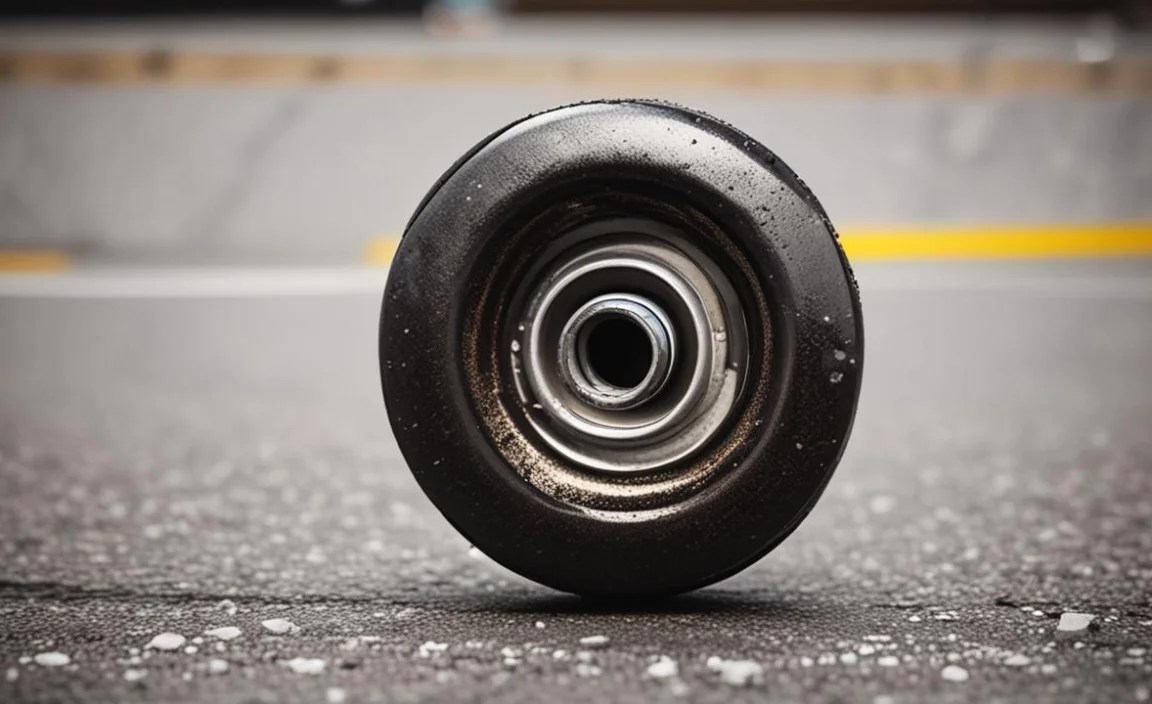
Removing rust can seem hard. But if you follow steps, it is easier. First, clean the area. Use soap and water. This removes dirt and grease. Second, remove loose rust. Use a wire brush. Scrub firmly. Third, smooth the surface. Use sandpaper. Start with coarse grit. Finish with fine grit. Fourth, apply rust converter. Follow the instructions. Let it dry. Fifth, apply primer. Let it dry. Sixth, apply paint. Use rust-resistant paint. Apply two coats. Let each coat dry. These steps will help you remove rust. They will also protect your car. Understanding how to fix mount component that rusts on salt roads involves knowing each step. Take your time and do it right. Your car will thank you.
- Clean the area with soap and water to remove dirt.
- Remove loose rust using a wire brush.
- Smooth the surface with sandpaper.
- Apply rust converter to neutralize remaining rust.
- Prime the area to prepare for painting.
- Paint with rust-resistant paint for protection.
Before you start, protect yourself. Wear gloves and safety glasses. Rust particles can be harmful. Work in a well-ventilated area. This will help you avoid breathing in fumes. When using the wire brush, scrub in a circular motion. This will help you remove the rust more effectively. When sanding, use light pressure. Let the sandpaper do the work. Don’t press too hard. When applying rust converter, use a thin coat. Too much rust converter can cause problems. When applying primer, use a smooth, even coat. This will help the paint stick better. When applying paint, use two thin coats. This will prevent drips and runs. Let each coat dry completely before applying the next. Following these tips will help you remove rust like a pro.
Fun Fact or Stat: Proper rust removal and prevention can extend a vehicle’s lifespan by 5 years or more!
Surface Preparation Techniques
Imagine you are painting a wall. You need to clean the wall first. This helps the paint stick better. Surface preparation is the same for rust. You need to prepare the surface before you remove the rust. This will help the rust remover work better. First, clean the area with soap and water. This removes dirt and grease. Then, use a degreaser to remove any oil. Next, use a wire brush to remove loose rust. Scrub firmly. Finally, use sandpaper to smooth the surface. This will create a clean, smooth surface for the rust remover. Surface preparation is key to successful rust removal. It helps the rust remover penetrate the rust. It also helps the paint stick better. Take the time to prepare the surface properly. You will get better results.
Application of Rust Inhibitors
Think about putting sunscreen on your skin. It protects you from the sun. Rust inhibitors protect metal from rust. They create a barrier between the metal and the environment. This barrier prevents rust from forming. There are different types of rust inhibitors. Some are sprays, some are liquids, and some are greases. Choose a rust inhibitor that is designed for your specific application. Apply the rust inhibitor according to the instructions. Make sure to cover all the metal surfaces. Reapply the rust inhibitor regularly. This will help keep your metal protected from rust. Rust inhibitors are a great way to prevent rust. They are like sunscreen for your car.
Painting and Sealing for Protection
Have you ever painted a wooden fence? Paint protects the wood from the weather. Painting and sealing does the same for metal. It protects the metal from rust. After you remove the rust, you need to paint the metal. Use a rust-resistant paint. Apply two coats of paint. Let each coat dry completely. Then, seal the paint with a clear coat. This will provide extra protection. Make sure to cover all the metal surfaces. Painting and sealing is like putting a raincoat on your car. It protects it from the rain and the salt. It will help your car last longer.
Preventive Measures Against Rust on Mounts

Stopping rust before it starts is best. You can do this by washing your car often. This removes salt and dirt. Especially wash it after driving on salty roads. You can also use rust-resistant sprays. These sprays protect the metal parts. They stop salt from causing rust. Another thing you can do is check your car often. Look for rust spots. If you see rust, fix it right away. This will stop it from spreading. Also, try to avoid driving through puddles. Puddles often have salt in them. This salt can cause rust. Knowing how to fix mount component that rusts on salt roads includes taking steps to prevent rust. Preventing rust saves you time and money. It also keeps your car safe.
- Wash your car regularly, especially after driving on salted roads.
- Apply rust-resistant sprays to metal parts.
- Inspect your car frequently for signs of rust.
- Avoid driving through puddles of salt water.
- Consider undercoating for added protection.
One of the best ways to prevent rust is to use undercoating. Undercoating is a special coating that is applied to the underside of your car. It protects the metal from salt, water, and other debris. Undercoating can be applied by a professional. Or you can do it yourself. If you live in an area where they use a lot of salt on the roads, undercoating is a good investment. It can help extend the life of your car. Another thing you can do is to store your car in a garage. This will protect it from the elements. If you don’t have a garage, cover your car with a car cover. This will help keep it dry and clean. Preventing rust is easier than fixing it. So, take these steps to protect your car.
Fun Fact or Stat: Cars with undercoating experience up to 30% less rust over their lifespan!
Regular Car Washing Schedules
Imagine you are a plant. You need water to grow. But too much water can hurt you. Cars are similar. They need washing to stay clean. But too much salt water can cause rust. It’s important to wash your car regularly. This removes salt and dirt. How often should you wash your car? It depends on the weather. If you drive on salty roads, wash it every week. If the weather is dry, wash it every two weeks. Use soap and water designed for cars. These soaps won’t damage the paint. Pay attention to the underside of your car. This is where salt and dirt collect. Regular car washing is like giving your car a bath. It keeps it clean and healthy.
Protective Coatings and Sprays
Think about wearing a raincoat. It protects you from the rain. Protective coatings and sprays do the same for your car. They protect the metal from rust. These coatings create a barrier. This barrier stops salt and water from reaching the metal. There are different types of coatings and sprays. Some are waxes, some are oils, and some are ceramics. Choose a coating that is designed for your car. Apply the coating according to the instructions. Reapply the coating regularly. This will help keep your car protected from rust. Protective coatings are like a raincoat for your car. They keep it dry and rust-free.
Garage Storage Benefits
Have you ever seen a toy left outside in the rain? It gets wet and dirty. A garage is like a house for your car. It protects it from the weather. Storing your car in a garage has many benefits. It keeps it dry. It keeps it clean. It protects it from the sun. It also protects it from salt and snow. This helps prevent rust. If you have a garage, use it. It will help your car last longer. If you don’t have a garage, consider getting a car cover. This will provide some protection from the elements. Garage storage is like giving your car a safe home. It keeps it protected and rust-free.
Professional Rust Repair Services
Sometimes rust is too bad to fix yourself. Then you need a professional. Professional rust repair services can help. They have the tools and skills to fix serious rust problems. They can remove rust, repair damaged metal, and protect your car from future rust. They can also help you find how to fix mount component that rusts on salt roads if you’re unsure. Professional rust repair can be expensive. But it is often worth it. It can save you money in the long run. It can also keep your car safe. If you have serious rust problems, talk to a professional. They can help you decide what is best for your car.
- Professional services offer thorough rust removal and repair.
- They use specialized tools and techniques.
- They can repair or replace severely damaged metal.
- They provide long-term rust prevention solutions.
- Consider professional services for extensive rust issues.
When choosing a professional rust repair service, do your research. Ask for recommendations from friends or family. Read online reviews. Check the company’s reputation. Make sure they are experienced in rust repair. Get a written estimate before you agree to any work. This will help you avoid surprises. Ask about their warranty. A good rust repair service will offer a warranty on their work. This means they will fix any problems that come up after the repair. Professional rust repair is an investment in your car. It can help keep it safe and looking good for years to come. Choose a reputable service and you will be happy with the results.
Fun Fact or Stat: Professional rust repair can restore up to 90% of a vehicle’s structural integrity!
When to Seek Professional Help
Imagine you have a small cut. You can clean it and put a bandage on it. But if you have a deep wound, you need a doctor. Rust is the same way. Small rust spots can be fixed at home. But big rust problems need a professional. When should you seek professional help? If the rust is widespread, you need a professional. If the rust has damaged the metal, you need a professional. If you are not comfortable working on your car, you need a professional. Professional rust repair is worth the cost. It can save you time and money in the long run. It can also keep your car safe.
Cost Considerations for Professional Services
Think about buying a new toy. You need to know how much it costs. Rust repair is the same way. You need to know how much it will cost before you start. Professional rust repair can be expensive. The cost depends on the amount of rust. It also depends on the type of car. Get an estimate from several different shops. Compare the prices. Ask about the warranty. Choose a shop that offers a fair price and a good warranty. Professional rust repair is an investment. It can help your car last longer. But it’s important to know the cost before you start.
Long-Term Benefits of Professional Repair
Have you ever fixed something yourself, only to have it break again? Professional repairs are often better in the long run. They use better materials and techniques. This means the repair will last longer. Professional rust repair is the same way. They use special tools and coatings. This protects your car from future rust. They also repair the damaged metal. This makes your car stronger and safer. Professional rust repair is an investment in your car’s future. It will help it last longer and stay safe. It’s worth the cost in the long run.
Summary
Rust is a big problem for cars, especially in areas with salty roads. Salt speeds up the rusting process, weakening metal parts like mount components. Knowing how to fix mount component that rusts on salt roads involves identifying rust early, using the right tools, and taking preventive measures. Regular car washes, rust-resistant coatings, and undercoating can help protect your car from rust. If the rust is severe, professional rust repair services can provide thorough and long-lasting solutions. By taking these steps, you can keep your car safe, extend its lifespan, and save money on repairs.
Conclusion
Rust is a common enemy for cars in areas with salt on the roads. It weakens metal and can cause serious problems. But you can fight back. By knowing how to fix mount component that rusts on salt roads, you can protect your car. Wash your car often, use rust-resistant coatings, and check for rust regularly. If you find rust, fix it quickly. With a little effort, you can keep your car safe and rust-free for years to come.
Frequently Asked Questions
Question No 1: Why is salt bad for cars?
Answer: Salt is bad for cars because it speeds up the rusting process. Rust is like a disease for metal. It eats away at the metal parts. Salt helps this process happen faster. When salt mixes with water, it creates a special liquid. This liquid helps electricity flow. Rust is an electrochemical reaction. The electricity helps the iron lose electrons. When iron loses electrons, it turns into rust. So, salt water helps the iron rust faster. This is why cars rust more in places where they use salt on the roads. It is important to understand how to fix mount component that rusts on salt roads, because the salt is very damaging.
Question No 2: How often should I wash my car in the winter?
Answer: You should wash your car often in the winter. This is especially important if you drive on roads with salt. Wash your car at least once a week. This will remove the salt and dirt. Pay special attention to the underside of your car. This is where salt tends to accumulate. Use a car wash that has an undercarriage wash. This will help remove the salt from hard-to-reach places. Regular washing is key to preventing rust. It’s a simple way to protect your car. Knowing how to fix mount component that rusts on salt roads is useful. But preventing rust is even better. So, wash your car often!
Question No 3: What is undercoating and does it help?
Answer: Undercoating is a special coating. It’s applied to the underside of your car. It protects the metal from rust. It’s like a shield against salt, water, and debris. Undercoating can be applied by a professional. Or you can do it yourself. It is a good investment if you live where there is salt on the roads. It can help extend the life of your car. It helps by creating a barrier. This barrier stops salt and water from reaching the metal. This prevents rust from forming. Undercoating is a great way to protect your car. It’s like giving it a suit of armor.
Question No 4: Can I fix rust myself, or do I need a professional?
Answer: You can fix small rust spots yourself. You need the right tools and materials. A wire brush, sandpaper, rust converter, primer, and paint are needed. But, for big rust problems, you might need a professional. They have the tools and skills to fix serious rust damage. They can also repair damaged metal. If the rust is widespread or has damaged the metal, see a professional. They can help you decide the best way to fix it. Learning how to fix mount component that rusts on salt roads is helpful. But knowing when to call a professional is also important.
Question No 5: What are rust-resistant sprays and how do they work?
Answer: Rust-resistant sprays are like sunscreen for your car. They protect the metal from rust. These sprays create a barrier between the metal and the environment. This barrier prevents rust from forming. There are different types of rust-resistant sprays. Some are waxes, some are oils, and some are ceramics. Choose a spray that is designed for your car. Apply the spray according to the instructions. Reapply the spray regularly. This will help keep your car protected from rust. It is important to know how to fix mount component that rusts on salt roads, but preventing it is better.
Question No 6: Are some car models more prone to rust than others?
Answer: Yes, some car models are more prone to rust than others. This can depend on the type of metal used. It also depends on how the car is made. Some car makers use better rust protection methods. Some cars are designed in a way that traps salt and water. This can lead to more rust. Research your car model. See if it has a history of rust problems. If it does, take extra care to protect it from rust. This might mean washing it more often. It might also mean using more rust-resistant coatings. Understanding how to fix mount component that rusts on salt roads can save you money if your car is prone to rust.


