
How to Maintain Hose Flexibility Over Time: Smart Tips

To keep your hoses flexible, store them out of direct sunlight, drain them after each use, and avoid extreme temperatures. Regularly inspect for kinks or damage, and consider using a hose conditioner to maintain pliability. This will prevent cracking and ensure your hoses last longer.
Are you tired of wrestling with stiff, cracked hoses? It’s a common problem! Hoses can lose their flexibility over time, making them hard to use and prone to damage. But don’t worry, keeping your hoses in top shape is easier than you think. We’ll walk you through simple steps to maintain your hoses, prevent them from becoming brittle, and extend their lifespan. Get ready to say goodbye to hose headaches and hello to smooth, easy watering!
Why Hose Flexibility Matters
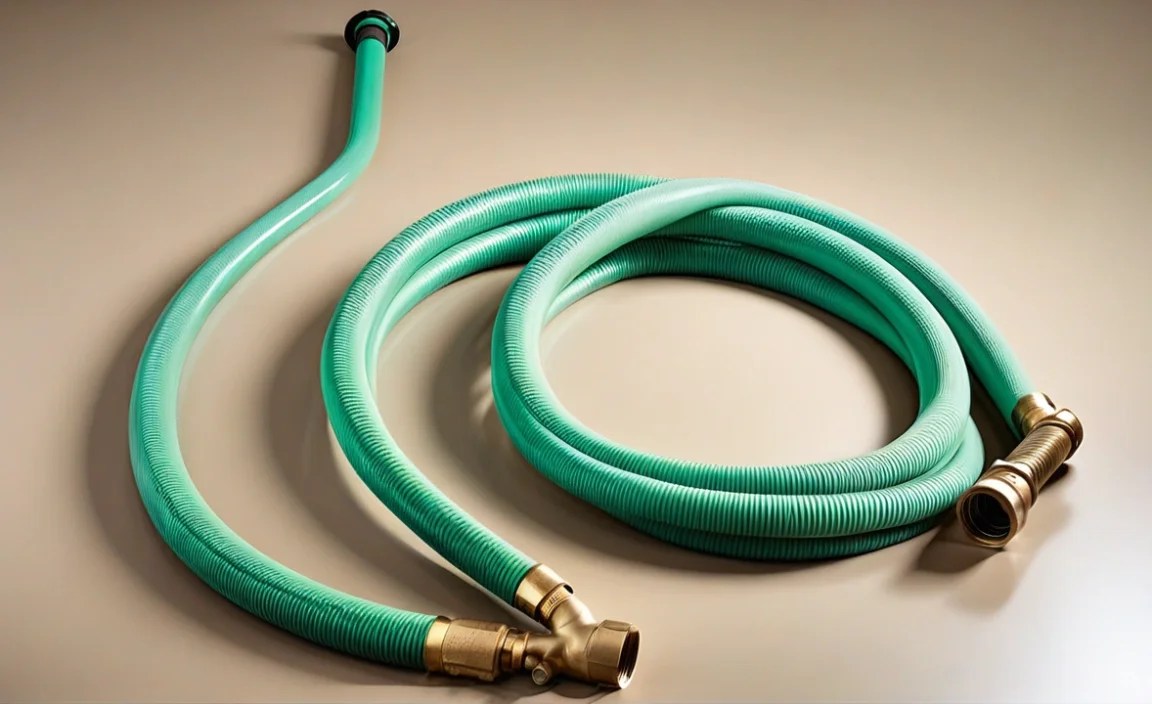
Keeping your hoses flexible isn’t just about convenience; it’s essential for performance and longevity. A flexible hose is easier to maneuver, reducing strain on both you and the hose itself. Here’s why it’s so important:
- Prevents Cracking: Flexible hoses are less likely to crack or split, saving you money on replacements.
- Easier to Use: A pliable hose is much easier to roll, unroll, and position where you need it.
- Reduces Kinks: Flexible hoses resist kinking, maintaining consistent water flow.
- Extends Lifespan: Proper maintenance keeps your hoses in good condition for years.
Factors That Affect Hose Flexibility

Several factors can cause hoses to lose their flexibility. Understanding these will help you take the right preventive measures:
- UV Exposure: Sunlight degrades the materials in hoses, making them stiff and brittle.
- Temperature Extremes: Freezing temperatures can cause hoses to crack, while high temperatures can make them lose elasticity.
- Improper Storage: Leaving hoses kinked or tangled can weaken them over time.
- Chemical Exposure: Contact with certain chemicals can damage the hose material.
- Age: Like any material, hoses degrade naturally over time.
Step-by-Step Guide to Maintaining Hose Flexibility

Follow these simple steps to keep your hoses flexible and in good working condition.
Step 1: Proper Storage
How you store your hose can significantly impact its flexibility. Here’s what to do:
- Avoid Direct Sunlight: Store hoses in a shaded area, like a garage, shed, or under a covered patio.
- Use a Hose Reel or Hanger: These tools prevent kinks and tangles, which can weaken the hose.
- Coil Neatly: If you don’t have a reel, coil the hose neatly in large loops to avoid sharp bends.
- Store Indoors During Winter: In cold climates, bring hoses indoors to prevent freezing and cracking.
Step 2: Drain After Each Use
Water left inside a hose can cause it to degrade faster, especially in freezing temperatures. Here’s how to drain your hose properly:
- Disconnect from Faucet: Remove the hose from the water source.
- Stretch Out the Hose: Lay the hose flat and straight, or hold it up to let gravity do the work.
- Remove Nozzle: Take off any attachments to allow water to flow freely.
- Shake Out Excess Water: Give the hose a good shake to remove any remaining water.
Step 3: Regular Inspection and Cleaning
Regularly checking and cleaning your hoses can prevent damage and maintain flexibility:
- Inspect for Damage: Look for cracks, kinks, or weak spots.
- Clean with Mild Soap: Use a mild soap and water solution to remove dirt and debris.
- Rinse Thoroughly: Make sure to rinse all the soap off the hose.
- Dry Before Storing: Allow the hose to dry completely before coiling it up.
Step 4: Protect from Extreme Temperatures
Extreme temperatures can wreak havoc on hose materials. Here’s how to protect your hoses:
- Avoid Freezing: Store hoses indoors or in a heated space during winter.
- Shield from Heat: Keep hoses out of direct sunlight and away from hot surfaces.
- Use Insulated Covers: If hoses must be left outside in cold weather, use insulated covers.
Step 5: Use Hose Conditioners
Hose conditioners can help maintain flexibility and protect against UV damage. Here’s how to use them:
- Choose a Suitable Conditioner: Look for products designed for rubber or vinyl hoses.
- Apply Evenly: Spray or wipe the conditioner onto the hose surface.
- Allow to Absorb: Let the conditioner soak in for the recommended time.
- Wipe Off Excess: Remove any excess conditioner with a clean cloth.
Step 6: Repairing Minor Damage
Small cracks or leaks can often be repaired, extending the life of your hose:
- Use Repair Couplings: These fittings allow you to cut out the damaged section and reconnect the hose.
- Apply Repair Tape: Waterproof tape can temporarily seal small leaks.
- Consider a Hose Mender Kit: These kits include everything you need for basic hose repairs.
Choosing the Right Type of Hose

The type of hose you choose can also affect its flexibility and longevity. Here’s a comparison of common hose materials:
| Hose Material | Flexibility | Durability | Pros | Cons |
|---|---|---|---|---|
| Rubber | Excellent | High | Very flexible, resists cracking, long-lasting | Heavier, more expensive |
| Vinyl | Good | Medium | Lightweight, affordable | Less durable, prone to kinking |
| Reinforced Rubber | Very Good | Very High | Extremely durable, resists kinking, good flexibility | More expensive, can be heavy |
| Polyurethane | Good | Medium | Lightweight, resists abrasion | Can be stiff in cold weather |
Essential Tools for Hose Maintenance
Having the right tools on hand can make hose maintenance easier and more effective:
- Hose Reel or Hanger: For neat and organized storage.
- Hose Repair Kit: Includes couplings, clamps, and tape for fixing leaks.
- Mild Soap: For cleaning dirt and debris.
- Soft Brush: For scrubbing the hose surface.
- Hose Conditioner: To maintain flexibility and protect against UV damage.
Advanced Tips for Extending Hose Life
Here are some additional tips to maximize the lifespan of your hoses:
- Rotate Hoses: If you have multiple hoses, rotate their use to distribute wear and tear.
- Avoid Dragging: Dragging hoses across rough surfaces can cause damage.
- Use a Hose Guide: These devices prevent hoses from rubbing against sharp edges.
- Store in a Climate-Controlled Environment: If possible, store hoses in a place with stable temperature and humidity.
Troubleshooting Common Hose Problems
Even with the best care, hoses can sometimes develop problems. Here’s how to troubleshoot some common issues:
| Problem | Possible Cause | Solution |
|---|---|---|
| Kinks | Improper storage, low-quality hose | Use a hose reel, choose a kink-resistant hose |
| Cracks | UV exposure, freezing temperatures | Store in shade, bring indoors during winter |
| Leaks | Physical damage, worn-out fittings | Repair with couplings or tape, replace fittings |
| Low Water Pressure | Kinks, clogs, leaks | Remove kinks, clean hose, repair leaks |
Environmental Considerations
Proper hose maintenance not only saves you money but also benefits the environment. By extending the life of your hoses, you reduce the need to purchase new ones, which conserves resources and reduces waste. Additionally, preventing leaks helps conserve water, a precious resource, especially in drought-prone areas.
FAQ: Maintaining Hose Flexibility
What is the best way to store a garden hose to prevent it from becoming stiff?
The best way to store a garden hose is on a hose reel or hanger in a shaded area. This prevents kinks and protects it from direct sunlight, which can cause the hose to become stiff and brittle.
How often should I clean my garden hose?
You should clean your garden hose at least twice a year, or more often if it gets very dirty. Use mild soap and water to remove dirt and debris, then rinse thoroughly and allow it to dry before storing.
Can I use any type of conditioner on my garden hose?
No, you should use a conditioner specifically designed for rubber or vinyl hoses. These conditioners help maintain flexibility and protect against UV damage without harming the hose material.
What should I do if my garden hose freezes?
If your garden hose freezes, bring it indoors to thaw slowly. Avoid using hot water to thaw it, as this can cause damage. Once thawed, inspect it for cracks or damage before using it again.
How can I prevent my garden hose from kinking?
To prevent kinking, use a high-quality hose that is designed to be kink-resistant. Store the hose properly on a reel or hanger, and avoid creating sharp bends when coiling it.
Is it better to buy a rubber or vinyl garden hose?
Rubber hoses are generally more flexible and durable than vinyl hoses, but they are also heavier and more expensive. Vinyl hoses are lightweight and affordable, but they are more prone to kinking and damage. Choose the hose that best fits your needs and budget.
How long should a garden hose last with proper maintenance?
With proper maintenance, a high-quality garden hose can last for 5-10 years or even longer. Regular cleaning, proper storage, and protection from extreme temperatures can significantly extend the lifespan of your hose.
Conclusion
Maintaining the flexibility of your hoses doesn’t have to be a chore. By following these simple steps—proper storage, regular cleaning, and protection from the elements—you can keep your hoses in great shape for years to come. A little bit of care goes a long way in preventing cracks, kinks, and other damage, saving you money and ensuring your watering tasks are always a breeze. So, take a few minutes to show your hoses some love, and enjoy the benefits of a flexible, reliable watering system!


