
How to Prevent Rust in Metal Chucks: Easy Guide

Quick Summary
To prevent rust in metal chucks, regularly clean them with a wire brush, apply a rust inhibitor or protectant spray, and store them in a dry place. Consider using a desiccant to absorb moisture. Routine maintenance is key to extending the life of your chucks.
Rust can be a real headache for any cyclist who relies on well-maintained tools. Metal chucks, those handy connectors on your bike pump, are especially prone to rust. It’s frustrating to grab your pump only to find its chuck is corroded, making it hard to inflate your tires properly. But don’t worry, keeping your chucks rust-free is easier than you think! This guide will walk you through simple steps to protect your chucks and keep them in top shape. Let’s get started and say goodbye to rusty chucks!
Understanding Why Metal Chucks Rust

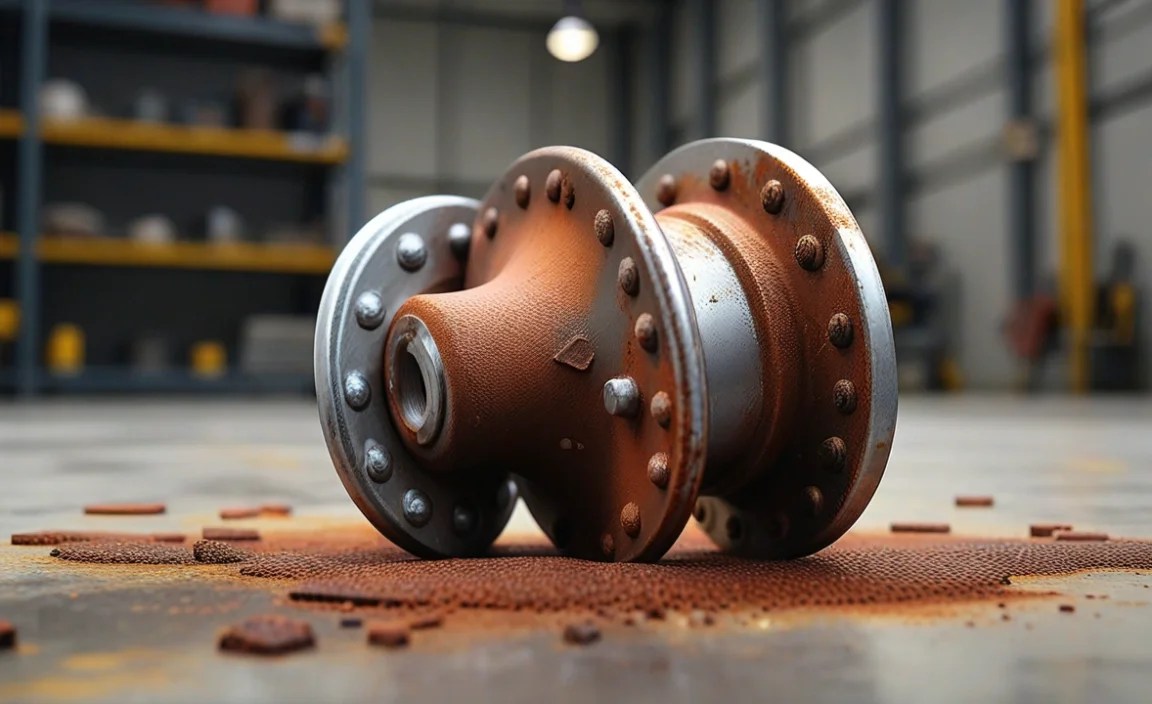
Before diving into prevention, let’s quickly cover why metal chucks rust in the first place. Rust is a form of corrosion that occurs when iron or steel is exposed to oxygen and moisture. This creates iron oxide, which we know as rust. Several factors can speed up this process:
- Moisture: Rain, humidity, and even condensation can trigger rust.
- Salt: Road salt, especially in winter, is highly corrosive.
- Contaminants: Dirt and grime can trap moisture and accelerate rust.
- Lack of Protection: Without protective coatings, bare metal is vulnerable.
Essential Tools and Materials
Gather these items to make rust prevention a breeze:
- Wire Brush: For removing existing rust and debris.
- Clean Rags: To wipe down chucks.
- Rust Inhibitor/Protectant Spray: To create a protective barrier.
- Lubricant (e.g., WD-40): For added protection and smooth operation.
- Desiccant Packs: To absorb moisture during storage.
- Gloves: To keep your hands clean.
Step-by-Step Guide to Preventing Rust

Follow these steps to keep your metal chucks rust-free.
Step 1: Cleaning the Chuck
Start by cleaning your chuck thoroughly. This removes any existing rust, dirt, or grime that could trap moisture.
- Inspect the Chuck: Check for visible rust or debris.
- Dry Brush: Use a wire brush to scrub away loose rust and dirt.
- Wipe Clean: Use a clean rag to wipe down the chuck.
Step 2: Applying a Rust Inhibitor
A rust inhibitor creates a protective barrier that shields the metal from moisture and oxygen.
- Spray Evenly: Apply a thin, even coat of rust inhibitor spray.
- Coat All Surfaces: Make sure to cover all exposed metal parts.
- Let it Dry: Allow the inhibitor to dry completely before use.
Step 3: Lubricating the Chuck
Lubrication helps to keep the chuck operating smoothly and adds an extra layer of protection against rust.
- Apply Lubricant: Spray a small amount of lubricant (like WD-40) onto the moving parts of the chuck.
- Work it In: Move the chuck’s components to distribute the lubricant evenly.
- Wipe Excess: Wipe away any excess lubricant with a clean rag.
Step 4: Proper Storage
How you store your chucks can significantly impact their susceptibility to rust.
- Dry Location: Store chucks in a dry, indoor space.
- Desiccant Packs: Place desiccant packs in the storage area to absorb moisture.
- Avoid Direct Contact: Prevent chucks from touching damp surfaces or other metal objects that might promote rust.
Advanced Tips for Rust Prevention

Want to take your rust prevention efforts to the next level? Try these advanced tips.
- Regular Inspection: Check your chucks regularly for any signs of rust.
- Immediate Action: Address any rust spots immediately to prevent them from spreading.
- Protective Coatings: Consider using specialized rust-preventative coatings for long-term protection.
Choosing the Right Rust Inhibitor
Selecting the right rust inhibitor is crucial for effective protection. Here’s what to look for:
- Corrosion Resistance: Ensure the product is specifically designed to prevent rust and corrosion.
- Ease of Application: Opt for a spray or liquid that’s easy to apply evenly.
- Environmental Factors: Choose a product that’s suitable for the environmental conditions in your area (e.g., high humidity, salt exposure).
- User Reviews: Check online reviews to see how well the product performs in real-world conditions.
Maintaining Your Chucks in Different Weather Conditions
Weather plays a big role in how quickly rust can form. Here’s how to adjust your maintenance routine for different conditions:
Humid Climates
In humid areas, moisture is your biggest enemy. Follow these tips:
- Increase Frequency: Clean and protect your chucks more frequently.
- Desiccant Use: Use more desiccant packs in your storage area.
- Airtight Storage: Consider storing chucks in airtight containers.
Cold Climates
Cold weather often means road salt, which is highly corrosive. Here’s what to do:
- Post-Ride Cleaning: Always clean your chucks after riding in wet or salty conditions.
- Thorough Drying: Ensure chucks are completely dry before storing them.
- Protective Sprays: Use rust inhibitors specifically designed for salt protection.
Dry Climates
Even in dry climates, dust and debris can trap moisture. Follow these tips:
- Regular Cleaning: Clean chucks regularly to remove dust and grime.
- Lubrication: Keep moving parts lubricated to prevent friction and wear.
- Inspection: Check periodically for any signs of rust, even in dry conditions.
Common Mistakes to Avoid
Here are some common mistakes people make when trying to prevent rust:
- Skipping Cleaning: Applying rust inhibitor without cleaning first.
- Using Too Much Lubricant: Over-lubricating can attract dirt.
- Neglecting Storage: Storing chucks in damp or exposed areas.
- Ignoring Early Signs: Failing to address small rust spots promptly.
DIY vs. Professional Rust Prevention
While DIY methods are effective for most cyclists, sometimes professional help is needed. Here’s when to consider professional rust prevention:
DIY Rust Prevention
Pros:
- Cost-effective
- Convenient
- Easy to implement
Cons:
- Requires regular maintenance
- May not be as effective for severe rust
- Time-consuming
Professional Rust Prevention
Pros:
- More thorough protection
- Long-lasting results
- Suitable for valuable or frequently used chucks
Cons:
- More expensive
- Requires taking your chucks to a professional
- May involve specialized coatings or treatments
Table: Comparing Rust Prevention Methods
| Method | Description | Pros | Cons | Best For |
|---|---|---|---|---|
| Cleaning and Lubricating | Regular cleaning and application of lubricant. | Simple, cost-effective, easy to do at home. | Needs frequent repetition, less effective in harsh conditions. | Everyday use, mild climates. |
| Rust Inhibitor Sprays | Applying a protective spray to prevent rust. | Provides a protective barrier, easy to apply. | May wear off over time, needs reapplication. | Moderate exposure to moisture and salt. |
| Professional Coatings | Specialized coatings applied by professionals. | Long-lasting protection, very effective. | Expensive, requires professional application. | Harsh climates, valuable chucks. |
| Proper Storage | Storing chucks in a dry, controlled environment. | Simple, prevents moisture buildup. | Only effective when chucks are not in use. | All situations, as a supplementary method. |
Table: Recommended Products for Rust Prevention
| Product Type | Brand Example | Description | Approximate Price |
|---|---|---|---|
| Rust Inhibitor Spray | CRC Marine Corrosion Inhibitor | A spray that provides a protective coating against rust and corrosion. | $10-15 |
| Lubricant | WD-40 Specialist Water Resistant Silicone Lubricant | A silicone-based lubricant that protects against moisture and reduces friction. | $8-12 |
| Desiccant Packs | Dry & Dry Premium Desiccant Packets | Silica gel packets that absorb moisture in enclosed spaces. | $15-20 (for a multi-pack) |
| Wire Brush | OXO Good Grips Deep Clean Brush Set | Durable brushes for removing rust and debris from metal surfaces. | $5-10 |
Dealing with Existing Rust
If you already have rust on your chucks, don’t worry! You can still salvage them. Here’s how:
- Remove Loose Rust: Use a wire brush or sandpaper to remove as much loose rust as possible.
- Apply Rust Converter: Apply a rust converter to the affected areas. This chemical transforms the rust into a stable, paintable surface.
- Rinse and Dry: Rinse the chuck with water and dry it thoroughly.
- Apply Inhibitor: Apply a rust inhibitor to prevent future rust.
Alternative Rust Prevention Methods
Here are some alternative methods you can try:
- Vinegar Soak: Soaking the chuck in vinegar can help dissolve rust.
- Baking Soda Paste: Applying a paste of baking soda and water can scrub away rust.
- Electrolysis: Using electrolysis can remove rust through a chemical reaction (more advanced).
The Science Behind Rust Prevention
Understanding the science behind rust can help you choose the best prevention methods. Rust is an electrochemical process that requires three components:
- Iron or Steel: The metal that rusts.
- Oxygen: An oxidizing agent.
- Moisture: An electrolyte that facilitates the reaction.
Rust prevention methods work by:
- Creating a Barrier: Inhibitors block oxygen and moisture from reaching the metal.
- Reducing Electrolytes: Keeping the metal dry reduces the electrolyte needed for the reaction.
- Passivation: Some coatings create a passive layer on the metal surface that prevents rust. Learn more about passivation.
FAQ: Preventing Rust in Metal Chucks
Q: How often should I clean and protect my metal chucks?
A: Clean and protect your chucks every month or after each use in wet or salty conditions.
Q: Can I use household products to prevent rust?
A: Yes, vinegar and baking soda can remove existing rust, but use a dedicated rust inhibitor for long-term protection.
Q: Is WD-40 a good rust inhibitor?
A: WD-40 can provide some protection, but dedicated rust inhibitors are more effective.
Q: What’s the best way to store my chucks to prevent rust?
A: Store them in a dry, indoor location with desiccant packs to absorb moisture.
Q: How do I know if my chuck is too rusty to save?
A: If the rust is severe and the metal is significantly corroded, it might be time to replace the chuck.
Q: Can I paint my metal chucks to prevent rust?
A: Yes, but use a rust-resistant primer and paint for the best results. Check out Bob Vila’s guide to rust-resistant paints.
Q: Are stainless steel chucks rust-proof?
A: Stainless steel is more rust-resistant than regular steel, but it can still corrode under certain conditions. Regular maintenance is still important.
Conclusion
Preventing rust in metal chucks is a straightforward process that can save you time and money in the long run. By following the steps outlined in this guide—cleaning, applying rust inhibitors, lubricating, and storing your chucks properly—you can keep them in top condition for years to come. Remember, regular maintenance is key. So, take a few minutes each month to care for your chucks, and you’ll always have a reliable tool ready for your next ride. Happy cycling!


