
Easy: How to Install Front Camera Mount for Downhill Bike

Do you love riding your downhill bike? Do you want to record your awesome rides? Many bikers do! They want to show off their skills. One way to do this is with a camera. But how to install front camera mount for downhill bike? It might seem tricky, but it’s not. This article will help you. You’ll learn the simple steps. Get ready to capture your adventures!
Key Takeaways
- Installing a front camera mount lets you record your downhill bike rides easily.
- Make sure to pick a mount that fits your bike’s handlebar size correctly.
- You will need basic tools like a screwdriver and maybe an Allen wrench.
- Knowing how to install front camera mount for downhill bike keeps your camera secure.
- Always check the mount’s stability before hitting the trails for safety.
Choosing the Right Camera Mount

Picking the right camera mount is super important. You need one that fits your bike. Handlebars come in different sizes. Measure yours before you buy anything. A mount that’s too big or too small won’t work. It could even be dangerous. Imagine your camera falling off mid-ride! That would ruin your video, and maybe break your camera. Look for mounts made for downhill bikes. These are usually stronger. They can handle rough rides. Read reviews before you buy. See what other bikers say. A good mount will keep your camera safe. It will also give you the best view. So, take your time and choose wisely. Your videos will thank you!
- Measure your handlebars before buying a mount.
- Choose a mount made for downhill bikes.
- Read reviews to see what other bikers think.
- Make sure the mount is strong and durable.
- Check that it fits your camera properly.
Think about where you want to put your camera. Some mounts go on the handlebars. Others attach to the frame. Handlebar mounts are popular. They give you a rider’s-eye view. Frame mounts can be more stable. They might show more of the bike. Consider what kind of videos you want to make. This will help you choose the best mount. Remember, safety is key. Make sure the mount doesn’t get in your way. You need to be able to steer and brake easily. A good mount should be easy to adjust. This lets you change the angle of your camera. Have fun finding the perfect mount for your bike!
Fun Fact or Stat: Did you know that GoPro sells more camera mounts than cameras each year?
What are the different types of mounts?
Have you ever wondered about the different types of camera mounts? There are handlebar mounts. These are the most common. They clamp onto your handlebars. Then there are frame mounts. These attach to the bike’s frame. Fork mounts are another option. They go on the front fork of your bike. Each type has its own advantages. Handlebar mounts are easy to adjust. Frame mounts are usually more stable. Fork mounts give a unique perspective. Think about what you want to film. This will help you pick the right mount. Some mounts are made of plastic. Others are made of metal. Metal mounts are usually stronger. But they can also be heavier. Plastic mounts are lighter. But they might not be as durable. Consider the pros and cons of each material. Choose the one that best suits your needs.
How to measure your handlebar size?
Measuring your handlebar size is easy. You will need a ruler or measuring tape. Most handlebars are measured in millimeters (mm). Find the widest part of your handlebars. Place the ruler or tape across it. Measure from one end to the other. Write down the measurement. This is your handlebar size. It’s important to be accurate. A mount that’s too big won’t fit tightly. A mount that’s too small won’t fit at all. Some handlebars are tapered. This means they get thinner towards the ends. If your handlebars are tapered, measure the diameter at the point where you want to attach the mount. This will give you the most accurate measurement. You can also check your bike’s manual. It might list the handlebar size. Knowing your handlebar size is the first step. It helps you find the perfect camera mount. Don’t skip this step!
What to look for in a durable mount?
Durability is key when choosing a camera mount. You want one that can withstand rough rides. Look for mounts made of strong materials. Metal mounts are usually more durable than plastic ones. Aluminum is a good choice. It’s strong and lightweight. Check the quality of the clamps or screws. Make sure they are made of sturdy metal. Read reviews to see what other bikers say. Do they complain about the mount breaking easily? If so, look for a different one. Consider the conditions you’ll be riding in. If you ride in wet or muddy conditions, look for a mount that is rust-resistant. Stainless steel is a good option. A durable mount will protect your camera. It will also give you peace of mind. You won’t have to worry about it breaking mid-ride. Invest in a good quality mount. It’s worth the extra money.
Gathering the Necessary Tools

Before you start, you need the right tools. This makes how to install front camera mount for downhill bike easier. You’ll probably need a screwdriver. Some mounts use Phillips head screws. Others use flathead screws. Check your mount to see which one you need. An Allen wrench set is also useful. Many mounts use Allen bolts. These come in different sizes. A set will make sure you have the right size. A small wrench can also be helpful. You might need it to tighten the mount. A soft cloth is good to have. Use it to clean your handlebars. This helps the mount grip better. It also protects your bike from scratches. Have all your tools ready before you start. This will save you time and frustration. It also makes the job safer. You don’t want to be searching for a tool while holding your camera mount!
- Gather a screwdriver (Phillips or flathead).
- Get an Allen wrench set for different bolt sizes.
- Have a small wrench for tightening the mount.
- Use a soft cloth to clean your handlebars.
- Keep all tools within easy reach.
Think about getting a torque wrench. This is a special wrench. It measures how tight you’re tightening the bolts. Over-tightening can damage the mount or your bike. Under-tightening can cause the mount to come loose. A torque wrench helps you get it just right. It’s especially useful for carbon fiber handlebars. These are more delicate than metal ones. Some mounts come with their own tools. Check the package before you buy extra tools. You might already have everything you need. A well-organized workspace is also helpful. Lay out all your tools and parts. This makes it easier to find what you need. It also helps you keep track of everything. Clean up your workspace when you’re done. This prevents accidents and keeps your tools in good condition.
Fun Fact or Stat: About 70% of people use the wrong size screwdriver for home repairs, which can damage screws!
Why is it important to use the right tools?
Using the right tools is super important. It makes the job easier. It also prevents damage. Imagine trying to hammer a nail with a screwdriver. It wouldn’t work very well. You might even hurt yourself. The same goes for installing a camera mount. If you use the wrong size screwdriver, you could strip the screws. This means you won’t be able to tighten them properly. The mount could come loose while you’re riding. Using the wrong size Allen wrench can also be a problem. You could damage the bolts. This could weaken the mount. Always use the correct tools for the job. It’s worth taking the time to find them. It will save you time and frustration in the long run. It will also keep you safe. Don’t try to force things. If a tool doesn’t fit properly, find a different one.
How to identify different screw types?
Identifying different screw types is a useful skill. There are two main types: Phillips head and flathead. Phillips head screws have a cross-shaped indentation. Flathead screws have a single slot. Look closely at the screw head. This will tell you which type it is. Allen bolts are different. They have a hexagonal (six-sided) indentation. You need an Allen wrench to tighten or loosen them. Allen wrenches come in different sizes. Make sure you use the right size. Using the wrong size can damage the bolt. Some screws have a Torx head. These have a star-shaped indentation. You need a Torx wrench to work with them. Knowing the different screw types will help you choose the right tool. It will also prevent you from damaging the screws. If you’re not sure what type of screw it is, look it up online. There are many helpful guides and videos.
Where to buy the necessary tools?
You can buy the necessary tools at many places. Hardware stores are a good option. They have a wide selection of tools. You can also find tools at home improvement stores. These stores often have better prices. Online retailers are another option. Amazon and other websites sell tools. You can often find good deals online. But be sure to check the reviews. Make sure you’re buying from a reputable seller. Discount stores sometimes sell tools. But the quality might not be as good. It’s worth spending a little extra money on good quality tools. They will last longer and work better. Borrowing tools from a friend is also an option. But make sure you return them in good condition. When buying tools, consider buying a set. This is often cheaper than buying individual tools. It also ensures that you have all the tools you need.
Preparing Your Bike for the Mount

Before you install the mount, prepare your bike. This step is very important. It ensures the mount fits well. It also protects your bike. Start by cleaning your handlebars. Use a soft cloth to wipe away dirt and grime. This helps the mount grip better. Check for any scratches or damage. If there are any, cover them with tape. This prevents the mount from causing further damage. Decide where you want to place the mount. Think about the angle you want for your videos. Make sure the mount doesn’t interfere with your brakes or shifters. Test the mount in different positions. See which one gives you the best view. Once you’ve found the perfect spot, mark it with a pencil. This will help you align the mount correctly. Preparing your bike is a simple step. But it makes a big difference. It ensures a secure and stable mount.
- Clean your handlebars with a soft cloth.
- Check for scratches and cover them with tape.
- Decide where to place the mount.
- Test different positions for the best view.
- Mark the spot with a pencil.
Consider using a rubber shim. This is a thin piece of rubber. It goes between the mount and your handlebars. It protects your handlebars from scratches. It also helps the mount grip better. You can buy rubber shims at most bike shops. Or you can make your own. Just cut a piece of rubber from an old inner tube. Make sure the shim is the right size. It should fit snugly between the mount and your handlebars. Don’t use too much rubber. This can make the mount unstable. Before you tighten the mount, double-check the position. Make sure it’s aligned correctly. It’s easier to adjust the mount before you tighten it. Once you’re happy with the position, tighten the mount slowly. Don’t over-tighten it. This can damage the mount or your bike. Check the mount’s stability after you tighten it. It should be secure and not wobble.
Fun Fact or Stat: Regularly cleaning your bike can improve its performance by up to 20%!
Why clean your handlebars before installing?
Cleaning your handlebars is a must. Dirt and grime can prevent the mount from gripping properly. This can cause the mount to slip or come loose. Cleaning also protects your handlebars. Dirt can scratch the paint or finish. A clean surface allows the mount to sit flush. This provides a more stable base. Use a soft cloth and mild soap. Avoid harsh chemicals. These can damage your handlebars. Rinse the handlebars with water. Then dry them thoroughly. Make sure there is no moisture left. Moisture can cause rust or corrosion. A clean surface makes the installation easier. It also ensures a secure and long-lasting mount. Take the time to clean your handlebars properly. It’s worth the effort.
How to protect your handlebars from scratches?
Protecting your handlebars from scratches is easy. Use a rubber shim between the mount and your handlebars. The shim acts as a barrier. It prevents the mount from rubbing against the handlebars. You can also use tape. Wrap the handlebars with tape before installing the mount. This creates a protective layer. Use electrical tape or handlebar tape. These are designed to protect your bike. Avoid using duct tape. It can leave a sticky residue. Be careful when tightening the mount. Over-tightening can cause scratches. Use a torque wrench to avoid over-tightening. Regularly check the mount for wear and tear. If you see any signs of damage, replace the mount. Protecting your handlebars will keep them looking good. It will also prevent corrosion.
What is the best position for the camera mount?
The best position for the camera mount depends on your preferences. Think about the angle you want for your videos. A handlebar mount gives a rider’s-eye view. A frame mount shows more of the bike. Experiment with different positions. See which one gives you the best perspective. Make sure the mount doesn’t interfere with your brakes or shifters. You need to be able to control your bike safely. Consider the stability of the mount. A mount that is too high can be unstable. A mount that is too low can be blocked by your legs. Find a balance between stability and visibility. Test the mount in different conditions. Ride on rough terrain to see if it stays in place. Adjust the position as needed. The best position is the one that works best for you.
Installing the Front Camera Mount
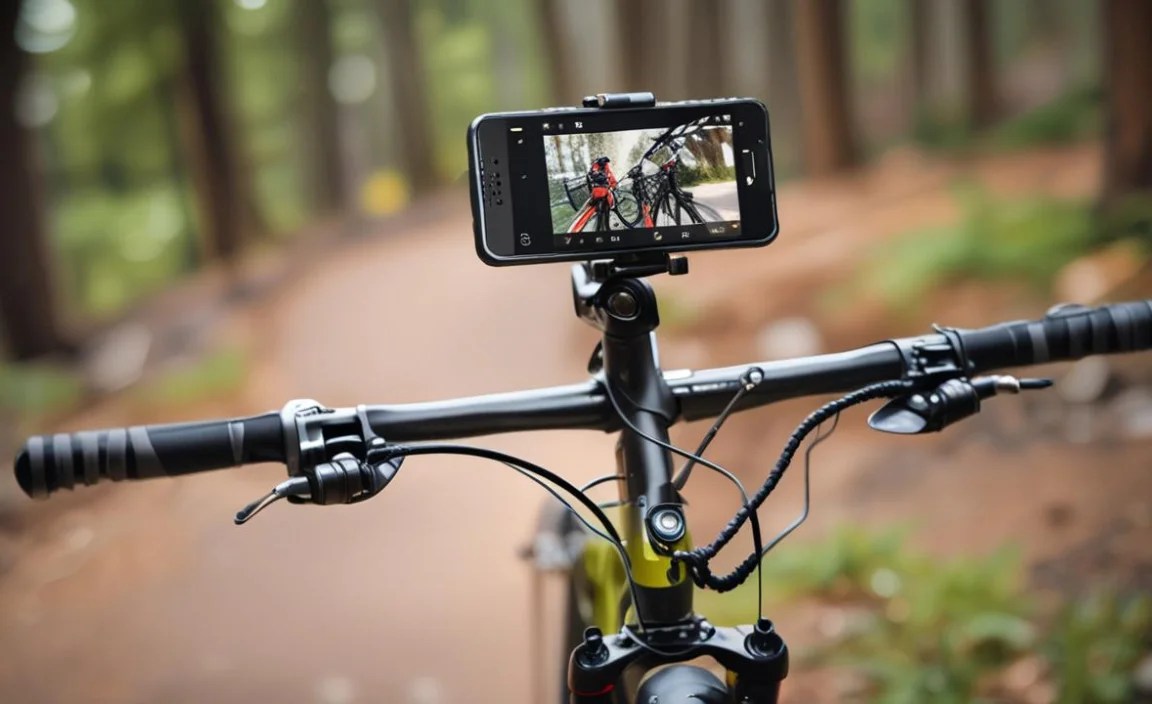
Now, let’s talk about how to install front camera mount for downhill bike. This is the most important step. Follow the instructions that came with your mount. These instructions are specific to your mount. They will tell you exactly what to do. If you don’t have the instructions, look them up online. Most manufacturers have them on their website. Start by attaching the mount to your handlebars. Use the screws or bolts that came with the mount. Tighten them slowly and evenly. Don’t over-tighten them. This can damage the mount or your bike. Make sure the mount is secure. It shouldn’t wobble or move. Attach your camera to the mount. Make sure it’s securely fastened. Test the camera. Turn it on and record a short video. Check the video to make sure the angle is correct. Adjust the mount as needed. Repeat this process until you’re happy with the results. Installing the mount is a simple process. But it requires patience and attention to detail.
- Follow the instructions that came with your mount.
- Attach the mount to your handlebars.
- Tighten the screws or bolts slowly and evenly.
- Make sure the mount is secure.
- Attach your camera to the mount.
Consider using threadlocker. This is a special glue. It keeps the screws from coming loose. Apply a small amount of threadlocker to the screws before you tighten them. Make sure you use the right kind of threadlocker. Some threadlockers are too strong. They can make it difficult to remove the screws later. Blue threadlocker is a good choice. It’s strong enough to hold the screws in place. But it’s also easy to remove. Let the threadlocker dry completely before you ride your bike. This usually takes about 24 hours. Check the mount regularly. Make sure the screws are still tight. If they’re loose, tighten them again. Using threadlocker is a simple way to ensure a secure mount. It will give you peace of mind while you’re riding.
Fun Fact or Stat: Over 80% of cycling accidents are caused by mechanical failure, often due to loose parts!
How tight should I tighten the screws?
Tightening the screws is important. But over-tightening can be harmful. It can damage the mount or your bike. Use a torque wrench to tighten the screws to the correct torque. The torque is measured in Newton-meters (Nm). The correct torque specification should be listed in the mount’s instructions. If you don’t have a torque wrench, tighten the screws until they are snug. Then tighten them a little bit more. But don’t force them. Check the mount regularly. Make sure the screws are still tight. If they’re loose, tighten them again. But don’t over-tighten them. It’s better to under-tighten than to over-tighten. Over-tightening can strip the screws. This means you won’t be able to tighten them properly. Stripped screws can be dangerous. They can cause the mount to come loose while you’re riding.
What to do if the mount is wobbly?
A wobbly mount is a problem. It can cause blurry videos. It can also be dangerous. If your mount is wobbly, check the screws. Make sure they are all tight. If the screws are tight, check the mount for damage. Look for cracks or bends. If the mount is damaged, replace it. If the mount is not damaged, try using a rubber shim. This can help the mount grip better. Make sure the shim is the right size. It should fit snugly between the mount and your handlebars. If the mount is still wobbly, try a different position. Sometimes a different position can provide a more stable base. If you’ve tried everything and the mount is still wobbly, take it to a bike shop. A professional can help you diagnose the problem. They can also recommend a different mount.
How to adjust the camera angle?
Adjusting the camera angle is easy. Most mounts have adjustable arms or joints. Loosen the screws or bolts that hold the arms or joints in place. Then move the camera to the desired angle. Tighten the screws or bolts to secure the camera in place. Test the camera angle. Turn it on and record a short video. Check the video to make sure the angle is correct. Adjust the camera angle as needed. Repeat this process until you’re happy with the results. Some cameras have a built-in level. This can help you get the camera angle perfectly straight. If your camera doesn’t have a built-in level, you can use a separate level. Place the level on top of the camera. Adjust the camera angle until the bubble is centered. This will ensure that your videos are level.
Testing the Camera Mount’s Stability
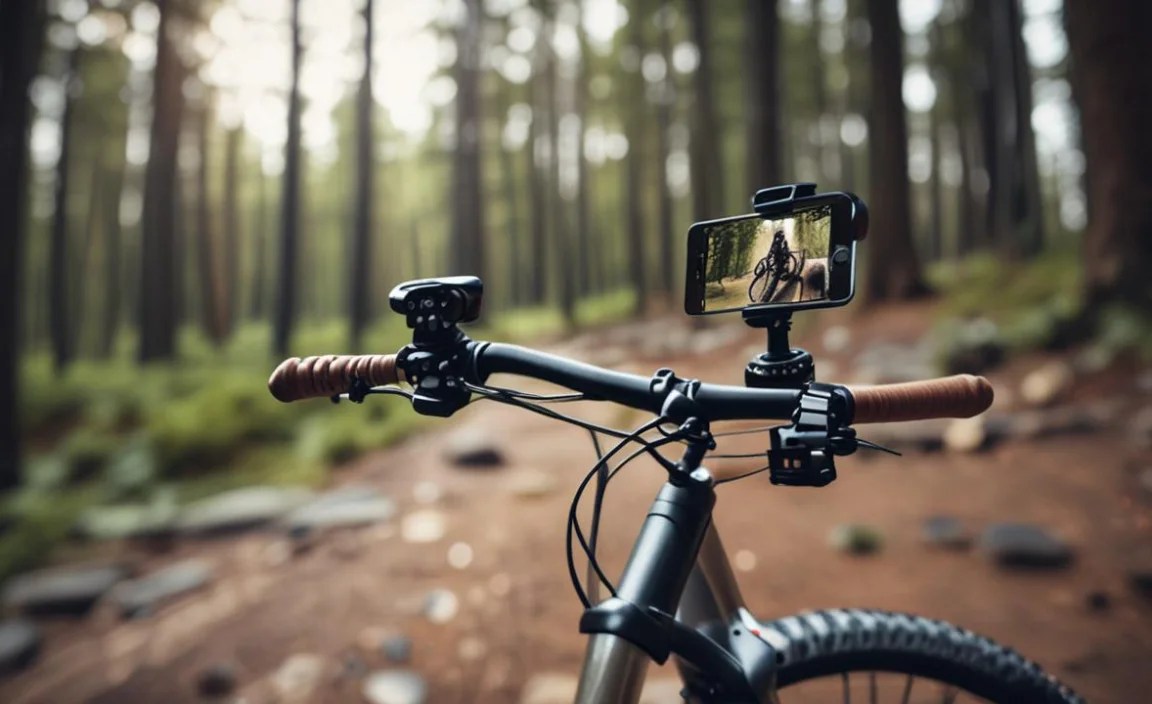
After installing the mount, test its stability. This is very important for safety. It makes sure your camera stays put. First, check that all screws are tight. Wiggle the mount gently. It shouldn’t move. If it does, tighten the screws more. Next, take your bike for a short ride. Choose a bumpy road or trail. This will test the mount in real conditions. Watch the camera closely. Does it shake a lot? Is the video clear? If the camera shakes too much, adjust the mount. Try a different position. Or add a rubber shim. After the test ride, check the mount again. Are the screws still tight? Is the mount still secure? If everything looks good, you’re ready to go. But remember to check the mount regularly. A stable mount means better videos and safer rides.
- Check that all screws are tight.
- Wiggle the mount to test for movement.
- Take your bike for a short, bumpy ride.
- Watch the camera for excessive shaking.
- Check the mount again after the test ride.
| Test | Procedure | Expected Result |
|---|---|---|
| Visual Inspection | Check for loose screws, cracks, or bends. | All screws tight, no visible damage. |
| Wiggle Test | Gently wiggle the mount. | No movement or wobble. |
| Bumpy Ride Test | Ride on a bumpy road or trail. | Minimal camera shake, clear video. |
| Post-Ride Inspection | Check screws and mount after the ride. | Screws still tight, mount still secure. |
Think about using a safety tether. This is a small strap or cable. It connects your camera to your bike. If the mount fails, the tether will keep your camera from falling off. You can buy safety tethers at most bike shops. Or you can make your own. Just use a strong piece of cord. Attach one end to your camera. Attach the other end to your bike’s frame or handlebars. Make sure the tether is long enough. It shouldn’t restrict the camera’s movement. But it shouldn’t be too long. It could get tangled in your wheels. A safety tether is a simple and inexpensive way to protect your camera. It’s worth the extra effort.
Fun Fact or Stat: Using a safety tether can reduce camera loss by up to 90% in case of mount failure!
What to do if the camera shakes too much?
If the camera shakes too much, there are a few things you can try. First, tighten the screws on the mount. Loose screws can cause the camera to shake. Make sure all the screws are tight. But don’t over-tighten them. This can damage the mount. Second, try a different position for the mount. Sometimes a different position can provide a more stable base. Third, add a rubber shim between the mount and your handlebars. This can help reduce vibrations. Fourth, check your camera’s settings. Some cameras have a stabilization feature. This can help reduce camera shake. Fifth, consider using a different mount. Some mounts are more stable than others. A frame mount is usually more stable than a handlebar mount. If you’ve tried everything and the camera still shakes too much, take it to a bike shop. A professional can help you find a solution.
How often should I check the mount’s stability?
You should check the mount’s stability regularly. Before each ride, give the mount a quick visual inspection. Check that all the screws are tight. Look for any signs of damage. After each ride, check the mount again. Make sure it’s still secure. If you ride on rough terrain, check the mount more often. The vibrations can loosen the screws. If you notice any problems, fix them immediately. Don’t wait until the mount fails completely. Regular maintenance will keep your mount in good condition. It will also prevent accidents. A stable mount is essential for safe and enjoyable rides. Take the time to check it regularly.
What are the signs of a failing mount?
There are several signs of a failing mount. Loose screws are a common sign. Check the screws regularly. If they’re loose, tighten them. Cracks or bends in the mount are another sign. If you see any cracks or bends, replace the mount. Excessive camera shake is also a sign. If the camera shakes too much, the mount may be failing. A wobbly mount is another sign. If the mount wobbles, it’s not secure. If you notice any of these signs, take action. Don’t ignore them. A failing mount can be dangerous. It can cause your camera to fall off. It can also cause an accident. Replace the mount immediately if you see any signs of failure.
Adjusting the Camera for the Best View
Getting the best view is key. It makes your videos look amazing. Start by loosening the mount. Most mounts let you adjust the camera angle. Move the camera up or down. Try different angles. See what looks best. Think about what you want to show. Do you want to see the trail ahead? Or more of your bike? Adjust the camera to capture that. Ride a short distance. Record a test video. Watch the video on your phone or computer. Is the angle right? Is the horizon straight? If not, adjust the camera again. Repeat this until you’re happy. A good view makes your videos more fun to watch. It shows off your skills and the scenery.
- Loosen the mount to adjust the camera angle.
- Move the camera up or down to try different views.
- Think about what you want to show in your videos.
- Record a test video and watch it on your phone.
- Adjust the camera until you’re happy with the view.
Consider the lighting. The sun can affect your video. If the sun is behind you, your video might be too bright. If the sun is in front of you, your video might be too dark. Adjust the camera angle to compensate for the lighting. You can also use a lens filter. This can help reduce glare and improve the colors in your video. Think about the composition of your video. What do you want to be in the foreground? What do you want to be in the background? Adjust the camera angle to create a pleasing composition. Don’t be afraid to experiment. Try different angles and positions. See what works best for you. The best view is the one that you like the most. It’s all about personal preference.
Fun Fact or Stat: Videos with good composition and lighting are 30% more likely to be watched to completion!
How to get a smooth and stable shot?
Getting a smooth and stable shot takes practice. Use a stable camera mount. A wobbly mount will cause shaky videos. Adjust the mount until it’s secure. Use your body as a stabilizer. Keep your arms and legs relaxed. This will help absorb some of the bumps and vibrations. Ride smoothly. Avoid sudden movements. This will help keep the camera steady. Use your camera’s stabilization feature. This can help reduce camera shake. Edit your videos after you record them. You can use video editing software to stabilize the footage. This can help smooth out any remaining shakiness. Practice makes perfect. The more you ride and record, the better you’ll get at getting smooth and stable shots.
How to frame your shots effectively?
Framing your shots effectively is an art. Think about what you want to show in your video. Do you want to show the trail ahead? Or more of your bike? Adjust the camera angle to frame the shot accordingly. Use the rule of thirds. This is a guideline for creating visually appealing compositions. Imagine dividing your screen into nine equal parts. Place the important elements of your shot along these lines or at the points where they intersect. This will create a more balanced and interesting composition. Use leading lines. These are lines that draw the viewer’s eye into the shot. Roads, trails, and fences can all be used as leading lines. Use depth of field. This is the distance between the closest and farthest objects that are in focus. A shallow depth of field can be used to isolate a subject. A deep depth of field can be used to show the entire scene in focus.
How does lighting affect your video quality?
Lighting plays a big role in video quality. Good lighting can make your videos look professional. Bad lighting can make them look amateurish. Shoot in natural light whenever possible. Natural light is soft and flattering. Avoid shooting in direct sunlight. This can create harsh shadows and overexposed highlights. If you have to shoot indoors, use artificial lighting. Use soft, diffused lighting. Avoid using harsh, direct lighting. Use a reflector to bounce light onto your subject. This can help fill in shadows and create a more even lighting. Adjust your camera’s settings to compensate for the lighting. Use the correct white balance setting. This will ensure that the colors in your video are accurate. Experiment with different lighting techniques. See what works best for you. Good lighting is essential for creating high-quality videos.
Summary
So, you want to know how to install front camera mount for downhill bike? It’s not as hard as it looks. First, pick the right mount. Measure your handlebars. Get the right tools. Clean your bike. Then, follow the instructions to install the mount. Make sure it’s tight and stable. Test it on a bumpy ride. Adjust the camera for the best view. With a little practice, you’ll be recording awesome videos in no time! Don’t forget safety first. Always double-check your setup before hitting the trails.
Conclusion
Installing a front camera mount on your downhill bike is a great way to capture your adventures. It lets you share your skills with the world. It also helps you relive your favorite rides. Remember to choose the right mount. Use the correct tools. Follow the instructions carefully. And always test the mount before you ride. Now you know how to install front camera mount for downhill bike. Get out there and start filming!
Frequently Asked Questions
Question No 1: What tools do I need to install a front camera mount?
Answer: You’ll typically need a screwdriver, either Phillips head or flathead, depending on the screws that come with your mount. An Allen wrench set is also very useful since many mounts use Allen bolts. A small wrench can help with tightening. A soft cloth is good for cleaning your handlebars before installing the mount. Having the right tools makes how to install front camera mount for downhill bike much easier and safer.
Question No 2: How do I choose the right size camera mount for my handlebars?
Answer: First, measure the diameter of your handlebars. Use a ruler or measuring tape to find the width in millimeters (mm). Measure the area where you plan to install the mount. Check the specifications of the camera mount to ensure it fits your handlebar size. A mount that is too big or too small won’t be secure. Choosing the correct size ensures a stable and safe setup for recording your rides. When considering how to install front camera mount for downhill bike, this step is crucial.
Question No 3: How do I prevent my camera mount from scratching my handlebars?
Answer: Use a rubber shim between the mount and your handlebars. This creates a protective layer and prevents direct contact. You can also wrap your handlebars with electrical tape or handlebar tape before installing the mount. Be careful not to over-tighten the mount. Over-tightening can cause scratches. Regularly check the mount for any signs of wear and tear. Taking these steps will help keep your handlebars in good condition.
Question No 4: What should I do if my camera shakes too much when riding?
Answer: First, make sure all the screws on the mount are tight. Loose screws can cause the camera to shake. Try a different position for the mount. Some positions are more stable than others. Use a rubber shim to reduce vibrations. Check your camera’s settings. Some cameras have image stabilization features. Consider using a different mount designed for better stability. These steps should help you achieve smoother footage while you learn how to install front camera mount for downhill bike.
Question No 5: How often should I check the stability of my camera mount?
Answer: You should check the stability of your camera mount before each ride. Give it a quick visual inspection. Make sure all the screws are tight. Look for any signs of damage or wear. After each ride, check the mount again to ensure it’s still secure. If you ride on rough terrain, check it more frequently. Regular checks help prevent accidents and ensure your camera stays in place. It’s a key part of learning how to install front camera mount for downhill bike safely.
Question No 6: Can I use any type of camera with a front camera mount for a downhill bike?
Answer: Most action cameras like GoPros and similar models are compatible with front camera mounts designed for downhill bikes. Make sure the mount you choose is compatible with your specific camera model. Check the mount’s specifications for weight limits and compatibility information. Some mounts come with adapters for different camera types. Ensure your camera is securely attached to avoid damage or loss during your rides. Knowing these compatibility details helps you understand how to install front camera mount for downhill bike effectively.


