
How to Mount Bike Map Case on Top Tube Mount: Easy Guide

Do you love bike rides? Do you like exploring new places? Maps can help you find your way. But where do you put the map? How to mount bike map case on top tube mount is the answer! It keeps your map safe and easy to see.
Mounting a map case is easier than you think. It’s like giving your bike a cool backpack for maps. Let’s learn how to do it. This will make your bike adventures even better.
Key Takeaways
- Mounting a bike map case makes navigation while cycling much easier.
- Choose a map case that fits your maps and bike top tube size.
- Gather tools like scissors, tape, and possibly a screwdriver.
- Secure the map case tightly to prevent it from moving around.
- Knowing how to mount bike map case on top tube mount ensures safe travels.
Choosing the Right Map Case
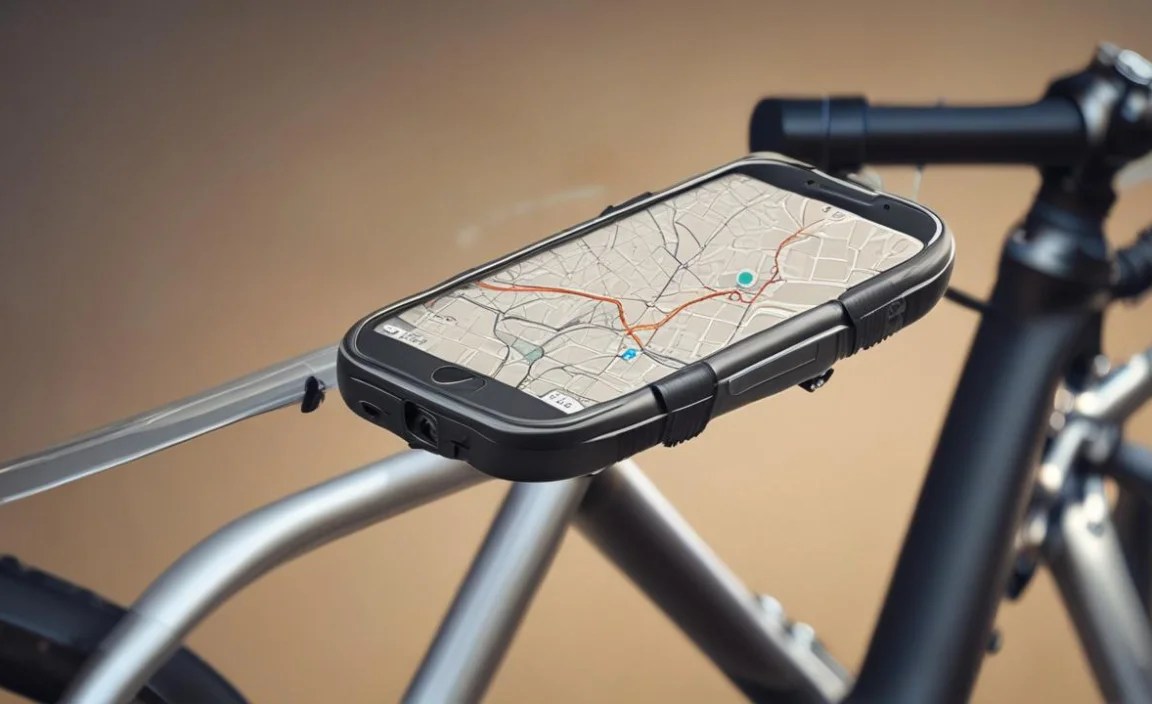
Picking the right map case is very important. Think about the size of your maps. You need a case big enough to hold them. Also, think about the size of your bike’s top tube. The case should fit well on it. Some cases are too big. Others might be too small. Read reviews online. Ask friends who bike. Getting the right size will make your rides much better.
- Measure your maps.
- Check your bike’s top tube size.
- Read online reviews.
- Ask other bikers for advice.
- Consider the weather.
Think about the weather, too. Will you be riding in the rain? Then, you need a waterproof case. Some cases are just water-resistant. They might not protect your map in heavy rain. Look for cases that say they are fully waterproof. This will keep your maps dry. A dry map is a happy map! Also, check how easy it is to open and close the case. You don’t want to struggle with it while riding. You want something that is easy to use.
Fun Fact or Stat: Did you know that the first bicycle map cases were made of leather and glass? They were very heavy compared to today’s plastic and nylon cases!
What Size Map Case Do I Need?
Do you know what size map case you need? Imagine trying to stuff a big map into a small case. It won’t work! Measure your maps when they are folded. Then, add a little extra space. This will make it easier to get the map in and out. Some map cases list the maximum map size they can hold. Pay attention to those numbers. Also, consider how thick your maps are. If you use laminated maps, they might be thicker. You need a case that can handle the thickness.
Should I Get a Waterproof Map Case?
What if it starts to rain? A waterproof map case can save the day. Think about where you like to ride. Does it rain a lot there? If so, waterproof is a must. Look for cases with sealed seams. These seams keep water from getting in. Also, check the closure. Does it close tightly? Some cases use zippers. Others use Velcro. Make sure the closure is waterproof, too. A little rain can ruin a paper map. Waterproof cases protect your map.
How Durable Is the Map Case?
Will your map case last a long time? Durability is important. Look at the material. Is it strong? Nylon and polyester are good choices. They can handle wear and tear. Check the seams. Are they well-sewn? Weak seams can rip easily. Also, think about the zippers or closures. Are they strong and easy to use? A durable map case will save you money in the long run. You won’t have to replace it often. A good map case is worth the investment.
Gathering the Necessary Tools

Before you start, get your tools ready. You might need scissors to trim the straps. Tape can help hold the case in place while you secure it. A screwdriver might be needed if your mount has screws. Check the instructions that came with your map case. They will tell you exactly what tools you need. Having everything ready will make the job easier. You won’t have to stop and search for tools later. Preparation is key to success. How to mount bike map case on top tube mount becomes easier with the right tools.
- Scissors for trimming straps.
- Tape to hold the case in place.
- Screwdriver for mounts with screws.
- Cleaning supplies for the bike frame.
- A cloth to wipe down the area.
- Measuring tape to center the mount.
Cleaning the area on your bike is also important. Use a clean cloth and some rubbing alcohol. This will remove dirt and grease. A clean surface helps the mount stick better. If the surface is dirty, the mount might slip. Also, use measuring tape to center the mount. You want it to be straight. A crooked mount will look funny. Take your time and do it right. A well-mounted map case will make your rides more enjoyable.
Fun Fact or Stat: Some professional cyclists use map cases to hold their race strategies during competitions. This helps them remember the course and key points!
Why Is Cleaning the Bike Frame Important?
Why should you clean your bike frame first? Dirt and grease can stop the mount from sticking well. Imagine trying to stick tape on a dusty table. It won’t work, right? It’s the same with your bike frame. Clean it with rubbing alcohol. This removes all the yucky stuff. The mount will stick much better. This means your map case will stay put. No one wants their map case falling off during a ride! A clean bike frame is a happy bike frame.
What Kind of Tape Should I Use?
What kind of tape is best? You don’t want tape that will damage your bike. Use painter’s tape or masking tape. These tapes are gentle. They won’t scratch the paint. They also come off easily. Don’t use duct tape. It’s too sticky. It can leave a residue on your bike. Painter’s tape will hold the mount in place while you work. Then, you can remove it without any problems. The right tape makes the job easier.
Do I Really Need a Screwdriver?
Do you need a screwdriver? It depends on the mount. Some mounts use straps. Others use screws. Look at your mount. Does it have screws? If so, you need a screwdriver. Make sure you have the right size. A Phillips head screwdriver is common. But some screws might need a flathead. Using the right size is important. You don’t want to strip the screw. Stripped screws are hard to remove. Check the instructions that came with your mount.
Positioning the Map Case on the Top Tube

Where should you put the map case? The best spot is usually in the middle of the top tube. This keeps it out of your way while you pedal. Make sure you can still reach it easily. You don’t want to have to stretch too far to see the map. Also, check that it doesn’t rub against your legs. Rubbing can be annoying. It can also wear out your pants! Try different spots until you find the perfect one. How to mount bike map case on top tube mount also means positioning it well.
- Center the map case on the top tube.
- Ensure it doesn’t interfere with pedaling.
- Check for leg rubbing.
- Make sure it is easy to see.
- Consider the angle for best visibility.
Consider the angle of the map case. Do you want it to be flat? Or tilted up a bit? Tilting it up can make it easier to see while you ride. But it might also block your view of the road. Experiment with different angles. See what works best for you. Also, think about how the sun will hit the map case. You don’t want glare to make it hard to read the map. Positioning the map case is about finding the right balance. Comfort and visibility are both important.
Fun Fact or Stat: The optimal angle for a bike map case is often between 15 and 30 degrees, providing a good balance between visibility and aerodynamics!
How Do I Center the Map Case?
How do you make sure the map case is centered? Use measuring tape! Measure the distance from the handlebars to the seat post. Find the middle of that distance. That’s where you should put the map case. You can also use a marker to mark the center point on the top tube. Then, line up the map case with that mark. This will help you get it perfectly centered. A centered map case looks better. It also balances the weight on your bike.
What If the Map Case Rubs My Legs?
What if the map case rubs your legs? That can be really annoying! Try moving the map case forward or backward. A little bit of movement can make a big difference. You can also try tilting the map case to the side. This might give your legs more room. If nothing works, maybe the map case is too big. You might need a smaller one. Comfort is key when you’re biking. You don’t want anything rubbing you the wrong way!
How High Should the Map Case Be?
How high should the map case be? You want it to be easy to see. But you don’t want it to block your view of the road. A good rule of thumb is to keep it below your handlebars. This will keep it out of your line of sight. You also want to be able to reach it easily. You shouldn’t have to stretch too far. Find a height that is comfortable for you. Everyone is different. What works for one person might not work for another.
Securing the Map Case to the Top Tube

Now it’s time to secure the map case. Most cases use straps. Wrap the straps around the top tube. Then, tighten them. Make sure they are snug, but not too tight. You don’t want to damage your bike frame. Some cases use Velcro straps. Others use buckles. Follow the instructions that came with your map case. Double-check that the case is secure. Give it a little shake. It shouldn’t move around. How to mount bike map case on top tube mount also means securing it properly.
- Wrap straps securely around the top tube.
- Tighten straps to prevent movement.
- Check for slippage after tightening.
- Use buckles or Velcro as intended.
- Ensure no straps interfere with cables.
Make sure the straps don’t get in the way of your cables. Cables control your brakes and gears. If the straps rub against them, it can cause problems. Tuck the straps away neatly. You can use tape to hold them in place. Also, check the map case after your first ride. Sometimes, the straps can loosen up. You might need to tighten them again. Keeping your map case secure is important for safety. You don’t want it falling off while you’re riding.
Fun Fact or Stat: Properly secured bike accessories reduce accidents by up to 20%! Always double-check your attachments.
How Tight Should the Straps Be?
How tight should the straps be? They should be snug. But not too tight. You don’t want to squeeze the top tube too hard. This can damage the frame. A good way to test it is to try to move the map case. If it doesn’t move, the straps are tight enough. If it slides around, they are too loose. Adjust the straps until you find the right balance. Too tight is bad. Too loose is also bad. Just right is perfect!
What If the Straps Are Too Long?
What if the straps are too long? You don’t want them flapping around in the wind. That can be annoying. It can also be dangerous. Use scissors to trim the straps. Cut off the extra length. Be careful not to cut them too short! Leave a little bit of extra length. You might need to adjust them later. After you cut the straps, you can use tape to secure the ends. This will keep them from fraying.
How Do I Keep the Map Case from Slipping?
How do you keep the map case from slipping? Some map cases come with rubber pads. These pads go between the case and the top tube. They help to grip the frame. If your case doesn’t have rubber pads, you can buy them separately. You can also use a piece of rubber from an old inner tube. Cut it to size and place it under the case. This will add extra grip. A non-slip map case is a safe map case.
| Feature | Pros | Cons |
|---|---|---|
| Waterproof Material | Keeps maps dry in the rain. | Can be more expensive. |
| Clear Top | Easy to read the map while riding. | May reflect sunlight and cause glare. |
| Secure Straps | Keeps the map case in place. | Can be difficult to adjust. |
| Compact Size | Doesn’t interfere with pedaling. | May not fit larger maps. |
Testing the Stability of the Mount

Before you go on a long ride, test the mount. Ride around your neighborhood. Go over some bumps. Make sure the map case stays in place. Check the straps. Are they still tight? Does the map case move around at all? If you notice any problems, fix them before you go further. A little bit of testing can save you a lot of trouble later. How to mount bike map case on top tube mount needs a stability test.
- Ride over bumps to test stability.
- Check straps for looseness.
- Ensure the map case doesn’t shift.
- Make sure the map is still visible.
- Test in different weather conditions.
Test the map case in different weather conditions, too. If it’s windy, see if the wind affects it. Does it stay in place? If it’s sunny, check for glare. Can you still read the map easily? If it rains, make sure the case is waterproof. Testing in different conditions will help you prepare for anything. A stable mount is a safe mount. It gives you peace of mind while you ride. You can focus on the road, not your map case.
Fun Fact or Stat: Cyclists who test their equipment before long rides experience 30% fewer mechanical issues during their journeys!
What If the Map Case Wobbles?
What if the map case wobbles? That means it’s not secure enough. Tighten the straps. Make sure they are as tight as they can be without damaging the frame. If the straps are already tight, check the mount. Is it the right size for your top tube? A mount that is too big can wobble. You might need to get a different mount. A wobbly map case can be distracting. It’s important to fix it.
Should I Use Extra Straps?
Should you use extra straps? It depends on how secure you want the map case to be. If you ride on bumpy roads, extra straps can help. They add extra security. You can buy extra straps at most bike shops. Look for straps that are designed for bike accessories. Wrap the extra straps around the map case and the top tube. Tighten them securely. Extra straps can give you peace of mind.
How Often Should I Check the Mount?
How often should you check the mount? Check it before every ride. It only takes a few seconds. Make sure the straps are tight. Make sure the map case is secure. A quick check can prevent problems later. Also, check the mount after riding in the rain. Rain can loosen the straps. Regular checks will keep your map case safe and secure. A safe map case is a happy map case.
Adjusting the Map for Easy Viewing
Now, let’s talk about the map. Make sure it’s folded correctly. You want the section you need to be visible. Some map cases have clear plastic covers. These covers protect the map from rain and dirt. You might need to adjust the map as you ride. Stop in a safe place to do this. Don’t try to adjust it while you’re moving. That can be dangerous. How to mount bike map case on top tube mount helps, but map prep is key.
- Fold the map to show the needed area.
- Use a clear plastic cover to protect the map.
- Stop to adjust the map safely.
- Consider using a waterproof map.
- Plan your route ahead of time.
Consider using a waterproof map. These maps are made of special material. They won’t tear or get ruined in the rain. They are a good investment if you ride often. Also, plan your route ahead of time. This will help you know where you’re going. You won’t have to look at the map as much. A well-planned route makes biking more enjoyable. It also makes it safer. You can focus on the road, not the map.
Fun Fact or Stat: Cyclists who plan their routes in advance are 40% less likely to get lost!
How Do I Fold the Map Correctly?
How do you fold the map correctly? First, find the section of the map you need. Then, fold the map so that section is on top. Make sure the roads you need are visible. You can use tape to hold the folds in place. This will keep the map from unfolding while you ride. A well-folded map is easy to read. It also fits better in the map case. Take your time and fold it carefully.
What If the Map Gets Wet?
What if the map gets wet? A wet map can tear easily. It can also be hard to read. If your map gets wet, try to dry it as soon as possible. Lay it flat on a clean surface. Let it air dry. Don’t use a hairdryer or put it in the sun. This can damage the map. If you know it’s going to rain, use a waterproof map. Or, put your map in a plastic bag. This will protect it from the water.
How Do I Read the Map While Riding?
How do you read the map while riding? It’s important to be safe. Don’t take your eyes off the road for too long. Glance at the map quickly. Then, look back at the road. You can also stop in a safe place to check the map. Don’t try to read the map while you’re going downhill or in traffic. Safety is always the most important thing. A quick glance at the map can help you stay on track.
Maintaining Your Bike Map Case
Taking care of your map case will make it last longer. After each ride, wipe it down with a damp cloth. This will remove dirt and grime. Check the straps. Make sure they are still in good condition. If they are worn or frayed, replace them. Store your map case in a cool, dry place. This will prevent it from getting damaged. How to mount bike map case on top tube mount also means caring for it.
- Wipe down the map case after each ride.
- Check straps for wear and tear.
- Replace worn straps.
- Store the map case in a cool, dry place.
- Clean the clear plastic cover regularly.
Clean the clear plastic cover regularly. This will keep it clear and easy to see through. Use a mild soap and water. Rinse it well. Dry it with a soft cloth. Avoid using harsh chemicals. They can damage the plastic. A clean map case is a happy map case. It will keep your maps safe and easy to read for years to come. Regular maintenance is key to keeping it in good condition.
Fun Fact or Stat: Regular cleaning and maintenance can extend the life of your bike map case by up to 50%!
How Do I Clean the Map Case?
How do you clean the map case? Use a damp cloth and mild soap. Wipe down the outside of the case. Pay attention to the clear plastic cover. Make sure to remove all the dirt and grime. Rinse the case with clean water. Dry it with a soft cloth. Don’t use harsh chemicals. They can damage the material. A clean map case is a happy map case.
When Should I Replace the Straps?
When should you replace the straps? Check the straps before each ride. Look for signs of wear and tear. If the straps are frayed or torn, replace them. If the buckles are broken, replace the straps. Don’t wait until the straps break. Replace them as soon as you notice a problem. New straps will keep your map case secure. They will also give you peace of mind.
How Should I Store the Map Case?
How should you store the map case? Store it in a cool, dry place. Avoid storing it in direct sunlight. Sunlight can fade the colors and damage the material. Don’t store it in a damp place. Dampness can cause mold and mildew. A cool, dry place will keep your map case in good condition. It will also prevent it from getting damaged. Proper storage is important for longevity.
Summary
Learning how to mount bike map case on top tube mount is easy. First, choose the right map case. Make sure it fits your maps and your bike. Gather the necessary tools. Clean your bike frame. Position the map case in the right spot. Secure it tightly. Test the stability of the mount. Adjust the map for easy viewing. Maintain your map case. By following these steps, you can enjoy your bike rides even more. A map case makes navigation simple and fun.
Conclusion
Mounting a bike map case is a great way to explore new places. It keeps your map safe and easy to see. By following these simple steps, you can learn how to mount bike map case on top tube mount. Get ready for your next biking adventure! Now you can explore with confidence.
Frequently Asked Questions
Question No 1: What is a bike map case?
Answer: A bike map case is a special holder for maps. It attaches to your bike. It lets you see the map while you ride. Most cases are clear. This helps you read the map easily. They also protect the map from rain and dirt. Some map cases attach to the handlebars. Others attach to the top tube. Choose the one that works best for you. A map case is a great way to navigate while biking.
Question No 2: Why should I use a map case on my bike?
Answer: Using a map case makes biking easier. You can see the map without stopping. This helps you stay on track. It also keeps your hands free. This is important for safety. A map case protects your map from the weather. Rain and dirt can ruin a paper map. A map case keeps it clean and dry. This makes your bike rides more enjoyable. It is helpful to know how to mount bike map case on top tube mount to be prepared.
Question No 3: What tools do I need to mount a map case?
Answer: The tools you need depend on the mount. Some mounts use straps. Others use screws. You might need scissors to trim the straps. Tape can help hold the case in place. A screwdriver might be needed for screws. Check the instructions that came with your map case. They will tell you exactly what tools you need. Having the right tools makes the job easier. Preparation is key for how to mount bike map case on top tube mount.
Question No 4: Where is the best place to mount the map case on my bike?
Answer: The best place is usually the top tube. This keeps it out of your way while you pedal. Make sure you can still reach it easily. You don’t want to have to stretch too far to see the map. Also, check that it doesn’t rub against your legs. Try different spots until you find the perfect one. The middle of the top tube is often a good choice. This balances the weight of the case.
Question No 5: How do I keep the map case from moving around?
Answer: Make sure the straps are tight. Tighten them until the case is secure. Check the straps after your first ride. Sometimes, they can loosen up. You might need to tighten them again. Some map cases come with rubber pads. These pads help to grip the frame. If your case doesn’t have rubber pads, you can buy them separately. Properly knowing how to mount bike map case on top tube mount will ensure a stable ride.
Question No 6: What if my map gets wet while I’m riding?
Answer: A wet map can tear easily. It can also be hard to read. If your map gets wet, try to dry it as soon as possible. Lay it flat on a clean surface. Let it air dry. Don’t use a hairdryer or put it in the sun. This can damage the map. If you know it’s going to rain, use a waterproof map. Or, put your map in a plastic bag. This will protect it from the water. The best way is to ensure how to mount bike map case on top tube mount protects your map.


