
How to Mount GoPro on Bike While Riding Downhill: Easy!

Do you love riding your bike downhill? Do you want to show your friends how cool you are? Mounting a GoPro to your bike is a fun way to do this. It lets you record all your awesome tricks. But how to mount GoPro on bike while riding downhill safely? This is a very important question.
Think about all the amazing videos you could make. You could share them online. Everyone would see your skills. Let’s learn how to keep your GoPro safe and get great footage.
Key Takeaways
- Knowing how to mount GoPro on bike while riding downhill ensures clear videos.
- Always check your GoPro mount before each downhill ride for safety.
- Choose a GoPro mount that fits your bike and riding style well.
- Experiment with different angles for cool and exciting perspectives.
- Protect your GoPro with a case to avoid damage from crashes.
Choosing The Right GoPro Mount For Downhill

Picking the right mount is super important. It keeps your GoPro safe. It also helps you get the best video. Think about where you want to put your camera. Do you want to see the trail ahead? A handlebar mount might be good. Do you want to see yourself riding? A chest mount could work better. Different mounts give you different views. Make sure the mount is strong. You do not want it to break when you are riding. Read reviews before you buy a mount. See what other riders say about it. A good mount will make a big difference in your videos. It will also keep your GoPro safe. This will let you focus on having fun riding downhill.
- Handlebar mounts are good for seeing the trail.
- Chest mounts show you riding the bike.
- Helmet mounts give a view like your eyes.
- Make sure the mount is strong and secure.
- Read reviews to find a good mount.
Think about how rough the trail is. A bumpy trail needs a stronger mount. Also, think about the weather. Will it be wet or muddy? Some mounts are better for wet conditions. Test the mount before you go on a big ride. Make sure it stays tight. You do not want your GoPro to fall off. Getting the right mount can be tricky. But it is worth it for great videos. You can also ask friends what mounts they use. They might have some good ideas. Remember, safety first. A good mount helps keep you safe and lets you capture awesome footage.
Fun Fact or Stat: GoPro’s official website offers over 20 different mounts specifically designed for bikes and action sports!
What Are The Different Types of Mounts?
There are many types of GoPro mounts. Handlebar mounts attach to your bike’s handlebars. They give you a view of the trail ahead. Chest mounts strap to your chest. They show you riding the bike. Helmet mounts stick to your helmet. They give a view like your eyes. Each type of mount gives a different look. Some mounts use straps. Others use screws or adhesive. Think about which mount will work best for you. Consider the type of riding you do. Also, think about where you want to see the camera. Experiment with different mounts. See which one you like best. A good mount makes a big difference in your videos. It also keeps your GoPro safe.
How to Choose a Durable GoPro Mount?
A durable GoPro mount is very important. It needs to be strong enough to handle bumps and crashes. Look for mounts made of metal or strong plastic. Read reviews to see what other riders say. Some mounts have extra features. They might have vibration dampeners. These help keep your video smooth. Make sure the mount is easy to adjust. You want to be able to change the angle of the camera. Check the screws and bolts. Make sure they are tight. A good mount will last a long time. It will also keep your GoPro safe. This lets you focus on riding and having fun. Do not buy a cheap mount. It might break easily.
How to Ensure a Secure Fit?
Making sure your GoPro mount is secure is key. A loose mount can cause problems. Your camera could fall off. The video might be shaky. Always tighten the screws and bolts. Use a wrench if needed. Check the mount before each ride. Make sure it is still tight. Some mounts use straps. Make sure the straps are snug. If the mount has adhesive, make sure it is sticking well. Clean the surface before you attach the mount. Dirt and grime can make the adhesive less effective. A secure mount gives you peace of mind. You know your GoPro is safe. This lets you enjoy your ride without worrying.
Best Spots to Mount Your GoPro on Your Bike

Where you put your GoPro changes how the video looks. Mounting it on the handlebars shows the trail. This is good for seeing what is coming. A chest mount shows you and the bike. This is cool for seeing your moves. A helmet mount gives a view like your eyes. It feels like you are watching yourself ride. Think about what you want to show in your video. This will help you pick the best spot. You can even try different spots on different rides. Then you can see which one you like best. Make sure the mount does not get in your way. You want to be able to ride safely. The right spot can make your videos look amazing. It can also make them more fun to watch.
- Handlebars show the trail ahead.
- Chest shows you and the bike.
- Helmet gives a first-person view.
- Try different spots to see what you like.
- Make sure the mount does not get in your way.
Consider the type of riding you are doing. If you are doing tricks, a chest mount might be cool. If you are exploring new trails, a handlebar mount could be better. Think about the light. Some spots might be too bright or too dark. Adjust your camera settings for the best picture. Also, think about the sound. The wind can make it hard to hear. Some GoPro cases help reduce wind noise. Experiment with different angles. You might find a new way to make your videos look awesome. Remember, the best spot is the one that works for you. Have fun trying different things!
Fun Fact or Stat: Professional mountain bikers often use multiple GoPro cameras mounted in different locations to capture various angles of their runs!
How Does Location Affect Video Quality?
The location of your GoPro has a big effect on video quality. A handlebar mount can show the bumps in the trail. This can make the video shaky. A chest mount is more stable. It moves with your body. A helmet mount can be affected by the sun. It can also be blocked by trees. Think about the light in each spot. Some spots might be too bright. Others might be too dark. Adjust your camera settings to match the light. Also, think about the sound. The wind can be loud on the handlebars. A chest mount might block some of the wind. Choose the location that gives you the best picture and sound.
What Are the Pros and Cons of Each Location?
Each location has good and bad things about it. Handlebar mounts are good for seeing the trail. But they can be shaky. Chest mounts are stable. But they might not show as much of the trail. Helmet mounts give a first-person view. But they can be affected by the sun. Think about what is important to you. Do you want a stable video? Do you want to see the trail? Do you want a first-person view? Choose the location that matches your needs. You can also try different locations to see what you like best. Experiment and have fun!
How to Find the Most Stable Mounting Point?
Finding a stable mounting point is important. A stable mount makes your videos look smoother. Look for spots that do not move too much. The chest is a good option. It moves with your body. The handlebars can be shaky. Try to find a spot on the handlebars that is close to the frame. This can help reduce vibration. Use a mount with vibration dampeners. These can help keep your video smooth. Test the mount before you go on a big ride. Make sure it stays tight. A stable mount will make your videos look much better.
Setting Up Your GoPro For Downhill Riding

Before you hit the trail, set up your GoPro. Choose the right settings. This will help you get the best video. Think about the resolution. Higher resolution makes the video look sharper. But it also takes up more space on your memory card. Think about the frame rate. Higher frame rates make the video smoother. This is good for fast action. Also, think about the field of view. Wider field of view lets you see more of the trail. But it can also make the video look distorted. Experiment with different settings. See what works best for you. Make sure your battery is charged. You do not want your GoPro to die in the middle of your ride.
- Choose the right resolution for your needs.
- Use a high frame rate for smooth video.
- Adjust the field of view to see more or less.
- Make sure your battery is fully charged.
- Clean the lens for clear video.
Clean the lens before you start riding. Dirt and smudges can make the video look blurry. Use a soft cloth to clean the lens. Also, think about the sound. The wind can be loud. Use a GoPro case that helps reduce wind noise. Test your settings before you go on a big ride. Record a short video. Then watch it to see how it looks. Adjust the settings if needed. It is better to test things before you are on the trail. This will help you get the best video possible. Remember, practice makes perfect. The more you use your GoPro, the better you will get at setting it up.
Fun Fact or Stat: GoPro cameras can record in up to 5.3K resolution, offering incredibly detailed footage for your downhill adventures!
What Resolution and Frame Rate Should I Use?
Choosing the right resolution and frame rate is important. Resolution is how sharp the video looks. Higher resolution means more detail. But it also takes up more space. 1080p is a good choice for most videos. It looks good and does not take up too much space. Frame rate is how many pictures are taken per second. Higher frame rates make the video smoother. 60fps is good for fast action. It makes the video look smooth and clear. You can also use 120fps for slow motion. Experiment with different settings. See what works best for you. Think about where you will be sharing the video. Some websites have limits on resolution and frame rate.
How to Adjust the Field of View?
The field of view is how much you can see in the video. Wider field of view lets you see more. But it can also make the video look distorted. Narrower field of view lets you see less. But it makes the video look more natural. GoPro cameras have different field of view options. You can choose wide, medium, or narrow. Experiment with different settings. See what you like best. Think about the type of riding you are doing. If you are riding on a narrow trail, a wider field of view might be good. If you are riding on a wide open trail, a narrower field of view might be better.
How to Stabilize Your GoPro Footage?
Stable footage looks much better. Shaky video can be hard to watch. GoPro cameras have built-in stabilization. This helps reduce shaking. Turn on the stabilization feature. This will make your video smoother. You can also use a gimbal. A gimbal is a device that holds the camera steady. It can make a big difference in video quality. Use a stable mount. A shaky mount will make the video look worse. Ride smoothly. Try to avoid sudden movements. Smooth riding will help keep the camera steady. Edit your video after you record it. You can use software to further stabilize the footage.
Safety Tips for Mounting GoPro While Downhill
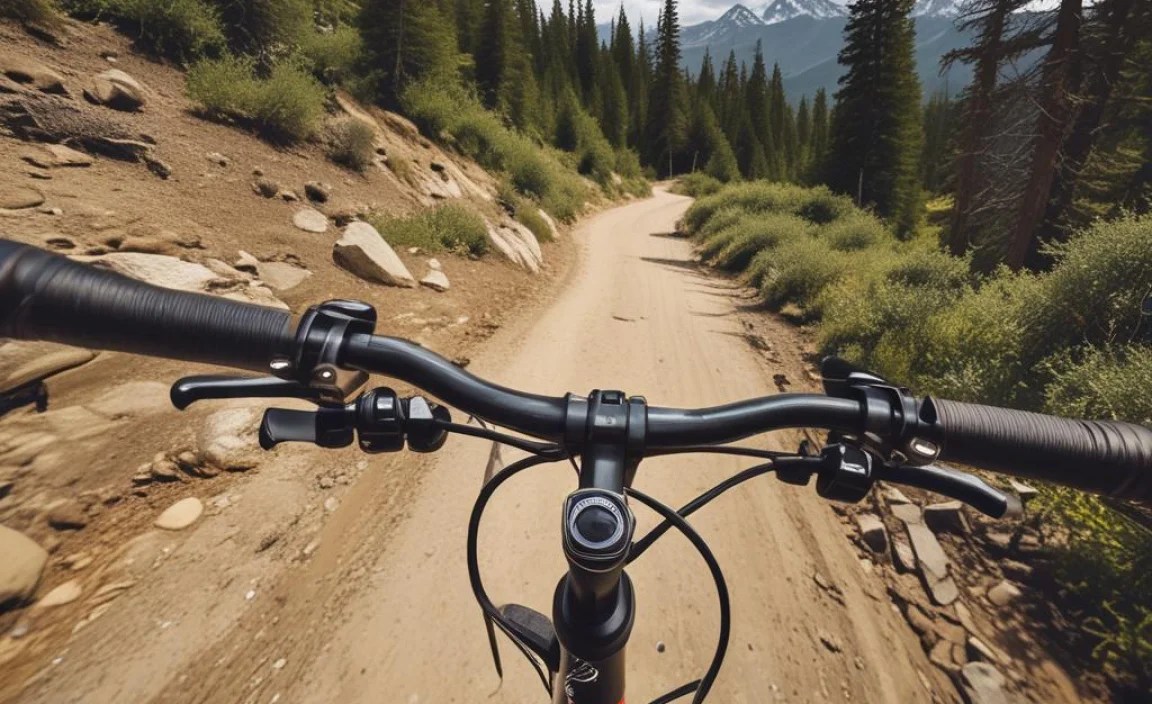
Safety is the most important thing. Make sure your GoPro is mounted safely. You do not want it to fall off. You also do not want it to get in your way. Check the mount before each ride. Make sure it is tight. Use a safety strap. This will keep the camera from falling if the mount breaks. Wear a helmet. This will protect your head if you crash. Be aware of your surroundings. Watch out for trees and other obstacles. Do not take unnecessary risks. It is better to be safe than sorry. Knowing how to mount GoPro on bike while riding downhill safely ensures you have fun and stay safe.
- Check the mount before each ride.
- Use a safety strap for extra security.
- Always wear a helmet for protection.
- Be aware of your surroundings.
- Do not take unnecessary risks.
Tell someone where you are going. This way, they will know if you do not come back. Bring a first aid kit. This can help you if you get hurt. Carry a phone. This way, you can call for help if you need it. Ride with a friend. It is always safer to ride with someone else. They can help you if you get into trouble. Be prepared for anything. The more prepared you are, the safer you will be. Remember, safety first. Have fun, but be careful. Downhill riding can be dangerous. But if you take the right precautions, you can stay safe.
Fun Fact or Stat: Studies show that wearing a helmet can reduce the risk of head injury by up to 85% during a bike crash!
How to Prevent GoPro From Falling Off?
Preventing your GoPro from falling off is important. A lost GoPro is no fun. Check the mount before each ride. Make sure it is tight. Use a safety strap. This will keep the camera from falling if the mount breaks. Use a strong mount. A cheap mount might break easily. Clean the surface before you attach the mount. Dirt and grime can make the adhesive less effective. Tighten the screws and bolts. Use a wrench if needed. Test the mount before you go on a big ride. Make sure it stays tight. A secure mount gives you peace of mind. You know your GoPro is safe.
How to Avoid Obstructions While Riding?
Avoiding obstructions is important for safety. Make sure your GoPro does not get in your way. Choose a mount that keeps the camera out of your line of sight. Be aware of trees and other obstacles. Watch out for low-hanging branches. Do not mount the GoPro too high. This can make it more likely to hit something. Ride smoothly. Avoid sudden movements. This can help you avoid obstacles. Pay attention to the trail. Look ahead for potential hazards. Be prepared to react quickly. Safety first!
What to Do in Case of a Crash?
Crashing is never fun. But it can happen. Be prepared for it. Wear a helmet. This will protect your head. Use a GoPro case. This will protect your camera. Check yourself for injuries. If you are hurt, seek medical attention. Check your bike for damage. Make sure it is safe to ride. Check your GoPro. Make sure it is still working. If it is damaged, try to fix it. Learn from your mistakes. Think about what caused the crash. Try to avoid making the same mistake again. Safety first!
Reviewing Your GoPro Footage After Riding

After your ride, review your GoPro footage. This is a great way to see how you did. You can also learn from your mistakes. Watch the video on a big screen. This will help you see the details. Look for shaky footage. See if you can stabilize it. Listen to the sound. Check for wind noise. See if you can reduce it. Edit the video. Cut out the boring parts. Add music and effects. Share the video with your friends. Get their feedback. The more you review your footage, the better you will get at making videos. It’s also a great way to see how to mount GoPro on bike while riding downhill could be improved.
- Watch the video on a big screen.
- Look for shaky footage and fix it.
- Listen to the sound and reduce noise.
- Edit the video to make it more exciting.
- Share the video with your friends.
Think about what you want to show in the video. Do you want to show your skills? Do you want to show the scenery? Do you want to tell a story? Choose the best clips for your video. Add music that matches the mood. Use transitions to make the video flow smoothly. Add titles and captions to explain what is happening. Keep the video short and sweet. People have short attention spans. The more you practice editing, the better you will get. Have fun with it! Making videos is a great way to share your passion for downhill riding.
Fun Fact or Stat: Videos with music and professional editing often get 30% more views on platforms like YouTube and Vimeo!
What Software Can I Use to Edit My Videos?
There are many software options for editing videos. Some are free, and some cost money. iMovie is a free option for Mac users. It is easy to use and has many features. Windows Movie Maker is a free option for Windows users. It is also easy to use. Adobe Premiere Pro is a professional option. It has many advanced features. Final Cut Pro is another professional option for Mac users. It is powerful and versatile. Choose the software that meets your needs and budget. Experiment with different options. See which one you like best. The more you practice, the better you will get at editing.
How to Stabilize Shaky Footage in Post-Production?
Shaky footage can be fixed in post-production. Many video editing software programs have stabilization features. These features can reduce shaking and make the video smoother. Adobe Premiere Pro has a Warp Stabilizer effect. This is a powerful tool for stabilizing footage. Final Cut Pro has a SmoothCam feature. This also helps reduce shaking. Experiment with different settings. See what works best for your footage. You can also use a third-party plugin. These plugins can provide even more advanced stabilization. Remember, stabilization is not perfect. It can only do so much. It is always best to start with stable footage.
How to Add Music and Effects to Your Video?
Adding music and effects can make your video more exciting. Choose music that matches the mood of the video. You can find royalty-free music online. This means you do not have to pay for it. Add sound effects. These can make the video more realistic. Use transitions to make the video flow smoothly. Add titles and captions to explain what is happening. Use color correction to make the video look more vibrant. Experiment with different effects. See what you like best. Do not overdo it. Too many effects can be distracting. Keep it simple and clean. The goal is to enhance the video, not to distract from it.
Maintaining Your GoPro and Mount
Taking care of your GoPro and mount is important. This will help them last longer. Clean your GoPro after each ride. Wipe off any dirt or mud. Use a soft cloth to clean the lens. Store your GoPro in a safe place. Protect it from dust and moisture. Check your mount regularly. Make sure the screws and bolts are tight. Replace any worn or damaged parts. Keep your GoPro software up to date. This will ensure it works properly. A well-maintained GoPro and mount will give you years of reliable service.
- Clean your GoPro after each ride.
- Store your GoPro in a safe place.
- Check your mount regularly.
- Replace worn or damaged parts.
- Keep your GoPro software up to date.
Think about getting a GoPro care kit. These kits include everything you need to clean and maintain your GoPro. They often include a soft cloth, lens cleaner, and a storage case. Also, consider getting a screen protector. This will protect your GoPro’s screen from scratches. Read the GoPro manual. This will tell you how to properly care for your GoPro. Follow the instructions carefully. With proper care, your GoPro will be ready for your next adventure. Remember, a little maintenance goes a long way. Taking care of your equipment will save you money in the long run.
Fun Fact or Stat: Regular maintenance can extend the lifespan of your GoPro by up to 50%, saving you money on replacements!
How Often Should I Clean My GoPro?
You should clean your GoPro after each ride. This will prevent dirt and mud from building up. Use a soft cloth to wipe off the lens. Use a damp cloth to clean the body of the GoPro. Do not use harsh chemicals or abrasive cleaners. These can damage the GoPro. Pay special attention to the lens. Scratches on the lens can ruin your videos. Store your GoPro in a clean and dry place. This will help prevent dust and moisture from damaging it. Regular cleaning will keep your GoPro looking and working its best.
How to Protect My GoPro From Water and Dust?
Protecting your GoPro from water and dust is important. Water can damage the electronics inside the GoPro. Dust can scratch the lens. Use a waterproof case. This will protect your GoPro from water. Many GoPro cameras are waterproof without a case. But a case provides extra protection. Use a lens cover. This will protect the lens from scratches and dust. Store your GoPro in a dust-free environment. A camera bag is a good option. Avoid using your GoPro in dusty conditions. If you must use it in dusty conditions, clean it thoroughly afterwards.
How to Store My GoPro Properly?
Storing your GoPro properly is important. This will help prevent damage. Store your GoPro in a cool, dry place. Avoid storing it in direct sunlight. Direct sunlight can damage the battery. Store your GoPro in a case. This will protect it from dust and scratches. Remove the battery before storing your GoPro for a long period. This will help prevent the battery from draining. Charge the battery before storing it. This will keep the battery healthy. Follow these tips to store your GoPro properly. This will help it last longer.
Troubleshooting Common GoPro Mounting Issues
Sometimes things go wrong. Your GoPro mount might come loose. Your video might be shaky. Your battery might die. Do not worry. There are solutions to these problems. If your mount comes loose, tighten it. Use a wrench if needed. If your video is shaky, try using a different mount. Or try turning on the stabilization feature. If your battery dies, carry a spare battery. Or charge your battery before each ride. If you have other problems, consult the GoPro manual. Or search online for solutions. There are many resources available to help you troubleshoot common GoPro mounting issues.
| Issue | Possible Solution |
|---|---|
| Mount comes loose | Tighten the screws with a wrench. |
| Shaky video | Use a different mount or turn on stabilization. |
| Battery dies quickly | Carry a spare battery or charge before riding. |
| Foggy lens | Use anti-fog inserts or clean the lens. |
| Wind noise | Use a windscreen or adjust audio settings. |
- Tighten loose mounts with a wrench.
- Use stabilization for shaky video.
- Carry a spare battery.
- Consult the GoPro manual for other issues.
- Search online for solutions.
Think about what could go wrong before you start riding. This will help you prepare for potential problems. Carry a small toolkit. This will allow you to fix minor issues on the trail. Know how to change the battery. Know how to adjust the settings. Know how to troubleshoot common problems. The more prepared you are, the better you will be able to handle unexpected issues. Remember, even the best equipment can have problems. Be patient and persistent. You will eventually find a solution.
Fun Fact or Stat: A survey found that 60% of GoPro users have experienced a technical issue at some point, highlighting the importance of knowing how to troubleshoot!
What to Do If Your Mount Comes Loose?
If your mount comes loose, stop riding. Find a safe place to pull over. Tighten the screws on the mount. Use a wrench if needed. Check the mount for damage. If it is damaged, replace it. Use a safety strap. This will prevent the camera from falling if the mount comes loose again. Test the mount before you continue riding. Make sure it is secure. A loose mount can be dangerous. It can also ruin your video. Take the time to fix it properly. Safety first!
How to Fix Shaky Video on the Trail?
Shaky video can be annoying. It can make your footage hard to watch. If your video is shaky, try turning on the stabilization feature. This will help reduce shaking. If that does not work, try using a different mount. A chest mount is more stable than a handlebar mount. You can also try adjusting the camera settings. Lowering the resolution can sometimes help. If you are still having problems, you can try editing the video later. There are software programs that can stabilize shaky footage. But it is always best to start with stable footage.
What If My GoPro Battery Dies Mid-Ride?
A dead battery can ruin your ride. To avoid this, charge your battery before each ride. Carry a spare battery. This will allow you to continue recording even if your first battery dies. Turn off features that drain the battery. Wi-Fi and GPS can use a lot of power. Reduce the screen brightness. This will also save battery life. Consider getting a portable power bank. This will allow you to charge your GoPro on the go. Follow these tips to avoid a dead battery. This will help you capture all the action.
Summary
How to mount GoPro on bike while riding downhill involves several key steps. First, choose the right mount for your bike and riding style. Consider handlebar, chest, or helmet mounts. Each offers a different perspective. Second, set up your GoPro with the right resolution and frame rate. Adjust the field of view for the best shot. Third, prioritize safety. Check the mount before each ride and use a safety strap. Be aware of your surroundings. Fourth, review your footage after riding. Edit the video and share it with your friends. Finally, maintain your GoPro and mount. Clean them regularly and store them properly.
By following these steps, you can capture amazing footage of your downhill rides. You can also stay safe and have fun. Remember to experiment with different settings and angles. Find what works best for you. With practice, you will become a pro at mounting your GoPro and making awesome videos. Enjoy the ride!
Conclusion
Learning how to mount GoPro on bike while riding downhill can greatly improve your riding experience. You can capture amazing footage and share your adventures with others. Choosing the right mount, setting up your GoPro correctly, and prioritizing safety are all important. Remember to review your footage and maintain your equipment. With practice, you will be able to capture stunning videos of your downhill rides. Have fun and be safe!
Frequently Asked Questions
Question No 1: What is the best place to mount a GoPro on my bike for downhill riding?
Answer: The best place depends on what you want to capture. A handlebar mount is good for seeing the trail ahead. A chest mount shows you and the bike in action. A helmet mount gives a first-person view. Try different spots to see what you like best. Also, consider the stability of the mount. A stable mount will give you smoother video. Think about safety too. Make sure the mount does not get in your way or block your vision. The right spot can make your videos look amazing. It will also make them more fun to watch. Experiment and find what works for you.
Question No 2: How do I make sure my GoPro mount is secure?
Answer: To ensure your GoPro mount is secure, start by choosing a high-quality mount made from durable materials. Before each ride, thoroughly inspect the mount for any signs of wear or damage. Tighten all screws and connections using the appropriate tools. If the mount uses adhesive, clean the surface before attaching it. A safety strap is a great idea. This adds an extra layer of protection. Regularly check the mount during your ride to ensure it remains tight. Taking these steps will help prevent your GoPro from falling off. This will keep it safe and secure.
Question No 3: What settings should I use on my GoPro for downhill riding?
Answer: For downhill riding, use a high resolution like 1080p or 4K. This will capture the details of the trail. Use a high frame rate like 60fps or 120fps. This will make the video smoother. Choose a wide field of view to see more of the trail. Turn on image stabilization to reduce shaking. Adjust the exposure settings to match the lighting conditions. Test different settings to see what works best for you. A good starting point is 1080p at 60fps with a wide field of view and image stabilization enabled.
Question No 4: How can I reduce wind noise in my GoPro videos?
Answer: Wind noise can be a big problem when recording videos. Use a GoPro case that has a windscreen. This will help block the wind from hitting the microphone. You can also use a foam windscreen that attaches to the GoPro. Adjust the audio settings on your GoPro. Some settings reduce wind noise. Edit the audio in post-production. Software can remove wind noise. Try different methods to see what works best for you. Reducing wind noise will make your videos sound much better. People will enjoy them more.
Question No 5: What should I do if my GoPro falls off my bike while riding downhill?
Answer: If your GoPro falls off, stop riding immediately. Find a safe place to pull over. Go back and look for your GoPro. Check it for damage. If it is damaged, try to fix it. Make sure the mount is still working. If the mount is broken, replace it. Use a safety strap. This will prevent the camera from falling off again. Learn from your mistake. Make sure your mount is secure in the future. Knowing how to mount GoPro on bike while riding downhill properly can prevent this. Always prioritize safety.
Question No 6: How do I edit my GoPro footage to make it look more professional?
Answer: To make your GoPro footage look professional, use video editing software. Import your footage into the software. Cut out the boring parts. Add music and sound effects. Use transitions to make the video flow smoothly. Adjust the color and brightness. Stabilize shaky footage. Add titles and captions. Export the video in a high resolution. Watch tutorials online to learn more about video editing. Practice makes perfect. The more you edit, the better you will get. Remember how to mount GoPro on bike while riding downhill can affect the editing process.


