
How to Fix Mount Interfering With Gear Shifter – Easy!

Have you ever tried to change gears and something stopped you? Was it hard to move the shifter? Sometimes, a part called a mount can get in the way. This can make driving tricky. Let’s learn how to fix mount interfering with gear shifter.
Imagine your toys are blocking a door. You can’t open it easily, right? It’s kind of like that! We’ll see why this happens. Then, we’ll learn how to make things smooth again.
Is your car not shifting like it should? Don’t worry! We can learn some simple ways to check things. We’ll find out what to do if a mount is causing trouble. Let’s get started and make shifting easy again!
Key Takeaways
- You can often fix a mount interfering with your gear shifter with simple adjustments.
- Check for loose bolts or damage around the shifter and its mount.
- Sometimes, replacing worn parts can solve the problem.
- Knowing how the shifter works helps you find the issue.
- Always be safe and ask for help if you are not sure.
Understanding Shifter Mount Problems
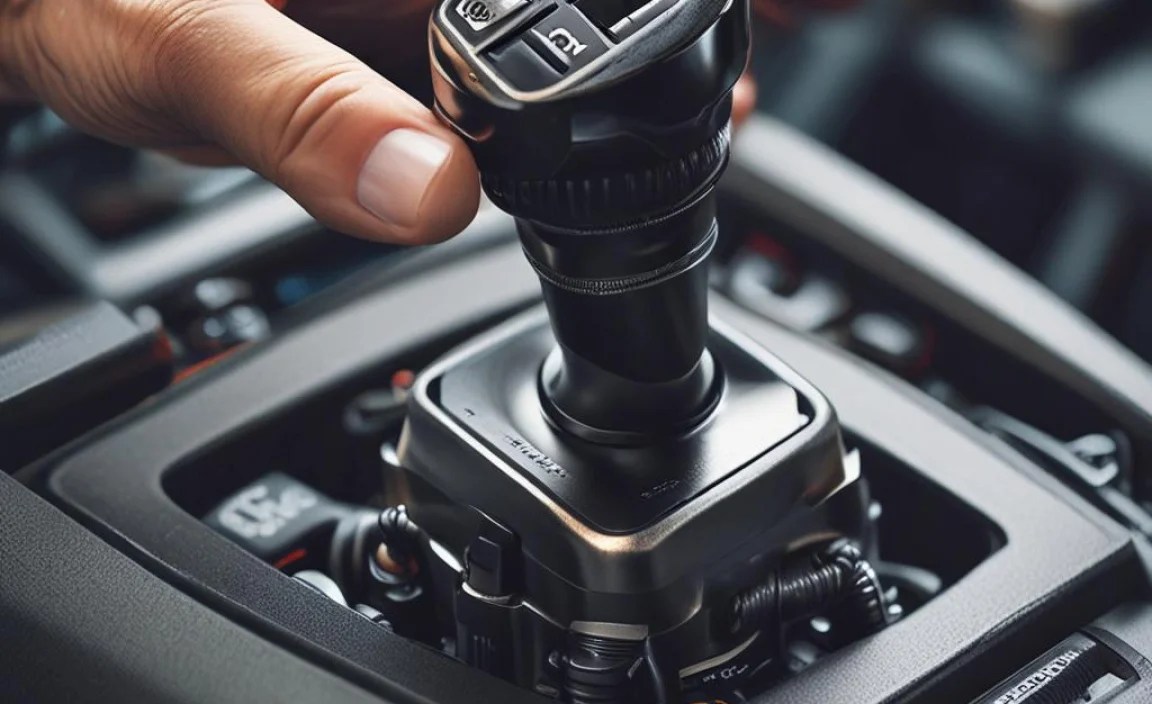
The gear shifter in your car is like a control stick. It helps you tell the car which gear to use. The shifter is held in place by a mount. This mount keeps the shifter steady. But, sometimes things go wrong. The mount can become loose or damaged. This makes it hard to shift gears. When the mount is not right, it can interfere with the shifter. This means it blocks the shifter from moving easily. You might feel like something is stuck. Or, the shifter might feel wobbly. This can be annoying and even dangerous. It is important to fix it. Knowing what causes these problems helps us fix them better. Let’s explore some common reasons why this happens.
- Loose bolts can make the mount wobbly.
- Damage from bumps can bend the mount.
- Old age can make the parts wear out.
- Rust can weaken the mount.
- Bad installation can cause problems from the start.
Knowing what to look for is the first step. Check the bolts around the shifter. Are they tight? Look for any signs of damage. Is the mount bent or broken? Feel the shifter. Does it wobble too much? If you see any of these signs, there might be a problem. You can try to fix it yourself. Or, you can ask a grown-up for help. It is important to make sure your shifter works well. This keeps you safe while driving. Now you know what to look for if your shifter feels funny. Remember to check these things regularly to keep your car in good shape.
Fun Fact or Stat: Did you know that a loose gear shifter mount can increase wear on your car’s transmission? This can lead to bigger problems later!
Why Does My Shifter Feel Loose?
Have you ever played with a toy that felt wobbly? Maybe a wheel was loose on a car. Or a leg was shaky on a figure. A loose gear shifter can feel like that. The mount holds the shifter in place. When the mount is loose, the shifter moves too much. This can happen for a few reasons. The bolts that hold the mount might be loose. Over time, these bolts can wiggle free. This makes the whole shifter feel unstable. Another reason could be wear and tear. The parts of the mount can get old and worn out. This makes them less strong. Then they can’t hold the shifter tightly. Sometimes, the mount itself can be damaged. If the car hits a bump, the mount can bend or break. This also makes the shifter feel loose. Checking these things can help you find out why your shifter feels wobbly.
Can Rust Cause Shifter Problems?
Imagine you leave your bike outside in the rain. After a while, rust starts to form. Rust is like a disease for metal. It makes the metal weak and crumbly. Rust can also attack the mount of your gear shifter. The mount is usually made of metal. If it gets wet, rust can start to grow. This rust weakens the mount. It can make the mount break or bend. When the mount is weak, it can’t hold the shifter properly. This causes the shifter to feel loose or sticky. The rust can also make it hard to move the shifter. It might feel like something is blocking it. Keeping the mount clean and dry can help prevent rust. This will keep your shifter working smoothly.
What Happens If The Mount Breaks?
Think about a building with a broken support beam. The building might become unstable. The same thing can happen if the mount for your gear shifter breaks. The mount is like the support beam for the shifter. If it breaks, the shifter won’t stay in place. This can make it very hard to shift gears. You might not be able to change gears at all. Or, the shifter might move in the wrong direction. This can be dangerous while driving. If the mount breaks completely, you’ll need to replace it. A new mount will hold the shifter firmly. This will make shifting gears easy and safe again. Ignoring a broken mount can lead to more damage. It’s important to fix it quickly.
Checking for Loose Mount Connections
One of the easiest things to check is if the mount is loose. Loose connections are a common cause of shifter problems. When the bolts that hold the mount come loose, the shifter can wobble. This wobble makes it hard to shift gears smoothly. You might feel like the shifter is fighting you. Or, it might feel like it’s not connecting properly. To check for loose connections, you need to find the mount. It’s usually located under the car, near where the shifter is inside. Look for the bolts that hold the mount to the car’s frame. Use a wrench to gently tighten these bolts. Be careful not to over-tighten them. Over-tightening can damage the bolts or the mount. If the bolts are very rusty, you might need to replace them. After tightening the bolts, try shifting gears. Does it feel smoother? If so, you’ve fixed the problem!
- Locate the shifter mount under the car.
- Check the bolts holding the mount in place.
- Gently tighten any loose bolts with a wrench.
- Avoid over-tightening, which can cause damage.
- Replace rusty bolts for better security.
- Test the shifter after tightening to check improvement.
Sometimes, it’s hard to reach the mount. You might need to lift the car with a jack. Make sure to use jack stands for safety. Never work under a car that is only supported by a jack. If you’re not comfortable working under the car, ask a grown-up for help. They can show you how to do it safely. Checking for loose connections is a simple way to keep your shifter working well. It’s a good habit to check these connections regularly. This can prevent bigger problems down the road. Remember, safety first!
Fun Fact or Stat: Properly tightened bolts on a car’s chassis can improve handling and reduce vibrations, making for a smoother ride!
Where Is The Shifter Mount Located?
Finding the shifter mount is like finding a hidden treasure. It’s not always easy to spot! The mount is usually located underneath your car. It’s near where the gear shifter sits inside the car. You might need to peek under the car to see it. Look for a metal piece that connects the shifter to the car’s frame. This metal piece is the mount. It might be covered in dirt or grease. So, you might need to wipe it off to see it clearly. Once you find the mount, you can check its connections. Are the bolts tight? Is the metal bent or broken? Knowing where the mount is located helps you fix any problems. It’s like knowing where the treasure is buried!
What Tools Do I Need To Tighten Bolts?
Imagine you are building a Lego set. You need the right tools to put the pieces together. The same is true for tightening bolts on your car. You’ll need a few simple tools. First, you’ll need a wrench. A wrench is a tool that grips the bolt. You can turn the wrench to tighten or loosen the bolt. Make sure you have the right size wrench. If the wrench is too big or too small, it won’t work. You might also need a socket set. A socket set has different sizes of sockets that fit onto the bolts. This can be helpful if the bolts are in a tight spot. You might also want to wear gloves. Gloves will protect your hands from dirt and grease. With these tools, you’ll be ready to tighten those bolts!
How Tight Should The Bolts Be?
Tightening bolts is like making sure your shoelaces are tied just right. You don’t want them too loose. But you also don’t want them too tight. The same is true for the bolts on your shifter mount. You want them to be snug. This means they should be tight enough to hold the mount in place. But not so tight that you break the bolts. A good rule of thumb is to tighten them until they feel firm. Then give them a little extra nudge. Don’t force them too much. If you’re not sure, it’s better to err on the side of caution. A slightly loose bolt is better than a broken bolt. You can always tighten it a little more later. Remember, practice makes perfect!
Inspecting the Mount for Damage

Sometimes, the mount isn’t just loose. It might be damaged. Damage can happen from accidents or just from wear and tear. A damaged mount can cause all sorts of problems with your gear shifter. It might make it hard to shift gears. Or, it might make the shifter feel wobbly or unstable. To inspect the mount for damage, you need to take a close look. Look for any cracks or bends in the metal. Are there any signs of rust? Rust can weaken the metal and make it break. Also, check for any missing pieces. Sometimes, parts of the mount can fall off over time. If you see any of these signs of damage, it’s important to fix it. You might need to replace the mount. Or, you might be able to repair it.
- Look for cracks in the metal mount.
- Check for bends or dents from impacts.
- Inspect for rust, which weakens the metal.
- Ensure all pieces of the mount are present.
- Consider replacing severely damaged mounts.
- Repairing minor damage might be possible.
If you’re not sure what to look for, ask a grown-up for help. They might have more experience with car repairs. They can help you spot any signs of damage. If the damage is severe, it’s best to take the car to a mechanic. A mechanic can properly diagnose the problem. They can also fix it safely and correctly. Ignoring a damaged mount can be dangerous. It can make it hard to control the car. So, it’s important to take care of it right away. Keeping your car in good condition keeps you safe on the road.
Fun Fact or Stat: Regular car inspections can prevent up to 20% of accidents caused by mechanical failure!
What Does a Cracked Mount Look Like?
Imagine you have a plate that you use every day. Over time, a tiny crack might appear. This crack might be hard to see at first. But, if you look closely, you’ll notice it. A cracked mount can be similar. The crack might be small and thin. It might be hidden under dirt or grease. But, it’s important to find it. A crack weakens the mount. It makes it more likely to break completely. To find a crack, use a flashlight. Shine the light on the mount. Look for any thin lines on the metal. Run your finger along the mount. Can you feel any small ridges? These could be cracks. If you find a crack, it’s time to take action.
How Does Rust Affect The Mount?
Think about leaving a metal toy outside in the rain. After a while, rust starts to form. Rust is like a monster that eats away at the metal. It makes the metal weak and brittle. Rust can do the same thing to your shifter mount. The mount is usually made of metal. If it gets wet, rust can start to grow. This rust weakens the mount. It can make the mount break or bend. When the mount is weak, it can’t hold the shifter properly. This causes the shifter to feel loose or sticky. The rust can also make it hard to move the shifter. It might feel like something is blocking it.
Can a Bent Mount Be Repaired?
Imagine you have a spoon that gets bent. Can you bend it back into shape? Sometimes, you can. But sometimes, the spoon is too bent. Then, it’s better to get a new spoon. The same is true for a bent shifter mount. If the bend is small, you might be able to repair it. A mechanic can use special tools to bend the metal back into place. But, if the bend is severe, it’s better to replace the mount. A severely bent mount is likely to break. It’s not safe to drive with a broken mount. So, it’s best to get a new one. A new mount will hold the shifter firmly. This will make shifting gears easy and safe again.
Adjusting the Shifter Linkage

The shifter linkage is like a set of strings that connect the gear shifter to the transmission. The transmission is what actually changes the gears in your car. The linkage makes sure that when you move the shifter, the transmission knows what to do. Sometimes, the linkage can get out of adjustment. This means the strings are not the right length. When the linkage is not adjusted properly, it can be hard to shift gears. You might have trouble finding the right gear. Or, the shifter might feel loose or sloppy. Adjusting the linkage can fix these problems. It’s like tuning a musical instrument. You need to get the strings just right to make the music sound good.
| Adjustment Type | Description | Tools Needed | Difficulty |
|---|---|---|---|
| Cable Adjustment | Adjusts the tension of the shifter cables. | Wrench, pliers | Easy |
| Rod Adjustment | Adjusts the length of the shifter rods. | Wrench, screwdriver | Medium |
| Pivot Point Adjustment | Adjusts the pivot points for smoother movement. | Grease, wrench | Medium |
| Lock Nut Adjustment | Secures the adjustments in place. | Wrench | Easy |
- Locate the shifter linkage under the car.
- Identify the adjustment points on the linkage.
- Loosen the lock nuts at the adjustment points.
- Adjust the linkage according to your car’s manual.
- Tighten the lock nuts after adjustment.
- Test the shifter to ensure smooth gear changes.
To adjust the linkage, you’ll need to find the adjustment points. These are usually located near the transmission. You might need to look in your car’s repair manual to find them. Once you find the adjustment points, you can loosen the lock nuts. Then, you can adjust the linkage according to the manual. Be careful not to over-adjust it. Small adjustments can make a big difference. After adjusting the linkage, tighten the lock nuts. Then, test the shifter to make sure it works properly. If it still feels loose or sloppy, you might need to adjust it again.
Fun Fact or Stat: A properly adjusted shifter linkage can improve your car’s fuel efficiency by ensuring gears are fully engaged!
How Do I Find The Adjustment Points?
Imagine you’re trying to find a secret switch on a toy. You might need to look all over the toy to find it. The same is true for finding the adjustment points on your shifter linkage. The adjustment points are where you can make changes to the linkage. These points might be hidden under the car. You might need to crawl under the car to see them. Look for small nuts or bolts on the linkage. These are often the adjustment points. Your car’s repair manual can help you find them. The manual will show you exactly where the adjustment points are located.
What Happens If I Over-Adjust The Linkage?
Think about tuning a guitar string. If you tighten the string too much, it might break. The same thing can happen if you over-adjust the shifter linkage. If you adjust the linkage too much, it can cause problems. The shifter might become too tight. This can make it hard to shift gears. Or, the linkage might break. A broken linkage can make it impossible to shift gears. So, it’s important to be careful when adjusting the linkage. Make small adjustments. And test the shifter after each adjustment. This will help you avoid over-adjusting it.
Do I Need Special Tools To Adjust The Linkage?
Imagine you’re trying to fix a toy. You might need special tools to take it apart. The same is true for adjusting the shifter linkage. You might need some special tools. You’ll probably need a wrench. A wrench is used to loosen and tighten nuts and bolts. You might also need a screwdriver. A screwdriver is used to turn screws. Your car’s repair manual will tell you what tools you need. If you don’t have the right tools, you can buy them at an auto parts store. Or, you can ask a grown-up to help you.
Replacing Worn Shifter Bushings

Shifter bushings are small parts that help the gear shifter move smoothly. They’re like tiny cushions that fit between the shifter and the linkage. Over time, these bushings can wear out. They can become cracked, brittle, or even fall apart. When the bushings are worn, the shifter can feel loose or sloppy. It might be hard to find the right gear. Replacing the worn bushings can make a big difference. It’s like putting new tires on a bike. The new tires make the bike ride smoother and easier. New bushings will make the shifter feel tighter and more responsive. This will make shifting gears easier and more fun.
- Locate the shifter bushings on the linkage.
- Inspect the bushings for wear or damage.
- Remove the old, worn bushings.
- Install the new shifter bushings.
- Ensure the bushings are properly seated.
- Test the shifter for smooth movement.
Replacing the bushings is a fairly simple task. You’ll need to remove the old bushings. Then, you’ll need to install the new ones. Make sure you get the right size bushings for your car. Your car’s repair manual can help you find the right part number. When installing the new bushings, make sure they are properly seated. This means they should fit snugly in place. After installing the new bushings, test the shifter. Does it feel smoother? If so, you’ve fixed the problem! Replacing worn bushings is a great way to improve the feel of your shifter.
Fun Fact or Stat: Replacing worn bushings can reduce shifter play by up to 50%, leading to more precise gear changes!
Where Are The Shifter Bushings Located?
Finding the shifter bushings is like finding tiny hidden treasures. They’re small and often hidden from view. The bushings are located on the shifter linkage. They’re usually near the joints where the linkage connects to the shifter and the transmission. You might need to crawl under the car to see them. Look for small, rubbery or plastic pieces. These are the bushings. They might be covered in dirt or grease. So, you might need to wipe them off to see them clearly. Your car’s repair manual can show you exactly where the bushings are located.
How Do I Remove The Old Bushings?
Imagine you’re trying to remove a stubborn sticker from a toy. You might need to use a tool to pry it off. The same is true for removing old shifter bushings. The old bushings might be stuck in place. You might need to use a tool to pry them out. A screwdriver or a pair of pliers can be helpful. Be careful not to damage the linkage when removing the bushings. Gently pry the bushings out. If they’re really stuck, you can try using a lubricant. A lubricant will help loosen the bushings.
What Kind Of Bushings Should I Use?
Think about choosing the right shoes for a race. You want shoes that are comfortable and supportive. The same is true for choosing shifter bushings. You want bushings that are durable and provide good support. There are different types of bushings available. Some bushings are made of rubber. Rubber bushings are soft and provide good cushioning. But they can wear out quickly. Other bushings are made of polyurethane. Polyurethane bushings are more durable than rubber bushings. They provide a firmer feel. Your car’s repair manual can tell you what kind of bushings to use.
Checking Transmission Mount Condition
The transmission mount is like a strong base that holds the transmission in place. The transmission is a big, heavy part of your car. It needs to be held securely. The mount keeps the transmission from shaking and moving around too much. If the transmission mount is bad, it can cause all sorts of problems. It can make the car vibrate. It can make the engine feel rough. And it can even interfere with the gear shifter. A bad mount can cause the shifter to feel loose or sloppy. It can also make it hard to shift gears smoothly. Checking the transmission mount is an important part of keeping your car in good condition.
- Locate the transmission mount under the car.
- Inspect the mount for cracks or tears.
- Check for excessive movement or vibration.
- Ensure the mount is securely attached.
- Consider replacing worn or damaged mounts.
- Look for signs of oil leakage around the mount.
To check the transmission mount, you’ll need to get under the car. Look for a rubber or metal piece that connects the transmission to the car’s frame. This is the transmission mount. Look for any cracks or tears in the rubber. Also, check for any signs of oil leakage. Oil leakage can weaken the rubber and cause it to break down. If you see any of these signs, it’s time to replace the transmission mount. Replacing the mount can make a big difference in how your car feels. It can smooth out the ride and make shifting gears easier.
Fun Fact or Stat: A worn transmission mount can reduce the lifespan of your transmission by up to 30% due to increased stress and vibration!
Where Is The Transmission Mount Located?
Imagine you’re playing hide-and-seek. The transmission mount is hiding under your car! It’s not always easy to find. The mount is located between the transmission and the car’s frame. The transmission is a big, heavy part. It’s located in the middle of the car. The mount is what holds the transmission in place. You might need to crawl under the car to see it. Look for a rubber or metal piece that connects the transmission to the frame. This is the transmission mount. Your car’s repair manual can show you exactly where it’s located.
What Does A Bad Transmission Mount Feel Like?
Think about riding in a car with a flat tire. The ride is bumpy and uncomfortable. A bad transmission mount can feel similar. It can cause the car to vibrate. The vibrations might be especially noticeable when you’re accelerating or decelerating. You might also feel a clunking sound when you shift gears. The shifter might feel loose or sloppy. It might be hard to shift gears smoothly. If you notice any of these symptoms, it’s time to check the transmission mount.
Can A Bad Mount Damage Other Parts?
Imagine you have a wobbly table. If you don’t fix the table, it might cause other things to fall off. A bad transmission mount can do the same thing. It can cause the transmission to shake and move around too much. This can put stress on other parts of the car. It can damage the engine mounts. It can also damage the driveshaft. And it can even damage the transmission itself. Replacing a bad transmission mount can prevent further damage. It’s like fixing the wobbly table before anything falls off.
Summary
How to fix mount interfering with gear shifter can seem hard. But, checking a few things can make it easier. Look for loose bolts on the mount. See if the mount is damaged or rusty. Adjust the shifter linkage if needed. Replace worn shifter bushings. Also, check the transmission mount. These steps can help you fix the problem. They can make shifting gears smooth again. If you’re not sure, ask a grown-up for help.
Regular checks can stop problems before they start. Tighten bolts, look for damage, and replace worn parts. These simple tasks keep your car in good shape. They also keep you safe. Remember to always be careful when working on your car.
Conclusion
Knowing how to fix mount interfering with gear shifter is important. It helps keep your car safe and easy to drive. By checking the mount, linkage, and bushings, you can solve many shifting problems. Remember to look for loose connections, damage, and wear. If you’re not comfortable doing the repairs yourself, ask a grown-up or a mechanic for help. Keeping your car in good repair ensures smooth and safe driving for everyone.
Frequently Asked Questions
Question No 1: Why is my gear shifter so hard to move?
Answer: A hard-to-move gear shifter can have a few causes. The mount might be loose or damaged. This can make the shifter feel stiff. The shifter linkage could be out of adjustment. This means the connections between the shifter and transmission are not aligned. Worn shifter bushings can also cause this. These bushings help the shifter move smoothly. When they wear out, the shifter can become difficult to move. Low transmission fluid can also make shifting hard. Checking these things can help you find the problem.
Question No 2: What tools do I need to fix a loose shifter mount?
Answer: Fixing a loose shifter mount usually requires a few basic tools. You’ll need a wrench set to tighten the bolts. Make sure you have the correct size wrench for the bolts on your mount. A socket set can also be helpful. It allows you to reach bolts in tight spaces. You might need a jack and jack stands to lift the car safely. This will give you more room to work. Gloves will protect your hands from dirt and grease. With these tools, you should be able to tighten the mount.
Question No 3: How often should I check my shifter mount?
Answer: Checking your shifter mount regularly can prevent problems. A good rule of thumb is to check it every time you get your oil changed. This is usually every 3,000 to 5,000 miles. You should also check it if you notice any problems with your shifting. For example, if the shifter feels loose or hard to move. Regular checks can help you catch problems early. This can save you money on repairs in the long run. It also keeps your car running smoothly.
Question No 4: Can I drive my car with a damaged shifter mount?
Answer: Driving with a damaged shifter mount is not safe. A damaged mount can make it hard to shift gears properly. This can cause you to lose control of the car. It can also damage the transmission. If the mount breaks completely, you might not be able to shift gears at all. This can leave you stranded. It’s best to get the mount fixed as soon as possible. This will keep you safe on the road. Also, fixing *how to fix mount interfering with gear shifter* as soon as you can will keep your car in good condition.
Question No 5: How do I know if my shifter bushings are worn?
Answer: Worn shifter bushings can cause several symptoms. The shifter might feel loose or sloppy. It might be hard to find the right gear. You might also hear rattling noises when you shift. The shifter might vibrate more than usual. If you notice any of these signs, it’s time to check the bushings. You can inspect them visually for cracks or wear. If they look worn, replace them. New bushings can make a big difference in the feel of your shifter. This is important to do.
Question No 6: Is it expensive to fix a shifter mount problem?
Answer: The cost to fix a shifter mount problem varies. It depends on what needs to be fixed. If it’s just a loose bolt, it might not cost anything. You can tighten it yourself. Replacing the mount can cost more. The price depends on the type of car. Labor costs can also add to the price. Getting a quote from a mechanic is a good idea. They can tell you exactly what needs to be done. They can also give you an estimate of the cost. If you feel adventurous and have the tools, you can try to fix *how to fix mount interfering with gear shifter*.


