
How to Fix Mount That Interferes with Gear Cable Routing? Easy!

Have you ever ridden your bike and the gears felt funny? Did you wonder why your bike wasn’t shifting smoothly? Sometimes, a part called a *mount* can cause problems. This can make your gear cable get in the way. It’s frustrating when your bike doesn’t work right. Learning how to fix mount that interferes with gear cable routing can help.
Bikes have lots of parts that work together. The gears help you go up hills or fast on flat roads. The cables connect the gear shifters to the gears. If something blocks the cable, your gears won’t work well. This article will show you how to solve this common bike problem. We will make it easy to understand.
Imagine you’re riding your bike to school. Suddenly, you can’t change gears! You’re stuck in a hard gear going uphill. Or maybe you’re stuck in an easy gear going downhill. This can make you late for school and very tired. Knowing how to fix mount that interferes with gear cable routing keeps you rolling smoothly.
Don’t worry, fixing this problem isn’t too hard. You don’t need to be a bike expert. We’ll show you simple steps to check the mount. We’ll also talk about ways to move the cable so it doesn’t get stuck. Get ready to learn how to make your bike ride better. Soon you’ll know how to fix mount that interferes with gear cable routing!
Key Takeaways
- Check your bike’s cable *mounts* regularly to avoid gear shifting problems.
- Adjust the mount position or cable routing to prevent interference.
- Use zip ties or cable guides to keep cables away from moving parts.
- Learn how to fix mount that interferes with gear cable routing for smooth rides.
- If unsure, ask a bike shop for help with complex *cable routing* issues.
Understanding Mount Interference with Cables
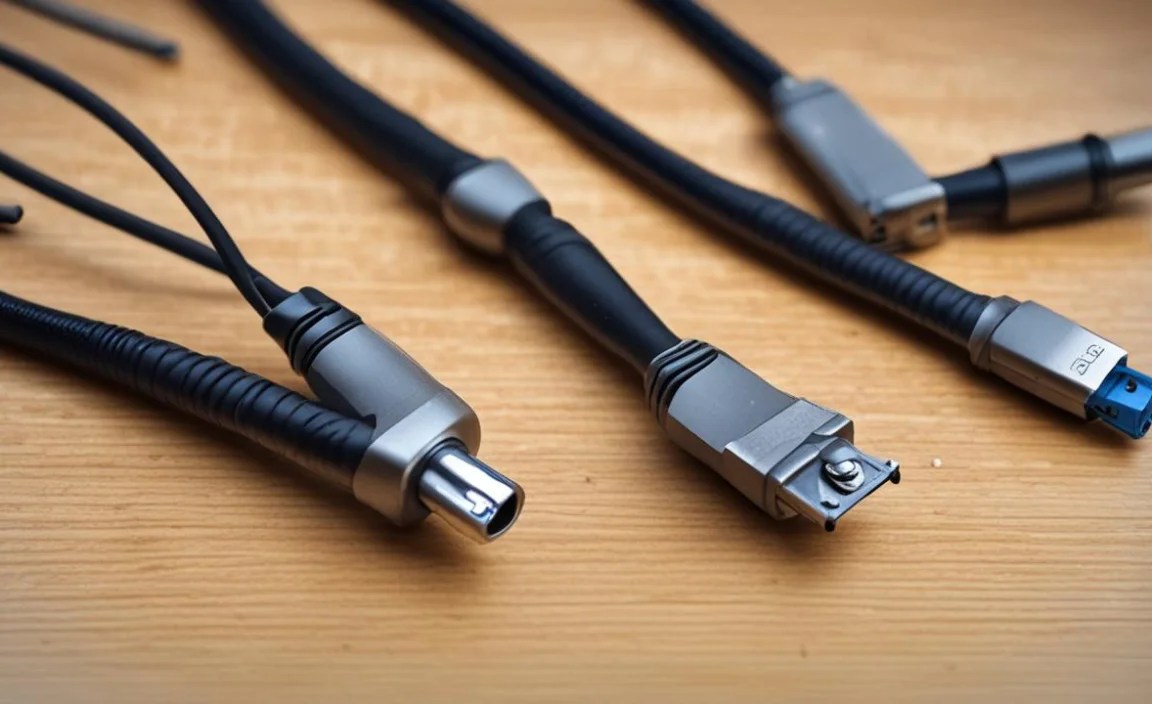
A bike *mount* is a small piece that holds parts like your brakes or gears. Sometimes, these *mounts* can be in the wrong spot. This can cause the gear cable to rub or get stuck. When this happens, your gears won’t change smoothly. You might hear clicking noises or feel the gears slipping. It’s important to understand why this happens. The cable routing is how the cable moves from your handlebars to the gears. If the *mount* is in the way, it changes the cable routing. This makes the cable bend too much or rub against the frame. Over time, this can damage the cable. It can also make your gears not work well. Knowing what to look for helps you fix the problem. You can make sure your bike is safe and fun to ride. By understanding how *mounts* and cables work together, you can keep your bike in good shape. A little check-up can save you from big problems later.
- Check the *mount* near the gears for looseness.
- Look for bends or kinks in the gear cable.
- Make sure the cable housing is in good shape.
- Test the gears to see if they shift smoothly.
- Listen for rubbing or clicking sounds when shifting.
- Ensure the cable isn’t touching the bike frame.
Think of your bike cables like the veins in your body. They need to flow freely. If something presses on a vein, it can cause problems. The same thing happens with your bike cables. If a *mount* is pressing on the gear cable, it stops the gears from working right. This is why it’s important to check the *cable routing*. Make sure the cable has enough space to move. Using zip ties or cable guides can help. These tools keep the cable away from the frame and other parts. This prevents rubbing and keeps your gears working smoothly. Regular checks and simple fixes can make a big difference. You’ll enjoy your bike rides much more! Learning how to fix mount that interferes with gear cable routing will save you time and stress.
Fun Fact or Stat: Did you know that a bike cable can last for over 2,000 miles if it’s properly maintained?
Why is Cable Routing Important?
Have you ever tried to drink from a straw that’s bent? It’s hard to get the liquid through, right? The same idea applies to your bike’s gear cables. If the *cable routing* is bad, it’s like having a bent straw. The cable can’t move smoothly, and your gears won’t shift properly. Good cable routing means the cable has a clear path from the shifter to the gears. It avoids sharp bends and rubbing against the frame. This helps the cable move easily, so your gears change quickly and smoothly. When the cable routing is good, you’ll have a better biking experience. You’ll be able to shift gears easily. You’ll also avoid wear and tear on your cables. This means you won’t have to replace them as often. So, taking the time to set up your cable routing correctly is really important.
Signs of Cable Interference
Imagine you’re trying to open a door, but something is blocking it. You have to push harder, and it doesn’t open smoothly. That’s similar to what happens when a *mount* interferes with your gear cable. The first sign is often difficulty shifting gears. You might have to push the shifter harder than usual. Or the gears might not change when you expect them to. Another sign is a clicking or grinding noise when you shift. This sound means the cable is rubbing against something. You might also notice that your gears are slipping. This means they’re not staying in the right position. If you see any of these signs, it’s time to check your cable routing. Look for places where the cable is bent or rubbing against a *mount*. Catching these problems early can prevent bigger issues.
Tools Needed for Cable Routing Fixes
Think of a toolbox as a superhero’s utility belt. To fix problems with your bike’s cable routing, you need the right tools. A set of Allen wrenches is essential. These wrenches help you adjust the *mounts* and other parts. You’ll also need cable cutters to trim the gear cable if needed. Pliers can be useful for gripping and bending the cable housing. Zip ties are great for securing the cable to the frame. Cable guides can help keep the cable away from moving parts. A screwdriver might be needed to adjust some *mounts*. Having these tools on hand makes it easier to fix the problem. You can quickly adjust the cable routing and get your bike working smoothly again. Remember to always use the right tool for the job to avoid damaging your bike.
Checking The Mount Position
The position of the *mount* is very important. If it’s not in the right spot, it can mess up your gear cable. First, look closely at where the cable goes from the shifter to the gears. See if the *mount* is blocking the cable’s path. The cable should have a smooth curve, not a sharp bend. If the *mount* is too close, it will force the cable to bend too much. This can make it hard to shift gears. Sometimes, the *mount* can be adjusted. Loosen the bolt that holds the *mount* in place. Then, move it slightly to give the cable more room. Tighten the bolt again when you have the *mount* in the right spot. If you can’t adjust the *mount*, you might need to use a different one. Some *mounts* are designed to give more space for the cable. Ask your local bike shop for advice on the best *mount* for your bike. Getting the *mount* position right is a big step in how to fix mount that interferes with gear cable routing.
- Locate the *mount* affecting the gear cable.
- Check for proper clearance around the cable.
- Adjust the *mount* if possible to create space.
- Replace the *mount* if adjustment isn’t enough.
- Ensure the cable moves freely after adjusting.
- Test gear shifting to confirm improvement.
Imagine the *mount* is like a traffic controller for your gear cable. It needs to guide the cable safely. If the traffic controller puts a barrier in the road, cars can’t move. The same thing happens if the *mount* blocks the cable. The gears can’t shift smoothly. So, it’s important to make sure the *mount* is doing its job right. Check the position of the *mount* often. Make small adjustments as needed. This will keep your gears working well. If you’re not sure how to adjust the *mount*, ask a bike mechanic for help. They can show you the best way to position the *mount* for your bike. Taking care of your *mounts* helps you enjoy your bike rides more. It prevents frustrating gear shifting problems. Then you’ll know how to fix mount that interferes with gear cable routing.
Fun Fact or Stat: About 70% of bike shifting problems are due to incorrect cable tension or routing!
How to Identify the Problem Mount
Have you ever played detective? Finding the problem *mount* is like solving a mystery! Start by watching the gear cable as you shift gears. See which *mount* is closest to the cable when it moves. This *mount* is likely the one causing the problem. Look for signs of rubbing on the cable or the *mount*. Rubbing means the cable is hitting the *mount*. This can cause the cable to wear out. It can also make it harder to shift gears. Try moving the cable with your hand. Does it feel like it’s getting stuck on the *mount*? If so, that’s another clue. Once you’ve found the problem *mount*, take a closer look. Is it loose? Is it bent? Is it in the wrong position? Answering these questions will help you decide what to do next. You might need to adjust the *mount* or replace it.
Adjusting Mounts for Better Clearance
Think of adjusting *mounts* like rearranging furniture in a room. You want to create more space and make things flow better. To adjust a *mount*, you’ll usually need an Allen wrench. Find the bolt that holds the *mount* in place. Loosen the bolt slightly. Now, you can move the *mount* a little bit. Try to move it away from the gear cable. This will create more clearance. Tighten the bolt again to hold the *mount* in its new position. Check to see if the cable now moves freely. If not, you might need to adjust the *mount* again. Sometimes, a small adjustment can make a big difference. If the *mount* is too hard to adjust, don’t force it. You could damage the *mount* or your bike frame. Ask a bike mechanic for help if you’re not sure what to do.
When to Replace a Mount
Imagine you have a tool that’s broken. You can try to fix it, but sometimes it’s better to get a new one. The same is true for bike *mounts*. If a *mount* is bent or damaged, it might be hard to adjust. It might not hold the cable in the right position. In this case, it’s best to replace the *mount*. A new *mount* will ensure the cable is properly supported. This will help your gears shift smoothly. You can buy new *mounts* at your local bike shop. Make sure to get the right type of *mount* for your bike. Installing a new *mount* is usually easy. Just remove the old *mount* and put the new one in its place. Tighten the bolt to hold it securely. If you’re not comfortable replacing the *mount* yourself, ask a bike mechanic for help.
Rerouting the Gear Cable
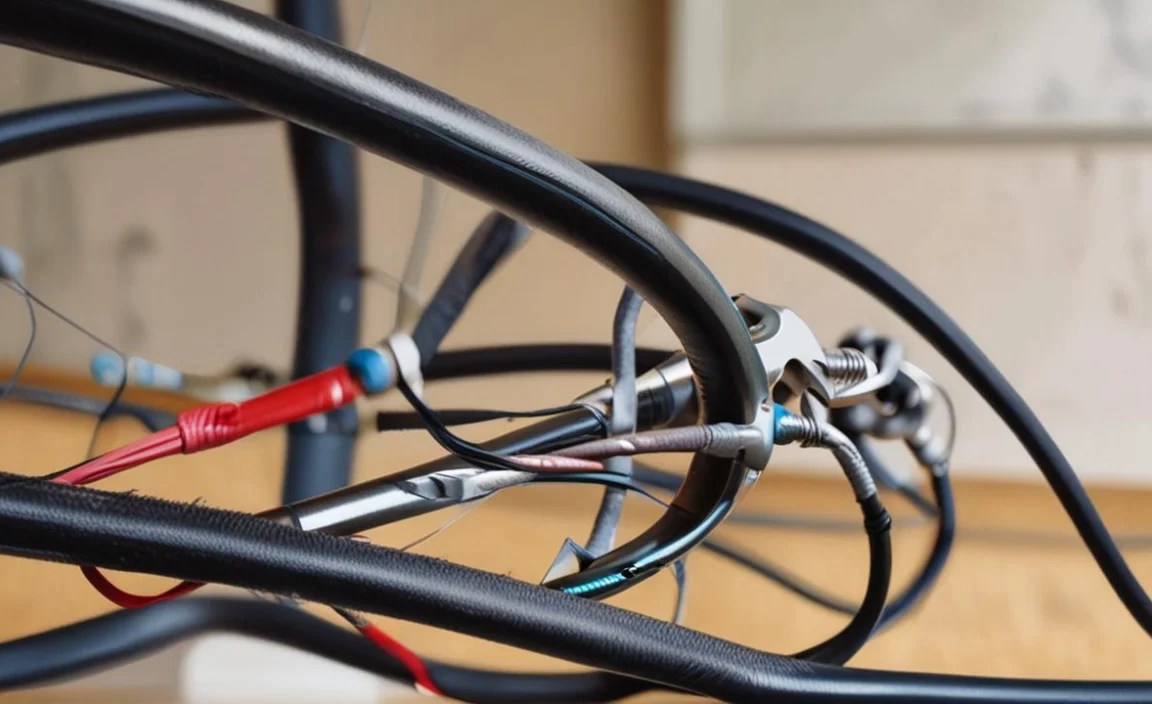
Sometimes, the *mount* is fine, but the gear cable is in the wrong place. Rerouting the cable means changing the path it takes. This can help avoid interference. Look at the cable’s path from the shifter to the gears. Is it making any sharp bends? Is it rubbing against the frame or other parts? If so, try to find a smoother path for the cable. You can use zip ties to secure the cable to the frame. This will keep it from moving around. Be careful not to pull the zip ties too tight. This can restrict the cable’s movement. Cable guides can also help. These are small plastic pieces that stick to the frame. They guide the cable along a specific path. Experiment with different cable routing options. See which one works best for your bike. The goal is to have a smooth, gentle curve for the cable. This will help your gears shift smoothly. Mastering how to fix mount that interferes with gear cable routing may involve rerouting.
- Observe the current cable routing for issues.
- Identify areas where the cable rubs or bends sharply.
- Use zip ties to secure the cable away from obstacles.
- Consider using cable guides for better routing.
- Ensure the cable moves freely after rerouting.
- Test shifting to confirm improved performance.
Think of rerouting your gear cable like planning a new road trip. You want to find the best route to your destination. You want to avoid bumpy roads and traffic jams. The same is true for your cable. You want to find the smoothest path. This will help your gears shift easily. Try to keep the cable away from moving parts. This will prevent rubbing and wear. Use zip ties to keep the cable in place. Check the cable routing often. Make sure it’s still in good shape. A little bit of care can make a big difference. You’ll enjoy your bike rides more. You’ll have fewer problems with your gears. Remember to always check your work to be sure you know how to fix mount that interferes with gear cable routing.
Fun Fact or Stat: Pro cyclists often spend hours perfecting their cable routing for optimal performance!
Using Zip Ties Effectively
Zip ties are like the duct tape of the bike world. They’re useful for all sorts of things! When rerouting your gear cable, zip ties can be your best friend. Use them to secure the cable to the frame. This will keep it from rubbing against other parts. But don’t just slap zip ties on randomly. Think about where you’re placing them. You want to support the cable without restricting its movement. Place the zip ties a few inches apart. This will distribute the pressure evenly. Don’t pull the zip ties too tight. This can crimp the cable and make it harder to shift gears. Trim the excess length of the zip ties. This will prevent them from snagging on anything. Check the zip ties regularly. Make sure they’re still holding the cable securely. Replace them if they become loose or broken.
Advantages of Cable Guides
Cable guides are like little helpers for your gear cable. They keep the cable in the right place. They also protect it from damage. Cable guides come in different shapes and sizes. Some stick to the frame with adhesive. Others clip onto existing *mounts*. Choose the type that works best for your bike. Install the cable guides along the cable’s path. Make sure they’re spaced evenly. The cable should fit snugly in the guides. This will prevent it from moving around. Cable guides can also reduce friction. This makes it easier to shift gears. They keep the cable clean and free from dirt. This extends the life of your cable. If you’re having trouble with cable routing, cable guides are a great solution.
Avoiding Sharp Bends in Cable Routing
Imagine trying to run water through a kinked hose. The water doesn’t flow very well, right? The same thing happens with your gear cable. Sharp bends in the cable routing can make it hard to shift gears. They also put stress on the cable. This can cause it to break. When rerouting your cable, try to avoid sharp bends. Use gentle curves instead. This will allow the cable to move freely. If you have to make a bend, make it as gradual as possible. Use cable guides to support the cable around the bend. Check the cable regularly for signs of wear. If you see any kinks or bends, replace the cable immediately. Good cable routing is essential for smooth gear shifting.
Using Protective Sleeves on Cables
Cables can wear out over time. Rubbing against the frame causes damage. Dirt and grime can also cause problems. Protective sleeves can help. These sleeves slide over the gear cable. They act like a shield. The sleeves protect the cable from rubbing. They also keep dirt and grime away. This helps the cable last longer. You can buy protective sleeves at bike shops. They come in different materials. Some are made of plastic. Others are made of rubber. Choose the type that works best for you. Slide the sleeve over the cable. Make sure it covers the areas that rub. Secure the sleeve with zip ties. Check the sleeves regularly. Replace them if they get damaged. Protective sleeves are a simple way to extend the life of your gear cables. This will prevent problems in the long run. Using protective sleeves is a great tip for how to fix mount that interferes with gear cable routing.
- Apply protective sleeves to vulnerable cable sections.
- Select sleeves made of durable, weather-resistant material.
- Ensure the sleeve fits snugly without restricting movement.
- Secure the sleeve with zip ties to prevent slippage.
- Inspect sleeves regularly for wear and tear.
- Replace damaged sleeves to maintain protection.
Think of protective sleeves as armor for your gear cable. They protect it from the dangers of the road. Just like knights wear armor to protect themselves in battle, your cable needs protection too. Without sleeves, the cable is exposed to rubbing, dirt, and grime. This can cause it to wear out quickly. Sleeves add a layer of defense. They keep the cable working smoothly for longer. So, investing in protective sleeves is a smart move. It’s a small price to pay for the benefits they provide. Your gears will shift better, and your cable will last longer. This means you’ll have fewer problems on your bike rides. Then you’ll really know how to fix mount that interferes with gear cable routing.
Fun Fact or Stat: Using protective sleeves can increase the lifespan of your bike cables by up to 50%!
Types of Protective Sleeves Available
Just like there are different types of socks, there are different types of protective sleeves for your bike cables. Plastic sleeves are lightweight and inexpensive. They provide basic protection from rubbing. Rubber sleeves are more durable and offer better protection. They’re also more resistant to weather. Braided sleeves are made of woven material. They’re very strong and offer excellent protection. Heat-shrink sleeves shrink when heated. This creates a snug fit around the cable. Spiral wrap sleeves wrap around the cable in a spiral pattern. They’re easy to install and remove. Choose the type of sleeve that best suits your needs and budget. Consider the conditions you’ll be riding in. If you ride in wet or muddy conditions, you’ll need a more durable sleeve.
Installing Protective Sleeves Correctly
Imagine putting on a sock. You want it to fit snugly, but not too tight. The same is true for protective sleeves. To install a sleeve, start by cleaning the cable. This will remove any dirt or grime. Slide the sleeve over the cable. Make sure it covers the areas that rub. If the sleeve is too long, you can trim it with scissors. Secure the sleeve with zip ties. Place the zip ties at each end of the sleeve. This will keep it from sliding around. Don’t pull the zip ties too tight. This can crimp the cable. Check the sleeve regularly. Make sure it’s still in the right place. Replace it if it gets damaged.
Maintenance Tips for Sleeved Cables
Think of your sleeved cables like a car that needs regular check-ups. To keep them in good shape, you need to do some maintenance. Check the sleeves regularly for signs of wear. Look for cracks, tears, or holes. Replace the sleeves if they’re damaged. Clean the sleeves with a damp cloth. This will remove dirt and grime. Lubricate the cables under the sleeves. This will help them move smoothly. Use a cable lubricant that’s designed for bikes. Don’t use oil or grease. These can attract dirt. Check the zip ties that hold the sleeves in place. Make sure they’re still tight. Replace them if they’re loose or broken. With a little bit of care, your sleeved cables will last a long time.
Adjusting Cable Tension
The cable tension is how tight the gear cable is. Too loose or too tight, and your gears won’t work right. Adjusting the cable tension can fix many shifting problems. Look for the barrel adjuster on your shifter or derailleur. This is a small knob that you can turn. Turning the barrel adjuster changes the cable tension. If your gears are slow to shift up, the cable might be too loose. Turn the barrel adjuster counterclockwise to tighten the cable. If your gears are slow to shift down, the cable might be too tight. Turn the barrel adjuster clockwise to loosen the cable. Make small adjustments. Then test the gears after each adjustment. It might take a few tries to get the cable tension just right. Correct cable tension is important to know how to fix mount that interferes with gear cable routing.
| Problem | Possible Cause | Solution |
|---|---|---|
| Slow shifting up | Cable too loose | Tighten cable (turn barrel adjuster counterclockwise) |
| Slow shifting down | Cable too tight | Loosen cable (turn barrel adjuster clockwise) |
| Gears slipping | Incorrect cable tension | Adjust cable tension until gears shift smoothly |
| Difficulty shifting | Cable friction | Lubricate cable and check cable routing |
Think of cable tension like tuning a guitar string. If the string is too loose, it sounds flat. If it’s too tight, it sounds sharp. You need to adjust the tension until it sounds just right. The same is true for your gear cable. You need to adjust the cable tension until the gears shift smoothly. Don’t be afraid to experiment with the barrel adjuster. Just make small adjustments at a time. Test the gears after each adjustment. With a little practice, you’ll get the hang of it. You’ll be able to fine-tune your cable tension for perfect shifting. Remember, if you’re not sure what you’re doing, ask a bike mechanic for help. They can show you the proper way to adjust your cable tension. Then you can be more confident with how to fix mount that interferes with gear cable routing.
Fun Fact or Stat: Most bikes have a barrel adjuster for easy cable tension adjustments, but some require more complex tools!
Understanding Barrel Adjusters
Barrel adjusters are like magic wands for your gear shifting. They allow you to fine-tune the cable tension without using any tools. A barrel adjuster is a small knob that’s usually located on your shifter or derailleur. Turning the barrel adjuster changes the length of the cable housing. This changes the cable tension. Turning the barrel adjuster counterclockwise tightens the cable. Turning it clockwise loosens the cable. Each click of the barrel adjuster makes a small change. So, it’s important to make small adjustments at a time. Test the gears after each adjustment. This will help you find the sweet spot. If you run out of adjustment on the barrel adjuster, you might need to loosen the cable at the derailleur. Then, start over with the barrel adjuster in the middle position.
Signs of Incorrect Cable Tension
Imagine you’re trying to play a game, but the controls are all messed up. It’s hard to do what you want to do, right? That’s similar to what happens when your cable tension is off. The gears won’t shift properly. One sign of incorrect cable tension is slow shifting. The gears might take a long time to change. Another sign is skipping gears. The gears might jump from one position to another. You might also hear clicking or grinding noises. These noises mean the cable is rubbing against something. If you notice any of these signs, it’s time to adjust your cable tension. Use the barrel adjuster to make small adjustments. Test the gears after each adjustment. Keep adjusting until the gears shift smoothly.
When to Seek Professional Help
Sometimes, fixing your bike can be tricky. You might try adjusting the cable tension, but the gears still don’t shift right. Or you might be afraid of damaging something. In these cases, it’s best to seek professional help. A bike mechanic has the tools and knowledge to fix your bike properly. They can diagnose the problem and make the necessary adjustments. They can also replace any worn or damaged parts. Don’t be afraid to ask for help. It’s better to pay a bike mechanic than to damage your bike. A professional can get your bike working like new again. Then you can get back to enjoying your rides.
Lubricating Cables and Mounts
Lubrication helps parts move smoothly. It also prevents rust and wear. Your gear cables and *mounts* need lubrication. This keeps them working well. Use a cable lubricant for the gear cables. This lubricant is designed for bike cables. It reduces friction inside the cable housing. Apply the lubricant to the cable where it enters the housing. Shift the gears a few times. This helps the lubricant spread through the cable. Use a light grease for the *mounts*. Apply a small amount of grease to the moving parts of the *mounts*. This will help them move freely. Wipe off any excess grease. Lubricate your cables and *mounts* regularly. This will extend their life. It will also keep your gears shifting smoothly. This will improve your knowledge of how to fix mount that interferes with gear cable routing.
- Apply cable lubricant to gear cables regularly.
- Use light grease on moving parts of *mounts*.
- Ensure lubricant is compatible with bike components.
- Wipe off excess lubricant to prevent dirt buildup.
- Lubricate after cleaning the bike to protect parts.
- Check lubrication during regular bike maintenance.
Think of lubrication like oiling a squeaky door hinge. Without oil, the hinge is hard to move. It makes a lot of noise. With oil, the hinge moves smoothly and quietly. The same is true for your gear cables and *mounts*. Without lubrication, they can become stiff and noisy. They might not work properly. Lubrication keeps everything moving smoothly. It prevents friction and wear. So, make sure to lubricate your cables and *mounts* regularly. It’s a simple way to keep your bike in good condition. You’ll enjoy smoother shifting and longer-lasting parts. Then you’ll really understand how to fix mount that interferes with gear cable routing.
Fun Fact or Stat: Regular lubrication can reduce cable friction by up to 80%!
Choosing the Right Lubricant
Just like there are different types of snacks, there are different types of lubricants. You need to choose the right one for your bike. Cable lubricant is designed for gear cables. It’s thin and slippery. It penetrates the cable housing and reduces friction. Grease is thicker and stickier. It’s good for *mounts* and other moving parts. Dry lube is designed for dry conditions. It doesn’t attract dirt. Wet lube is designed for wet conditions. It stays on the cable even when it’s wet. Read the labels carefully. Make sure you’re using the right lubricant for the job. Using the wrong lubricant can damage your bike.
How to Apply Lubricant Properly
Imagine you’re spreading butter on toast. You want to cover the whole surface, but you don’t want to use too much. The same is true for lubricant. To lubricate your gear cables, start by cleaning the cable. This will remove any dirt or grime. Apply a small amount of cable lubricant to the cable where it enters the housing. Shift the gears a few times. This will help the lubricant spread through the cable. To lubricate your *mounts*, apply a small amount of grease to the moving parts. Use a brush to spread the grease evenly. Wipe off any excess grease. Too much grease can attract dirt.
Signs That Lubrication Is Needed
Think of your bike as a talking machine. It will tell you when it needs lubrication. One sign that lubrication is needed is stiff shifting. The gears might be hard to change. Another sign is noisy shifting. You might hear clicking or grinding noises. You might also notice that the cables are sticking. They might not move smoothly. If you see any of these signs, it’s time to lubricate your cables and *mounts*. Regular lubrication will keep your bike working smoothly. It will also prevent problems in the long run.
Summary
Bike problems can be annoying. One common issue is a *mount* that interferes with the gear cable. This can make it hard to shift gears. Learning how to fix mount that interferes with gear cable routing is important. First, check the position of the *mount*. Make sure it’s not blocking the cable’s path. If it is, adjust the *mount* or replace it. You can also try rerouting the cable. Use zip ties or cable guides to keep it away from the frame. Protective sleeves can help prevent wear and tear. Adjusting the cable tension can also improve shifting. Lubricating the cables and *mounts* keeps them moving smoothly. With these tips, you can fix many shifting problems.
Conclusion
Taking care of your bike is important. A smooth ride makes biking more fun. When a *mount* blocks the gear cable, shifting gets tough. By checking the *mount’s* position, you can solve this. Rerouting cables can also help. Remember to use zip ties and cable guides. Protective sleeves keep cables safe. Keep cables lubricated for smooth action. Knowing how to fix mount that interferes with gear cable routing helps you enjoy every ride. Regular bike care makes a big difference. Happy riding!
Frequently Asked Questions
Question No 1: What does it mean when a mount interferes with gear cable routing?
Answer: When a *mount* interferes with gear cable routing, it means the *mount* is blocking the cable’s path. The gear cable connects the shifters to the gears. If the *mount* is in the way, the cable can’t move freely. This can make it hard to shift gears. The cable might rub against the *mount* or bend at an awkward angle. This can cause wear and tear on the cable. It can also make the gears shift slowly or not at all. Knowing how to fix mount that interferes with gear cable routing will prevent the problem. You can prevent shifting problems by checking the *mount’s* position. Make sure the cable has enough space to move.
Question No 2: How do I know if my gear cable routing is causing problems?
Answer: There are several signs that your gear cable routing is causing problems. One sign is difficulty shifting gears. You might have to push the shifter harder than usual. Or the gears might not change when you expect them to. Another sign is a clicking or grinding noise when you shift. This noise means the cable is rubbing against something. You might also notice that your gears are slipping. This means they’re not staying in the right position. If you see any of these signs, it’s time to check your cable routing. Look for places where the cable is bent or rubbing against a *mount*. How to fix mount that interferes with gear cable routing might involve rerouting the cable.
Question No 3: Can I fix gear cable routing issues myself, or do I need a professional?
Answer: Many gear cable routing issues can be fixed at home with simple tools. You can adjust *mounts*, reroute cables, and lubricate parts. However, some problems are more complex. If you’re not comfortable working on your bike, it’s best to seek professional help. A bike mechanic has the tools and knowledge to fix your bike properly. They can diagnose the problem and make the necessary adjustments. They can also replace any worn or damaged parts. Knowing how to fix mount that interferes with gear cable routing is helpful, but professional help is sometimes needed. Don’t be afraid to ask for help if you’re unsure.
Question No 4: What tools do I need to fix a mount that interferes with gear cable routing?
Answer: To fix a *mount* that interferes with gear cable routing, you’ll need a few basic tools. A set of Allen wrenches is essential for adjusting *mounts*. Cable cutters are useful for trimming cables. Pliers can help with gripping and bending. Zip ties are great for securing cables to the frame. Cable guides can keep cables in place. A screwdriver might be needed for some adjustments. Having these tools on hand will make the job easier. Remember to use the right tool for each task. You can also learn how to fix mount that interferes with gear cable routing by watching videos. Be sure to follow the instructions carefully.
Question No 5: How often should I check my gear cable routing?
Answer: You should check your gear cable routing regularly. A good rule is to check it every time you clean your bike. This will help you catch problems early. Look for signs of wear and tear on the cables. Check that the *mounts* are in good condition. Make sure the cables are properly secured. If you ride frequently, you might need to check more often. After a crash, always check your cable routing. A crash can damage the cables or *mounts*. Regular checks will help you keep your bike in good condition. Then, you don’t have to worry about how to fix mount that interferes


