
How to Cycle a Well Water Pump: A Step-by-Step Guide

Quick Summary: Cycling a well water pump involves turning it on and off to remove air and debris, ensuring optimal performance. Start by turning off the power, opening an outdoor faucet, and then turning the pump back on. Let the water run until it’s clear and free of air. Repeat this process a few times. This helps clear sediment and improves water pressure, keeping your water system running smoothly.
Well water pumps can sometimes act up, leading to inconsistent water pressure or even no water at all. One common fix is to cycle the pump, which means turning it on and off in a specific way. This process helps to remove trapped air and sediment, allowing the pump to work more efficiently. It might sound complicated, but it’s actually quite simple. By following a few easy steps, you can often resolve these issues yourself and avoid costly repairs. Let’s dive into how to do it!
Understanding Why Cycling Your Well Pump Matters

Before we get into the “how,” let’s cover the “why.” Cycling your well pump is essential for several reasons. Over time, sediment and air can accumulate in the well and pump system. This buildup can cause the pump to work harder, reduce water pressure, and even damage the pump itself. Regular cycling helps to clear these obstructions and maintain optimal performance. Imagine it like clearing your throat – it helps everything run smoother!
- Improved Water Pressure: Removing air and sediment allows for a more consistent flow of water.
- Extended Pump Life: Reducing strain on the pump prevents premature wear and tear.
- Better Water Quality: Flushing out sediment can improve the clarity and taste of your water.
Tools and Materials You’ll Need

Luckily, you don’t need a ton of fancy equipment for this task. Here’s a quick list of what you’ll need:
- Wrench: To access the well pump, if needed.
- Screwdriver: To open the well pump control box, if needed.
- Gloves: To protect your hands.
- Bucket: To collect water samples for inspection.
Step-by-Step Guide to Cycling Your Well Water Pump

Now, let’s get to the main event. Follow these steps carefully to cycle your well water pump effectively.
Step 1: Turn Off the Power
Safety first! Locate the circuit breaker that controls your well pump and turn it off. This prevents any electrical accidents while you’re working. Make sure to clearly label the breaker so others know not to turn it back on while you’re working. This is a critical step, so don’t skip it!
Step 2: Locate the Outdoor Faucet
Find an outdoor faucet that’s connected to the well water system. This is where you’ll be flushing out the system. Ensure the faucet is easily accessible and that the water can drain away without causing any damage or flooding.
Step 3: Open the Faucet Fully
Open the outdoor faucet all the way. This allows water to flow freely from the well. Keep an eye on the water as it comes out. Initially, it may be cloudy or contain sediment. This is normal. Let the water run until it starts to clear up.
Step 4: Turn the Power Back On
Go back to the circuit breaker and turn the power to the well pump back on. You should hear the pump start running. Monitor the water flow at the outdoor faucet. It should now be flowing more strongly as the pump is actively drawing water from the well.
Step 5: Observe the Water Quality
Continue to let the water run, watching for any changes in quality. Look for improvements in clarity and any reduction in sediment. If the water is still cloudy or contains debris, proceed to the next step. If it’s clear, you might be done already!
Step 6: Repeat the Cycle
Turn the power off again at the circuit breaker. Wait for about 30 seconds to allow any remaining sediment to settle. Then, turn the power back on. Repeat steps 3-5 multiple times. This cycling process helps to dislodge and flush out any remaining debris in the system. Typically, 3-5 cycles are enough, but if the water is particularly dirty, you may need to do it more times.
Step 7: Check Indoor Faucets
After cycling the pump, check the faucets inside your house. Run each faucet for a few minutes to ensure that the water pressure is consistent and the water is clear. This helps to clear any sediment that may have been stirred up in the pipes during the cycling process.
Step 8: Monitor the Pump
Keep an eye on your pump over the next few days. Listen for any unusual noises or changes in performance. If you notice any issues, it may be a sign of a more significant problem that requires professional attention. Regular monitoring can help you catch potential problems early and prevent costly repairs.
Troubleshooting Common Issues
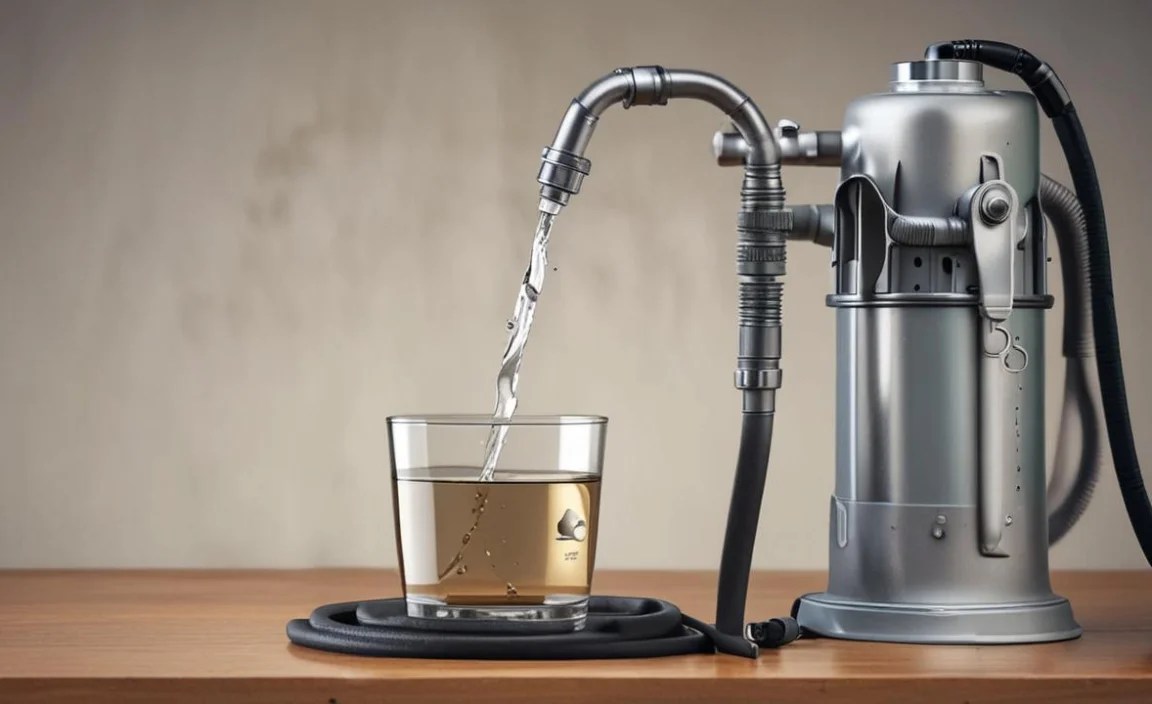
Sometimes, cycling the well pump doesn’t solve the problem. Here are a few common issues you might encounter and how to address them:
- Pump Won’t Turn On: Check the circuit breaker to ensure it hasn’t tripped. If it has, reset it. If it trips again immediately, there may be an electrical issue that requires professional help.
- Low Water Pressure Persists: There may be a leak in the well or the pipes leading to your house. Inspect the visible pipes for any signs of leaks. If you suspect a leak in the well itself, contact a professional.
- Water Remains Cloudy: If the water remains cloudy after several cycles, the well may be contaminated with sediment. Consider having your well professionally cleaned and inspected.
- Unusual Noises: If the pump is making strange noises, such as grinding or squealing, it may be a sign of a failing pump. Contact a professional for an inspection and possible replacement.
Preventative Maintenance Tips
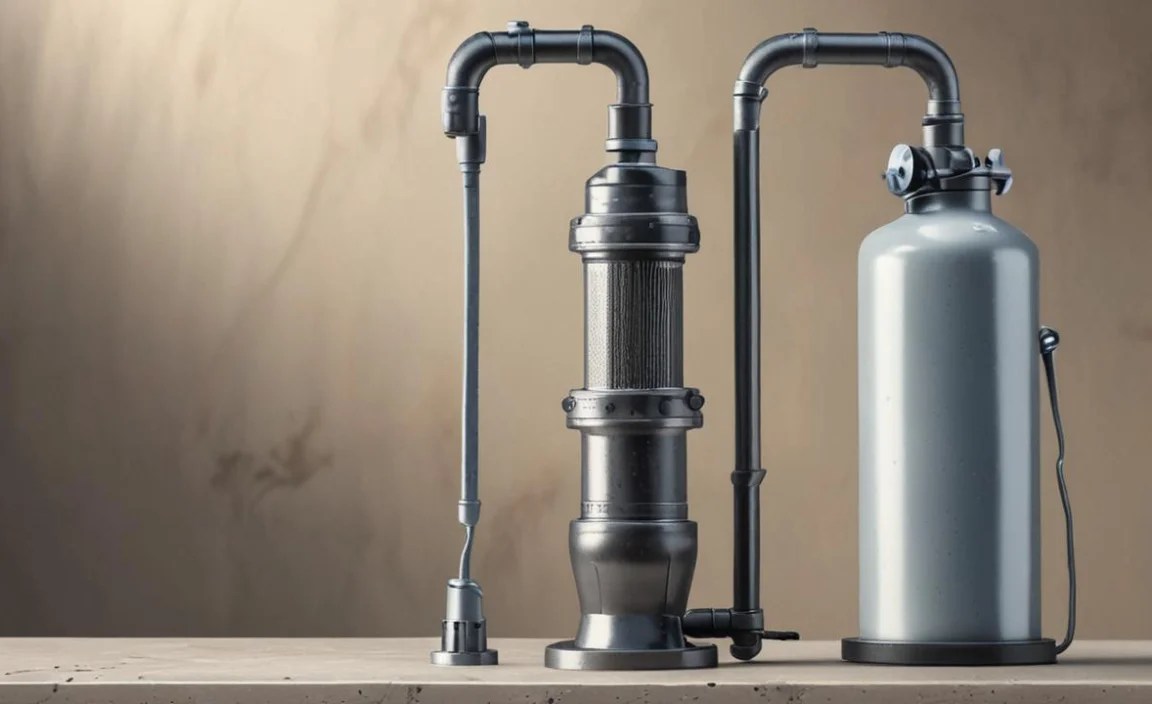
Prevention is always better than cure. Here are some tips to keep your well pump in good working order:
- Regular Inspections: Schedule regular inspections of your well and pump system by a qualified professional. This can help catch potential problems early.
- Water Testing: Test your well water regularly to ensure it’s free from contaminants. This is especially important if you live near agricultural areas or industrial sites.
- Sediment Filter: Install a sediment filter to prevent debris from entering your plumbing system. Replace the filter regularly according to the manufacturer’s instructions.
- Avoid Overuse: Be mindful of your water usage, especially during peak times. Overusing your well can strain the pump and lead to premature failure.
When to Call a Professional
While cycling your well pump is a simple task, some issues require professional attention. Here are some signs that it’s time to call in the experts:
- Persistent Low Water Pressure: If cycling the pump doesn’t improve water pressure, there may be a more significant problem with the well or pump system.
- Contaminated Water: If your water tests positive for harmful bacteria or chemicals, it’s essential to have the well professionally cleaned and disinfected.
- Pump Failure: If the pump completely fails or is making unusual noises, it’s time to call a professional for repairs or replacement.
- Electrical Issues: If you suspect any electrical problems with the pump or wiring, it’s crucial to contact a qualified electrician to avoid potential hazards.
Understanding Well Pump Types
Different types of well pumps exist, and understanding which one you have can help you troubleshoot issues more effectively.
- Submersible Pumps: These pumps are submerged in the well and push water to the surface. They are generally more efficient and reliable than jet pumps.
- Jet Pumps: These pumps are located above ground and use suction to draw water from the well. They are less efficient and more prone to cavitation issues.
- Centrifugal Pumps: These pumps use a rotating impeller to move water. They are commonly used for shallow wells and booster pump applications.
Cost Considerations for Well Pump Maintenance
Maintaining a well pump involves various costs, from simple DIY tasks to professional services. Here’s a breakdown of what you might expect:
| Service | Average Cost | Description |
|---|---|---|
| DIY Cycling | $0 – $10 | Cost of electricity and minor tools (if needed). |
| Water Testing | $50 – $200 | Professional water quality analysis for contaminants. |
| Sediment Filter Replacement | $20 – $50 | Cost of a new filter and replacement labor (if not DIY). |
| Professional Inspection | $150 – $500 | Comprehensive check of well and pump system. |
| Pump Repair | $300 – $1000+ | Repairing or replacing components of the pump. |
| Pump Replacement | $800 – $3000+ | Replacing the entire well pump system. |
Environmental Considerations
When maintaining your well pump, it’s important to consider the environmental impact. Here are some guidelines:
- Water Conservation: Avoid excessive water usage during cycling to conserve water resources. Consider collecting the flushed water for non-potable uses like watering plants.
- Proper Disposal: Dispose of old filters and pump components responsibly. Check with your local waste management for guidelines on hazardous waste disposal.
- Chemical Use: Minimize the use of chemicals for well cleaning. Opt for eco-friendly alternatives and follow recommended guidelines to prevent water contamination.
- Erosion Control: Ensure that the area around the well is protected from erosion. Plant vegetation to stabilize the soil and prevent sediment from entering the well.
DIY vs. Professional Services: Making the Right Choice
Deciding whether to tackle well pump maintenance yourself or hire a professional depends on the complexity of the task and your comfort level. Here’s a comparison to help you decide:
| Task | DIY Considerations | Professional Considerations |
|---|---|---|
| Cycling the Pump | Simple, requires basic tools, and can be done with minimal experience. | May be preferred for those uncomfortable with electrical work or unsure of the process. |
| Water Testing | DIY kits are available, but professional testing provides more accurate and comprehensive results. | Ensures accurate results and compliance with local regulations. |
| Filter Replacement | Straightforward, requires basic plumbing skills. | Useful if you encounter issues like frozen pipes or have difficulty accessing the filter.</td |
| Pump Repair | Complex, requires specialized tools and knowledge of electrical and plumbing systems. | Recommended to ensure safety and proper repair, preventing further damage. |
| Pump Replacement | Very complex, requires significant expertise and heavy lifting. Can be dangerous without proper training. | Essential to ensure correct installation, optimal performance, and warranty coverage. |
FAQ: Cycling Well Water Pumps
Why is my well water pump cycling on and off rapidly?
Rapid cycling, also known as short cycling, often indicates a problem with the pressure tank. It could be waterlogged, have insufficient air charge, or be the wrong size for your system. This can cause the pump to switch on and off too frequently, leading to premature wear. Check the air pressure in your tank and consult a professional if needed.
How often should I cycle my well water pump?
You should cycle your well water pump whenever you notice signs of air or sediment buildup, such as sputtering faucets, reduced water pressure, or cloudy water. A good practice is to do it every 6-12 months as part of your routine maintenance. Regular cycling helps keep the system clean and efficient.
Can cycling my well water pump damage it?
When done correctly, cycling your well water pump should not damage it. However, excessive or unnecessary cycling can put extra strain on the pump. Only cycle the pump when you observe signs of air or sediment. If issues persist, consult a professional to diagnose the underlying problem.
What does it mean when my well water is brown after cycling the pump?
Brown water after cycling the pump usually indicates that sediment and rust have been stirred up from the bottom of the well. This is common, especially if the well hasn’t been used for a while or if there’s been recent disturbance. Let the water run until it clears. If the problem persists, consider having your well professionally cleaned.
How long should I let the water run when cycling the pump?
Let the water run until it becomes clear and free of air bubbles. This may take a few minutes to several minutes, depending on the amount of sediment and air in the system. Monitor the water quality and continue running it until you see a noticeable improvement. Don’t forget to conserve water during the process.
Is it normal for my well pump to make noise when it cycles?
It’s normal for a well pump to make some noise when it starts and stops. However, loud or unusual noises, such as grinding, squealing, or banging, could indicate a problem. Investigate the source of the noise and consult a professional if you’re concerned. Early detection can prevent costly repairs.
Can I use this method for all types of well pumps?
Yes, the basic method of cycling a well water pump by turning it on and off can be used for most types of well pumps, including submersible and jet pumps. However, always refer to the manufacturer’s instructions for your specific pump model for any specific recommendations or precautions. If you’re unsure, consult a qualified well pump technician.
Conclusion
Cycling your well water pump is a straightforward yet effective way to maintain your water system’s health. By following these steps, you can remove sediment and air, improve water pressure, and extend the life of your pump. Remember to monitor your pump regularly and address any issues promptly. If you encounter problems beyond your comfort level, don’t hesitate to call a professional. With a little care and attention, you can keep your well water system running smoothly for years to come. So, grab your tools, follow these steps, and enjoy the peace of mind that comes with a well-maintained water supply!


