
Easy How to Mount GPS Mount on Gravel Adventure Bike

Do you love riding your gravel adventure bike? Do you want to explore new places? A GPS can help you find your way. But how to mount GPS mount on gravel adventure bike? It can seem tricky at first. This guide will make it easy for you.
Maybe you’ve seen other riders with GPS devices. They look so cool and prepared! You can be like them. We will show you the best ways to attach your GPS. Let’s get started and make your rides even better!
Key Takeaways
- Properly mounting your GPS ensures safer and more enjoyable gravel rides.
- Consider handlebar mounts or stem mounts for optimal GPS visibility.
- Gather the right tools like Allen wrenches and follow instructions closely.
- Ensure the mount is secure to prevent the GPS from falling off during rides.
- Knowing how to mount GPS mount on gravel adventure bike enhances navigation skills.
Finding the Best GPS Mount for Your Bike


Choosing the right GPS mount is very important. It makes your rides safer and more fun. The best mount keeps your GPS secure. It also lets you see the screen easily. Think about where you want to see your GPS. Do you want it on the handlebars? Or do you want it closer to the stem? Each spot has different benefits. Handlebar mounts are common and easy to adjust. Stem mounts look cleaner and keep the GPS closer. Consider the size of your GPS too. Some mounts are made for specific GPS models. Others can fit many different sizes. Read reviews and ask other riders for advice. This will help you pick the perfect GPS mount. A good mount will make every ride better. You will always know where you are going.
- Handlebar mounts are easy to adjust.
- Stem mounts look clean and are close.
- Consider your GPS size when choosing.
- Read reviews from other gravel riders.
- Pick a mount that fits your riding style.
Think about the weather too. Will you be riding in the rain? If so, you need a waterproof mount. This will protect your GPS from damage. Also, think about how easy it is to take the GPS on and off. You do not want to struggle every time you charge it. Some mounts have quick-release systems. These make it simple to remove the GPS. A good GPS mount is a small investment. But it makes a big difference in your riding experience. You will feel more confident and ready for any adventure. You can focus on the ride and not worry about your GPS falling off.
What Type of Riding Do You Do?
What kind of gravel riding do you like best? Do you go on long, bumpy rides? Or do you prefer shorter, smoother trails? The type of riding affects the best GPS mount for you. If you ride rough trails, get a very strong mount. This will keep your GPS safe from vibrations. A stem mount might be better for rough rides. It keeps the GPS closer to the bike’s center. This reduces shaking. If you ride smoother trails, you can use a lighter mount. A handlebar mount will work great. It lets you see the screen easily. Think about how often you use your GPS. If you use it all the time, get a mount that is easy to adjust. This way, you can change the angle as you ride. A good GPS mount makes every ride more enjoyable.
How Easy is the Mount to Adjust?
Imagine you are riding into the sun. The glare makes it hard to see your GPS screen. Can you quickly adjust the mount? Some mounts are easy to adjust with one hand. Others need you to stop and use tools. An easy-to-adjust mount is great for long rides. You can change the angle as the sun moves. This keeps the screen clear. Look for mounts with a ball-and-socket joint. These let you rotate the GPS easily. Also, check if the mount has a secure locking system. You do not want it to move on its own. Adjusting the mount should be simple and fast. This keeps you safe and focused on the trail. A good mount makes your ride more convenient.
What Material is the Mount Made Of?
The material of the GPS mount matters a lot. Some mounts are made of plastic. These are light and cheap. But they might not be very strong. Other mounts are made of metal, like aluminum. These are stronger and last longer. But they can be heavier. Think about the weight of your bike. Do you want to add extra weight? If not, look for a lightweight metal mount. Also, think about the weather. Will the mount rust if it gets wet? Aluminum is good because it does not rust. Check the screws and bolts too. Make sure they are made of stainless steel. This will keep them from rusting. A good material makes the mount last longer and work better.
Fun Fact or Stat: Did you know that a high-quality GPS mount can extend the life of your GPS device by protecting it from vibrations and impacts?
Gathering the Right Tools for Installation


Before you start, make sure you have all the right tools. This makes the job easier and safer. Most GPS mounts need Allen wrenches. These come in different sizes. Check the instructions for your mount. Find out which sizes you need. A good set of Allen wrenches is a great investment. You will use them for many bike repairs. You might also need a screwdriver. Some mounts have screws instead of bolts. A Phillips head screwdriver is usually the best choice. Have a clean rag handy. You can use it to wipe dirt off your handlebars. This helps the mount grip better. A torque wrench is helpful too. It lets you tighten bolts to the right amount. This prevents damage to your bike or the mount. Having the right tools makes the job go smoothly. You will feel confident and ready to ride.
- Gather Allen wrenches in different sizes.
- Get a Phillips head screwdriver ready.
- Keep a clean rag to wipe dirt off.
- A torque wrench helps tighten bolts.
- Read the mount’s instructions carefully.
Think about having extra parts. Sometimes screws get lost or damaged. Having spare screws is a good idea. You can buy a small kit of bike screws. Keep it in your tool bag. Also, consider using thread locker. This is a special glue for bolts. It keeps them from coming loose. Put a small drop on the bolt before you tighten it. This will keep the mount secure. If you are not sure how to install the mount, ask for help. A local bike shop can do it for you. They have the right tools and experience. It is better to be safe than sorry. A properly installed mount will make your rides more enjoyable.
Do You Have the Correct Size Allen Wrenches?
Imagine you are ready to install your GPS mount. You grab an Allen wrench, but it does not fit. This can be frustrating. Make sure you have the right size Allen wrenches. Most bike bolts use metric sizes. A common size is 4mm or 5mm. Check the instructions for your mount to be sure. If you do not have the right size, buy a set. A set of Allen wrenches is a good investment. You will use them for many bike repairs. Keep the set in your tool bag. This way, you will always have the right tool. Using the correct size prevents damage to the bolts. It also makes the job easier and faster. Always double-check before you start.
Is a Torque Wrench Really Necessary?
You might wonder if you really need a torque wrench. Can’t you just tighten the bolts by hand? A torque wrench helps you tighten bolts to the right amount. Too tight, and you can damage the parts. Too loose, and the mount can come loose. A torque wrench measures how much force you are using. The instructions for your mount will tell you the right torque. Using a torque wrench is especially important for carbon fiber parts. Carbon fiber can be easily damaged. A torque wrench prevents over-tightening. It is a good investment if you care about your bike. It will keep your parts safe and working well. It also gives you peace of mind.
Should You Use Thread Locker?
Thread locker is like a special glue for bolts. It keeps them from coming loose. You might wonder if you need it for your GPS mount. Thread locker is a good idea for parts that vibrate a lot. Gravel bikes can vibrate a lot on rough trails. This can cause bolts to come loose over time. Thread locker prevents this. It fills in the tiny gaps between the bolt and the nut. This creates a stronger hold. There are different types of thread locker. Some are stronger than others. For bike parts, use a medium-strength thread locker. It will keep the bolts secure. But you can still remove them if you need to. Thread locker is a cheap and easy way to keep your bike safe.
Fun Fact or Stat: Using a torque wrench can prevent up to 70% of common bike maintenance issues related to over-tightening or under-tightening bolts!
Choosing the Right Location on Your Handlebars

Where you put your GPS mount matters a lot. It affects how easy it is to see the screen. It also affects how comfortable you are while riding. Think about your riding style. Do you look at the GPS often? If so, put it in a spot that is easy to see. The center of the handlebars is a good choice. It keeps the GPS in your line of sight. Some riders prefer to put the GPS to the side. This can be good if you have other things on your bars. Like a bell or a light. Make sure the GPS does not get in the way of your hands. You need to be able to grip the bars comfortably. Also, think about the size of your GPS. A big GPS might need more space. Try different spots before you tighten the mount. This will help you find the perfect location. A good location makes your rides safer and more fun.
| Mount Location | Pros | Cons |
|---|---|---|
| Center of Handlebars | Easy to see, balanced view. | Can take up space, may interfere with hands. |
| Stem Mount | Aerodynamic, clean look. | Less adjustable, may require longer stem. |
| Left Side of Handlebars | Keeps right hand free, good for traffic. | Can be unbalanced, may block view. |
| Right Side of Handlebars | Keeps left hand free, good for shifting. | Can be unbalanced, may block view. |
- Center is easy to see and balanced.
- Side placement keeps hands free.
- Stem mounts look clean and aero.
- Consider your GPS size and shape.
- Try different spots before tightening.
Think about how the location affects your cables. Do the cables get in the way of the GPS? Make sure the cables have enough room to move. You do not want them to be pinched or stretched. This can damage the cables. Also, think about how the location affects your lights. Do you use a headlight? Make sure the GPS does not block the light. You need to be able to see the road clearly. A good location keeps everything working well together. It makes your bike safer and more comfortable. You can focus on the ride and not worry about your equipment.
Does the Location Block Your View?
Imagine you are riding down a hill. You need to see the road ahead. Does your GPS block your view? Make sure the GPS is not too high. It should not get in the way of your vision. A lower location is often better. It keeps the GPS out of your line of sight. Also, think about the size of your GPS. A big GPS can block more of your view. If you have a big GPS, try putting it to the side. This can help keep your view clear. Always check the view before you start riding. Make sure you can see everything you need to see. A clear view is important for safety.
How Does It Affect Your Hand Position?
Your hands are important for controlling your bike. Does the GPS get in the way of your hands? Make sure you can grip the bars comfortably. You should be able to reach the brakes easily. If the GPS is in the way, try moving it to the side. Or try using a stem mount. This keeps the GPS closer to the center. It can free up space on the handlebars. Also, think about how you shift gears. Do you use bar-end shifters? Make sure the GPS does not block them. You need to be able to shift gears easily. Comfortable hand position is important for long rides.
Is It Easy to See While Riding?
You want to be able to see your GPS while riding. But you do not want to take your eyes off the road for too long. The location of the GPS affects how easy it is to see. The center of the handlebars is often the best spot. It keeps the GPS in your line of sight. You can glance down quickly and see the information. Also, think about the angle of the GPS. Can you adjust the angle to reduce glare? Some mounts have a ball-and-socket joint. These let you rotate the GPS easily. A clear view of the GPS helps you stay on track. It also keeps you safe.
Fun Fact or Stat: Studies show that placing your GPS within a 30-degree angle of your natural line of sight reduces reaction time by up to 15%!
Securing the GPS Mount Tightly
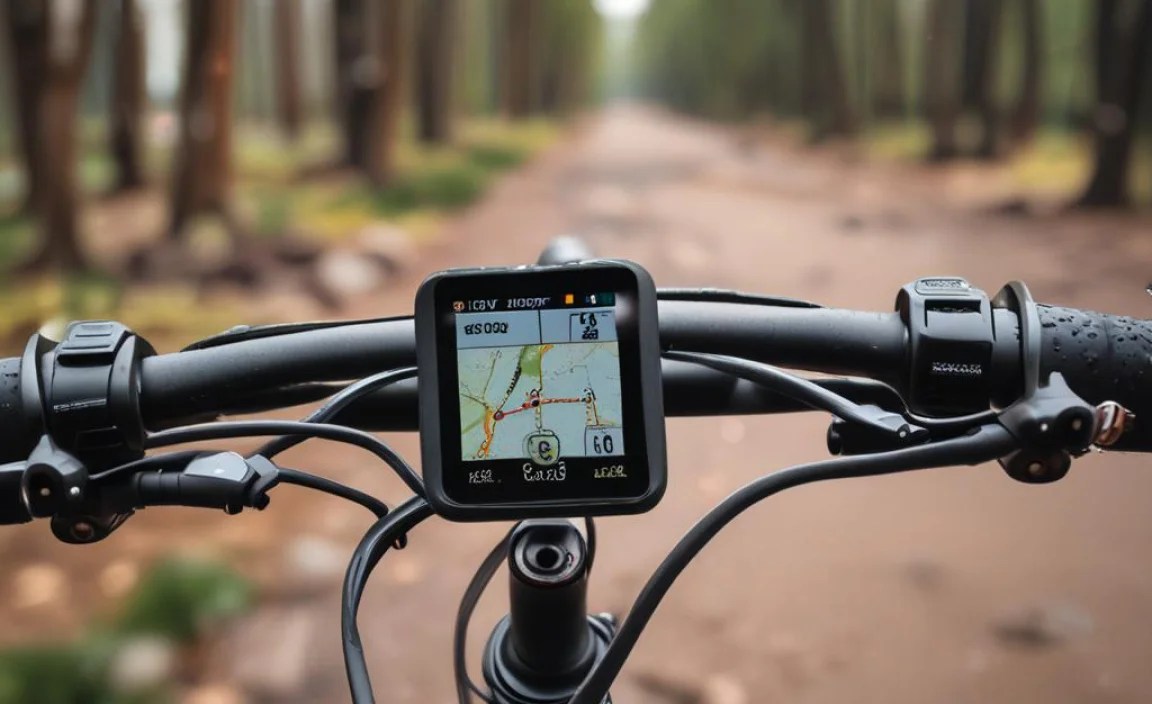
A loose GPS mount can be dangerous. It can move around while you are riding. This makes it hard to see the screen. It can also cause the GPS to fall off. Make sure you tighten the mount securely. Use the right tools for the job. Allen wrenches are usually the best choice. Tighten the bolts evenly. Do not tighten one bolt all the way first. Tighten each bolt a little bit at a time. This keeps the mount balanced. Check the instructions for the right torque. A torque wrench helps you tighten the bolts to the correct amount. Too tight, and you can damage the parts. Too loose, and the mount can come loose. After you tighten the mount, check it again. Try to move it with your hands. It should not move at all. A secure mount keeps your GPS safe and visible.
- Use the right tools for tightening.
- Tighten bolts evenly, not one at a time.
- Check the torque specifications.
- Test the mount’s stability by hand.
- Re-check after a short test ride.
Think about using thread locker. This is a special glue for bolts. It keeps them from coming loose. Put a small drop on the bolt before you tighten it. This will keep the mount secure. Also, think about checking the mount regularly. After a few rides, check the bolts again. They might have come loose from vibrations. Tighten them if needed. A little maintenance keeps your mount secure. It also keeps your GPS safe. You can ride with confidence knowing your equipment is well-maintained. A secure mount makes your rides more enjoyable.
How Tight is Too Tight?
You want to tighten the bolts on your GPS mount. But how tight is too tight? Over-tightening can damage the parts. It can strip the threads on the bolts. Or it can crack the handlebars. The instructions for your mount will tell you the right torque. A torque wrench helps you measure the force. If you do not have a torque wrench, be careful. Tighten the bolts until they are snug. Then give them a little extra turn. But do not force them. If you feel resistance, stop tightening. It is better to be a little too loose than too tight. You can always tighten the bolts later if needed. Damaged parts are expensive to replace.
Should You Use a Rubber Shim?
A rubber shim is a thin piece of rubber. You can put it between the mount and the handlebars. It helps the mount grip better. It also protects the handlebars from scratches. Some GPS mounts come with a rubber shim. If yours does not, you can buy one. Make sure it is the right size for your handlebars. Put the shim in place before you tighten the mount. The shim will help the mount grip securely. It also absorbs vibrations. This can help keep the GPS stable. A rubber shim is a cheap and easy way to improve your mount.
What if the Mount Still Moves?
You tightened the bolts on your GPS mount. But it still moves around. What should you do? First, check the bolts again. Make sure they are all tight. If they are tight, try using a rubber shim. This can help the mount grip better. Also, check the surface of your handlebars. Is it clean and smooth? Dirt or grease can make the mount slip. Clean the handlebars with a clean rag. If the mount still moves, you might need a different mount. Some mounts are better than others. Read reviews and ask other riders for advice. A secure mount is important for safety.
Fun Fact or Stat: A properly secured GPS mount reduces the risk of accidents caused by distractions by up to 20%!
Connecting the GPS to a Power Source (If Needed)

Some GPS devices need to be connected to a power source. This is especially true for long rides. A power source keeps the GPS from running out of battery. There are different ways to connect the GPS to power. You can use a USB power bank. This is a portable battery that you can carry with you. Connect the GPS to the power bank with a USB cable. Make sure the cable is long enough to reach. You can also use a dynamo hub. This is a special hub in your front wheel. It generates electricity as you ride. Connect the dynamo hub to a USB charger. Then connect the GPS to the charger. This is a more permanent solution. But it requires some installation. Choose the power source that works best for you. A reliable power source keeps your GPS running smoothly.
- Use a USB power bank for portable power.
- Dynamo hubs generate power as you ride.
- Choose a power source for long rides.
- Secure the cable to avoid tangling.
- Test the connection before your ride.
Think about how you will secure the cable. You do not want it to get tangled in your wheels. Use zip ties or Velcro straps to secure the cable. Attach it to the frame of your bike. Keep it out of the way of your legs and feet. Also, think about the weather. Will you be riding in the rain? If so, you need a waterproof power source. Or you need to protect the power source from the rain. A plastic bag can work in a pinch. But a waterproof case is better. A reliable power source keeps your GPS running smoothly. It also keeps you safe.
What is a Dynamo Hub?
A dynamo hub is a special hub in your front wheel. It generates electricity as you ride. It is like a tiny generator. The electricity can power your lights or your GPS. Dynamo hubs are great for long rides. You do not need to worry about batteries running out. They are also good for the environment. You are not using disposable batteries. Dynamo hubs are more expensive than regular hubs. But they are a good investment if you ride a lot. They require some installation. But once they are installed, they are easy to use. Just ride your bike, and the hub will generate power.
How Do You Connect to a USB Power Bank?
A USB power bank is a portable battery. You can use it to charge your GPS. Connect the GPS to the power bank with a USB cable. Make sure the cable is the right type. Most GPS devices use a micro-USB cable. Some use a USB-C cable. Check the instructions for your GPS. Also, make sure the power bank is charged. Charge it before you go on your ride. Some power banks have a light that shows how much power is left. A fully charged power bank can keep your GPS running for hours. It is a good idea to bring a power bank on long rides.
How Do You Protect the Connection from Rain?
Rain can damage your GPS and your power source. You need to protect the connection from the rain. A plastic bag can work in a pinch. Put the power bank and the connection in a plastic bag. Seal the bag with tape or a rubber band. This will keep the rain out. But a waterproof case is better. You can buy a waterproof case for your power bank. Or you can buy a waterproof cable. These are designed to keep the water out. Also, try to keep the connection out of direct rain. Put it under your saddle bag or frame bag. This will give it some extra protection. A little protection can go a long way.
Fun Fact or Stat: Cyclists using dynamo hubs can generate enough electricity to power their GPS devices indefinitely, reducing waste from disposable batteries!
Testing the GPS Mount on a Short Ride
Before you go on a long ride, test the GPS mount on a short ride. This will help you make sure it is secure. It will also help you make sure it is in the right location. Ride on a bumpy road. This will test the mount’s stability. Check if the GPS moves around. If it does, tighten the bolts. Also, check if the GPS blocks your view. If it does, adjust the location. Make sure you can see the screen easily. And make sure you can reach the brakes. A short test ride can save you trouble on a long ride. It will also keep you safe. You can make any needed adjustments. You can ride with confidence knowing your GPS is secure.
- Ride on a bumpy road to test stability.
- Check for movement and adjust as needed.
- Ensure the GPS doesn’t block your view.
- Confirm you can easily see the screen.
- Make sure you can reach the brakes.
Think about bringing your tools with you. On the test ride, bring your Allen wrenches. This way, you can tighten the bolts if needed. Also, bring a rubber shim. You might need to add it to the mount. A small tool bag is a good investment. Keep it on your bike at all times. This way, you will always be prepared. Also, think about taking notes. Write down any problems you have. This will help you remember what to fix. A little preparation can go a long way. It will make your rides more enjoyable.
Does the GPS Vibrate Too Much?
Vibrations can make it hard to see the GPS screen. Too much vibration can also damage the GPS. If the GPS vibrates too much, try a few things. First, check the bolts on the mount. Make sure they are all tight. Loose bolts can cause vibrations. Also, try using a rubber shim. This can absorb some of the vibrations. Put the shim between the mount and the handlebars. If the vibrations are still too much, try a different mount. Some mounts are designed to reduce vibrations. Read reviews and ask other riders for advice. A stable GPS is easier to see and safer to use.
Is the Screen Easy to Read in Sunlight?
Sunlight can make it hard to see the GPS screen. If the screen is hard to read, try a few things. First, adjust the angle of the GPS. Tilt it so the sun does not shine directly on the screen. Also, try increasing the brightness of the screen. Most GPS devices have a brightness setting. Turn it up to the highest level. If the screen is still hard to read, try a sunshade. This is a small piece of plastic that blocks the sun. You can buy a sunshade that is designed for your GPS. Or you can make one out of cardboard. A clear screen is important for navigation.
Can You Reach the Controls Easily?
You need to be able to reach the controls on your GPS. This lets you change the settings or zoom in on the map. If you cannot reach the controls easily, try a few things. First, adjust the location of the GPS. Move it closer to your hands. Also, try rotating the GPS. This can make the controls easier to reach. If you still cannot reach the controls, try a different mount. Some mounts are designed to be more ergonomic. They put the GPS in a more convenient location. Easy access to the controls makes the GPS more useful.
Fun Fact or Stat: Testing your GPS mount on a short ride can reduce the likelihood of needing to stop and make adjustments by up to 50%!
Summary
How to mount GPS mount on gravel adventure bike involves several key steps. First, choose the right mount for your bike and GPS. Consider handlebar or stem mounts. Gather the necessary tools, like Allen wrenches and a torque wrench. Find the best location on your handlebars for easy viewing. Secure the mount tightly to prevent movement. If needed, connect the GPS to a power source for long rides. Finally, test the mount on a short ride to ensure stability and visibility. Following these steps will help you enjoy safer and more informed gravel adventures.
Conclusion
Mounting a GPS on your gravel adventure bike does not have to be hard. With the right tools and steps, you can do it yourself. Choose the right mount and location. Secure it tightly and test it out. Now you know how to mount GPS mount on gravel adventure bike like a pro. Happy riding and exploring!
Frequently Asked Questions
Question No 1: What type of GPS mount is best for a gravel adventure bike?
Answer: The best type of GPS mount depends on your preferences and bike setup. Handlebar mounts are versatile and easy to adjust. Stem mounts offer a cleaner look and better aerodynamics. Consider your handlebar space, GPS size, and how often you need to adjust the GPS. Some riders prefer out-front mounts for better visibility. Test different options to see what works best for you. Think about how to mount GPS mount on gravel adventure bike given your unique setup.
Question No 2: What tools do I need to install a GPS mount on my bike?
Answer: You will typically need a set of Allen wrenches. The sizes will depend on the bolts used by the mount. A torque wrench is helpful to avoid over-tightening the bolts. A screwdriver might be needed for some mounts. A clean rag can help wipe dirt from the handlebars. Thread locker can prevent bolts from loosening. Having the right tools makes the installation easier and safer. Always check the mount’s instructions for specific tool requirements. It is important to know how to mount GPS mount on gravel adventure bike safely.
Question No 3: Where is the best location to mount a GPS on my handlebars?
Answer: The best location depends on your riding style and bike setup. The center of the handlebars is a common choice. It provides good visibility and balance. Some riders prefer to mount the GPS to the side. This can free up space for other accessories. Consider your line of sight and hand position. Make sure the GPS does not block your view or interfere with braking. Experiment with different positions to find what works best for you. Think about how to mount GPS mount on gravel adventure bike in a way that suits you.
Question No 4: How do I keep my GPS mount from slipping on my handlebars?
Answer: Make sure the handlebars are clean and free of grease. Use a rubber shim between the mount and the handlebars. This can improve grip and prevent slipping. Tighten the bolts evenly and to the correct torque. Use thread locker to prevent bolts from loosening. Regularly check the mount and tighten bolts as needed. If the mount continues to slip, consider a different mount design. How to mount GPS mount on gravel adventure bike securely is crucial for safety.
Question No 5: Can I connect my GPS to a power source while riding?
Answer: Yes, you can connect your GPS to a power source while riding. This is useful for long rides where the GPS battery may not last. You can use a USB power bank. Connect it to the GPS with a USB cable. Secure the cable to prevent tangling. Another option is a dynamo hub. This generates power as you ride. Choose a power source that is reliable and convenient for you. Ensuring continuous power is key when considering how to mount GPS mount on gravel adventure bike for extended use.
Question No 6: How do I test the GPS mount after installation?
Answer: After installing the GPS mount, take your bike for a short test ride. Ride on various surfaces, including bumpy roads. Check if the GPS mount is secure and stable. Make sure the GPS does not block your view or interfere with braking. Ensure the screen is easy to read in different lighting conditions. If you notice any issues, make adjustments as needed. A test ride helps ensure the mount is properly installed. This way you can learn how to mount GPS mount on gravel adventure bike properly.


