
How to Stop Water Pump Short Cycling Easy Fix!

Quick Summary: Short cycling happens when your water pump turns on and off too frequently. To stop it, first check for leaks in your plumbing and well components. Adjust your pressure switch settings to widen the pressure range. If problems persist, consider adding a larger pressure tank or installing a Cycle Stop Valve to maintain consistent pressure and extend your pump’s life.
Is your water pump driving you crazy by turning on and off every few seconds? This annoying issue, known as “short cycling,” not only wastes energy but can also damage your pump over time. Imagine the frustration of inconsistent water pressure while you’re trying to enjoy a shower. The good news is that you can fix this!
In this guide, I’ll walk you through simple steps to diagnose and resolve short cycling in your water pump system. We’ll cover everything from identifying leaks to adjusting pressure settings and upgrading your equipment. Get ready to say goodbye to those annoying pressure fluctuations and hello to a smoothly running water system!
Understanding Water Pump Short Cycling


Before we dive into the solutions, let’s understand why short cycling occurs. A water pump is designed to maintain water pressure in your plumbing system. When you open a faucet, the pressure drops, signaling the pump to turn on and replenish the water supply. Once the pressure reaches a set level, the pump shuts off.
Short cycling happens when the pump turns on and off too rapidly. This can be due to several factors, but the most common culprits are:
- Leaks: Even small leaks can cause pressure to drop quickly, triggering the pump to turn on frequently.
- Incorrect Pressure Switch Settings: If the pressure switch is set too narrowly, the pump will cycle on and off more often.
- Small or Waterlogged Pressure Tank: A pressure tank stores water under pressure, reducing the need for the pump to turn on every time you use water. If it’s too small or waterlogged, it can’t do its job effectively.
- Well Issues: Low well yield or a faulty check valve can also contribute to short cycling.
Step 1: Identify and Fix Leaks


Leaks are a common cause of short cycling. Even a small drip can lead to a significant pressure drop over time. Here’s how to find and fix them:
- Check Faucets and Fixtures: Start by inspecting all faucets, showerheads, and toilets in your home. Look for any signs of dripping or moisture. Repair or replace any faulty fixtures.
- Inspect Plumbing Lines: Examine exposed pipes under sinks, in basements, and crawl spaces. Look for any signs of corrosion, leaks, or damage. Pay close attention to joints and connections.
- Check the Pressure Tank: Inspect the pressure tank for leaks or corrosion. Pay attention to the air valve, which is usually located at the top of the tank. If water comes out when you press the valve, the bladder inside the tank may be damaged. You may need to replace the tank.
- Examine the Well Components: Check the well casing for any signs of damage. If you have access to the well, inspect the pitless adapter (the connection point between the underground pipe and the well casing) for leaks.
- Listen for Running Water: Turn off all faucets and appliances that use water. Listen carefully for any sounds of running water. This can help you identify hidden leaks in walls or underground pipes.
- Check Irrigation Systems: If you have an irrigation system, inspect the sprinkler heads and underground lines for leaks. These systems can be a common source of water loss.
Once you’ve identified the leaks, repair them promptly. Small leaks can often be fixed with plumbing tape or pipe sealant. Larger leaks may require replacing sections of pipe or faulty fixtures. If you’re not comfortable doing the repairs yourself, hire a qualified plumber.
Step 2: Adjust the Pressure Switch Settings
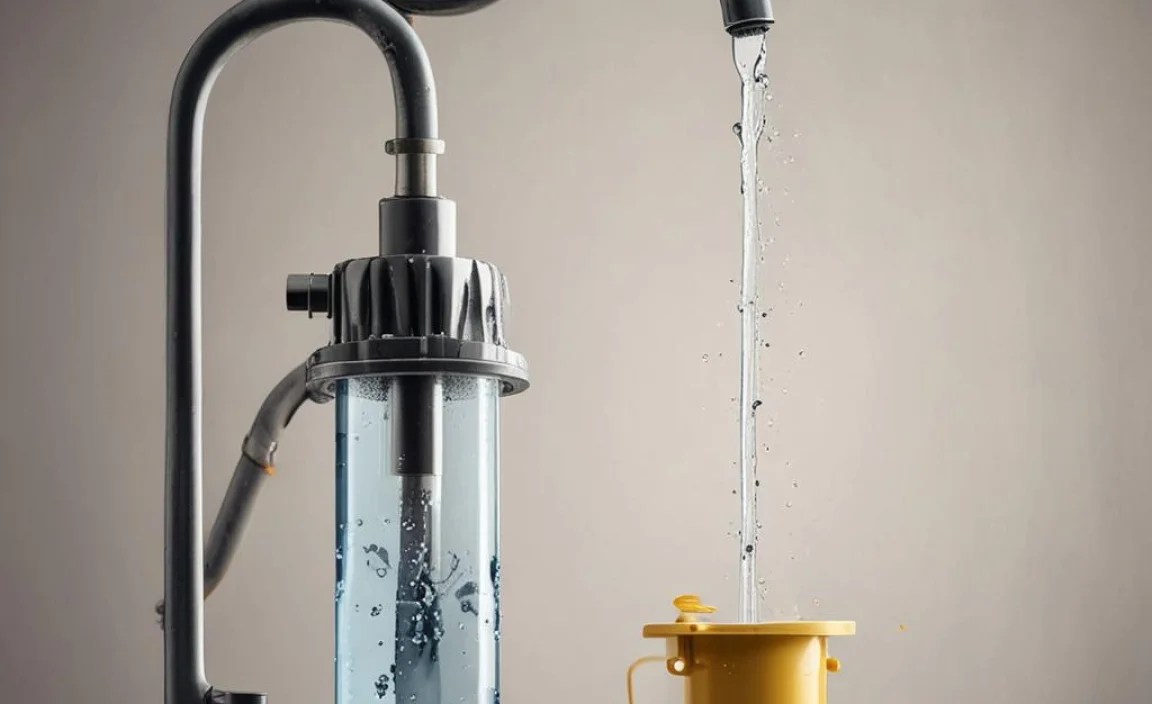
The pressure switch controls when your water pump turns on and off. It has two settings: the cut-in pressure (the pressure at which the pump turns on) and the cut-out pressure (the pressure at which the pump turns off). If these settings are too close together, the pump will short cycle.
Here’s how to adjust the pressure switch settings:
- Locate the Pressure Switch: The pressure switch is typically located near the pressure tank. It’s a small, box-shaped device with wires connected to it.
- Turn Off the Power: Before working on the pressure switch, turn off the power to the pump at the circuit breaker. This is a crucial safety step.
- Remove the Cover: Carefully remove the cover of the pressure switch. You may need a screwdriver to loosen the screws.
- Identify the Adjustment Nuts: Inside the pressure switch, you’ll see two adjustment nuts. One is for the overall pressure range, and the other is for the pressure differential (the difference between the cut-in and cut-out pressures). The larger nut typically adjusts the overall pressure range, while the smaller nut adjusts the differential.
- Adjust the Pressure Range: To increase the overall pressure range, turn the larger nut clockwise. This will raise both the cut-in and cut-out pressures. A typical setting is 30/50 psi (pump turns on at 30 psi and off at 50 psi).
- Adjust the Pressure Differential: To increase the pressure differential, turn the smaller nut clockwise. This will widen the gap between the cut-in and cut-out pressures. A wider differential helps prevent short cycling.
- Test the Settings: After making the adjustments, replace the cover and turn the power back on. Monitor the pump to see if it’s still short cycling. If necessary, make further adjustments until the pump cycles normally.
Here’s a table summarizing the typical pressure switch settings and their effects:
| Setting | Description | Effect on Pump Cycling |
|---|---|---|
| Cut-In Pressure | Pressure at which the pump turns on | Lower cut-in pressure can reduce short cycling, but too low may cause weak water pressure. |
| Cut-Out Pressure | Pressure at which the pump turns off | Higher cut-out pressure can improve water pressure, but excessive pressure can strain the system. |
| Pressure Differential | Difference between cut-in and cut-out pressures | Wider differential reduces short cycling by allowing more water to be drawn before the pump restarts. |
Step 3: Check and Recharge the Pressure Tank

The pressure tank is a crucial component in preventing short cycling. It stores water under pressure, providing a buffer that reduces the frequency of pump starts. Over time, the air charge in the tank can diminish, causing it to become waterlogged. This reduces its effectiveness and can lead to short cycling.
Here’s how to check and recharge the pressure tank:
- Turn Off the Pump: Turn off the power to the pump at the circuit breaker.
- Drain the Tank: Open a faucet in the house to relieve the water pressure. Let the water run until it stops completely. This ensures that the tank is empty.
- Check the Air Charge: Locate the air valve on the top of the tank. It looks like a tire valve. Use a tire pressure gauge to check the air pressure. The pressure should be 2 psi below the cut-in pressure of your pump. For example, if your pump’s cut-in pressure is 30 psi, the air pressure in the tank should be 28 psi.
- Recharge the Tank: If the air pressure is too low, use an air compressor to add air to the tank until it reaches the correct pressure. If water comes out of the air valve, the bladder inside the tank is likely damaged, and you’ll need to replace the tank.
- Restore the System: Close the faucet and turn the power back on to the pump. Allow the tank to fill with water. Monitor the pump to ensure it’s cycling normally.
Step 4: Consider a Larger Pressure Tank

If you’ve checked and recharged your pressure tank, but your pump is still short cycling, the tank may be too small for your household’s water demands. A larger pressure tank can store more water, reducing the frequency of pump starts and extending the life of your pump.
Here’s how to determine if you need a larger pressure tank:
- Assess Your Water Usage: Consider the number of people in your household and your typical water usage. Families with multiple bathrooms, frequent laundry use, or irrigation systems generally require larger pressure tanks.
- Calculate Tank Size: A general rule of thumb is to have at least 10 gallons of drawdown capacity (the amount of water that can be drawn from the tank between pump cycles) per person in the household. Consult with a plumbing professional to determine the optimal tank size for your specific needs.
- Choose the Right Tank: When selecting a new pressure tank, consider factors such as capacity, material (steel or composite), and warranty. Ensure that the tank is compatible with your pump and plumbing system.
- Install the New Tank: Turn off the power to the pump and drain the existing tank. Disconnect the plumbing connections and remove the old tank. Install the new tank, ensuring that all connections are secure and leak-free. Restore the system and monitor the pump for proper cycling.
Step 5: Install a Cycle Stop Valve
A Cycle Stop Valve (CSV) is a device that regulates the flow of water from the pump, maintaining a constant pressure in the system. It can significantly reduce short cycling, especially in situations where water demand is low. Unlike traditional pressure tanks, which store water, a CSV adjusts the pump’s output to match the water usage, preventing pressure fluctuations.
Here’s how a Cycle Stop Valve works and how to install it:
- How it Works: The CSV is installed in the main water line after the pump. When water is used, the valve senses the flow rate and adjusts the pump’s output to maintain a constant pressure. This eliminates the need for the pump to cycle on and off frequently, even when only a small amount of water is being used.
- Benefits of a CSV:
- Reduces short cycling
- Extends pump life
- Maintains constant water pressure
- Allows for smaller pressure tanks
Installation Steps:
- Turn Off the Power: Turn off the power to the pump at the circuit breaker.
- Drain the System: Open a faucet to relieve the water pressure and drain the system.
- Cut the Main Water Line: Cut the main water line after the pump, where you want to install the CSV.
- Install the CSV: Connect the CSV to the water line using appropriate fittings. Ensure that the valve is installed in the correct orientation, according to the manufacturer’s instructions.
- Install a Small Pressure Tank: A small pressure tank (2-5 gallons) is typically required after the CSV to provide a buffer for pressure fluctuations. Install the tank according to the manufacturer’s instructions.
- Restore the System: Close the faucet and turn the power back on to the pump. Allow the system to pressurize and check for leaks. Monitor the pump and CSV to ensure they are functioning correctly.
Here’s a comparison of pressure tanks and Cycle Stop Valves:
<
| Feature | Pressure Tank | Cycle Stop Valve |
|---|---|---|
| Function | Stores water under pressure to reduce pump starts | Regulates water flow to maintain constant pressure |
| Short Cycling Reduction | Effective if sized correctly and properly maintained | Highly effective, especially at low water usage |
| Maintenance | Requires periodic air charge checks and potential bladder replacement | Minimal maintenance required |
| Installation | Relatively simple to install | Requires more technical knowledge for proper installation |
| Cost | Lower initial cost | Higher initial cost but can save on pump maintenance in the long run |
Step 6: Check the Well and Check Valve
If you’ve tried the previous steps and your water pump is still short cycling, the problem may lie within the well itself. Low well yield or a faulty check valve can cause the pump to cycle on and off more frequently.
Here’s how to check the well and check valve:
- Low Well Yield:
- Symptoms: If your well’s water level drops quickly when the pump is running, it may have a low yield. This means the well can’t replenish water fast enough to meet your household’s demands.
- Solutions:
- Consider lowering the pump deeper into the well, but be cautious not to place it too close to the bottom, which can draw sediment.
- Implement water conservation measures to reduce water usage.
- Consult with a well drilling professional to explore options such as deepening the well or hydrofracking to increase the yield.
- Faulty Check Valve:
- Function: The check valve is a one-way valve that prevents water from flowing back into the well when the pump is off. It’s typically located above the pump in the well.
- Symptoms: If the check valve is faulty, water can leak back into the well, causing the pressure in the plumbing system to drop and the pump to short cycle.
- Testing the Check Valve:
- Turn off the pump and open a faucet. If water continues to flow for more than a few seconds, the check valve may be leaking.
- Listen for a gurgling sound in the well when the pump is off, which can indicate water flowing back into the well.
- Replacing the Check Valve: Replacing the check valve requires pulling the pump out of the well. This is a complex task that’s best left to a qualified well service technician. They can inspect the valve, replace it if necessary, and ensure that the pump is properly reinstalled.
FAQ: Troubleshooting Water Pump Short Cycling
Q: Why is my well pump turning on and off so quickly?
A: Rapid on-off cycling, or short cycling, usually indicates a loss of pressure in your system. Common causes include leaks, a waterlogged pressure tank, or a faulty pressure switch.
Q: How do I check my pressure tank?
A: First, turn off the pump and drain the tank. Then, check the air pressure at the Schrader valve (like on a tire). It should be about 2 psi below your pump’s cut-in pressure. If water comes out, the bladder is likely broken, and you need a new tank.
Q: Can a leaky toilet cause short cycling?
A: Yes! Even a slow, constant leak from a toilet can cause the pressure to drop enough to trigger the pump frequently. Check your toilets for leaks by adding food coloring to the tank and seeing if it seeps into the bowl.
Q: What should my pressure switch settings be?
A: A common setting is 30/50 psi, meaning the pump turns on at 30 psi and off at 50 psi. Adjust the differential (the space between these numbers) to be wide enough to prevent rapid cycling, usually around 20 psi.
Q: Is it hard to install a Cycle Stop Valve myself?
A: Installing a CSV involves cutting into your main water line and requires some plumbing knowledge. If you’re comfortable with basic plumbing, you can do it yourself. If not, it’s best to hire a professional to ensure it’s done correctly.
Q: How do I know if my well has a low yield?
A: If your water pressure drops dramatically after running water for a short time, or if the pump frequently runs dry, your well might have a low yield. Contacting a well service company can help assess the well’s output.
Q: What if I can’t find the leak causing the issue?
A: If you suspect a hidden leak, turn off all known water sources and monitor your water meter. If it’s still moving, you likely have a leak somewhere. A professional plumber can use specialized equipment to locate hidden leaks within walls or underground pipes.
Conclusion
Dealing with a short cycling water pump can be frustrating, but with a systematic approach, you can often resolve the issue yourself. Start by checking for leaks and adjusting the pressure switch settings. Ensure your pressure tank is properly charged and consider upgrading to a larger tank or installing a Cycle Stop Valve if necessary. Don’t forget to inspect your well and check valve for any issues.
By following these steps, you can improve your water pressure, extend the life of your pump, and enjoy a more reliable water system. If you encounter any challenges or are unsure about performing any of these tasks, don’t hesitate to consult with a qualified plumber or well service technician. They can provide expert advice and ensure that your water system is functioning safely and efficiently. Happy cycling… and happy plumbing!


