
How to Make Presta Adapter for Hose: Easy DIY!

Quick Summary: Need to inflate your Presta valve tires with a Schrader pump hose? You can easily make a Presta adapter using a few common items. Simply disassemble an old ballpoint pen, use the pen tube as a sleeve, and secure the Presta valve inside with a rubber band or tape. This homemade adapter will let you connect to standard pump hoses for quick and easy inflation.
Ever found yourself stranded with a flat tire and a pump that just won’t fit your Presta valve? It’s a common frustration for cyclists. Presta valves, with their slender design, are great for high-pressure tires, but they require a specific adapter to work with standard Schrader pump hoses. Buying an adapter is an option, but what if you need one *now*?
In this guide, I’ll show you how to quickly craft a Presta adapter using everyday items. No need to run to the bike shop – you can solve this problem with a simple DIY solution. We’ll cover everything step-by-step, so you can get back on the road in no time.
Understanding Presta vs. Schrader Valves

Before diving into the DIY adapter, let’s quickly clarify the difference between Presta and Schrader valves. This will help you understand why an adapter is even necessary.
Presta Valves
- Design: Narrower than Schrader valves, typically found on higher-end bikes.
- Function: Feature a valve core that needs to be unlocked by unscrewing a small nut at the tip before inflation.
- Advantages: Better for high-pressure tires, lighter, and some cyclists believe they seal better.
Schrader Valves
- Design: Wider, more robust, and commonly found on cars and lower-end bikes.
- Function: Feature a spring-loaded valve core that depresses when the pump nozzle is pressed against it.
- Advantages: More common, compatible with gas station air compressors, and generally more durable.
The key difference is the size and mechanism. Schrader pumps are designed to press against the wider Schrader valve, while Presta valves require a more precise fit. That’s where the adapter comes in.
Materials You’ll Need
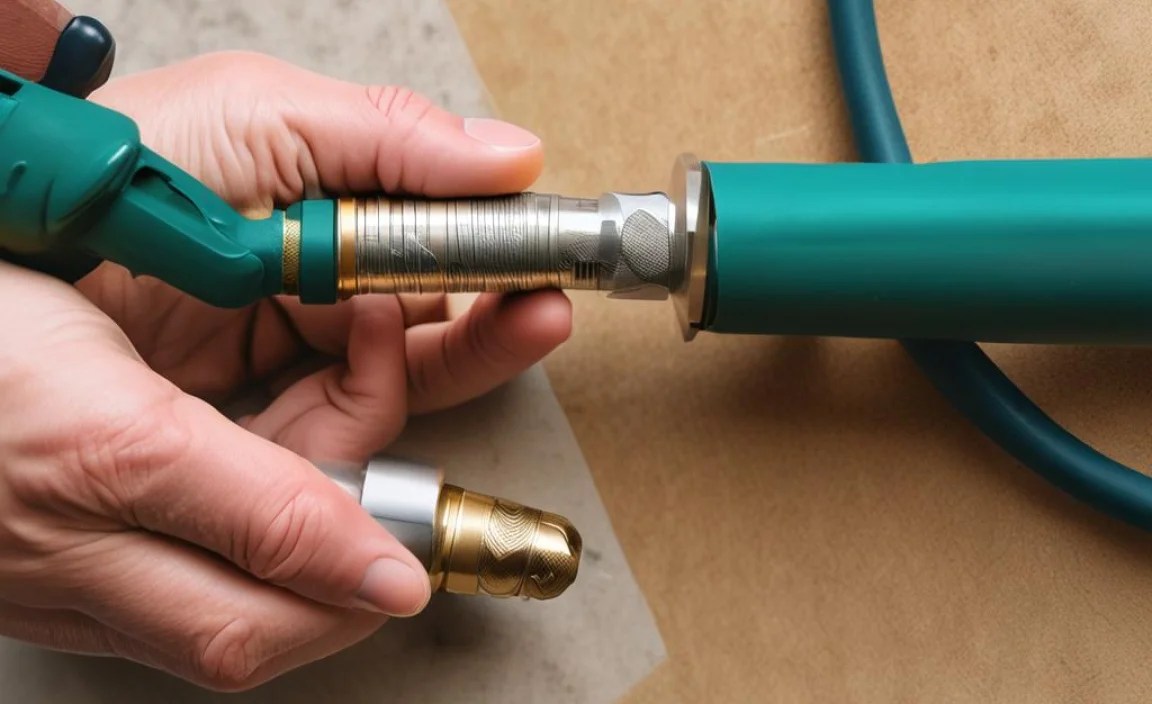
The beauty of this DIY adapter is that you likely have everything you need lying around the house. Here’s a quick list:
- An old ballpoint pen: The barrel will serve as the adapter’s main body.
- A rubber band or tape: To secure the Presta valve within the adapter. Electrical tape or duct tape works best.
- Scissors or a craft knife: For cutting and trimming the pen barrel.
That’s it! With these simple items, you’re ready to start crafting your Presta adapter.
Step-by-Step Guide to Making a Presta Adapter

Follow these steps carefully to create a functional Presta adapter.
Step 1: Disassemble the Ballpoint Pen
Start by taking apart the ballpoint pen. Remove the ink cartridge, the tip, and any other internal components. You should be left with the hollow plastic barrel of the pen.
Step 2: Cut the Pen Barrel to Size
Using scissors or a craft knife, cut the pen barrel to a length of about 1.5 to 2 inches (approximately 4-5 cm). This length provides enough space to securely hold the Presta valve and connect to the pump hose.
Safety Note: If using a craft knife, always cut on a protected surface and away from your body. Be careful to avoid any injuries.
Step 3: Prepare the Presta Valve
Make sure the Presta valve on your bike tire is unlocked by unscrewing the small nut at the tip. This allows air to flow freely when you connect the pump.
Step 4: Insert the Presta Valve into the Pen Barrel
Carefully insert the Presta valve into one end of the cut pen barrel. The valve should fit snugly inside the barrel, with the tip of the valve (where you unscrewed the nut) protruding slightly from the end.
Step 5: Secure the Presta Valve
This is the most crucial step. You need to secure the Presta valve inside the pen barrel so that it doesn’t move or leak air when you connect the pump. Use a rubber band or tape to achieve this.
Using a Rubber Band: Wrap the rubber band tightly around the end of the pen barrel where the Presta valve is inserted. Make sure the rubber band creates a tight seal, preventing air from escaping.
Using Tape: Wrap electrical tape or duct tape around the end of the pen barrel, covering the point where the Presta valve enters. Apply several layers of tape to create a secure and airtight seal.
Step 6: Test the Adapter
Before relying on your homemade adapter, test it to make sure it works properly. Connect the Schrader pump hose to the open end of the pen barrel and try inflating your tire. Listen for any air leaks and make sure the tire is inflating as expected.
If you hear air leaking, reinforce the seal with more rubber bands or tape. If the adapter still doesn’t work, double-check that the Presta valve is unlocked and properly inserted into the barrel.
Troubleshooting Common Issues
Even with careful construction, you might encounter some issues with your homemade adapter. Here are a few common problems and how to solve them:
- Air leaks: This is the most common issue. Make sure the rubber band or tape is creating a tight seal around the Presta valve. Add more layers if necessary.
- Loose fit: If the Presta valve is too loose inside the pen barrel, try using a thicker rubber band or adding extra tape to create a tighter fit.
- Pump won’t connect: Ensure the Schrader pump hose is properly aligned with the open end of the pen barrel. Sometimes, a slight adjustment is all it takes.
- Valve not opening: Double-check that you’ve unscrewed the nut at the tip of the Presta valve. The valve needs to be open for air to flow.
With a little patience and troubleshooting, you should be able to create a functional adapter that gets you back on the road.
Alternative Materials and Methods
While the ballpoint pen method is simple and effective, there are other materials you can use to create a Presta adapter. Here are a few alternatives:
- Plastic tubing: If you have some small-diameter plastic tubing lying around, you can cut it to size and use it in place of the pen barrel.
- Hose clamps: For a more secure connection, use small hose clamps to tighten the adapter around the Presta valve.
- 3D printing: If you have access to a 3D printer, you can design and print a custom Presta adapter that perfectly fits your valve and pump hose.
These alternative methods might require more specialized tools or materials, but they can provide a more durable and reliable adapter.
When to Buy a Pre-Made Adapter
While the DIY adapter is a great temporary solution, it’s not a long-term replacement for a professionally made adapter. Here are some situations where it’s best to buy a pre-made adapter:
- Frequent use: If you often need to inflate Presta valve tires with a Schrader pump, a pre-made adapter will be more durable and convenient.
- High-pressure tires: For tires that require very high pressure, a professionally made adapter will provide a more secure and reliable seal.
- Long rides: If you’re going on a long bike ride, it’s always a good idea to carry a pre-made adapter as part of your repair kit.
Pre-made adapters are inexpensive and readily available at most bike shops. They’re a worthwhile investment for any cyclist who uses Presta valves.
Maintaining Your Presta Valve
To keep your Presta valves in good working condition, it’s important to maintain them properly. Here are a few tips:
- Keep them clean: Regularly clean your Presta valves to remove dirt and debris that can interfere with the seal.
- Check for leaks: Inspect your valves for leaks before each ride. If you notice any leaks, tighten the valve core or replace the valve.
- Use valve caps: Always use valve caps to protect your valves from dirt and damage.
Proper maintenance will extend the life of your Presta valves and ensure they’re always ready when you need them.
Tools and Accessories for Tire Inflation
Beyond the Presta adapter, there are several other tools and accessories that can make tire inflation easier and more efficient. Here are a few essentials:
- Floor pump: A good floor pump with a pressure gauge is essential for accurately inflating your tires.
- Hand pump: A portable hand pump is a must-have for on-the-go repairs.
- CO2 inflator: For quick and easy inflation, a CO2 inflator can be a lifesaver.
- Tire levers: Tire levers make it easier to remove and install tires without damaging the rims.
Investing in these tools will make tire maintenance a breeze and keep you rolling smoothly.
Table: Comparing Presta and Schrader Valves
| Feature | Presta Valve | Schrader Valve |
|---|---|---|
| Width | Narrower | Wider |
| Typical Use | High-end bikes, high-pressure tires | Cars, lower-end bikes |
| Inflation | Requires unlocking valve core | Spring-loaded, direct inflation |
| Pressure | Better for high pressure | Suitable for lower pressure |
| Durability | Can be more fragile | More robust |
Table: Troubleshooting Your DIY Presta Adapter
| Problem | Possible Cause | Solution |
|---|---|---|
| Air leaks | Loose seal around Presta valve | Add more rubber bands or tape |
| Loose fit | Presta valve too small for pen barrel | Use thicker rubber band or extra tape |
| Pump won’t connect | Misalignment of pump hose | Adjust pump hose alignment |
| Valve not opening | Presta valve not unlocked | Unscrew the nut at the tip of the Presta valve |
FAQ: Presta Adapters and Bike Pumps
Can I use a regular gas station air pump with my Presta valve?
No, not without an adapter. Gas station pumps use Schrader valves, which are wider than Presta valves. You’ll need a Presta-to-Schrader adapter to make it work.
Are Presta valves better than Schrader valves?
It depends on your needs. Presta valves are generally preferred for high-performance bikes and high-pressure tires. Schrader valves are more common and durable.
How often should I replace my Presta valve?
Replace your Presta valve if it’s damaged, leaking, or difficult to inflate. Most valves will last for several years with proper care.
Do all bike pumps work with both Presta and Schrader valves?
Not all, but many modern bike pumps come with a dual-head that can switch between Presta and Schrader. Check your pump’s specifications to be sure.
Can I convert a Schrader valve to a Presta valve?
Yes, but it requires replacing the inner tube or the entire wheel, as the valve hole sizes are different. It’s generally not recommended unless you have a specific reason.
Is it okay to leave a Presta adapter on the valve all the time?
While convenient, it’s generally better to remove the adapter after inflation. Leaving it on can potentially damage the valve over time.
What is the ideal tire pressure for my bike?
The ideal tire pressure depends on your tire size, weight, and riding conditions. Check the sidewall of your tire for the recommended pressure range.
External Resources
For more information on bike maintenance and tire care, check out these helpful resources:
- REI Expert Advice on Bicycle Maintenance
- Bicycling Magazine’s Guide to Fixing a Flat Tire
- Park Tool’s Repair Help Articles
Conclusion
Making a Presta adapter for your hose is a simple and effective way to inflate your tires when you don’t have a dedicated Presta pump. By following the steps outlined in this guide, you can quickly craft an adapter using everyday items and get back on the road in no time. Remember to test your adapter thoroughly and troubleshoot any issues that arise. While a DIY adapter is a great temporary solution, consider investing in a pre-made adapter for frequent use or high-pressure tires. With a little know-how and the right tools, you can keep your tires properly inflated and enjoy a smooth, safe ride. Happy cycling!


