
How to Avoid Hose Twisting During Use: Easy Tips

Quick Summary: Stop hose twisting by using a swivel nozzle, which lets the nozzle rotate without twisting the hose. Unwind kinks before using the hose, and store it properly on a reel or in large loops to prevent new twists. Also, avoid pulling the hose around obstacles that cause it to bend and tangle.
Hose twisting is super annoying, right? You’re trying to water your garden or wash your bike, and suddenly the water flow stops because the hose is all twisted up. It’s a common problem, but don’t worry—it’s also easy to fix. With a few simple tricks, you can say goodbye to frustrating kinks and get back to your tasks without interruption.
This guide will show you exactly how to prevent your hose from twisting. We’ll cover everything from choosing the right equipment to using the best storage methods. Let’s get started and make hose twisting a thing of the past!
Understanding Why Hoses Twist

Before diving into solutions, let’s understand why hoses twist in the first place. Knowing the causes can help you prevent the problem more effectively.
- Improper Storage: Leaving your hose coiled too tightly or in random piles can create twists and kinks over time.
- Incorrect Use: Pulling and dragging the hose around objects can cause it to bend and twist.
- Manufacturing Defects: Sometimes, the hose itself may have internal stresses from the manufacturing process, leading to twisting.
- Temperature Changes: Extreme temperature changes can make the hose material expand and contract, contributing to twists.
Essential Tools and Equipment

Having the right tools and equipment can make a big difference in preventing hose twisting. Here are some items to consider:
- Swivel Nozzle: Allows the nozzle to rotate independently of the hose, preventing twists.
- Hose Reel: Provides organized storage, preventing kinks and tangles.
- Hose Hanger: An alternative to a reel, offering simple and effective storage.
- Hose Swivel Connector: Attaches between the hose and faucet, allowing free rotation.
- Rubber Washers: Ensure tight connections to prevent leaks that can exacerbate twisting issues.
Step-by-Step Guide to Preventing Hose Twisting
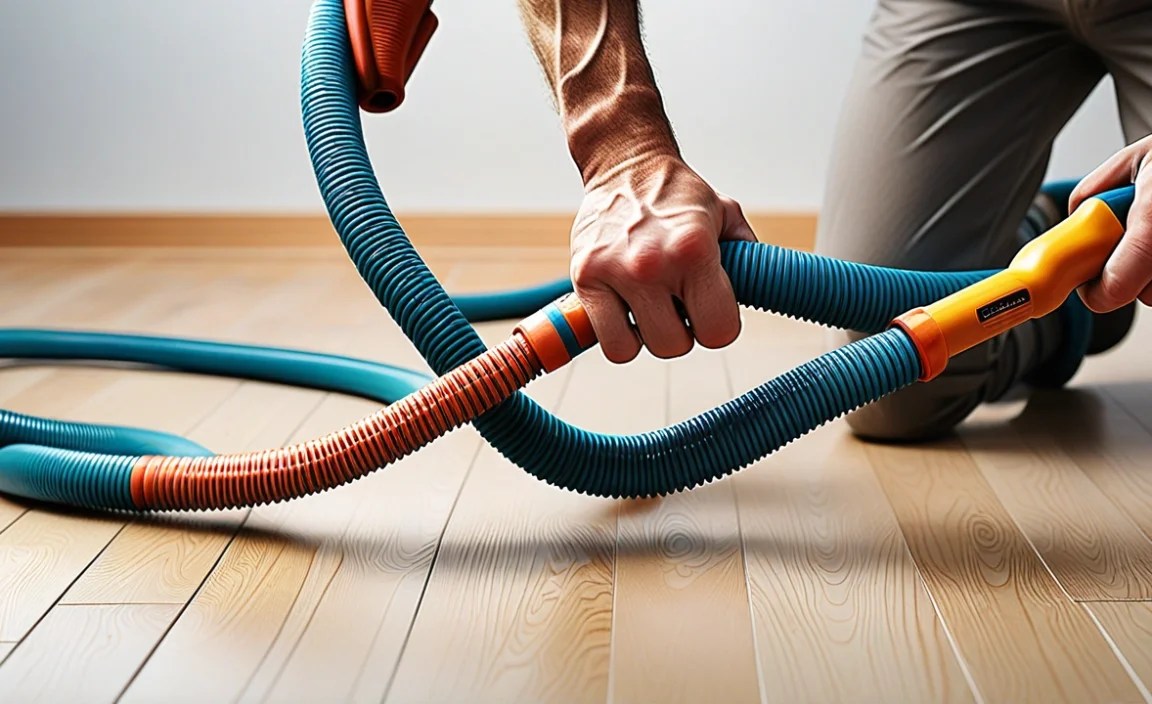
Follow these steps to keep your hose twist-free and easy to use.
Step 1: Choose the Right Hose
The type of hose you use can significantly impact how easily it twists. Consider these factors when selecting a hose:
- Material: Rubber hoses are more flexible and less prone to twisting than vinyl hoses.
- Reinforcement: Look for hoses with multiple layers of reinforcement to prevent kinks.
- Diameter: A larger diameter hose can provide better water flow and is less likely to twist.
Step 2: Install a Swivel Nozzle
A swivel nozzle is a game-changer for preventing hose twisting. Here’s how to install one:
- Remove the Old Nozzle: Unscrew the existing nozzle from the end of your hose.
- Attach the Swivel Nozzle: Screw the swivel nozzle onto the hose, ensuring a snug fit.
- Test the Swivel: Check that the nozzle can rotate freely without twisting the hose.
Swivel nozzles allow you to move the nozzle in any direction without causing the hose to twist. This simple addition can save you a lot of frustration.
Step 3: Use a Hose Swivel Connector
A hose swivel connector is installed between the faucet and the hose. It allows the hose to rotate freely, preventing twists near the water source.
- Disconnect the Hose: Unscrew the hose from the faucet.
- Attach the Swivel Connector: Screw the swivel connector onto the faucet.
- Reconnect the Hose: Attach the hose to the other end of the swivel connector.
- Test the Swivel: Ensure the hose can rotate freely without twisting.
This connector is especially useful if you frequently move the hose around while watering.
Step 4: Proper Hose Storage
How you store your hose is crucial in preventing twists and kinks. Here are a few effective storage methods:
- Hose Reel: A hose reel is one of the best ways to store your hose. It keeps the hose neatly coiled and prevents it from tangling.
- Hose Hanger: A hose hanger is a simple and affordable option. Just loop the hose loosely and hang it on the hanger.
- Large Loops: If you don’t have a reel or hanger, coil the hose in large, loose loops and store it in a cool, dry place.
Using a Hose Reel
A hose reel keeps your hose organized and prevents kinks. Here’s how to use one effectively:
- Mount the Reel: Install the hose reel on a wall or post near your faucet.
- Attach the Hose: Connect the hose to the reel’s inlet.
- Coil the Hose: Wind the hose onto the reel, ensuring it lays flat and doesn’t overlap.
- Secure the End: Fasten the end of the hose to the reel to prevent it from unraveling.
Using a hose reel not only prevents twists but also extends the life of your hose by protecting it from the elements. You can find a variety of hose reels at retailers like Home Depot and Lowe’s.
Using a Hose Hanger
A hose hanger is a simple and effective storage solution, especially for smaller hoses. Here’s how to use one:
- Mount the Hanger: Install the hose hanger on a wall or fence.
- Coil the Hose: Coil the hose in large, loose loops.
- Hang the Hose: Place the coiled hose on the hanger.
- Secure the Hose: Make sure the hose is securely placed on the hanger to prevent it from falling.
Coiling the Hose in Large Loops
If you don’t have a reel or hanger, coiling the hose in large loops is a good alternative. Here’s how to do it:
- Lay the Hose Flat: Lay the hose flat on the ground.
- Create Large Loops: Form large, loose loops, ensuring the hose doesn’t twist.
- Secure the Loops: Use a bungee cord or hose strap to secure the loops.
- Store Properly: Store the coiled hose in a cool, dry place away from direct sunlight.
Step 5: Unwind Kinks Before Use
Before using your hose, take a moment to check for any kinks or twists. Unwinding them before turning on the water can prevent further tangling.
- Inspect the Hose: Look for any visible kinks or twists along the length of the hose.
- Unwind the Kinks: Gently straighten out any kinks by hand.
- Lay the Hose Flat: Lay the hose flat on the ground to ensure it’s free of twists.
Step 6: Avoid Pulling and Dragging
Pulling and dragging the hose around objects is a common cause of twisting. Instead, try these tips:
- Lift and Move: Lift the hose and move it to the desired location instead of dragging it.
- Use a Hose Guide: A hose guide can help you navigate the hose around obstacles without twisting it.
- Plan Your Route: Plan your watering route to minimize the need to move the hose frequently.
Step 7: Regular Maintenance
Regular maintenance can keep your hose in good condition and prevent twisting. Here are some tips:
- Check for Leaks: Regularly inspect the hose for leaks and repair them promptly. Leaks can cause the hose to twist and tangle.
- Clean the Hose: Clean the hose regularly to remove dirt and debris.
- Replace Worn Washers: Replace worn rubber washers at the connections to ensure a tight seal.
Advanced Techniques for Problem Hoses
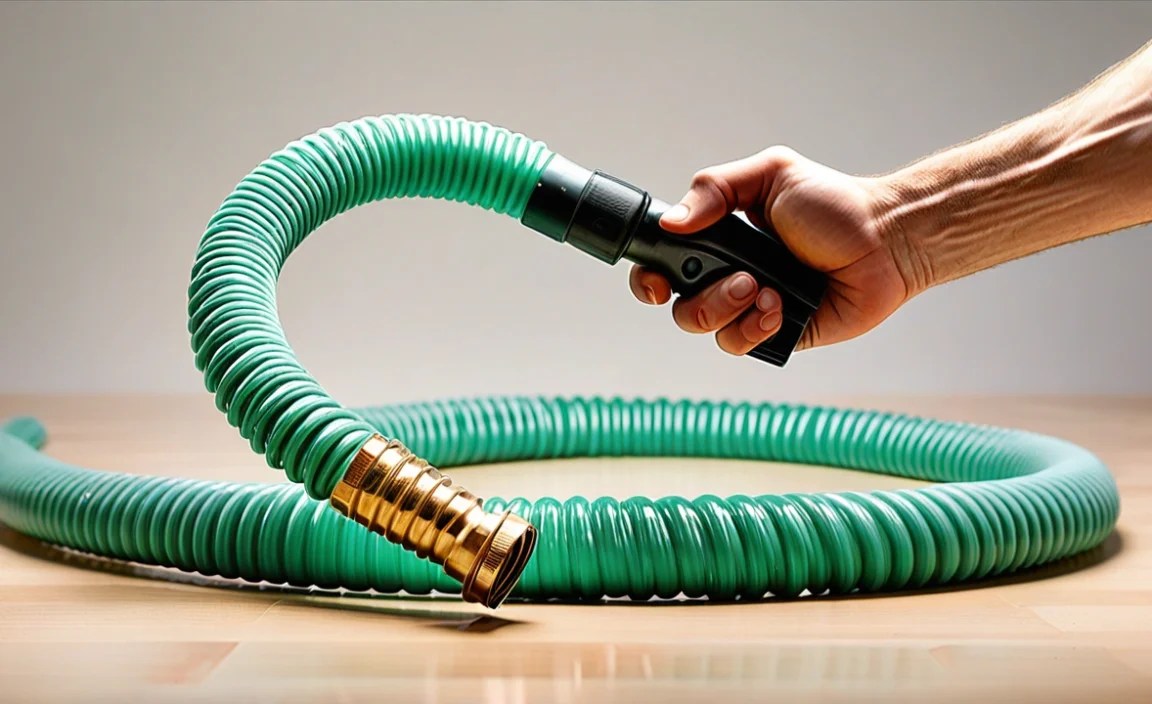
Sometimes, despite your best efforts, a hose may still twist. Here are some advanced techniques to try:
Using Hot Water to Straighten the Hose
Hot water can help relax the hose material and remove stubborn kinks.
- Fill a Tub: Fill a tub or large container with hot water.
- Submerge the Hose: Submerge the entire hose in the hot water.
- Let it Soak: Let the hose soak for about 30 minutes.
- Remove and Straighten: Remove the hose and gently straighten it out.
- Cool Down: Allow the hose to cool down completely before using it.
Using a Garden Hose Straightener
A garden hose straightener is a tool designed to remove kinks and twists from hoses. You can find these at most garden supply stores or online at retailers like Amazon.
- Attach the Straightener: Attach the straightener to one end of the hose.
- Pull the Hose Through: Slowly pull the hose through the straightener, allowing it to remove kinks and twists.
- Repeat if Necessary: Repeat the process if necessary until the hose is straight.
Troubleshooting Common Issues
Even with the best practices, you might encounter some issues. Here are a few common problems and how to solve them:
| Issue | Solution |
|---|---|
| Hose still twists despite using a swivel nozzle | Check the swivel nozzle for proper function. Ensure it’s not clogged or damaged. |
| Kinks reappear after unwinding | Try soaking the hose in hot water to relax the material. Store the hose in larger loops. |
| Low water pressure due to kinks | Thoroughly inspect the hose for hidden kinks. Use a larger diameter hose if the problem persists. |
| Hose material feels stiff | Store the hose in a shaded area to prevent it from drying out and becoming brittle. |
Choosing the Right Hose Material
The material of your hose plays a significant role in its resistance to twisting. Here’s a comparison of common hose materials:
| Material | Pros | Cons |
|---|---|---|
| Rubber | Highly flexible, durable, less prone to kinking | Heavier, more expensive |
| Vinyl | Lightweight, inexpensive | More prone to kinking, less durable |
| Reinforced Vinyl | More durable than standard vinyl, better kink resistance | Can still kink more easily than rubber |
| Polyurethane | Lightweight, very flexible, resists kinking | Can be more expensive |
Consider your specific needs and budget when choosing the right hose material. For heavy-duty use and maximum kink resistance, rubber or polyurethane hoses are generally the best choice.
FAQ: Preventing Hose Twisting
Here are some frequently asked questions about preventing hose twisting.
Why does my garden hose keep twisting?
Your hose likely twists due to improper storage, pulling it around objects, or internal stresses in the hose material. Twisting can also happen if the hose is exposed to extreme temperature changes.
Is a rubber hose better than a vinyl hose for preventing twists?
Yes, rubber hoses are generally better than vinyl hoses for preventing twists. Rubber is more flexible and less prone to kinking.
How does a swivel nozzle prevent hose twisting?
A swivel nozzle allows the nozzle to rotate independently of the hose. This prevents the hose from twisting when you change the direction of the water flow.
Can I use hot water to straighten a twisted hose?
Yes, soaking a twisted hose in hot water can help relax the material and remove kinks. Submerge the hose for about 30 minutes, then straighten it out while it’s still warm.
What’s the best way to store a garden hose to prevent twisting?
The best way to store a garden hose is on a hose reel or hanger. If you don’t have one, coil the hose in large, loose loops and store it in a cool, dry place.
How often should I replace my garden hose?
You should replace your garden hose when you notice significant wear and tear, such as cracks, leaks, or persistent kinks. A well-maintained hose can last for many years.
Are hose swivel connectors worth the investment?
Yes, hose swivel connectors are worth the investment if you frequently move your hose around while watering. They allow the hose to rotate freely, preventing twists near the water source.
Conclusion
Preventing hose twisting is all about using the right tools, storing your hose properly, and being mindful of how you use it. With a swivel nozzle, a good storage solution, and a few simple techniques, you can say goodbye to frustrating kinks and enjoy hassle-free watering. Remember to choose the right hose material for your needs and perform regular maintenance to keep your hose in top condition. Happy gardening!


