
How to Fit Chuck with Flexible Hose: Easy Guide

Quick Summary: Fitting a chuck with a flexible hose involves securely connecting the chuck (the part that grips the valve) to the hose, which then connects to your bike pump. Start by ensuring both the chuck and hose have compatible threads. Apply thread sealant tape to the chuck’s threads, then firmly screw the hose onto the chuck. Tighten with wrenches if needed, and test for air leaks. This ensures a secure, airtight connection for efficient tire inflation.
Ever struggled with a bike pump hose that just won’t stay connected? Or maybe you’ve got a fancy new chuck but can’t figure out how to attach it to your trusty pump? Don’t worry, you’re not alone! This is a common issue for cyclists, but it’s easily solved with the right steps. A properly fitted chuck and flexible hose are key to efficient and frustration-free tire inflation.
In this guide, I’ll walk you through exactly how to fit a chuck with a flexible hose, step by step. We’ll cover everything from choosing the right parts to ensuring a leak-proof connection. By the end, you’ll be pumping up your tires like a pro!
Understanding Chucks and Flexible Hoses

Before we dive into the how-to, let’s quickly cover what we’re working with. A chuck is the part of your pump that attaches to the tire valve. Flexible hoses connect the chuck to the pump body, allowing for easier access to the valve and reducing stress on the valve stem. Knowing the different types and their compatibility is crucial.
Types of Chucks
Chucks come in various designs, primarily for Presta and Schrader valves.
- Presta Chucks: Designed for the narrow Presta valves found on most road and high-performance bikes. They often have a screw-on or lever-locking mechanism.
- Schrader Chucks: These fit the wider Schrader valves, common on car tires and some mountain bikes. They usually feature a simple push-on design.
- Dual-Head Chucks: These versatile chucks can handle both Presta and Schrader valves, making them a convenient option.
Types of Flexible Hoses
Flexible hoses are usually made from rubber or reinforced plastic. They vary in length and connection type.
- Rubber Hoses: More flexible and durable, but can degrade over time.
- Reinforced Plastic Hoses: Stiffer but more resistant to wear and tear.
Compatibility Matters
Ensure the chuck and hose you’re using are compatible. Most hoses have a standard thread size, but it’s always a good idea to double-check. Mismatched threads can lead to leaks and frustration.
Tools and Materials You’ll Need
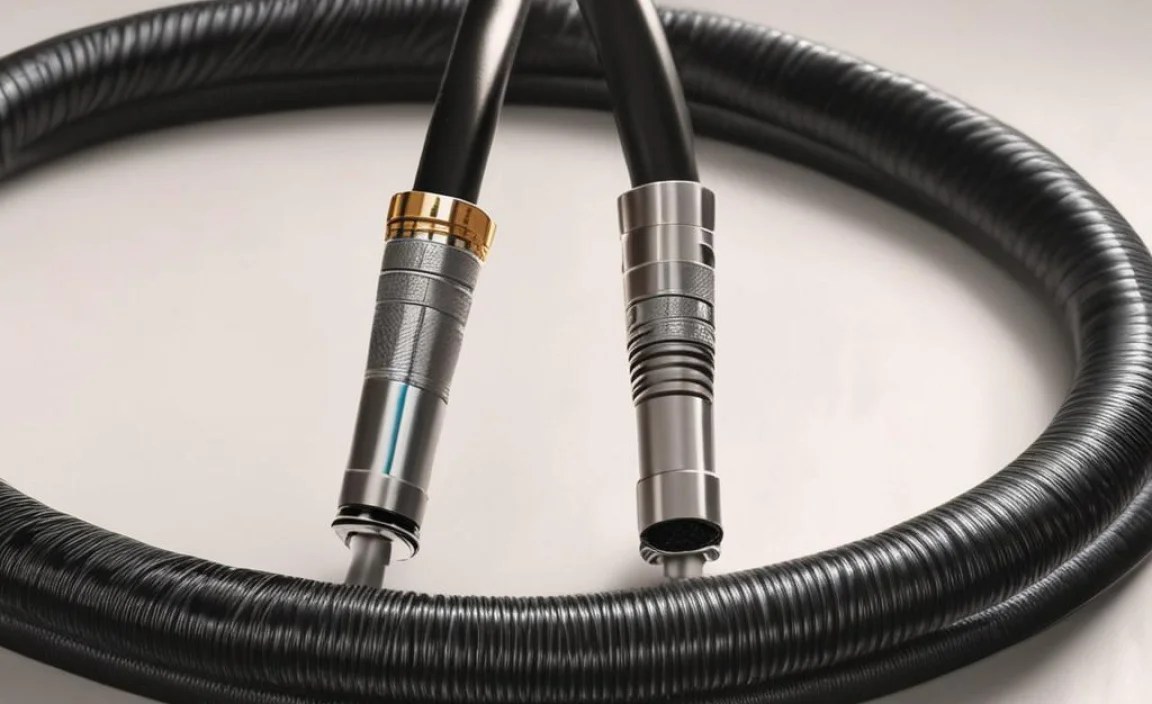
Gather these tools and materials before starting the fitting process. This will save you time and ensure you have everything on hand.
- New Chuck: Choose the right type for your valve (Presta, Schrader, or dual-head).
- Flexible Hose: Ensure it’s the correct length and has compatible threads.
- Thread Sealant Tape (Teflon Tape): This creates a watertight seal. You can find this at most hardware stores.
- Wrenches (Adjustable or Fixed): For tightening the connection (optional).
- Rag: For cleaning and wiping excess sealant.
Step-by-Step Guide: Fitting the Chuck with the Flexible Hose

Follow these steps carefully to ensure a secure and leak-free connection. Take your time and double-check each step.
Step 1: Prepare the Chuck and Hose
Before you start, inspect the threads on both the chuck and the hose. Make sure they’re clean and free of any debris. Use a rag to wipe them down if necessary. This ensures a good, clean connection.
Step 2: Apply Thread Sealant Tape
This is a crucial step for preventing air leaks. Wrap the threads of the chuck with thread sealant tape (Teflon tape). Wrap it in the direction of the threads, usually clockwise. Apply 2-3 layers, overlapping each layer slightly. The tape should be snug but not overly thick. This creates a seal that fills in any imperfections in the threads.
Pro Tip: Don’t overdo the tape. Too much tape can actually prevent a tight seal.
Step 3: Connect the Hose to the Chuck
Carefully align the hose with the chuck and begin threading it on by hand. Make sure the threads are properly aligned to avoid cross-threading. Turn the hose clockwise until it’s snug. You should feel resistance, but don’t force it.
Step 4: Tighten the Connection (If Necessary)
If you can’t get the connection tight enough by hand, use wrenches. Use one wrench to hold the chuck steady and another to tighten the hose. Be careful not to overtighten, as this can damage the threads. A quarter turn past hand-tight is usually sufficient. If you don’t have wrenches, a firm hand-tightening is often enough, especially with thread sealant tape.
Safety First: Always protect the chuck and hose with a rag when using wrenches to prevent scratches.
Step 5: Test for Leaks
Once the connection is tight, it’s time to test for leaks. Connect the hose to your bike pump and attach the chuck to a tire valve. Inflate the tire slightly and listen for any hissing sounds. If you hear a hiss, there’s a leak.
If you detect a leak, try tightening the connection slightly. If that doesn’t work, you may need to reapply the thread sealant tape and repeat the process.
Troubleshooting Common Issues
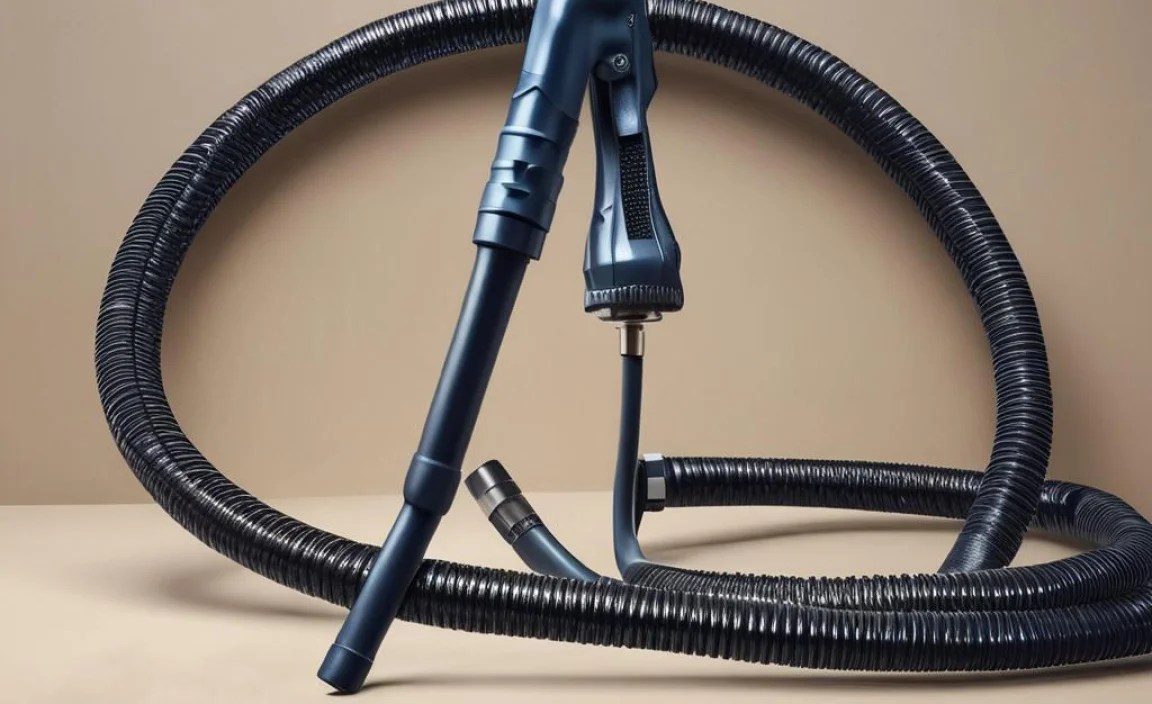
Even with careful installation, you might encounter some issues. Here’s how to troubleshoot them.
Air Leaks
- Cause: Inadequate thread sealant, loose connection, damaged threads.
- Solution: Reapply thread sealant tape, tighten the connection, or replace damaged parts.
Cross-Threading
- Cause: Misaligned threads during installation.
- Solution: Carefully realign the threads and try again. If the threads are severely damaged, replace the chuck or hose.
Loose Connection
- Cause: Insufficient tightening.
- Solution: Use wrenches to tighten the connection further, but be careful not to overtighten.
Maintaining Your Chuck and Hose
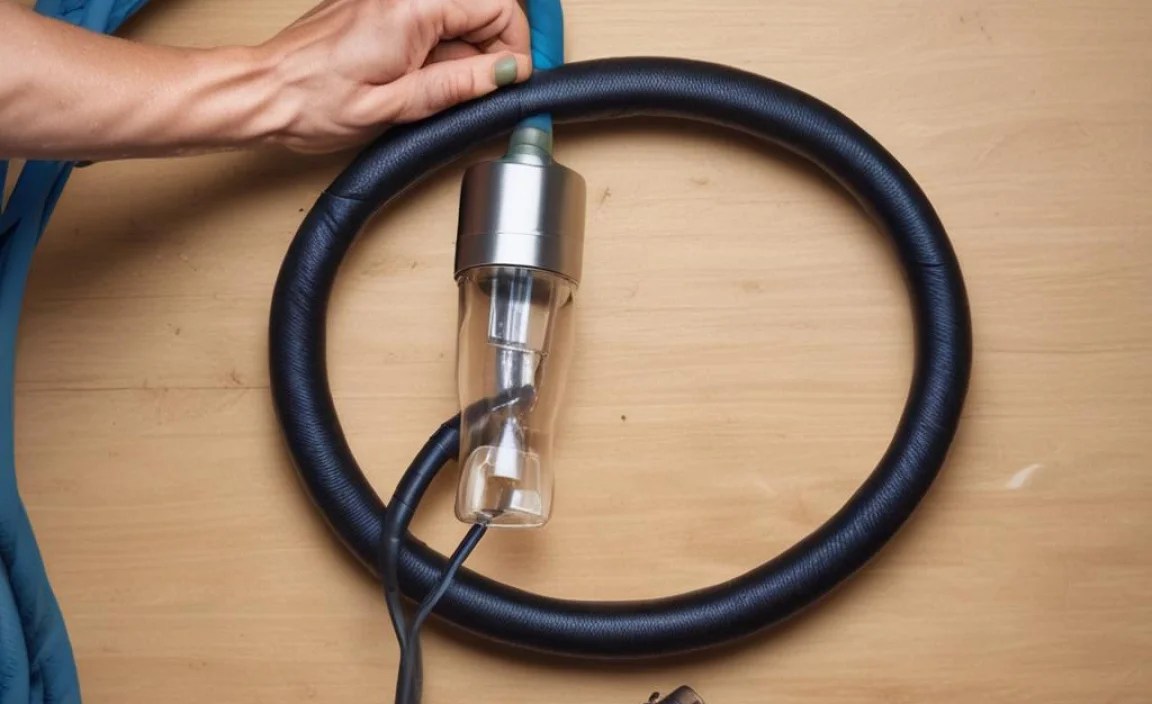
Proper maintenance will extend the life of your chuck and hose, ensuring reliable performance.
- Regular Inspection: Check for cracks, wear, and loose connections.
- Cleaning: Wipe down the chuck and hose with a damp cloth to remove dirt and grime.
- Storage: Store your pump in a dry place to prevent corrosion and degradation of the hose.
Choosing the Right Chuck and Hose: A Buying Guide
Selecting the right chuck and hose can make a big difference in your pumping experience. Here’s what to consider:
Material Quality
Look for durable materials that can withstand regular use. Brass or aluminum chucks and reinforced rubber or plastic hoses are good choices.
Thread Compatibility
Ensure the chuck and hose have compatible threads. Most standard hoses have a 1/8″ NPT (National Pipe Thread) fitting, but always double-check.
Length of Hose
Choose a hose length that suits your needs. A longer hose provides more flexibility but can be cumbersome to store. A shorter hose is more compact but may limit your reach.
Chuck Type
Consider whether you need a Presta, Schrader, or dual-head chuck. If you have multiple bikes with different valve types, a dual-head chuck is a convenient option.
Features
Some chucks come with additional features, such as pressure relief valves or built-in gauges. Consider these features based on your specific needs.
Table: Comparing Chuck and Hose Materials
| Material | Pros | Cons | Best Use |
|---|---|---|---|
| Brass Chuck | Durable, corrosion-resistant | Heavier than aluminum | Frequent use, harsh environments |
| Aluminum Chuck | Lightweight, corrosion-resistant | Less durable than brass | Occasional use, weight-conscious cyclists |
| Rubber Hose | Flexible, durable | Can degrade over time | General use |
| Reinforced Plastic Hose | Stiffer, resistant to wear and tear | Less flexible than rubber | High-pressure applications |
Advanced Tips and Tricks
Want to take your chuck and hose fitting skills to the next level? Here are some advanced tips and tricks.
Using Liquid Thread Sealant
Instead of Teflon tape, you can use liquid thread sealant. This provides an even more secure seal, especially for high-pressure applications. Apply a small amount to the threads and allow it to cure according to the manufacturer’s instructions before connecting the hose.
Adding a Quick-Release Connector
For even greater convenience, consider adding a quick-release connector between the hose and the chuck. This allows you to quickly disconnect the chuck without unscrewing the hose, making it easy to switch between different chucks or store your pump.
Customizing Your Hose Length
If you can’t find a hose of the perfect length, you can customize it yourself. Cut the hose to the desired length and attach new fittings using hose clamps. This requires some specialized tools, but it allows you to create a truly custom setup.
Common Mistakes to Avoid
Avoid these common mistakes to ensure a successful chuck and hose fitting.
- Overtightening: Overtightening can damage the threads and cause leaks. Tighten the connection until it’s snug, but don’t force it.
- Using the Wrong Tools: Use the correct size wrenches to avoid damaging the chuck and hose.
- Skipping Thread Sealant: Thread sealant is essential for preventing air leaks. Don’t skip this step.
- Ignoring Thread Compatibility: Ensure the chuck and hose have compatible threads before attempting to connect them.
Table: Troubleshooting Air Leaks
| Problem | Possible Cause | Solution |
|---|---|---|
| Leak at the Chuck-Hose Connection | Insufficient thread sealant | Reapply thread sealant tape or liquid thread sealant |
| Leak at the Chuck-Valve Connection | Dirty or damaged valve | Clean the valve or replace it if damaged |
| Leak in the Hose | Cracked or worn hose | Replace the hose |
| Loose Connection | Insufficient tightening | Tighten the connection with wrenches, being careful not to overtighten |
FAQ: Fitting Chucks with Flexible Hoses
Here are some frequently asked questions about fitting chucks with flexible hoses.
Q: What is thread sealant tape?
A: Thread sealant tape (also known as Teflon tape or PTFE tape) is a thin, white tape used to create a watertight seal between threaded connections. It fills in any imperfections in the threads, preventing leaks.
Q: Can I use any type of thread sealant tape?
A: While most thread sealant tapes will work, it’s best to use a tape specifically designed for plumbing or gas connections. These tapes are more durable and resistant to chemicals.
Q: How tight should I tighten the connection?
A: Tighten the connection until it’s snug, but don’t overtighten. A quarter turn past hand-tight is usually sufficient. Overtightening can damage the threads and cause leaks.
Q: What if I don’t have wrenches?
A: If you don’t have wrenches, you can try tightening the connection by hand. Use a firm grip and apply even pressure. Thread sealant tape can help create a tight seal even without wrenches.
Q: How do I know if the chuck and hose are compatible?
A: Check the thread size on both the chuck and the hose. Most standard hoses have a 1/8″ NPT fitting. If the threads match, they’re compatible. If you’re unsure, consult the manufacturer’s specifications or ask a bike shop for assistance.
Q: What if I strip the threads?
A: If you strip the threads, the connection will no longer be secure. You’ll need to replace the chuck or hose with new parts.
Q: Can I use a hose clamp instead of threading the hose onto the chuck?
A: While you can technically use a hose clamp, it’s not recommended for high-pressure applications. Threaded connections provide a more secure and reliable seal. Hose clamps are better suited for low-pressure connections.
Conclusion
Fitting a chuck with a flexible hose is a simple but essential skill for any cyclist. By following these steps and tips, you can ensure a secure, leak-free connection and enjoy hassle-free tire inflation. Remember to choose the right parts, use thread sealant tape, and avoid overtightening. With a little practice, you’ll be a pro in no time! So, grab your tools, get to work, and get back on the road with confidence. Happy riding!


