
How to Repair Bent Chuck Nozzle: Easy Fix!

Quick Summary: A bent chuck nozzle on your bike pump can make inflating tires a real pain. Often, you can carefully straighten a slightly bent nozzle using pliers. For more severe damage, replacement is usually the best option. This guide walks you through both methods, helping you get back on the road quickly!
Ever struggled to get your bike pump to connect properly? A bent chuck nozzle is often the culprit. This small part is crucial for a secure seal, and even a slight bend can cause frustrating air leaks. Don’t worry; you don’t always need a new pump! Sometimes, you can fix the nozzle yourself. This guide will show you how to diagnose the problem and either repair or replace your bent chuck nozzle, saving you time and money.
Understanding Chuck Nozzles

Before we dive into repairs, let’s understand what a chuck nozzle is and why it’s important.
What is a Chuck Nozzle?
The chuck nozzle is the part of your bike pump that attaches to the tire valve. It’s responsible for creating an airtight seal, allowing you to inflate your tires efficiently. Most pumps have dual-head chucks to accommodate both Presta and Schrader valves.
Types of Chuck Nozzles
There are two main types of chuck nozzles:
- Presta: Designed for narrow Presta valves, commonly found on road bikes and higher-end mountain bikes.
- Schrader: Designed for wider Schrader valves, similar to those found on car tires and many recreational bikes.
Some pumps have a single nozzle that can be adjusted for both valve types, while others have separate nozzles.
Why Nozzles Bend
Chuck nozzles can bend for several reasons:
- Accidental Impact: Dropping the pump or knocking it against something can bend the nozzle.
- Forced Connection: Trying to force the nozzle onto a valve that doesn’t quite fit can cause bending.
- Wear and Tear: Over time, the nozzle material can weaken, making it more susceptible to bending.
- Poor Storage: Improper storage can expose the nozzle to pressure or impact.
Assessing the Damage
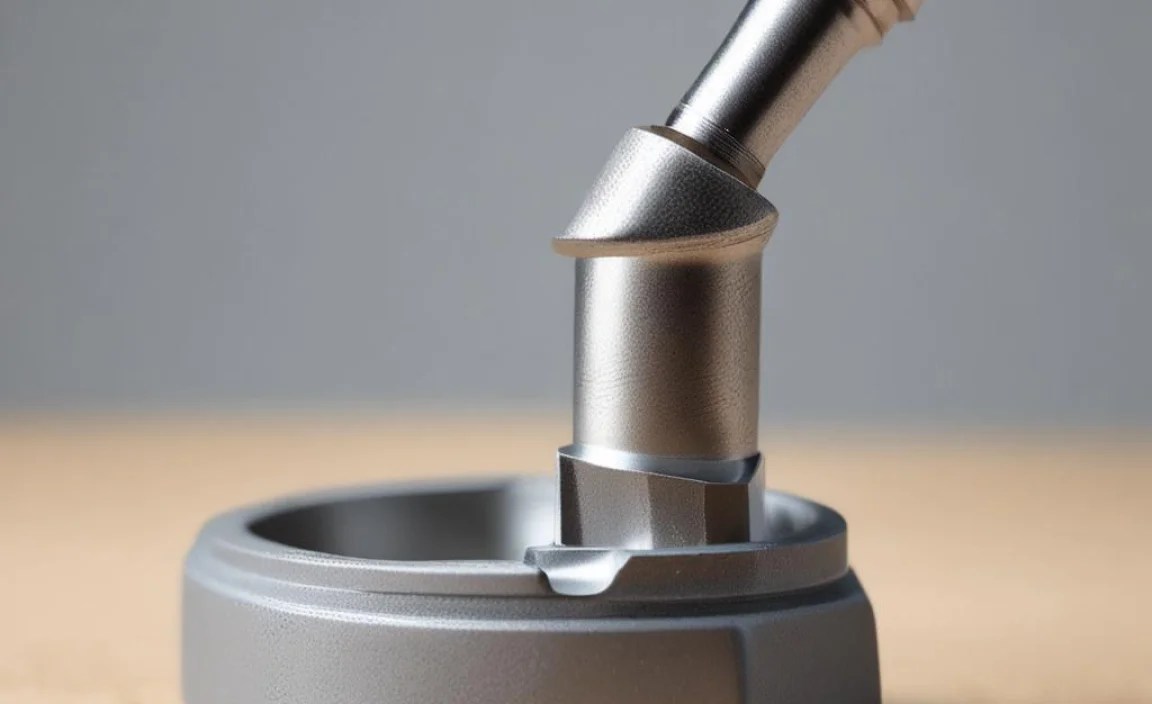
Before attempting any repairs, carefully assess the damage to your chuck nozzle.
Visual Inspection
Start by visually inspecting the nozzle. Look for:
- Obvious Bends: Can you see a clear bend or kink in the nozzle?
- Cracks or Breaks: Are there any visible cracks or breaks in the nozzle material?
- Deformation: Is the nozzle misshapen or distorted in any way?
Testing the Seal
If the bend isn’t obvious, try connecting the nozzle to a tire valve and inflating the tire. Look for:
- Air Leaks: Can you hear or feel air escaping around the nozzle?
- Difficulty Connecting: Is it hard to attach the nozzle to the valve?
- Unstable Connection: Does the nozzle easily slip off the valve during inflation?
When to Repair vs. Replace
Here’s a general guideline:
- Minor Bends: If the bend is slight and the nozzle is otherwise in good condition, you can attempt to repair it.
- Severe Bends, Cracks, or Breaks: If the nozzle is severely bent, cracked, or broken, it’s best to replace it.
Attempting to repair a severely damaged nozzle can be dangerous and may result in further damage to the pump or tire valve.
Repairing a Bent Chuck Nozzle

If you’ve determined that your nozzle is suitable for repair, follow these steps:
Tools You’ll Need
- Pliers: A pair of needle-nose pliers or small pliers will be helpful for straightening the nozzle.
- Soft Cloth: To protect the nozzle from scratches during the repair process.
- Eye Protection: Safety glasses or goggles to protect your eyes.
- Work Gloves: To improve grip and protect your hands.
Step-by-Step Repair Guide
- Prepare the Nozzle: Clean the nozzle with a clean cloth to remove any dirt or debris.
- Protect the Nozzle: Wrap the nozzle with a soft cloth to prevent scratches from the pliers.
- Straighten the Bend:
- Gently grip the nozzle with the pliers, positioning the jaws as close to the bend as possible.
- Apply slow, steady pressure to straighten the nozzle. Avoid using excessive force, which could break the nozzle.
- Check the alignment frequently. You may need to make several small adjustments to get the nozzle straight.
- Test the Seal:
- After straightening the nozzle, remove the cloth and connect the nozzle to a tire valve.
- Inflate the tire and check for air leaks.
- If you still detect leaks, repeat the straightening process, focusing on the areas where the air is escaping.
- Fine-Tune (If Needed):
- If the nozzle is still slightly bent, you can use a small metal file to gently smooth out any imperfections.
- Be careful not to remove too much material, as this could weaken the nozzle.
Tips for Successful Repair
- Work Slowly: Avoid rushing the repair process. Slow, steady movements are less likely to cause damage.
- Use Gentle Pressure: Don’t force the nozzle. If it’s not straightening easily, try repositioning the pliers.
- Protect the Nozzle: Always use a soft cloth to protect the nozzle from scratches.
- Check Frequently: Regularly check the alignment of the nozzle to ensure you’re not over-bending it.
Replacing a Chuck Nozzle
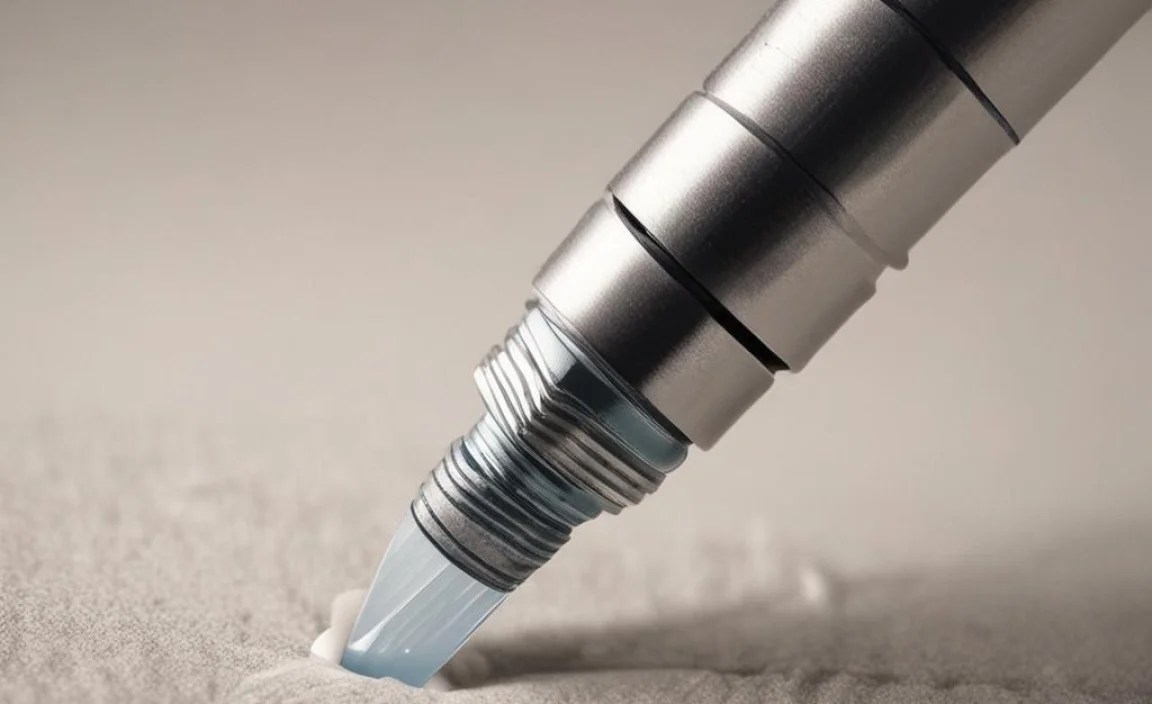
If your nozzle is too damaged to repair, or if you simply prefer a new one, here’s how to replace it.
Finding a Replacement
The first step is to find a suitable replacement nozzle.
- Check with the Pump Manufacturer: The easiest way to find the right replacement is to contact the pump manufacturer or check their website. They may sell replacement nozzles specifically designed for your pump model.
- Visit a Local Bike Shop: Your local bike shop may carry replacement nozzles or be able to order one for you.
- Online Retailers: Online retailers like Amazon or specialty cycling stores offer a wide variety of replacement nozzles.
When choosing a replacement nozzle, make sure it’s compatible with your pump and the type of valves you use (Presta or Schrader).
Tools You’ll Need
- Replacement Nozzle: The new nozzle you’ve purchased.
- Screwdriver: Depending on the pump model, you may need a screwdriver to remove the old nozzle.
- Pliers: To grip and remove the old nozzle if necessary.
- Allen Wrench (Hex Key): Some pumps use Allen screws to secure the nozzle.
- Grease: Applying a small amount of grease to the threads can make installation easier.
Step-by-Step Replacement Guide
- Prepare the Pump: Disconnect the pump from any air source and deflate any remaining air.
- Remove the Old Nozzle:
- Locate the screws or fasteners that secure the old nozzle to the pump head.
- Use the appropriate screwdriver or Allen wrench to remove the fasteners.
- If the nozzle is stuck, use pliers to gently twist and pull it free. Be careful not to damage the pump head.
- Install the New Nozzle:
- Apply a small amount of grease to the threads of the new nozzle.
- Insert the new nozzle into the pump head, aligning it properly.
- Secure the nozzle with the screws or fasteners you removed earlier.
- Tighten the fasteners securely, but avoid over-tightening, which could damage the pump head.
- Test the New Nozzle:
- Connect the pump to a tire valve and inflate the tire.
- Check for air leaks around the nozzle.
- If you detect any leaks, tighten the fasteners further or re-seat the nozzle.
Common Replacement Challenges and Solutions
Replacing a chuck nozzle is usually straightforward, but here are some potential challenges and how to overcome them:
| Challenge | Solution |
|---|---|
| Finding the right replacement nozzle | Check with the pump manufacturer or a local bike shop. |
| Removing a stuck nozzle | Use pliers to gently twist and pull the nozzle free. |
| Air leaks after installation | Tighten the fasteners further or re-seat the nozzle. |
| Incorrect tools | Refer to the pump manual or manufacturer’s website. |
Preventing Future Damage
Once you’ve repaired or replaced your chuck nozzle, take steps to prevent future damage.
Proper Storage
- Store the Pump Safely: Store your bike pump in a safe place where it won’t be knocked over or subjected to impact.
- Protect the Nozzle: Consider using a protective cover or case for the pump nozzle.
- Avoid Extreme Temperatures: Don’t store the pump in direct sunlight or extreme temperatures, which can damage the nozzle material.
Careful Usage
- Avoid Forcing the Nozzle: If the nozzle doesn’t fit easily onto the valve, don’t force it. Check that you’re using the correct nozzle type (Presta or Schrader).
- Use Smooth Movements: When connecting and disconnecting the nozzle, use smooth, controlled movements. Avoid jerking or yanking the nozzle, which can bend it.
- Regular Inspection: Regularly inspect the nozzle for signs of wear or damage. Address any issues promptly to prevent them from worsening.
Maintenance Tips
- Clean the Nozzle: Regularly clean the nozzle with a clean cloth to remove dirt and debris. This will help maintain a good seal.
- Lubricate the Nozzle: Apply a small amount of silicone grease to the nozzle periodically to keep it moving smoothly.
- Replace Worn Parts: If you notice any signs of wear or damage to the nozzle, replace it promptly.
Chuck Nozzle Materials and Durability
The material of your chuck nozzle can significantly affect its durability and resistance to bending. Here’s a comparison of common materials:
| Material | Pros | Cons |
|---|---|---|
| Plastic | Lightweight, inexpensive, non-scratching | Less durable, prone to cracking, less precise |
| Aluminum | Lightweight, durable, corrosion-resistant | More expensive than plastic, can scratch valve stems |
| Brass | Durable, corrosion-resistant, provides a good seal | Heavier than aluminum or plastic, can be more expensive |
| Steel | Extremely durable, long-lasting | Heavier, can be prone to rust if not properly maintained |
Choosing a nozzle made from a durable material like aluminum, brass, or steel can help prevent bending and extend the life of your pump.
Advanced Troubleshooting
Sometimes, the issue isn’t just a bent nozzle. Here are some advanced troubleshooting tips for common bike pump problems.
Air Leaks at the Pump Head
If you’re experiencing air leaks at the pump head, check the following:
- O-Rings: Inspect the O-rings inside the pump head for wear or damage. Replace them if necessary.
- Valve Core: Make sure the valve core is properly tightened.
- Pump Head Seal: Check the seal between the pump head and the pump body. Tighten the screws or fasteners if necessary.
Pump Not Building Pressure
If your pump isn’t building pressure, check the following:
- Piston Seal: Inspect the piston seal inside the pump body. Replace it if necessary.
- Hose Connection: Make sure the hose is securely connected to the pump head and the pump body.
- Check Valve: The check valve may be stuck or damaged. Clean or replace it.
Sticking or Difficult Pumping Action
If your pump is sticking or difficult to pump, try the following:
- Lubricate the Piston: Apply a small amount of silicone grease to the piston inside the pump body.
- Clean the Pump Body: Clean the inside of the pump body with a clean cloth to remove dirt and debris.
- Check for Obstructions: Look for any obstructions inside the pump body that may be interfering with the piston’s movement.
FAQ: Repairing Bent Chuck Nozzles
Can I use any type of pliers to straighten the nozzle?
It’s best to use needle-nose pliers or small pliers with a smooth surface to avoid scratching or damaging the nozzle. Wrap the nozzle with a soft cloth for added protection.
How do I know if I’m using the right amount of pressure when straightening the nozzle?
Apply slow, steady pressure and check the alignment frequently. If the nozzle isn’t straightening easily, reposition the pliers rather than applying more force.
What type of grease should I use to lubricate the nozzle?
Use silicone grease, as it’s compatible with most nozzle materials and won’t damage rubber or plastic parts.
Where can I buy a replacement chuck nozzle?
You can buy replacement nozzles from the pump manufacturer, a local bike shop, or online retailers like Amazon.
How often should I inspect my bike pump nozzle?
Inspect your bike pump nozzle regularly, especially before long rides, to ensure it’s in good condition and free from damage.
Can I repair a cracked nozzle with glue or epoxy?
While it might seem like a quick fix, glue or epoxy isn’t a reliable solution for repairing a cracked nozzle. Replacement is usually the best option to ensure proper function and safety.
Is it worth upgrading to a higher-quality pump with a more durable nozzle?
Yes, investing in a high-quality pump with a durable nozzle can save you money and frustration in the long run. Look for pumps with aluminum, brass, or steel nozzles.
Conclusion
Repairing or replacing a bent chuck nozzle is a manageable task that can save you money and keep your bike tires properly inflated. By following the steps outlined in this guide, you can assess the damage, choose the appropriate repair method, and prevent future problems. Remember to work carefully, use the right tools, and prioritize safety. With a little patience and attention to detail, you’ll be back on the road in no time, enjoying smooth and efficient rides. Happy cycling!


