
How to Identify High-Quality Chuck: The Smart Guide

Quick Summary: To identify a high-quality bike pump chuck, check its material (metal is better than plastic), look for a secure valve connection without leaks, and ensure compatibility with both Presta and Schrader valves. A durable, easy-to-use chuck will make inflating your tires quick and reliable, giving you more time on the road.
Ever struggled with a bike pump chuck that just won’t seal properly? Or worse, one that breaks after only a few uses? It’s a common frustration for cyclists, and it often comes down to the quality of the chuck itself. A good chuck makes inflating your tires a breeze, while a poor one can turn a simple task into a major headache. Don’t worry, though! Identifying a high-quality chuck is easier than you think. I’ll walk you through the key features to look for, so you can choose a chuck that will last and keep you rolling smoothly.
What is a Bike Pump Chuck?

Before we dive into how to identify a high-quality chuck, let’s clarify what it is. The chuck is the part of your bike pump that connects to the valve on your inner tube. It’s a small but critical component, responsible for creating an airtight seal so you can efficiently pump air into your tires.
There are two main types of chucks:
- Presta: Designed for the narrow, pointy valves found on many road and high-performance bikes.
- Schrader: The same type of valve you’ll find on car tires and many mountain bikes.
Some chucks are designed to work with only one type of valve, while others are dual-headed or convertible to accommodate both. A high-quality chuck will offer a secure, leak-free connection to either type.
Why Does Chuck Quality Matter?
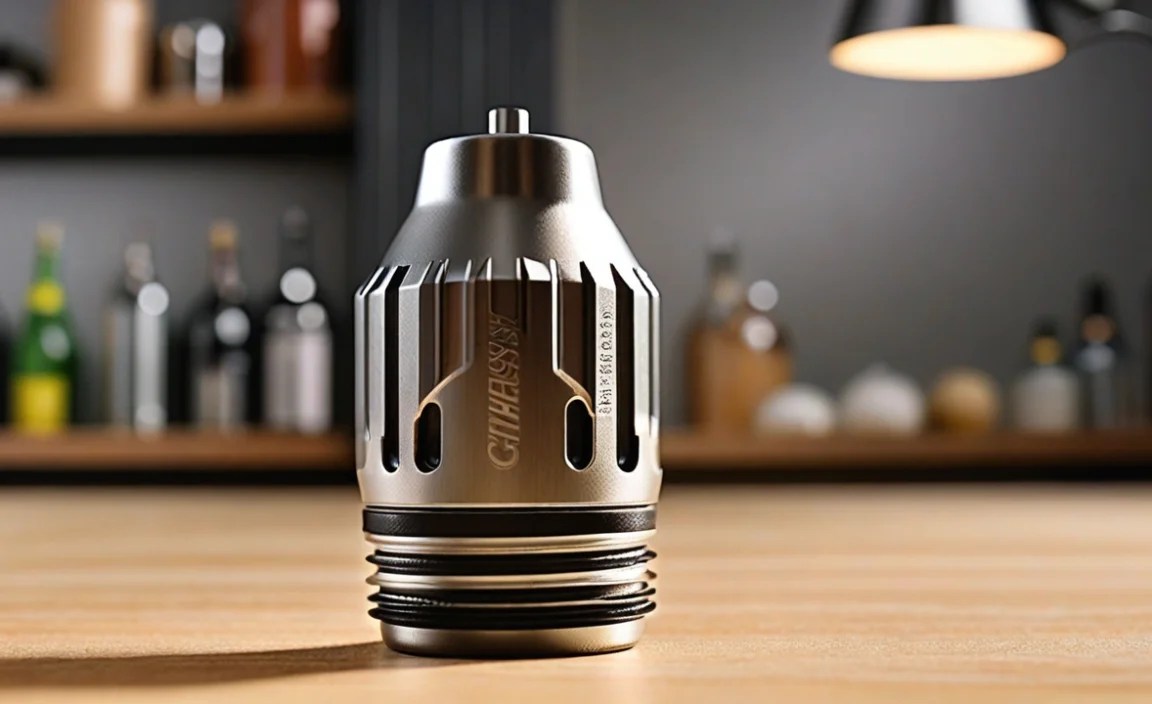
You might be wondering, “Is a high-quality chuck really that important?” The answer is a resounding yes! Here’s why:
- Efficiency: A good chuck creates a tight seal, ensuring that all the air you pump goes into your tire, not escaping around the valve.
- Durability: High-quality chucks are made from durable materials that can withstand repeated use and won’t break easily.
- Ease of Use: A well-designed chuck is easy to attach and detach from the valve, saving you time and frustration.
- Accuracy: A secure connection helps you achieve the correct tire pressure, improving your ride quality and preventing flats.
Investing in a high-quality chuck is an investment in your cycling experience. It can make a noticeable difference in how easy and enjoyable it is to maintain your bike.
Key Features of a High-Quality Bike Pump Chuck

Now, let’s get into the specifics. Here’s what to look for when identifying a high-quality bike pump chuck:
1. Material
The material of the chuck is one of the most important factors to consider. Here’s a breakdown of common materials and their pros and cons:
- Metal (Aluminum, Brass, or Steel):
- Pros: Highly durable, long-lasting, resists wear and tear, provides a secure connection.
- Cons: Can be more expensive than plastic, may be slightly heavier.
- Plastic:
- Pros: Lightweight, inexpensive.
- Cons: Less durable than metal, prone to cracking or breaking, may not provide as secure a seal.
Generally, metal chucks are the better choice for their durability and reliability. While plastic chucks may seem like a budget-friendly option, they often need to be replaced more frequently, costing you more in the long run.
2. Valve Compatibility
A versatile chuck should be compatible with both Presta and Schrader valves. There are a few ways this is achieved:
- Dual-Head Chuck: Features separate openings for Presta and Schrader valves. Simply choose the appropriate side for your valve type.
- Convertible Chuck: Can be adjusted to fit either Presta or Schrader valves, often by unscrewing and flipping an internal component.
Make sure the chuck is clearly labeled and easy to switch between valve types. A well-designed chuck will make this process quick and effortless.
3. Seal Quality
The quality of the seal is crucial for efficient inflation. Here’s how to assess it:
- Tight Fit: The chuck should fit snugly onto the valve without excessive play.
- O-Rings: Look for O-rings or rubber gaskets inside the chuck, which help create an airtight seal.
- Leak Test: Attach the chuck to a valve and listen for any hissing sounds, which indicate air leaks.
A high-quality chuck will provide a secure, leak-free connection, ensuring that all the air you pump goes directly into the tire.
4. Ease of Use
A good chuck should be easy to attach and detach from the valve, even with cold or wet hands. Consider these factors:
- Lever or Locking Mechanism: Some chucks have a lever or locking mechanism that secures the chuck to the valve. This can provide a more secure connection and prevent accidental detachment.
- Ergonomic Design: Look for a chuck with a comfortable grip and intuitive design.
- Smooth Operation: The chuck should attach and detach smoothly without requiring excessive force.
A user-friendly chuck will save you time and frustration, making tire inflation a more pleasant experience.
5. Hose Connection
The way the chuck connects to the pump hose is another important consideration. Here are a few common types of connections:
- Threaded: The chuck screws onto the hose. This is a secure connection but can be time-consuming to attach and detach.
- Push-On: The chuck simply pushes onto the hose and is held in place by friction. This is a quick and easy connection but may not be as secure as a threaded connection.
- Quick-Release: The chuck uses a quick-release mechanism to attach to the hose. This is a convenient option for quickly switching between different chucks or accessories.
Choose a hose connection that is both secure and easy to use, depending on your personal preferences.
6. Brand Reputation and Reviews
When in doubt, look to established brands known for producing high-quality cycling accessories. Reading online reviews can also provide valuable insights into the performance and durability of different chucks.
Here are some reputable brands to consider:
- Park Tool
- Topeak
- Lezyne
- Silca
Pay attention to reviews that mention the chuck’s seal quality, durability, and ease of use. These can give you a good sense of whether the chuck is a worthwhile investment.
Step-by-Step Guide to Inspecting a Bike Pump Chuck

Now that you know what to look for, let’s walk through a step-by-step guide to inspecting a bike pump chuck:
- Visual Inspection: Examine the chuck for any signs of damage, such as cracks, dents, or corrosion. Check the O-rings for wear and tear.
- Material Check: Determine the material of the chuck. Metal is generally preferable to plastic.
- Valve Compatibility Test: If the chuck is dual-headed or convertible, test it with both Presta and Schrader valves to ensure it fits properly and securely.
- Seal Test: Attach the chuck to a valve and listen for any air leaks. If you hear hissing, the seal is likely compromised.
- Ease of Use Test: Practice attaching and detaching the chuck from the valve. It should be easy to do without excessive force.
- Hose Connection Check: Ensure the hose connection is secure and easy to use.
By following these steps, you can confidently assess the quality of a bike pump chuck and choose one that meets your needs.
Maintaining Your Bike Pump Chuck
To ensure your bike pump chuck lasts as long as possible, proper maintenance is essential. Here are some tips:
- Keep it Clean: Regularly clean the chuck with a clean, dry cloth to remove dirt and debris.
- Lubricate O-Rings: Occasionally lubricate the O-rings with a silicone-based lubricant to keep them supple and prevent them from drying out and cracking.
- Store it Properly: When not in use, store the chuck in a clean, dry place to protect it from the elements.
- Replace Worn Parts: If you notice any signs of wear and tear, such as cracks or leaks, replace the affected parts immediately.
With proper care and maintenance, a high-quality bike pump chuck can provide years of reliable service.
Troubleshooting Common Chuck Problems
Even with a high-quality chuck, you may occasionally encounter problems. Here are some common issues and how to troubleshoot them:
| Problem | Possible Cause | Solution |
|---|---|---|
| Air Leak | Worn or damaged O-rings | Replace the O-rings |
| Difficult to Attach/Detach | Dirt or debris buildup | Clean the chuck and valve |
| Chuck Won’t Fit Valve | Incorrect valve type selected | Ensure the chuck is set to the correct valve type (Presta or Schrader) |
| Hose Connection Loose | Worn or damaged hose connection | Tighten or replace the hose connection |
By addressing these common issues promptly, you can keep your bike pump chuck in good working order and avoid unnecessary frustration.
Upgrading Your Bike Pump Chuck
If you’re not happy with the performance of your current bike pump chuck, consider upgrading to a higher-quality model. Here are some reasons why you might want to upgrade:
- Improved Seal Quality: A better chuck will provide a more secure, leak-free connection, making tire inflation more efficient.
- Increased Durability: A high-quality chuck will last longer and withstand more use than a cheaper model.
- Enhanced Ease of Use: A well-designed chuck will be easier to attach and detach from the valve, saving you time and frustration.
- Greater Versatility: A dual-headed or convertible chuck will allow you to inflate tires with both Presta and Schrader valves.
Upgrading your bike pump chuck is a relatively inexpensive way to improve your cycling experience. It can make a noticeable difference in how easy and enjoyable it is to maintain your bike.
Bike Pump Chucks: Types & Recommendations
Selecting the right bike pump chuck depends on your needs and preferences. Here’s a comparison table of popular types and brands to guide your decision:
| Type | Pros | Cons | Recommended Brands |
|---|---|---|---|
| Dual-Head Chuck | Versatile, easy to switch between Presta and Schrader valves | Can be bulkier than single-head chucks | Topeak, Lezyne |
| Convertible Chuck | Compact, adapts to both valve types | May require tools to convert, can be fiddly | Park Tool, Silca |
| Threaded Chuck | Secure connection, durable | Slower to attach/detach | Generally found on high-end pumps |
| Lever-Lock Chuck | Provides extra secure valve grip | Can be more expensive | Airace, PRO |
Consider your typical valve types, frequency of use, and budget when choosing the ideal chuck for your cycling setup.
FAQ: Bike Pump Chucks
What is the difference between Presta and Schrader valves?
Presta valves are narrow and have a locking nut at the tip, commonly found on road bikes. Schrader valves are wider, like those on car tires, and often used on mountain bikes and hybrid bikes.
How often should I replace my bike pump chuck?
Depending on usage and material, a chuck might last 1-5 years. Replace it if you notice leaks, difficulty connecting, or physical damage.
Can I use any bike pump chuck with any pump?
Not always. Ensure the chuck’s hose connection matches your pump’s hose. Some pumps have proprietary connections, so check compatibility before buying.
Why is my tire losing air after I remove the chuck?
This can happen if the valve core isn’t properly tightened or if the chuck damages the valve. Check and tighten the valve core. A high-quality chuck should minimize this issue.
What is the best material for a bike pump chuck?
Metal chucks (aluminum, brass, or steel) are more durable and provide a better seal than plastic ones. Metal is generally worth the investment for longevity.
How do I clean my bike pump chuck?
Wipe it down with a clean, dry cloth after each use to remove dirt and debris. Occasionally use a silicone-based lubricant on the O-rings to keep them supple.
What does “bleeder valve” on some chucks do?
A bleeder valve allows you to release small amounts of air from the tire to fine-tune the pressure. It’s useful for achieving precise inflation levels, especially for road bikes.
Conclusion
Identifying a high-quality bike pump chuck doesn’t have to be a daunting task. By considering the material, valve compatibility, seal quality, ease of use, and hose connection, you can confidently choose a chuck that will provide years of reliable service. Remember to inspect and maintain your chuck regularly to keep it in good working order. A good chuck is an investment in your cycling experience, making tire inflation easier, more efficient, and more enjoyable. So, go ahead and upgrade your chuck, and get back to enjoying the ride!


