
How to Easily Replace O-Ring in Air Chuck

Replacing the O-ring in your air chuck is a simple fix! A worn or damaged O-ring can cause leaks and make it hard to inflate tires. Luckily, swapping it out is easy. You’ll need a new O-ring, a small tool like a pick or screwdriver, and a few minutes. This quick repair will save you money and keep your tires properly inflated.
Is your bike tire pump not working like it used to? Do you hear air hissing around the chuck when you try to inflate your tires? Chances are, the O-ring inside the air chuck needs replacing. This small rubber ring is crucial for creating an airtight seal. Over time, it can dry out, crack, or wear down, leading to frustrating leaks. Don’t worry, you don’t need to buy a whole new pump! Replacing the O-ring is a simple and inexpensive repair you can easily do at home. This guide will walk you through the process step-by-step, so you can get back to riding with properly inflated tires in no time.
What You’ll Need

Before you start, gather these essential tools and materials:
- New O-ring: Make sure you get the correct size for your air chuck. Check your pump’s manual or the manufacturer’s website for the exact dimensions. A mixed O-ring kit from a hardware store or online retailer is also a good option.
- Small Pick or Screwdriver: A small, pointed tool will help you remove the old O-ring. An O-ring pick is ideal, but a small flathead screwdriver or even a dental pick will work.
- Lubricant (Optional): A small amount of silicone grease or light oil can help the new O-ring slide into place.
- Clean Cloth or Paper Towel: For cleaning the air chuck.
Step-by-Step Guide to Replacing Your Air Chuck O-Ring

Follow these simple steps to replace the O-ring in your air chuck:
Step 1: Disconnect the Air Chuck
First, disconnect the air chuck from your pump hose. Most air chucks are threaded, so simply unscrew it from the hose. If your chuck has a lever or clamp, release it before unscrewing.
Step 2: Identify the O-Ring Location
Examine the air chuck to find the O-ring. It’s usually located in a groove or channel near the opening of the chuck. Common locations include:
- Inside the chuck body: The O-ring might be recessed inside the main body of the chuck.
- Around the valve stem connector: Some chucks have an O-ring that seals around the valve stem.
- At the base of the threads: An O-ring might be located where the chuck screws onto the hose.
Step 3: Remove the Old O-Ring
Use your small pick or screwdriver to carefully remove the old O-ring. Be gentle to avoid scratching or damaging the surrounding metal. Here’s how to do it:
- Insert the pick: Insert the tip of the pick or screwdriver under the O-ring.
- Lift and pull: Gently lift and pull the O-ring out of its groove. If it’s stuck, try working the pick around the ring to loosen it.
- Discard the old O-ring: Once removed, discard the old O-ring.
Step 4: Clean the Groove
Use a clean cloth or paper towel to wipe out the groove where the O-ring sits. Remove any dirt, debris, or remnants of the old O-ring. A clean surface will ensure a good seal with the new O-ring.
Step 5: Install the New O-Ring
Now it’s time to install the new O-ring. Here’s how:
- Lubricate (Optional): If desired, apply a small amount of silicone grease or light oil to the new O-ring. This will help it slide into place and protect it from wear.
- Position the O-ring: Place the new O-ring around the groove.
- Press into place: Use your fingers or the blunt end of your tool to gently press the O-ring into the groove. Make sure it’s seated evenly all the way around.
Step 6: Reassemble the Air Chuck
Reattach the air chuck to your pump hose. Tighten the connection securely, but don’t overtighten it. If your chuck has a lever or clamp, engage it.
Step 7: Test for Leaks
Test your repair by inflating a tire. Listen for any hissing sounds around the air chuck. If you hear a leak, double-check that the O-ring is properly seated and that the connection to the hose is tight. If the leak persists, you may need to try a different size O-ring.
Choosing the Right O-Ring
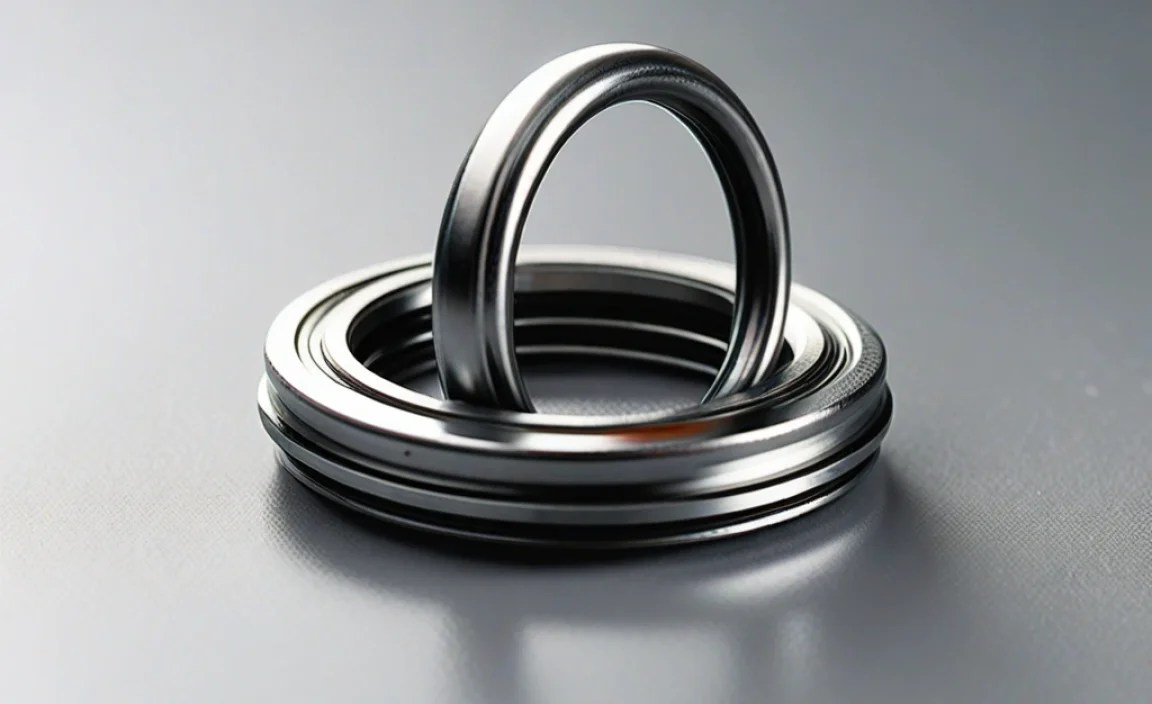
Selecting the correct O-ring is crucial for a successful repair. Here’s what to consider:
Size
The O-ring must be the correct size to create a proper seal. Too small, and it won’t fill the groove. Too large, and it will be difficult to install and may get pinched or damaged. Check your pump’s manual or the manufacturer’s website for the exact dimensions. If you’re unsure, a mixed O-ring kit can be a good option, allowing you to try different sizes until you find the right fit.
Material
O-rings are made from various materials, each with different properties. For air chucks, nitrile (Buna-N) rubber is a common and affordable choice. It’s resistant to oil and abrasion. For more demanding applications or exposure to chemicals, other materials like Viton or silicone may be more suitable.
Durometer
Durometer measures the hardness of the O-ring material. A higher durometer means a harder, less flexible O-ring. For air chucks, a medium durometer (70-90 Shore A) is generally a good choice. It provides a good balance of flexibility and durability.
Here’s a table summarizing common O-ring materials and their properties:
| Material | Properties | Common Uses |
|---|---|---|
| Nitrile (Buna-N) | Good oil resistance, abrasion resistance, affordable | General-purpose O-rings, air chucks |
| Viton | Excellent chemical resistance, high-temperature resistance | Fuel systems, chemical processing |
| Silicone | Good temperature resistance, flexible | Food and beverage applications, medical devices |
| EPDM | Good weather resistance, water resistance | Outdoor applications, plumbing |
Troubleshooting Common Issues
Even with careful installation, you might encounter some issues. Here’s how to troubleshoot them:
Leak Persists After Replacing O-Ring
If you still hear a leak after replacing the O-ring, consider these possibilities:
- Incorrect O-ring size: Double-check that you’re using the correct size O-ring. Try a slightly thicker or thinner O-ring from your kit.
- Damaged groove: Inspect the groove where the O-ring sits for any scratches or damage. If the groove is damaged, the O-ring may not be able to seal properly.
- Loose connection: Make sure the air chuck is securely connected to the pump hose.
- Other leaks: The leak might be coming from somewhere else, such as the pump hose or the valve stem connector.
O-Ring Keeps Popping Out
If the O-ring keeps popping out of its groove, it’s likely too large or the groove is too shallow. Try a smaller O-ring or check for damage to the groove.
Difficulty Installing the O-Ring
If you’re having trouble getting the O-ring to seat properly, try these tips:
- Lubricate the O-ring: A small amount of silicone grease or light oil can help it slide into place.
- Use a blunt tool: Use the blunt end of your tool to gently press the O-ring into the groove. Avoid using sharp objects that could damage the O-ring.
- Work it in gradually: Don’t try to force the O-ring in all at once. Work it in gradually, little by little, until it’s fully seated.
Maintaining Your Air Chuck
Proper maintenance can extend the life of your air chuck and prevent O-ring failures. Here are some tips:
- Keep it clean: Regularly clean your air chuck to remove dirt and debris.
- Lubricate the O-ring: Occasionally lubricate the O-ring with silicone grease or light oil.
- Store it properly: Store your pump in a dry, protected location to prevent the O-ring from drying out or cracking.
- Replace the O-ring regularly: Even if you don’t notice any leaks, it’s a good idea to replace the O-ring every year or two as part of routine maintenance.
Here’s a table with some maintenance tips to keep your air chuck in tip-top condition:
| Maintenance Task | Frequency | Benefits |
|---|---|---|
| Cleaning | Monthly | Removes dirt and debris, prevents wear |
| Lubrication | Every 3-6 months | Keeps O-ring supple, prevents drying |
| Inspection | Every use | Detects early signs of wear or damage |
| O-ring Replacement | Every 1-2 years | Maintains optimal sealing performance |
Upgrading Your Air Chuck
If you’re tired of dealing with O-ring failures, you might consider upgrading to a higher-quality air chuck. Here are some features to look for:
- Durable materials: Look for chucks made from brass or stainless steel for increased durability.
- High-quality O-rings: Some chucks use higher-quality O-rings made from Viton or other advanced materials.
- Easy-to-use design: Choose a chuck with a comfortable grip and an easy-to-use lever or clamp.
- Threaded connection: A threaded connection provides a more secure and reliable connection to the pump hose.
FAQ
What size O-ring do I need for my air chuck?
The O-ring size varies depending on the air chuck model. Check your pump’s manual or the manufacturer’s website for the exact dimensions. If you’re unsure, a mixed O-ring kit can be a good option.
Can I use any type of lubricant on the O-ring?
No, it’s best to use silicone grease or light oil. Other lubricants may damage the O-ring material.
How often should I replace the O-ring in my air chuck?
It’s a good idea to replace the O-ring every year or two as part of routine maintenance, even if you don’t notice any leaks.
What if I can’t find the right size O-ring?
Try contacting the pump manufacturer or searching online for specialty O-ring suppliers. You may also be able to find a suitable O-ring at a local hardware store.
Is it worth upgrading to a higher-quality air chuck?
If you frequently experience O-ring failures, upgrading to a higher-quality air chuck can be a worthwhile investment. Look for chucks made from durable materials with high-quality O-rings.
Can I use a regular screwdriver instead of an O-ring pick?
Yes, but be very careful. A regular screwdriver can easily scratch or damage the air chuck. Use a small, flathead screwdriver and work gently.
What is durometer?
Durometer measures the hardness of the O-ring material. A higher durometer means a harder, less flexible O-ring. For air chucks, a medium durometer (70-90 Shore A) is generally a good choice.
Conclusion
Replacing the O-ring in your air chuck is a simple and cost-effective way to keep your tires properly inflated. By following these steps and tips, you can easily perform this repair at home and avoid the expense of replacing your entire pump. Remember to choose the right O-ring size and material, maintain your air chuck properly, and consider upgrading to a higher-quality chuck if you experience frequent failures. With a little bit of care and attention, you can keep your bike tires inflated and enjoy smooth, worry-free rides.


