
How to Force a Defrost Cycle on a Heat Pump

Quick Summary: Forcing a defrost cycle on your heat pump can melt ice buildup when it’s not doing it automatically. Usually, you can do this by turning off the thermostat, switching it to emergency heat mode, or locating and pressing the defrost button on the unit. Always consult your owner’s manual first to avoid damaging your system.
Is your heat pump covered in ice, even when it’s not that cold outside? This can be a common and frustrating problem. When ice builds up, your heat pump can’t heat your home efficiently. Luckily, most heat pumps have a defrost cycle to melt the ice. Sometimes, though, you might need to give it a little nudge. This guide will walk you through how to safely force a defrost cycle, so you can keep your home warm and your heat pump running smoothly. Let’s get started!
Understanding the Defrost Cycle

Before we dive into forcing a defrost cycle, let’s understand what it is and why it’s important. A heat pump works by transferring heat from the outside air into your home. Even in cold weather, there’s still some heat in the air. As the heat pump pulls heat from the outside air, the outdoor coil can get very cold. When the coil temperature drops below freezing, moisture in the air can freeze on it, forming ice.
This ice can act like an insulator, reducing the heat pump’s ability to absorb heat from the air. That’s where the defrost cycle comes in. The defrost cycle temporarily reverses the heat pump’s operation, sending hot refrigerant to the outdoor coil to melt the ice. During this time, your auxiliary or emergency heat will kick in to keep your home warm.
Why Force a Defrost Cycle?
Most heat pumps have automatic defrost cycles that activate when the system detects ice buildup. However, sometimes the automatic defrost cycle might not work correctly. This could be due to a faulty sensor, a malfunctioning control board, or simply because the ice buildup is more than the system can handle on its own. In these cases, forcing a defrost cycle can help clear the ice and get your heat pump back to normal operation.
When to Force a Defrost Cycle
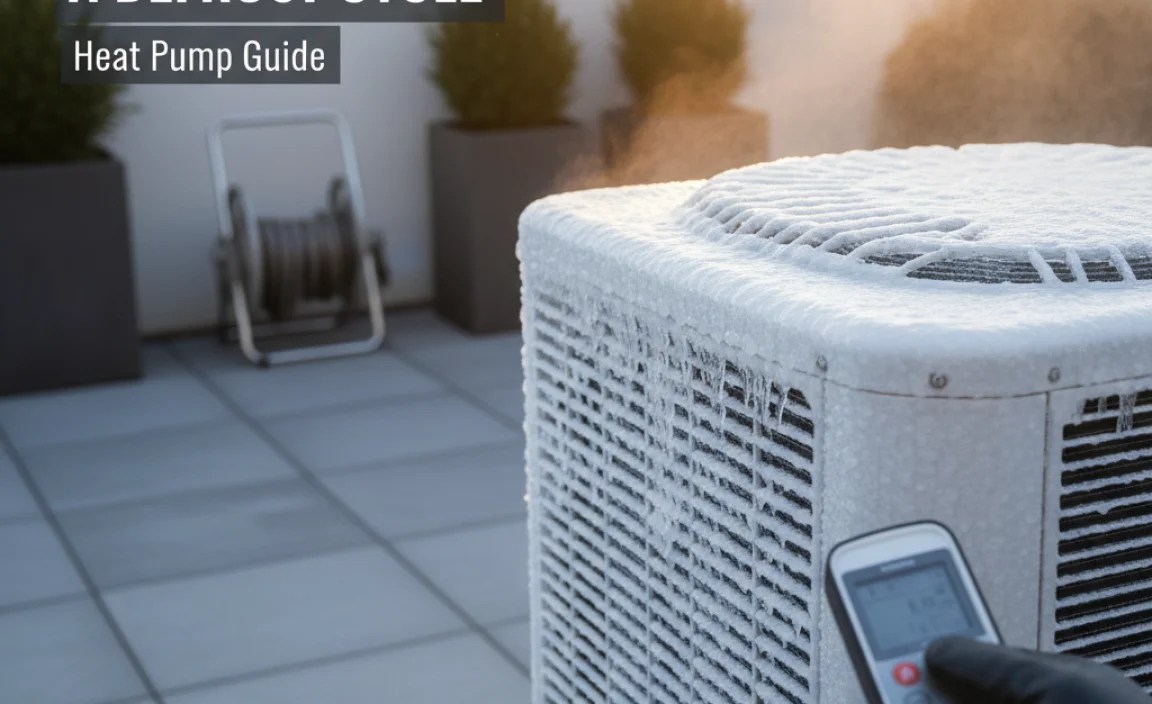
Knowing when to force a defrost cycle is just as important as knowing how. Here are a few scenarios where it might be necessary:
- Excessive Ice Buildup: If you notice a thick layer of ice on the outdoor unit, especially if it’s covering most of the coil.
- Reduced Heating Performance: If your home isn’t heating as well as it usually does, even though the heat pump is running.
- Defrost Cycle Not Activating: If you haven’t seen the defrost cycle activate in a while, even when the weather is cold and humid. You can usually tell when the defrost cycle is running because you’ll see steam rising from the outdoor unit and hear a change in the sound of the system.
Important Note: Before attempting to force a defrost cycle, make sure the issue isn’t due to something else, like a dirty air filter or blocked airflow around the outdoor unit. Check these things first to rule out other potential problems.
Methods to Force a Defrost Cycle
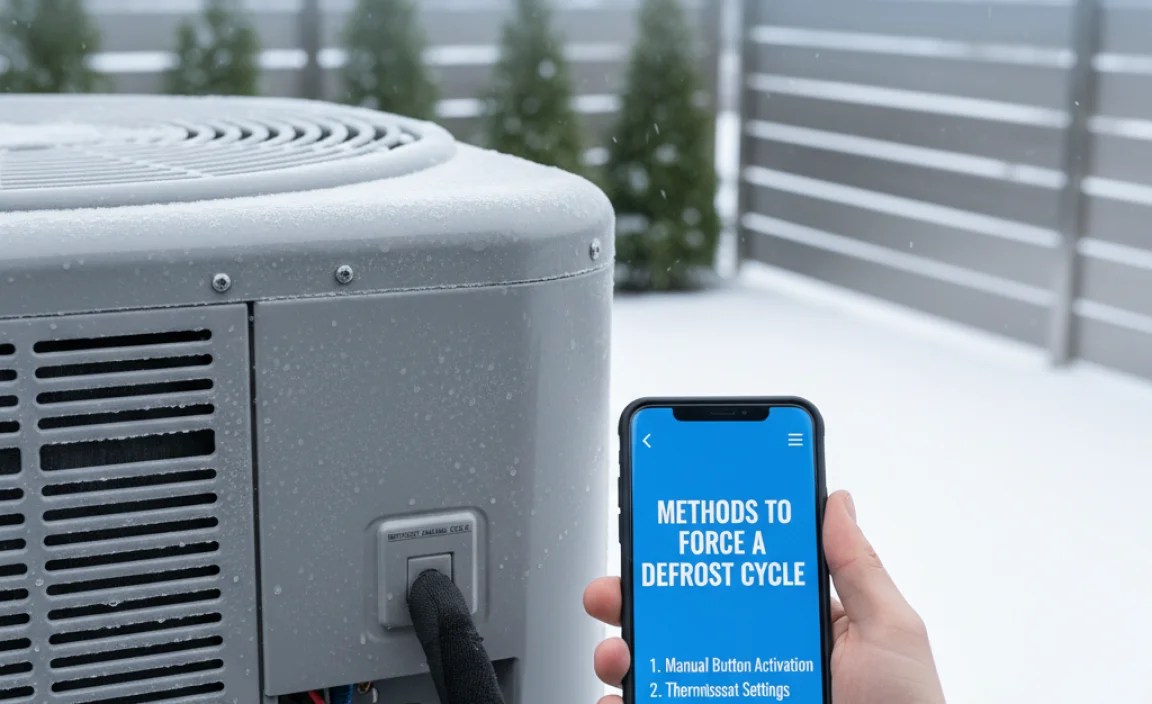
There are several ways to force a defrost cycle on a heat pump. The method you use will depend on the type of thermostat you have and the specific model of your heat pump. Always consult your owner’s manual for specific instructions for your unit.
Method 1: Thermostat Adjustment
This is the most common and often the simplest method. It involves temporarily turning off the heat pump and then switching it to emergency heat mode. This will usually trigger a defrost cycle when you switch it back to heat mode.
- Turn off the Thermostat: Set your thermostat to the “Off” position. Wait for a few minutes. This allows the system to reset.
- Switch to Emergency Heat: Change the thermostat setting to “Emergency Heat” or “Auxiliary Heat.” Let it run in this mode for a short period (around 5-10 minutes). This will warm up the coils.
- Return to Normal Heat Mode: Switch the thermostat back to the normal “Heat” mode. The heat pump should now initiate a defrost cycle. You might hear the fan stop and see steam rising from the outdoor unit.
- Monitor the System: Observe the outdoor unit to ensure the ice is melting. The defrost cycle usually lasts for about 10-15 minutes. Once the ice is gone, the system should return to normal heating operation.
Method 2: Defrost Button (If Applicable)
Some heat pumps have a dedicated “Defrost” button on the outdoor unit. This button is designed to manually activate the defrost cycle.
- Locate the Defrost Button: Check the outside of your heat pump unit for a button labeled “Defrost” or a similar term. It might be behind an access panel. Consult your owner’s manual for the exact location.
- Press the Defrost Button: Press and hold the button for a few seconds. This should initiate the defrost cycle.
- Monitor the System: Watch the outdoor unit to ensure the ice is melting. As with the thermostat method, the defrost cycle should last for about 10-15 minutes.
Method 3: Circuit Breaker Reset
This method is a bit more drastic and should only be used if the other methods don’t work. It involves turning off the circuit breaker that powers the heat pump, which can force the system to reset and initiate a defrost cycle.
- Locate the Circuit Breaker: Find the circuit breaker in your electrical panel that controls the heat pump. It’s usually labeled.
- Turn off the Breaker: Flip the breaker to the “Off” position. Wait for about 30 minutes. This allows the system to completely power down and reset.
- Turn the Breaker Back On: Flip the breaker back to the “On” position. This will restore power to the heat pump.
- Monitor the System: The heat pump should now start up and potentially initiate a defrost cycle. Observe the outdoor unit to see if the ice is melting.
Caution: Resetting the circuit breaker can sometimes cause other issues. Make sure you know what you’re doing before attempting this method. If you’re not comfortable working with electrical components, it’s best to call a qualified technician.
Method 4: Using Test Mode (For Advanced Users)
Some advanced heat pump models have a test mode that allows technicians to diagnose and troubleshoot the system. This mode can often be used to force a defrost cycle, but it requires a deeper understanding of the system’s controls and parameters.
Warning: This method is not recommended for beginners. Incorrectly using the test mode can damage your heat pump. Only attempt this if you have experience working with heat pump controls or are following instructions from a qualified technician.
- Access Test Mode: The procedure for accessing the test mode varies depending on the heat pump model. Consult your owner’s manual or a service manual for specific instructions. It often involves pressing a combination of buttons on the control panel.
- Initiate Defrost Cycle: Once in test mode, there should be an option to initiate a defrost cycle. Select this option and follow the on-screen prompts.
- Monitor the System: Observe the outdoor unit to ensure the ice is melting. The defrost cycle should run for a set period, and the system should then return to normal operation.
- Exit Test Mode: After the defrost cycle is complete, exit the test mode according to the instructions in the manual.
Troubleshooting Defrost Cycle Problems
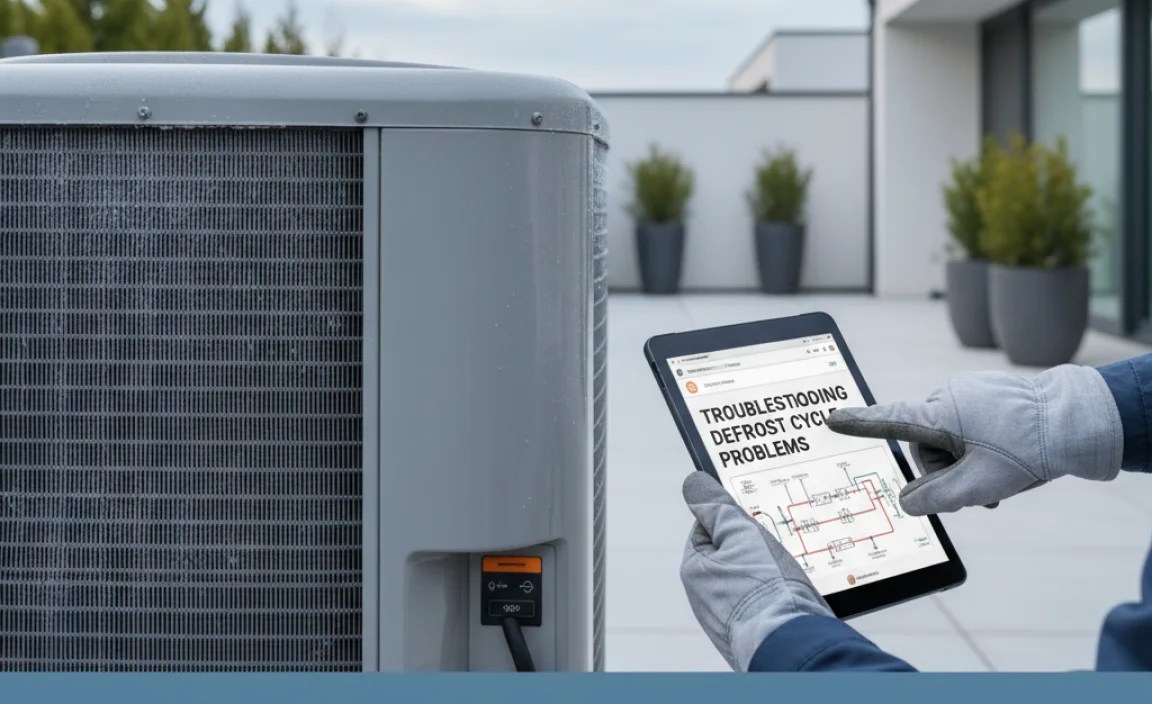
If you’ve tried forcing a defrost cycle and your heat pump is still not defrosting properly, there might be a more serious issue. Here are some common problems and potential solutions:
- Faulty Defrost Sensor: The defrost sensor monitors the temperature of the outdoor coil and tells the system when to initiate a defrost cycle. If the sensor is faulty, it might not be sending the correct signals. A technician can test and replace the sensor.
- Malfunctioning Control Board: The control board is the brain of the heat pump, controlling all of its functions, including the defrost cycle. If the control board is malfunctioning, it might not be activating the defrost cycle properly. This usually requires a technician to diagnose and replace the board.
- Refrigerant Leak: A refrigerant leak can reduce the heat pump’s ability to transfer heat, which can lead to excessive ice buildup. A technician can locate and repair the leak, and then recharge the system with refrigerant.
- Dirty Outdoor Coil: A dirty outdoor coil can restrict airflow and reduce the heat pump’s efficiency, leading to ice buildup. Clean the outdoor coil regularly to ensure proper airflow. You can use a garden hose with a gentle spray nozzle to rinse off any dirt and debris.
Preventing Ice Buildup
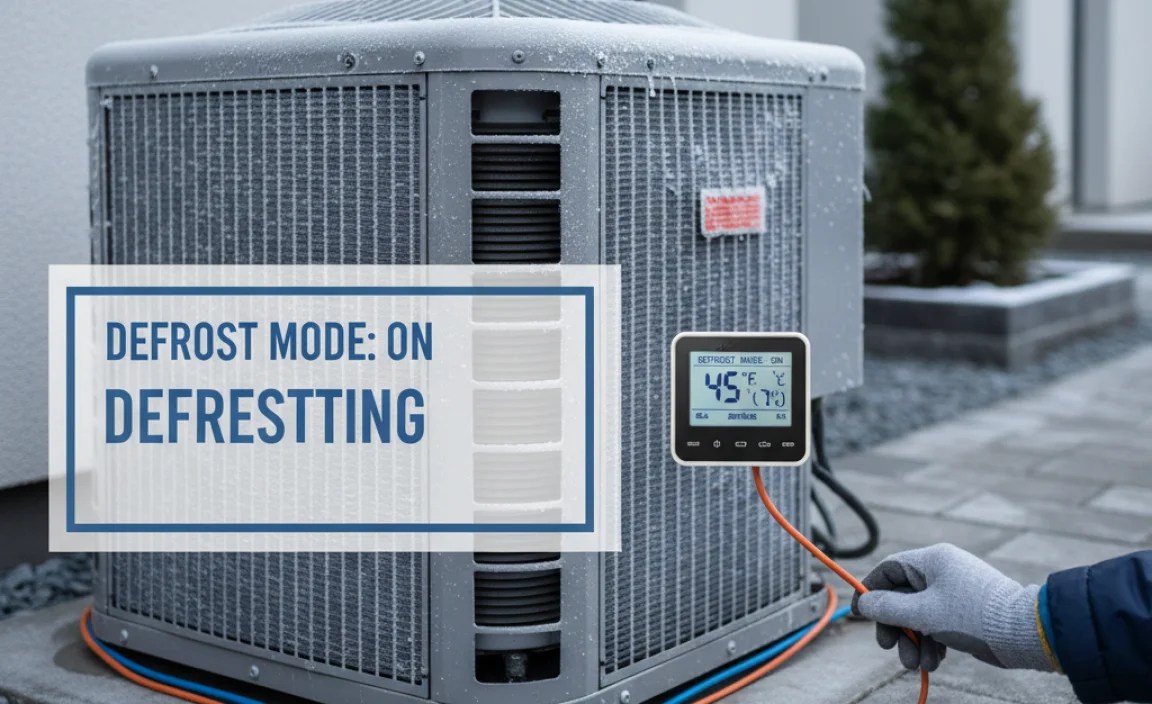
While knowing how to force a defrost cycle is helpful, it’s even better to prevent ice buildup in the first place. Here are some tips:
- Keep the Outdoor Unit Clear: Make sure there’s no debris, such as leaves, snow, or ice, blocking the airflow around the outdoor unit. Clear away any obstructions regularly.
- Clean the Outdoor Coil: Clean the outdoor coil at least once a year, preferably in the spring before the heating season starts. Use a garden hose with a gentle spray nozzle to rinse off any dirt and debris.
- Ensure Proper Drainage: Make sure the area around the outdoor unit is properly graded so that water can drain away easily. This will prevent water from pooling and freezing around the unit.
- Consider a Heat Pump Cover: In areas with heavy snowfall, consider using a heat pump cover to protect the unit from excessive snow and ice buildup. Make sure the cover allows for adequate airflow.
Heat Pump Defrost Cycle: Troubleshooting Table
Here’s a quick table to help you troubleshoot common defrost cycle issues:
| Problem | Possible Cause | Solution |
|---|---|---|
| Excessive ice buildup | Faulty defrost sensor, malfunctioning control board, refrigerant leak | Call a qualified technician |
| Defrost cycle not activating | Faulty defrost sensor, malfunctioning control board | Call a qualified technician |
| Reduced heating performance | Ice buildup, dirty outdoor coil, refrigerant leak | Force a defrost cycle, clean the coil, call a technician |
| Heat pump running constantly | Ice buildup, thermostat settings, air filter | Force a defrost cycle, check thermostat settings, replace air filter |
Heat Pump Maintenance Checklist
Regular maintenance can prevent many issues, including defrost problems. Use this checklist to keep your heat pump in top shape:
| Task | Frequency | Notes |
|---|---|---|
| Inspect outdoor unit | Monthly | Check for debris, ice, and snow buildup |
| Clean outdoor coil | Annually (Spring) | Use a garden hose with a gentle spray |
| Replace air filter | Every 1-3 months | A dirty filter restricts airflow |
| Inspect ductwork | Annually | Look for leaks and damage |
| Professional inspection | Annually | A technician can identify potential problems |
When to Call a Professional
While you can handle some defrost cycle issues on your own, there are times when it’s best to call a qualified HVAC technician. Here are some situations where professional help is recommended:
- Persistent Ice Buildup: If you’ve tried forcing a defrost cycle and the ice buildup keeps coming back, there might be an underlying problem that needs professional attention.
- Unusual Noises: If you hear any unusual noises coming from the heat pump, such as banging, grinding, or hissing, it could indicate a mechanical problem.
- Refrigerant Leaks: If you suspect a refrigerant leak, it’s important to call a technician right away. Refrigerant is harmful to the environment and needs to be handled properly.
- Electrical Issues: If you’re not comfortable working with electrical components, it’s best to leave any electrical repairs to a qualified technician.
FAQ: Defrost Cycle on Heat Pumps
1. How often should my heat pump go into defrost mode?
The frequency of defrost cycles depends on the weather conditions. In cold, humid weather, your heat pump might defrost every 30-90 minutes. In milder weather, it might defrost less frequently.
2. Is it normal to see steam coming from my heat pump during defrost?
Yes, it’s perfectly normal to see steam rising from the outdoor unit during the defrost cycle. This is simply the ice melting and turning into water vapor.
3. Why does my heat pump blow cold air during defrost?
During the defrost cycle, the heat pump temporarily switches to cooling mode to warm up the outdoor coil. To compensate for this, your auxiliary or emergency heat will kick in to keep your home warm. You might notice a brief period of cooler air, but it shouldn’t last long.
4. Can I manually remove ice from my heat pump?
While it might be tempting to chip away at the ice, it’s not recommended. You could damage the delicate fins on the outdoor coil. It’s best to let the defrost cycle do its job or try forcing a defrost cycle if necessary.
5. What is the ideal temperature for a heat pump to operate efficiently?
Heat pumps operate most efficiently in temperatures above 40°F (4°C). As the temperature drops below freezing, their efficiency decreases, and they may rely more on auxiliary heat.
6. How can I improve my heat pump’s efficiency in cold weather?
To improve your heat pump’s efficiency in cold weather, make sure the outdoor unit is clear of debris, replace the air filter regularly, and consider using a programmable thermostat to lower the temperature when you’re not home.
7. What does “Emergency Heat” do on my thermostat?
Emergency heat bypasses the heat pump and uses electric resistance heating to warm your home. It’s less efficient than the heat pump, so it should only be used in emergencies or when the heat pump is not functioning properly.
Conclusion
Forcing a defrost cycle on your heat pump is a simple task that can often resolve ice buildup issues and restore your system to normal operation. By following the steps outlined in this guide, you can keep your home warm and your heat pump running efficiently. Remember to consult your owner’s manual for specific instructions for your unit, and don’t hesitate to call a qualified technician if you encounter any problems you can’t handle yourself. Keeping your heat pump well-maintained will not only extend its life but also save you money on your energy bills. Stay warm!
“`


