How to Use a Cycle Foot Pump: A Beginner’s Guide

Quick Summary: Using a cycle foot pump is easy! First, make sure the pump head fits your tire valve (Presta or Schrader). Connect the pump securely to the valve. Place your feet on the pump’s base and use a steady, even motion to pump air into the tire until you reach the recommended PSI. Check the pressure with the pump’s gauge or a separate gauge.
Flat tires are a cyclist’s worst nightmare. They always seem to happen at the most inconvenient times. But with a good cycle foot pump, you can quickly inflate your tires and get back on the road or trail. Many cyclists find using a hand pump tiring, especially when trying to reach higher pressures. A foot pump offers a more stable and efficient way to inflate your tires. This guide will show you how to use a cycle foot pump like a pro, making tire inflation a breeze. We’ll cover everything from choosing the right pump to mastering the pumping technique. Let’s get rolling!
Understanding Cycle Foot Pumps

Before we dive into the how-to, let’s look at what makes up a cycle foot pump and why it’s a great tool for cyclists.
What is a Cycle Foot Pump?
A cycle foot pump, also known as a floor pump, is a device used to inflate bicycle tires. It consists of a cylinder, a piston, a hose, a pump head, and a base you stand on. Foot pumps provide more leverage and stability than hand pumps, making it easier to inflate tires to higher pressures. They also usually have a built-in pressure gauge, allowing you to inflate your tires precisely.
Benefits of Using a Foot Pump
Here’s why a foot pump is a must-have for any cyclist:
- Efficiency: Foot pumps allow you to use your body weight for leverage, making inflation easier.
- Accuracy: Most foot pumps have a built-in pressure gauge for precise inflation.
- Stability: The base provides a stable platform, preventing the pump from tipping over.
- Speed: You can inflate tires much faster than with a hand pump.
- Versatility: Many foot pumps come with adapters for different valve types (Presta and Schrader) and other inflatables.
Types of Bike Tire Valves
Knowing your valve type is crucial for proper inflation. The two main types are:
- Presta: Also known as French valves, Presta valves are narrower and have a locking nut at the tip. They are commonly found on road bikes and high-performance bicycles.
- Schrader: Similar to car tire valves, Schrader valves are wider and have a spring-loaded pin in the center. They are commonly found on mountain bikes, hybrid bikes, and some road bikes.
Choosing the Right Cycle Foot Pump

With so many options available, picking the right foot pump can be overwhelming. Here’s what to consider:
- Valve Compatibility: Ensure the pump head is compatible with both Presta and Schrader valves, or choose a pump with an adapter. Some pumps have a dual head that fits both types.
- Pressure Gauge: A clear, accurate pressure gauge is essential. Look for one that is easy to read and displays both PSI (pounds per square inch) and bar (metric unit).
- Maximum Pressure: Consider the maximum pressure your tires require. Road bike tires often need higher pressures (100-120 PSI) than mountain bike tires (30-50 PSI). Choose a pump that can handle the pressures you need.
- Build Quality: Look for a pump with a sturdy base, durable cylinder, and a comfortable handle. A well-built pump will last longer and provide a better pumping experience.
- Hose Length: A longer hose can be more convenient, especially if you have a bike stand or need to reach tires in awkward positions.
Here’s a comparison table of some popular cycle foot pumps:
| Pump Model | Valve Compatibility | Maximum Pressure | Features | Price Range |
|---|---|---|---|---|
| Topeak JoeBlow Sport III | Presta and Schrader | 160 PSI | SmartHead DX3, large gauge | $40-$50 |
| Serfas TCPG | Presta and Schrader | 160 PSI | Ergonomic handle, stable base | $35-$45 |
| Park Tool PFP-8 | Presta and Schrader | 160 PSI | Durable construction, easy-to-read gauge | $50-$60 |
| Lezyne Classic Floor Drive | Presta and Schrader | 220 PSI | High-pressure capability, stylish design | $70-$80 |
Step-by-Step Guide: Using a Cycle Foot Pump
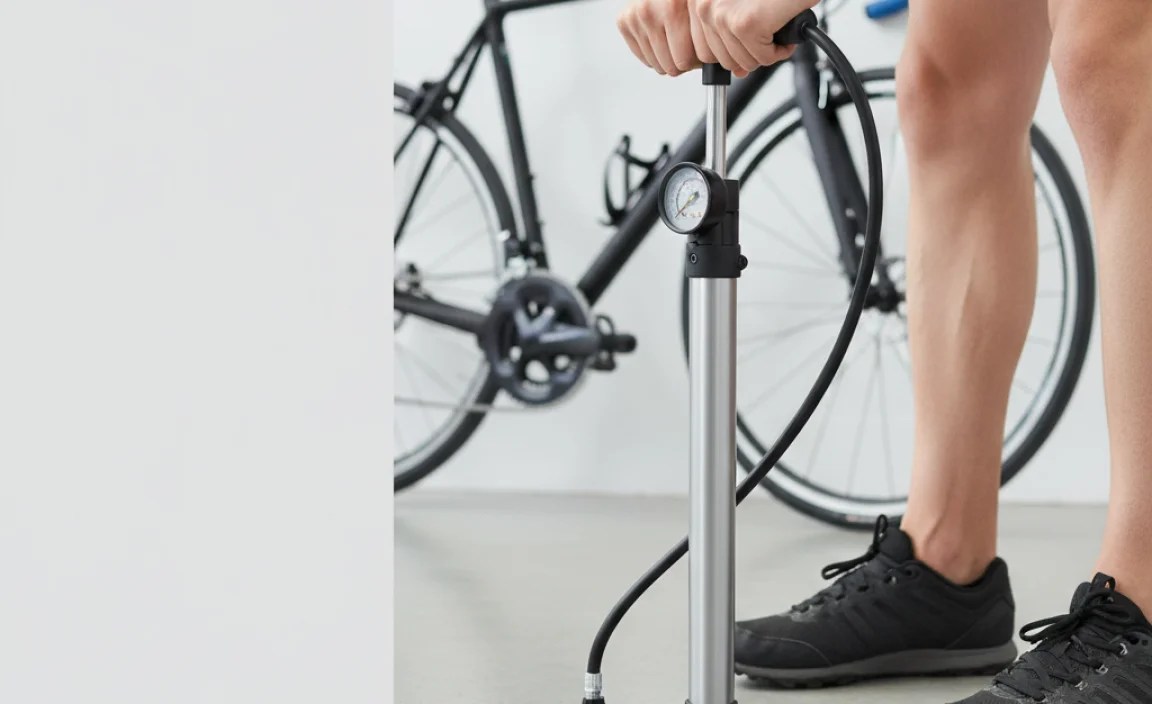
Now, let’s get to the main event: how to use a cycle foot pump. Follow these steps for efficient and accurate tire inflation.
Step 1: Prepare Your Bike and Pump
Before you start, make sure your bike is stable. If you have a bike stand, use it. Otherwise, lean your bike against a wall or sturdy object. Ensure the pump is within easy reach and the hose isn’t tangled.
Step 2: Identify Your Tire Valve Type
Determine whether you have a Presta or Schrader valve. This will determine how you attach the pump head.
Step 3: Prepare the Valve
For Presta Valves:
- Remove the valve cap.
- Loosen the locking nut at the tip of the valve by turning it counterclockwise.
- Press the valve tip briefly to release any trapped air and ensure it’s not stuck.
For Schrader Valves:
- Remove the valve cap.
- No further preparation is needed.
Step 4: Attach the Pump Head
Most foot pumps have a dual-head design or an adapter for both valve types. Select the appropriate opening for your valve.
Attaching to a Presta Valve:
- Firmly press the pump head onto the valve.
- Flip the locking lever on the pump head to secure the connection. This creates an airtight seal.
Attaching to a Schrader Valve:
- Firmly press the pump head onto the valve.
- Ensure the pump head is fully seated on the valve. Some Schrader-compatible pump heads have a lever to tighten the fit, but most do not.
Step 5: Begin Pumping
Now comes the pumping action!
- Place both feet on the base of the pump for stability.
- Grip the handle firmly with both hands.
- Use a smooth, steady motion to push the handle down. Use your body weight to assist, but avoid slamming the handle.
- Watch the pressure gauge as you pump. It will indicate the current pressure in your tire.
- Continue pumping until you reach the desired pressure.
Step 6: Check the Pressure
Refer to the sidewall of your tire for the recommended pressure range (usually indicated in PSI). Avoid exceeding the maximum pressure. If your pump has an inaccurate gauge, use a separate digital pressure gauge for precise readings. A good digital gauge is the Accutire MS-4021B.
Step 7: Detach the Pump Head
Once you’ve reached the desired pressure, carefully detach the pump head.
Detaching from a Presta Valve:
- Flip the locking lever on the pump head to release the seal.
- Gently pull the pump head straight off the valve.
Detaching from a Schrader Valve:
- Gently pull the pump head straight off the valve.
Step 8: Secure the Valve
For Presta Valves:
- Tighten the locking nut on the valve by turning it clockwise.
- Replace the valve cap.
For Schrader Valves:
- Replace the valve cap.
Step 9: Repeat for the Other Tire
Follow the same steps to inflate the other tire. Maintaining consistent pressure in both tires ensures optimal handling and performance.
Troubleshooting Common Issues
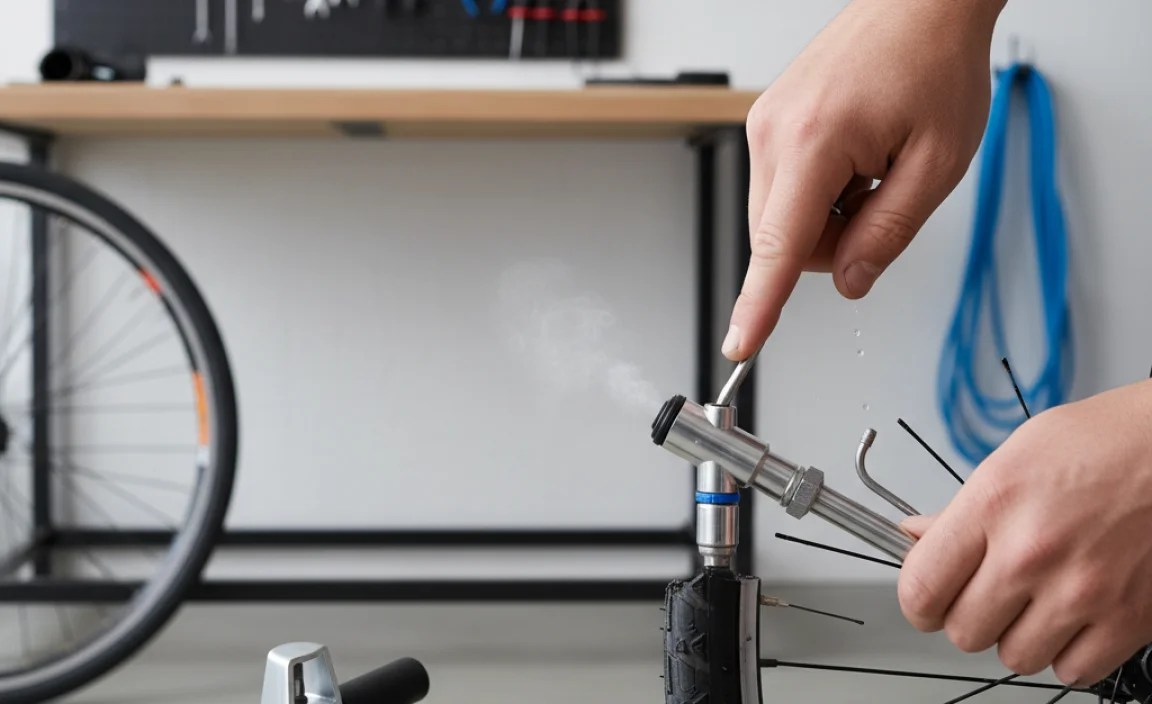
Even with the best equipment, you might encounter some issues. Here’s how to troubleshoot common problems:
- Pump Not Inflating:
- Ensure the pump head is securely attached to the valve.
- Check the locking lever (if applicable) is engaged.
- Make sure the valve is open (especially for Presta valves).
- Inspect the pump hose for leaks or damage.
- Air Leaking from Valve:
- Ensure the pump head is properly seated on the valve.
- Check the valve core for damage or debris.
- Tighten the Presta valve nut if it’s loose.
- Inaccurate Pressure Reading:
- Use a separate digital pressure gauge to verify the reading.
- Check the pump gauge for damage or calibration issues.
- Difficulty Pumping:
- Ensure the pump is properly lubricated.
- Check for obstructions in the pump hose or valve.
- Make sure you are using proper technique, using your body weight to assist.
Tips for Maintaining Your Cycle Foot Pump

Proper maintenance will extend the life of your foot pump and ensure reliable performance.
- Regular Cleaning: Wipe down the pump with a damp cloth to remove dirt and grime.
- Lubrication: Periodically lubricate the piston and other moving parts with a silicone-based lubricant.
- Hose Inspection: Check the hose for cracks or damage. Replace it if necessary.
- Valve Head Maintenance: Clean the valve head and replace any worn-out seals or O-rings.
- Storage: Store the pump in a dry place, away from direct sunlight and extreme temperatures.
Understanding Tire Pressure
Maintaining the correct tire pressure is essential for optimal performance, comfort, and safety. Here’s what you need to know:
Why Tire Pressure Matters
- Rolling Resistance: Correct pressure reduces rolling resistance, making it easier to pedal and increasing speed.
- Grip: Proper pressure optimizes the contact patch between the tire and the road, improving grip and handling.
- Comfort: Adjusting pressure can improve ride comfort, especially on rough surfaces.
- Puncture Resistance: Adequate pressure reduces the risk of pinch flats (snakebite punctures).
Factors Affecting Tire Pressure
Several factors influence the ideal tire pressure:
- Tire Width: Wider tires generally require lower pressures.
- Rider Weight: Heavier riders need higher pressures.
- Road Conditions: Rough roads may benefit from slightly lower pressures for added comfort and grip.
- Tire Type: Different tire types (e.g., road, mountain, hybrid) have different pressure requirements.
Recommended Tire Pressure Ranges
Here are some general guidelines for tire pressure:
| Bike Type | Tire Width | Recommended Pressure (PSI) |
|---|---|---|
| Road Bike | 23-25mm | 100-120 PSI |
| Road Bike | 28-32mm | 80-100 PSI |
| Mountain Bike | 2.0-2.4″ | 25-40 PSI |
| Hybrid Bike | 32-45mm | 50-70 PSI |
Always refer to the tire sidewall for the manufacturer’s recommended pressure range. These are just guidelines, and you can adjust the pressure based on your preferences and riding conditions.
Advanced Techniques and Tips
Once you’ve mastered the basics, here are some advanced techniques and tips to enhance your tire inflation experience:
- Using a Digital Pressure Gauge: For precise pressure readings, use a digital pressure gauge. These gauges are more accurate than most built-in pump gauges.
- Adjusting Pressure for Different Conditions: Experiment with different pressures to find the optimal balance of comfort, grip, and rolling resistance for various riding conditions.
- Tubeless Tire Inflation: Inflating tubeless tires can be challenging. Use a pump with a high-volume chamber or a dedicated tubeless inflator to seat the tire beads properly.
- Using CO2 Inflators: CO2 inflators are a quick and convenient way to inflate tires on the road. Practice using them at home before relying on them during a ride.
FAQ: Cycle Foot Pumps
Here are some frequently asked questions about cycle foot pumps:
What is the difference between Presta and Schrader valves?
Presta valves are narrow with a locking nut at the tip, commonly found on road bikes. Schrader valves are wider, like car tire valves, and found on mountain and hybrid bikes.
How do I know what PSI to inflate my tires to?
Check the sidewall of your tire for the recommended pressure range. This is usually indicated in PSI (pounds per square inch).
Can I use a car tire pump for my bike?
Yes, if you have a Schrader valve. However, car tire pumps often inflate to higher pressures than needed for bikes, so be careful not to overinflate.
Why is my pump not inflating my tire?
Make sure the pump head is securely attached to the valve, the valve is open (for Presta), and there are no leaks in the hose or valve head.
How often should I check my tire pressure?
Ideally, check your tire pressure before every ride. At a minimum, check it once a week.
What is a pinch flat?
A pinch flat, or snakebite puncture, occurs when the tire is underinflated and the tube gets pinched between the rim and the road, causing two small holes.
Can I use a foot pump for tubeless tires?
Yes, but a high-volume pump or a dedicated tubeless inflator is recommended to seat the tire beads properly.
Conclusion
Using a cycle foot pump is a simple yet essential skill for any cyclist. By following this guide, you can confidently inflate your tires to the correct pressure, ensuring a safe, comfortable, and efficient ride. Remember to choose the right pump, maintain it properly, and understand the importance of tire pressure. With a little practice, you’ll be pumping like a pro in no time! Now that you know how to use a cycle foot pump, you’re one step closer to enjoying worry-free cycling adventures.
“`