
How Long Should a Well Pump Run Per Cycle? A Simple Guide

Quick Summary: A well pump should typically run for 1-3 minutes per cycle to deliver water and maintain pressure. Longer or shorter run times can signal problems like a low-yield well, leaks, or a failing pump. Regular monitoring and maintenance are key to ensuring efficient and reliable water supply.
Is your well pump running too long or too short? It’s a common worry for homeowners who rely on well water. A pump that cycles improperly can waste energy, damage your equipment, and leave you without water. Understanding the ideal run time for your well pump is the first step to ensuring a healthy water system. Don’t worry, it’s easier than you think! In this guide, we’ll break down how to determine the correct cycle length, what to do if it’s off, and how to keep your well system running smoothly.
Understanding Well Pump Basics
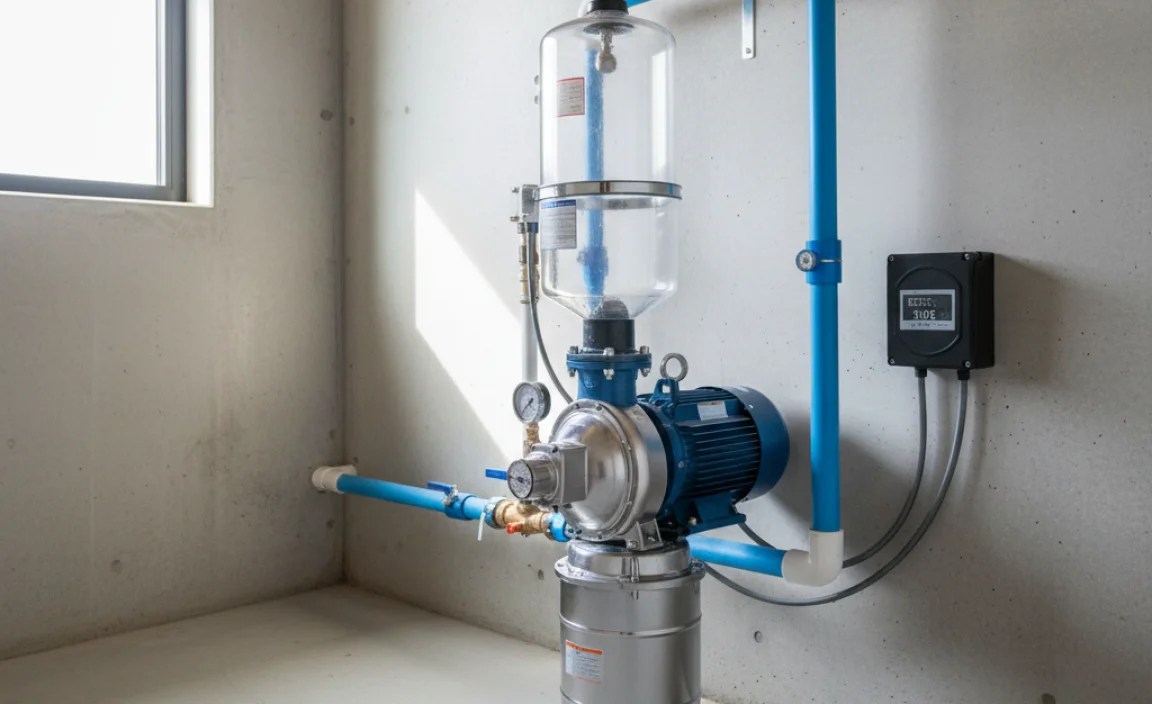
Before diving into cycle times, let’s cover the basics. A well pump’s job is to pull water from your well and deliver it to your home. Here’s what you need to know:
- Well Types: There are primarily two types – shallow well and deep well. Shallow wells are less than 25 feet deep, while deep wells can go hundreds of feet down.
- Pump Types: Submersible pumps are placed inside the well, and jet pumps are located above ground. Submersible pumps are more common and efficient.
- Pressure Tank: This tank stores water under pressure, allowing you to use water without the pump turning on every time you open a faucet.
- Pressure Switch: This switch monitors the water pressure in the tank. When the pressure drops to a set “cut-in” point, the switch turns the pump on. When the pressure reaches the “cut-out” point, the pump turns off.
What’s a Normal Well Pump Cycle Time?

A “normal” well pump cycle time depends on several factors, but a good starting point is 1-3 minutes. Here’s a more detailed breakdown:
- Ideal Run Time: Aim for a run time that fills your pressure tank without excessive cycling.
- Factors Affecting Run Time: These include well depth, pump size, pressure tank size, and water usage.
- Short Cycling: This is when the pump turns on and off frequently, often for less than a minute. It’s a sign of a problem.
- Long Cycling: This is when the pump runs for extended periods, possibly indicating a low-yield well or a leak.
How to Determine Your Ideal Well Pump Cycle Time

Here’s a step-by-step guide to figuring out the right cycle time for your well pump:
- Check Your Pressure Tank Size: Locate the pressure tank, usually near the well pump. Note its capacity in gallons.
- Identify Your Pump’s Flow Rate: This is usually listed on the pump’s label in gallons per minute (GPM).
- Monitor a Full Cycle: Turn on a faucet until the pump starts. Time how long it takes for the pump to shut off.
- Calculate Water Drawdown: The drawdown is the amount of water used between the pump’s cut-in and cut-out pressures. A typical drawdown is about 1/3 of the tank’s capacity. For example, a 30-gallon tank will have about a 10-gallon drawdown.
- Compare to Expected Run Time: Divide the drawdown (in gallons) by the pump’s flow rate (in GPM). This gives you the ideal run time in minutes.
Example: If you have a 30-gallon tank (10-gallon drawdown) and a pump that delivers 5 GPM, the ideal run time should be around 2 minutes (10 gallons / 5 GPM = 2 minutes).
Troubleshooting Short Cycling

Short cycling is one of the most common well pump problems. Here’s what causes it and how to fix it:
- Cause 1: Low Air Pressure in the Tank: The most common culprit. The tank needs an air cushion to function correctly.
- Solution: Turn off the pump, drain the tank completely, and check the air pressure with a tire gauge. It should be 2 PSI below the pump’s cut-in pressure (usually around 28 PSI). Add air with a compressor if needed.
- Cause 2: Waterlogged Tank: Over time, the air cushion can disappear, and the tank becomes waterlogged.
- Solution: Drain the tank and recharge the air pressure as described above. If the problem persists, the tank’s bladder may be damaged, requiring replacement.
- Cause 3: Faulty Pressure Switch: The switch might be turning the pump on and off prematurely.
- Solution: Check the switch contacts for corrosion or damage. You can try adjusting the pressure settings (refer to the switch’s manual), but if it’s faulty, replacement is the best option.
- Cause 4: Leaks in the Plumbing: Leaks cause the pressure to drop quickly, triggering short cycles.
- Solution: Inspect all pipes and connections for leaks. Repair or replace any damaged sections.
Troubleshooting Long Cycling

Long cycling means your pump is running for too long to fill the pressure tank. Here’s what could be happening:
- Cause 1: Low-Yield Well: The well simply can’t produce water fast enough to meet demand.
- Solution: Consider hydrofracking (if permitted in your area) to increase water flow or consult with a well drilling professional about deepening the well or exploring alternative water sources. Conserving water is also crucial.
- Cause 2: Leaks in the System: Leaks can cause the pump to run continuously to maintain pressure.
- Solution: Check for leaks in toilets, faucets, and underground pipes. A sudden increase in your water bill can be a clue.
- Cause 3: Failing Pump: An aging or damaged pump may not be able to deliver its rated flow.
- Solution: Have a well professional inspect the pump. If it’s nearing the end of its lifespan (typically 10-15 years), replacement is often the most cost-effective solution.
- Cause 4: Clogged Well Screen: A clogged screen restricts water flow into the well.
- Solution: Hire a professional to clean or rehabilitate the well. This may involve removing the pump and cleaning the screen with specialized equipment.
Maintaining Your Well Pump System
Regular maintenance is key to preventing problems and extending the life of your well pump. Here’s a checklist:
- Check Air Pressure Annually: As described earlier, maintain the correct air pressure in your pressure tank.
- Inspect for Leaks Regularly: Look for signs of leaks around pipes, fittings, and the pressure tank.
- Monitor Water Quality: Test your water annually for bacteria, nitrates, and other contaminants. Contact your local health department or a certified laboratory for testing services.
- Keep the Well Area Clean: Remove debris and vegetation from around the wellhead to prevent contamination.
- Consider a Well Inspection: Have a professional inspect your well and pump every few years, especially if you notice changes in water quality or pump performance.
DIY vs. Professional Help
Some well pump issues, like adjusting air pressure or fixing minor leaks, can be handled DIY. However, more complex problems require professional expertise. Here’s a guideline:
- DIY-Friendly Tasks:
- Checking and adjusting air pressure in the pressure tank.
- Inspecting for and repairing minor leaks in accessible plumbing.
- Monitoring water pressure and pump cycle times.
- When to Call a Professional:
- Replacing a faulty pump or pressure switch.
- Dealing with a low-yield well.
- Cleaning or rehabilitating a well.
- Suspecting contamination in your well water.
- Any electrical work related to the pump system.
Cost Considerations
Well pump repairs and replacements can vary in cost depending on the problem and the type of equipment involved. Here’s a general idea:
| Service | Typical Cost Range |
|---|---|
| Pressure Tank Replacement | $300 – $800 |
| Pressure Switch Replacement | $50 – $200 |
| Well Pump Replacement (Submersible) | $800 – $2,500 |
| Well Cleaning/Rehabilitation | $500 – $1,500 |
Note: These are just estimates. Get quotes from multiple contractors for accurate pricing.
Extending the Life of Your Well Pump
Want to keep your well pump running strong for years to come? Here are some tips:
- Use Water Wisely: Conserve water to reduce the workload on your pump. Fix leaky faucets and toilets promptly.
- Install a Water Softener (If Needed): Hard water can damage plumbing and appliances. A water softener can extend their lifespan.
- Protect from Freezing: Insulate pipes and the pressure tank to prevent freezing in cold climates.
- Regular Inspections: As mentioned earlier, regular professional inspections can catch problems early.
Well Pump Cycle Time: Key Takeaways
Let’s recap the main points:
- A typical well pump cycle should last 1-3 minutes.
- Short cycling indicates a problem, often with the pressure tank.
- Long cycling can mean a low-yield well or leaks.
- Regular maintenance is essential for a healthy well system.
- Don’t hesitate to call a professional for complex issues.
FAQ About Well Pump Cycle Times
Here are some frequently asked questions about well pump cycle times:
- Q: Why is my well pump turning on and off so quickly?
- A: This is called short cycling and is often caused by low air pressure in the pressure tank. Check the air pressure and recharge the tank if needed.
- Q: How do I check the air pressure in my pressure tank?
- A: Turn off the pump, drain the tank completely, and use a tire gauge to check the pressure at the Schrader valve (usually located on top of the tank). The pressure should be 2 PSI below the pump’s cut-in pressure.
- Q: What is a “cut-in” pressure?
- A: The cut-in pressure is the water pressure at which the pump turns on. It’s usually set at 30 or 40 PSI.
- Q: How long should my well pump last?
- A: A well-maintained well pump can last 10-15 years.
- Q: Can I replace a well pump myself?
- A: Replacing a well pump involves electrical work and heavy lifting. It’s best left to a qualified professional.
- Q: What are the signs of a failing well pump?
- A: Signs include decreased water pressure, unusual noises, rusty water, and frequent cycling.
- Q: How often should I test my well water?
- A: It’s recommended to test your well water annually for bacteria, nitrates, and other contaminants.
Conclusion
Understanding how long your well pump should run per cycle is a crucial part of maintaining a reliable water supply. By monitoring your pump’s performance, troubleshooting common issues, and following a regular maintenance schedule, you can keep your well system running smoothly for years to come. Remember, when in doubt, don’t hesitate to call a qualified well professional. A little preventative maintenance can save you from costly repairs and ensure you always have access to clean, safe water.
“`


