
Why Do Shotshells Cycle in a Pump .22? Understanding the Mechanics

Quick Summary: Shotshells sometimes cycle in a pump-action .22 rifle due to their shorter length, which prevents proper feeding and ejection. The .22 pump-action rifle is designed for the specific length of .22 LR cartridges. Shotshells can sometimes be manually cycled, but it’s not recommended because they may not function reliably, and could potentially damage the rifle. Understanding the mechanics of your firearm is key to safe and effective operation.
Ever wondered why those tiny .22 shotshells don’t always play nice in your pump-action .22 rifle? It’s a common head-scratcher for new shooters. You load them up, work the action, and… sometimes they feed, sometimes they don’t. Sometimes they eject, sometimes they don’t. It can be frustrating! The good news is, there’s a simple explanation rooted in the mechanics of your rifle. Knowing why this happens will help you avoid potential problems and keep your firearm functioning smoothly. Let’s dive into the workings of your .22 pump-action and see why shotshells can be a bit finicky.
Understanding the .22 Pump-Action Rifle

To understand why shotshells sometimes struggle in a .22 pump-action, it’s essential to first grasp how these rifles are designed to function. The .22 pump-action, also known as a slide-action rifle, operates through a manual cycling process. Here’s the breakdown:
- Loading: Cartridges are loaded into a tubular magazine, typically located under the barrel.
- Chambering: The user manually slides the fore-end (the part you grip and pump) rearward, which ejects a spent cartridge (if any) and cocks the hammer.
- Feeding: As the fore-end is pushed forward, a fresh cartridge is stripped from the magazine and fed into the chamber.
- Locking: The action locks, securing the cartridge in the chamber, ready for firing.
- Firing: Pulling the trigger releases the hammer, which strikes the firing pin, igniting the cartridge.
- Ejection: After firing, the cycle repeats, ejecting the spent casing and loading a new cartridge.
This entire process relies on precise timing and cartridge dimensions. The rifle is specifically engineered to work with the .22 Long Rifle (.22 LR) cartridge, the most common type of .22 ammunition.
The Issue with Shotshells
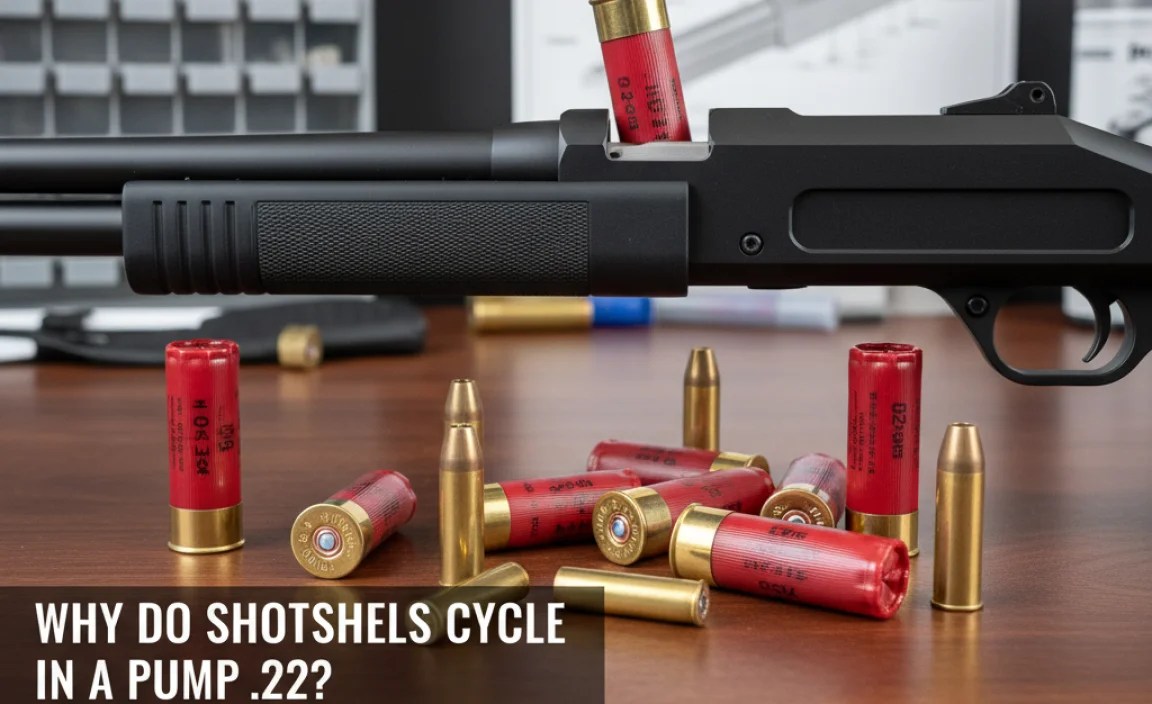
So, what makes shotshells different? Shotshells, also known as rat shot or bird shot, are cartridges loaded with tiny pellets instead of a single bullet. They’re designed for very short-range pest control, like dealing with rodents or birds at close quarters. The key difference lies in their construction and dimensions.
- Shorter Length: .22 shotshells are often shorter than standard .22 LR cartridges. This is a crucial factor because the pump-action mechanism is designed to cycle cartridges of a specific length.
- Different Rim: While the rim diameter is similar to a .22 LR, slight variations can exist, affecting how the cartridge sits in the chamber and is engaged by the extractor.
- Crimped Case: Shotshells have a crimped or sealed case to hold the shot pellets. This crimp can sometimes interfere with smooth feeding and extraction.
Because of these differences, shotshells don’t always feed reliably from the magazine, chamber properly, or eject cleanly in a pump-action rifle designed for .22 LR cartridges. The rifle’s mechanism simply isn’t optimized for the shotshell’s unique dimensions.
Why Shotshells May (Sometimes) Cycle
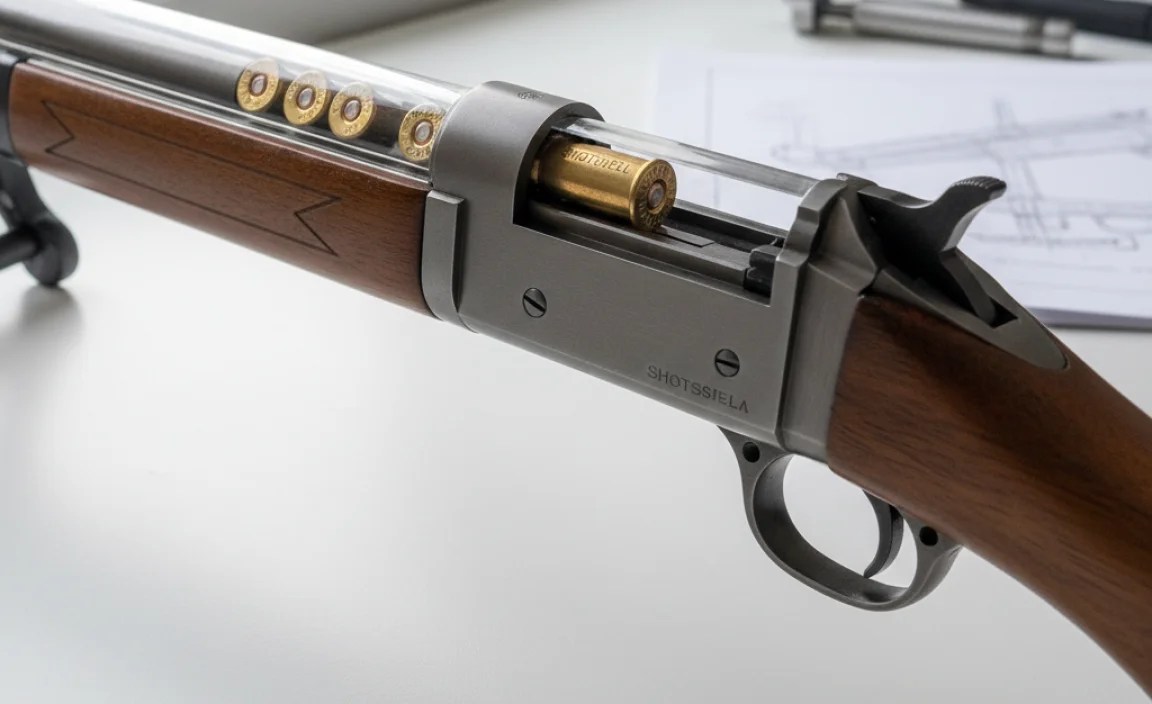
Despite the design differences, some shooters find that shotshells will occasionally cycle in their pump-action .22s. Here’s why this might happen:
- Manual Assistance: Sometimes, manually working the action with extra force or a specific technique can force the shotshell to feed or eject. However, this isn’t reliable and can potentially damage the firearm over time.
- Rifle Variation: Manufacturing tolerances vary from rifle to rifle. Some rifles might be slightly more forgiving of the shotshell’s dimensions than others.
- Shotshell Brand: Different brands of .22 shotshells may have slightly different dimensions or crimp designs. Some might cycle more reliably in a particular rifle than others.
It’s important to note that even if shotshells *can* be made to cycle, it doesn’t mean they *should* be. The potential for malfunctions and damage outweighs the convenience.
Potential Problems with Using Shotshells in a Pump-Action .22
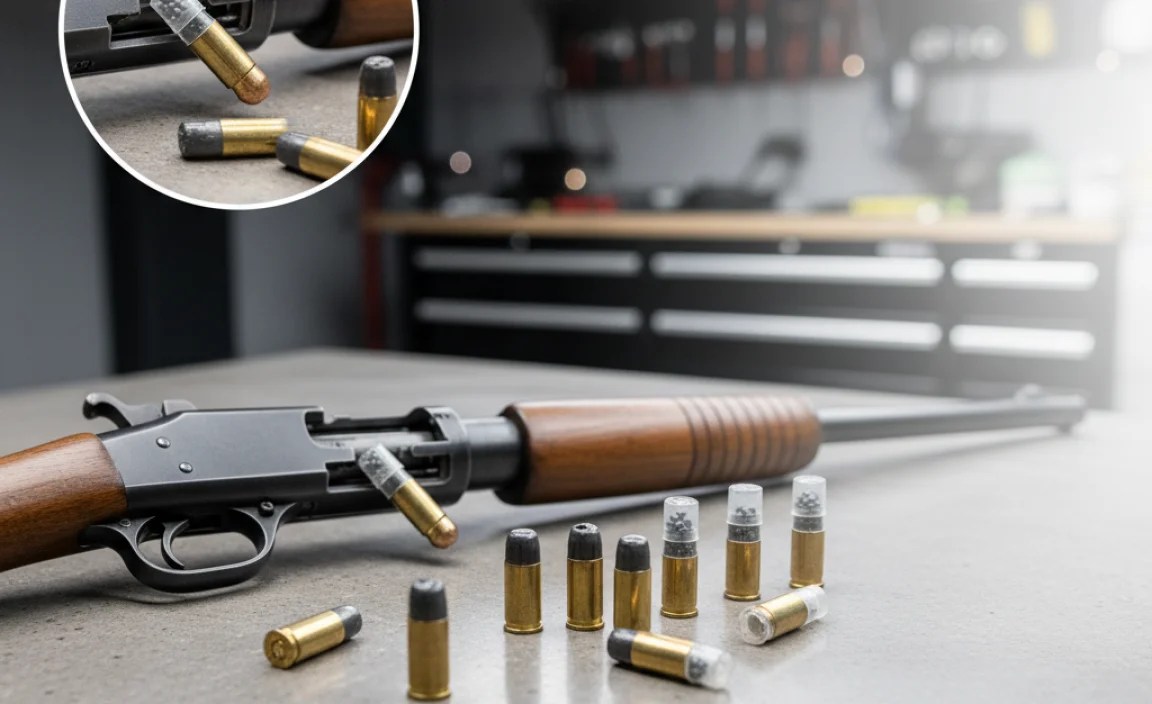
Using shotshells in a .22 pump-action rifle not designed for them can lead to several problems:
- Failure to Feed: The shotshell may not properly align with the chamber, preventing it from feeding correctly.
- Failure to Eject: The shorter length and crimped case can cause the shotshell to get stuck in the chamber after firing.
- Damaged Extractor: Forcing the action to extract a stuck shotshell can damage the extractor, a small but critical part responsible for removing spent cartridges.
- Magazine Issues: Shotshells can sometimes cause jams or feeding problems in the tubular magazine.
- Inconsistent Accuracy: Shotshells are inherently less accurate than standard .22 LR cartridges, and the inconsistency can be amplified when used in a rifle not designed for them.
Repeatedly forcing shotshells through your rifle can lead to unnecessary wear and tear, potentially shortening the lifespan of your firearm. It’s always best to use ammunition that is specifically designed for your firearm.
Safe Alternatives to Using Shotshells in a .22 Pump-Action

If you need to control pests, but want to avoid using shotshells in your .22 pump-action, here are a few safe and effective alternatives:
- .22 LR Ammunition: Standard .22 LR ammunition is accurate and effective for many pest control situations. Use appropriate shot placement and follow all safety guidelines.
- Air Rifles: High-powered air rifles can be a good option for close-range pest control. They are often quieter than firearms and can be very accurate. Always check local laws and regulations regarding air rifle use.
- Trapping: Trapping can be an effective and humane way to remove pests from your property.
- Professional Pest Control: For serious infestations, consider hiring a professional pest control service. They have the knowledge, tools, and experience to safely and effectively eliminate pests.
Troubleshooting Common Issues
Even when using the correct ammunition, you might occasionally encounter issues with your .22 pump-action. Here are some common problems and how to troubleshoot them:
| Issue | Possible Cause | Solution |
|---|---|---|
| Failure to Feed | Dirty magazine tube | Clean the magazine tube with a solvent and a brush. |
| Failure to Eject | Dirty chamber | Clean the chamber with a chamber brush and solvent. |
| Stiff Action | Lack of lubrication | Apply a light coat of gun oil to the moving parts of the action. |
| Misfires | Damaged firing pin | Have a gunsmith inspect and replace the firing pin if necessary. |
| Inaccurate Shots | Loose scope or sights | Tighten scope mounts or adjust sights. |
Regular cleaning and maintenance are essential for keeping your .22 pump-action rifle functioning smoothly and reliably. Always follow the manufacturer’s instructions for cleaning and lubrication.
Maintaining Your .22 Pump-Action Rifle
Proper maintenance is the key to longevity and reliable performance. Here’s a simple maintenance routine to follow:
- Disassemble: Carefully disassemble the rifle according to the manufacturer’s instructions.
- Clean:
- Barrel: Use a bore brush and solvent to clean the barrel, removing any lead or powder residue.
- Chamber: Clean the chamber with a chamber brush.
- Action: Clean the action with a solvent and a brush, paying attention to the bolt face, extractor, and ejector.
- Magazine Tube: Clean the magazine tube with a solvent and a brush.
- Lubricate: Apply a light coat of gun oil to all moving parts, including the bolt, action, and trigger mechanism.
- Reassemble: Carefully reassemble the rifle, ensuring all parts are properly aligned and secured.
- Function Check: Perform a function check to ensure the rifle cycles correctly and the safety mechanism is working properly.
Regular cleaning, after each shooting session, will help prevent buildup of powder residue and lead, ensuring smooth operation and accurate shooting. Annually, it’s wise to have the rifle professionally inspected and serviced by a qualified gunsmith.
Understanding Ammunition Types
Choosing the right ammunition is crucial for optimal performance and safety. Here’s a brief overview of common .22 ammunition types:
- .22 Long Rifle (.22 LR): The most common type of .22 ammunition, suitable for target shooting, hunting small game, and general plinking.
- .22 Short: A shorter version of the .22 LR, typically used in handguns or older rifles. It has less power and range than the .22 LR.
- .22 Long: A less common cartridge that combines the case length of the .22 Long Rifle with the bullet weight of the .22 Short.
- .22 Magnum (.22 WMR): A more powerful .22 cartridge with a longer case and higher velocity. It’s suitable for hunting larger small game and varmints.
- .22 Shotshell (.22 CB): Cartridges loaded with small pellets instead of a bullet, designed for very short-range pest control.
Always use the correct ammunition for your firearm. Using the wrong ammunition can be dangerous and can damage your firearm.
Safety First: Handling Firearms Responsibly
Firearms safety is paramount. Always follow these basic rules:
- Treat every firearm as if it is loaded.
- Never point a firearm at anything you are not willing to destroy.
- Keep your finger off the trigger until you are ready to shoot.
- Be sure of your target and what is beyond it.
Additionally, always wear appropriate eye and ear protection when shooting. Store firearms securely, out of reach of children and unauthorized individuals. Familiarize yourself with local laws and regulations regarding firearm ownership and use. Consider taking a firearms safety course to learn more about safe gun handling practices.
FAQ: Common Questions About .22 Pump-Action Rifles and Shotshells
Here are some frequently asked questions about using shotshells in .22 pump-action rifles:
- Q: Can I use .22 shotshells in my .22 pump-action rifle?
- A: While it might be possible, it’s generally not recommended. Shotshells can cause feeding and ejection problems, potentially damaging your rifle.
- Q: What happens if a shotshell gets stuck in my .22 pump-action?
- A: Carefully try to extract the shotshell manually. If it’s stuck, take the rifle to a qualified gunsmith for assistance to avoid damaging the extractor.
- Q: Are .22 shotshells as accurate as .22 LR cartridges?
- A: No, .22 shotshells are significantly less accurate than .22 LR cartridges due to the nature of the shot pellets spreading upon firing.
- Q: What’s the best way to clean my .22 pump-action rifle?
- A: Disassemble the rifle, clean the barrel, chamber, and action with appropriate solvents and brushes, lubricate moving parts, and reassemble. Always follow the manufacturer’s instructions.
- Q: Can using shotshells void my rifle’s warranty?
- A: It’s possible. Using ammunition not specifically recommended by the manufacturer could void the warranty. Check your warranty documentation for details.
- Q: What are some good alternatives to using .22 shotshells for pest control?
- A: Consider using standard .22 LR ammunition, air rifles, trapping, or hiring a professional pest control service.
- Q: How often should I clean my .22 pump-action rifle?
- A: Clean your rifle after each shooting session to prevent buildup of powder residue and lead. A more thorough cleaning and inspection should be performed annually.
Conclusion
While the idea of using .22 shotshells in your pump-action .22 might seem appealing for certain situations, understanding the mechanics of your rifle and the differences in ammunition is crucial. The potential for malfunctions and damage to your firearm outweighs the convenience. By sticking to the ammunition your rifle was designed for, maintaining it properly, and prioritizing safety, you’ll ensure years of reliable performance and enjoyment. Remember, responsible gun ownership starts with knowledge and a commitment to safe practices. Happy shooting!
“`


