
How Long is the Defrost Cycle on a Heat Pump? A Simple Guide

Quick Summary: The defrost cycle on a heat pump typically lasts between 5 to 15 minutes. It usually happens every 30 to 90 minutes when the outdoor temperature is below freezing. Factors like humidity and the heat pump’s efficiency can affect this timing. Proper maintenance ensures the defrost cycle runs smoothly, keeping your home warm and your system efficient.
Heat pumps are great for keeping your home comfortable all year round, but they can sometimes seem a bit mysterious. One common question is about the defrost cycle. If you’ve noticed your outdoor unit puffing out steam in the winter, you’ve seen it in action! It’s easy to wonder if something is wrong when this happens, but don’t worry. We’ll walk you through everything you need to know about the defrost cycle, why it happens, and what to expect. Understanding this process will help you keep your system running smoothly and efficiently.
Why Does a Heat Pump Need to Defrost?

Heat pumps work by transferring heat between the inside and outside of your home. In the winter, they extract heat from the outdoor air and bring it inside. When the outdoor temperature drops below freezing, moisture in the air can freeze on the outdoor coil. This ice buildup reduces the heat pump’s ability to absorb heat, making it work harder and less efficiently. The defrost cycle melts this ice, allowing the heat pump to operate effectively.
The Science Behind Ice Formation
Think about how a cold drink sweats on a hot day. The same principle applies to your heat pump. When the cold outdoor coil comes into contact with moist air, the moisture turns into ice. This is especially common in climates with high humidity and temperatures hovering around freezing.
Impact of Ice Buildup
If ice is allowed to accumulate, it acts as an insulator, preventing the coil from absorbing heat. This can lead to several problems:
- Reduced heating efficiency
- Increased energy bills
- Potential damage to the heat pump
- System failure if the ice becomes too thick
Understanding the Defrost Cycle

The defrost cycle is a crucial function that keeps your heat pump running efficiently during the colder months. Here’s a detailed look at what happens during this process.
How the Defrost Cycle Works
The defrost cycle essentially reverses the heat pump’s operation. Here’s a step-by-step breakdown:
- Detection: The heat pump monitors the temperature of the outdoor coil. When it drops to a certain level (usually around 32°F or 0°C) and ice is detected, the defrost cycle is triggered.
- Reversal: The reversing valve switches the flow of refrigerant, causing the outdoor coil to heat up.
- Melting: The hot refrigerant melts the ice that has formed on the coil. You might notice steam coming from the outdoor unit during this process.
- Temporary Cooling: Because the system is temporarily running in cooling mode, the indoor unit might blow cool air for a few minutes. Many heat pumps have an auxiliary heating system (like electric resistance heaters) that kicks in to offset this cooling effect.
- Switch Back: Once the ice is melted and the coil is clear, the reversing valve switches back, and the heat pump resumes its normal heating operation.
Key Components Involved
Several components work together to make the defrost cycle happen:
- Reversing Valve: This valve changes the direction of refrigerant flow.
- Temperature Sensors: These sensors monitor the coil temperature and trigger the defrost cycle when needed.
- Control Board: The control board manages the entire process, ensuring everything runs smoothly.
- Auxiliary Heaters: These provide supplemental heat to prevent the indoor air from getting too cold during the defrost cycle.
Factors Affecting Defrost Cycle Duration and Frequency

The duration and frequency of the defrost cycle can vary depending on several factors. Understanding these can help you troubleshoot potential issues and optimize your heat pump’s performance.
Outdoor Temperature
The colder it is outside, the more frequently the defrost cycle will run. When temperatures are consistently below freezing, ice builds up faster, requiring more frequent defrosting.
Humidity Levels
High humidity means more moisture in the air, which leads to quicker ice formation on the outdoor coil. In humid climates, the defrost cycle may run more often.
Heat Pump Efficiency
A more efficient heat pump may not need to defrost as often because it can extract heat from the air more effectively, even with some ice buildup. Older or less efficient models might struggle and require more frequent defrost cycles.
Airflow
Good airflow around the outdoor unit is essential. If the unit is blocked by snow, leaves, or other debris, it can restrict airflow and cause ice to form more quickly. Make sure the area around your heat pump is clear.
Refrigerant Levels
Low refrigerant levels can cause the coil to get colder than it should, leading to excessive ice formation. If you suspect a refrigerant leak, contact a professional technician.
Table: Factors Affecting Defrost Cycle
| Factor | Effect on Defrost Cycle |
|---|---|
| Outdoor Temperature | Lower temperatures increase frequency |
| Humidity Levels | Higher humidity increases frequency |
| Heat Pump Efficiency | Lower efficiency increases frequency |
| Airflow | Restricted airflow increases frequency |
| Refrigerant Levels | Low refrigerant increases frequency |
Typical Defrost Cycle Duration
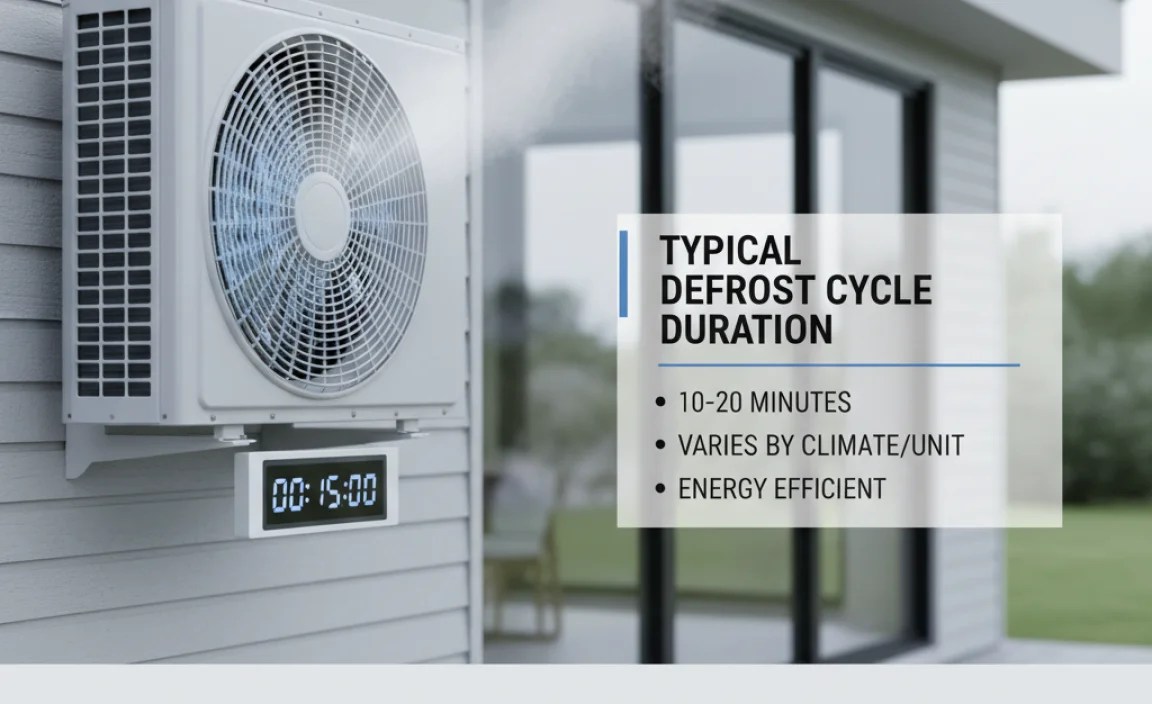
As mentioned earlier, the defrost cycle typically lasts between 5 to 15 minutes. It usually occurs every 30 to 90 minutes when the outdoor temperature is below freezing. However, these are just averages. The actual duration and frequency can vary based on the factors we discussed above.
Normal vs. Abnormal Defrost Cycles
It’s important to distinguish between normal and abnormal defrost cycles. Here’s what to look for:
- Normal: The defrost cycle runs for a few minutes, steam is visible, and the unit returns to normal operation.
- Abnormal: The defrost cycle runs excessively long, the unit is excessively noisy, or the indoor temperature drops significantly.
If you notice anything abnormal, it’s best to consult a qualified HVAC technician.
Troubleshooting Common Defrost Cycle Issues
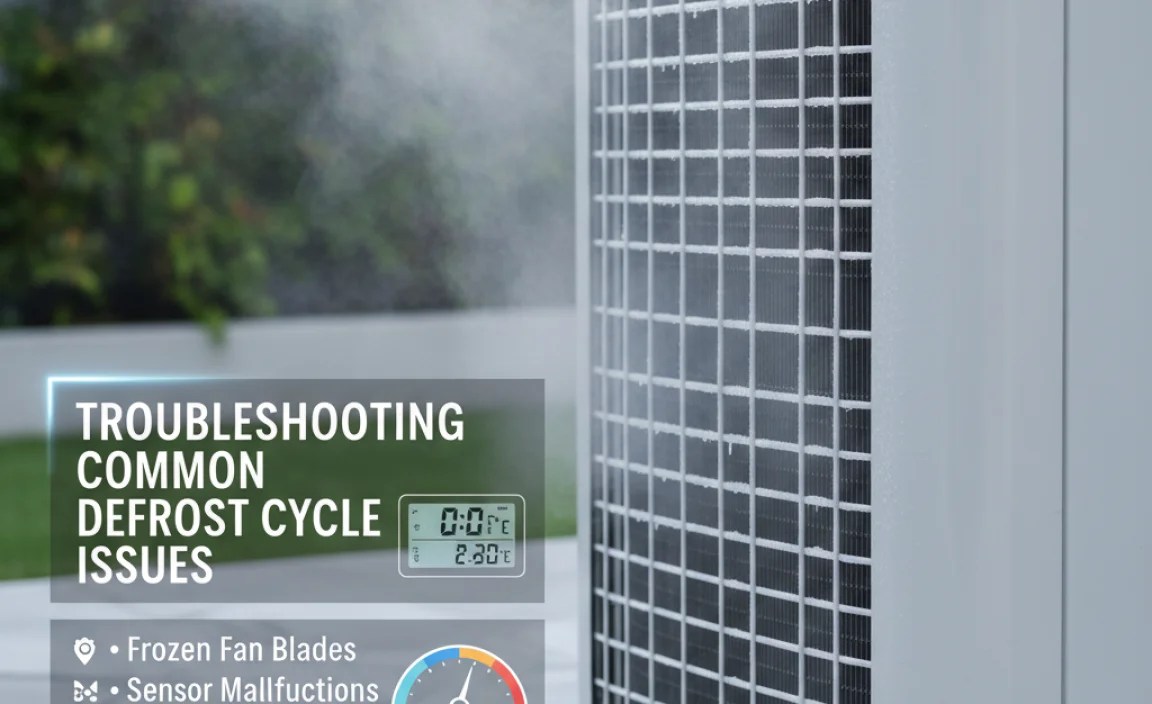
Sometimes, the defrost cycle might not work as expected. Here are some common issues and how to troubleshoot them.
Heat Pump Not Defrosting
If your heat pump isn’t defrosting, ice can build up excessively, leading to reduced efficiency and potential damage. Here’s what to check:
- Check for Obstructions: Make sure the outdoor unit is free from snow, ice, and debris.
- Inspect the Coil: Look for excessive ice buildup. If the coil is completely covered, it’s a sign of a problem.
- Check the Temperature Sensors: Faulty sensors can prevent the defrost cycle from initiating.
- Reversing Valve Issues: A malfunctioning reversing valve can prevent the system from switching into defrost mode.
Excessive Defrosting
If your heat pump is defrosting too frequently, it could be a sign of other issues:
- Refrigerant Leaks: Low refrigerant levels can cause the coil to get too cold, triggering the defrost cycle more often.
- Airflow Problems: Restricted airflow can also lead to excessive defrosting.
- Faulty Sensors: Inaccurate temperature sensors can cause the system to defrost unnecessarily.
Table: Troubleshooting Defrost Cycle Issues
| Issue | Possible Causes | Troubleshooting Steps |
|---|---|---|
| Heat Pump Not Defrosting | Obstructions, faulty sensors, reversing valve issues | Clear obstructions, inspect coil, check sensors, contact a technician |
| Excessive Defrosting | Refrigerant leaks, airflow problems, faulty sensors | Check refrigerant levels, improve airflow, check sensors, contact a technician |
Maintenance Tips for Optimal Defrost Cycle Performance
Regular maintenance is key to ensuring your heat pump operates efficiently and reliably. Here are some tips to keep the defrost cycle running smoothly.
Regular Inspections
Inspect your heat pump regularly, especially during the winter months. Look for any signs of ice buildup, obstructions, or unusual noises.
Clear Debris
Keep the area around the outdoor unit clear of snow, leaves, and other debris. This ensures proper airflow and prevents ice from forming too quickly.
Clean the Coils
Dirty coils can reduce the heat pump’s efficiency and cause it to work harder. Clean the coils at least once a year, or more often if you live in a dusty area. You can use a fin comb and a gentle cleaning solution.
Check Air Filters
Dirty air filters restrict airflow, which can affect the heat pump’s performance. Replace or clean your air filters every 1-3 months, depending on usage.
Professional Servicing
Schedule a professional service appointment at least once a year. A qualified technician can inspect the system, check refrigerant levels, and identify any potential issues before they become major problems.
Here’s a simple checklist for heat pump maintenance:
- Monthly: Check and replace air filters
- Quarterly: Inspect outdoor unit for debris
- Annually: Professional inspection and cleaning
DIY vs. Professional Help
Some maintenance tasks, like clearing debris and changing air filters, can easily be done yourself. However, more complex issues, such as refrigerant leaks or faulty sensors, require professional help. Knowing when to call a technician can save you time, money, and potential headaches.
When to DIY
- Clearing debris around the outdoor unit
- Changing air filters
- Cleaning the coils (if you’re comfortable doing so)
When to Call a Professional
- Refrigerant leaks
- Faulty sensors
- Reversing valve issues
- Electrical problems
- Unusual noises or smells
Energy Efficiency and the Defrost Cycle
The defrost cycle can impact your heat pump’s energy efficiency. Understanding how to minimize this impact can help you save money on your energy bills.
Optimizing Defrost Settings
Some heat pumps have adjustable defrost settings. Consult your owner’s manual to see if you can adjust the frequency or duration of the defrost cycle. Setting it too low can lead to ice buildup, while setting it too high can waste energy.
Using Auxiliary Heat Wisely
Auxiliary heat can help maintain a comfortable indoor temperature during the defrost cycle, but it can also be expensive to run. Use it sparingly and only when necessary. Some smart thermostats can automatically manage auxiliary heat to maximize efficiency.
Investing in a High-Efficiency Heat Pump
If you’re in the market for a new heat pump, consider investing in a high-efficiency model. These units are designed to minimize energy consumption and may have more advanced defrost features that further improve efficiency. Look for models with a high Heating Seasonal Performance Factor (HSPF).
Frequently Asked Questions (FAQ)
1. How do I know if my heat pump is in defrost mode?
You’ll likely see steam rising from the outdoor unit and may hear a change in the sound it makes. The indoor unit might also blow cool air for a few minutes.
2. Is it normal for my heat pump to make noise during the defrost cycle?
Yes, it’s normal for the heat pump to make some noise, like a hissing or gurgling sound, as the ice melts. However, loud or unusual noises could indicate a problem.
3. Can I manually defrost my heat pump?
While you can try to clear snow and ice around the unit, you shouldn’t attempt to manually defrost the coil. This could damage the system. Let the automatic defrost cycle do its job.
4. How often should my heat pump defrost?
Typically, a heat pump defrosts every 30 to 90 minutes when temperatures are below freezing. The frequency depends on factors like temperature and humidity.
5. What if my heat pump is constantly defrosting?
If your heat pump is defrosting too often, it could indicate a problem like low refrigerant, airflow issues, or a faulty sensor. Contact a professional for diagnosis and repair.
6. Will the auxiliary heat always turn on during the defrost cycle?
Not necessarily. Some heat pumps are designed to minimize the use of auxiliary heat during defrost. However, if the indoor temperature drops too much, the auxiliary heat will kick in to maintain comfort.
7. Can I cover my heat pump in the winter to protect it?
No, you should never cover your heat pump. Covering it can restrict airflow and cause ice to build up more quickly, leading to reduced efficiency and potential damage.
Conclusion
Understanding the defrost cycle of your heat pump is essential for maintaining its efficiency and longevity. The typical defrost cycle lasts between 5 to 15 minutes and occurs every 30 to 90 minutes in freezing temperatures. Factors like temperature, humidity, and airflow can affect these timings. Regular maintenance, including clearing debris and scheduling professional servicing, ensures optimal performance. By staying informed and proactive, you can keep your heat pump running smoothly and efficiently, providing comfortable heating for your home throughout the winter months.
“`


