
How to Repair a Chinese Cycle Pump: A Step-by-Step Guide

Quick Summary: Repairing a Chinese cycle pump usually involves replacing worn-out parts like the piston cup, seals, or hose. First, disassemble the pump to identify the faulty component. Then, source a replacement part – generic parts often work! Finally, reassemble the pump carefully, ensuring a tight seal. With a few simple steps, you can often restore your pump to full working order and save money on a new one.
Is your trusty bicycle pump giving you grief? Many cyclists rely on affordable Chinese cycle pumps, but like any tool, they can break down. Don’t toss it out just yet! Often, a simple repair can get it working like new. It can be frustrating when your pump fails mid-ride, but with a few basic tools and some know-how, you can fix most common problems. This guide will walk you through the process step-by-step, so you can get back on the road quickly. We’ll cover everything from diagnosing the issue to sourcing replacement parts and reassembling your pump. Let’s get started!
Understanding Your Chinese Cycle Pump
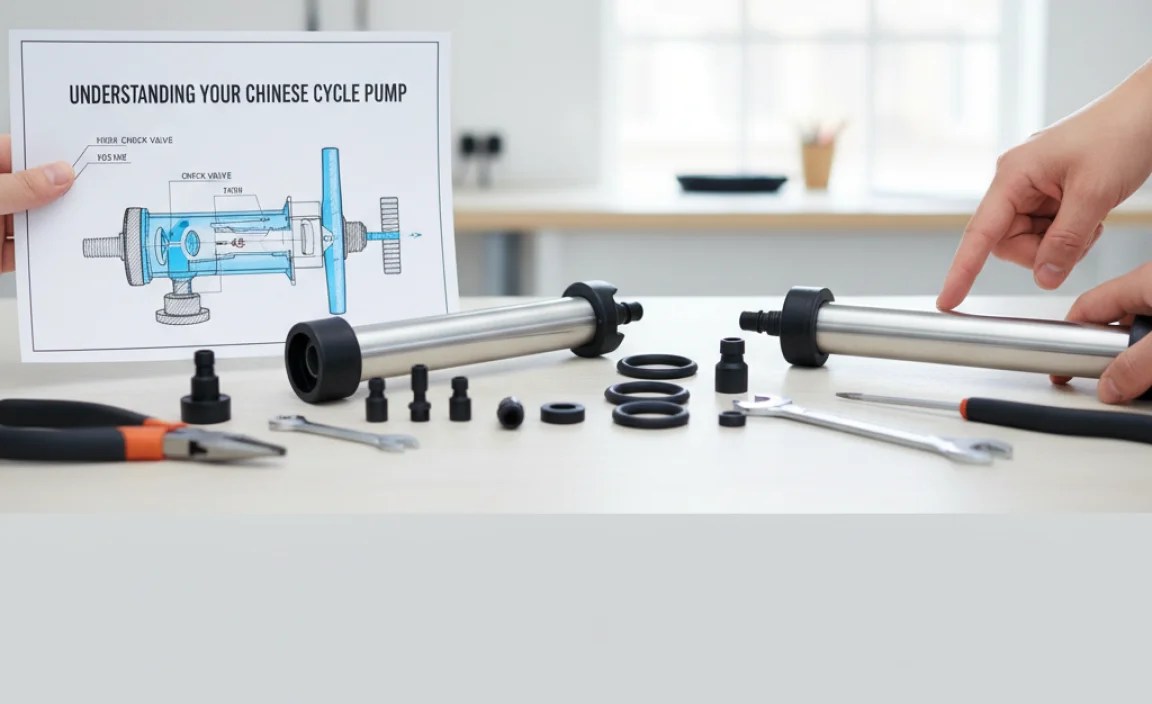
Before diving into repairs, it’s helpful to understand the basic components of your pump. Most Chinese cycle pumps, regardless of brand, share a similar design. Knowing these parts will make diagnosing and fixing problems much easier.
- Handle: The part you grip to operate the pump.
- Pump Body/Cylinder: The main tube where air is compressed.
- Piston: A component with a rubber or plastic cup that moves inside the cylinder to push air.
- Piston Cup/Seal: The rubber or plastic ring on the piston that creates an airtight seal against the cylinder walls.
- Hose: Connects the pump to the tire valve.
- Valve Connector/Chuck: Attaches to the tire valve (Presta or Schrader).
- Base: Provides stability while pumping.
- Seals/O-rings: Small rubber rings that prevent air leaks at various connection points.
Understanding these parts is the first step in diagnosing and repairing your pump. Now, let’s move on to identifying common problems.
Identifying Common Problems
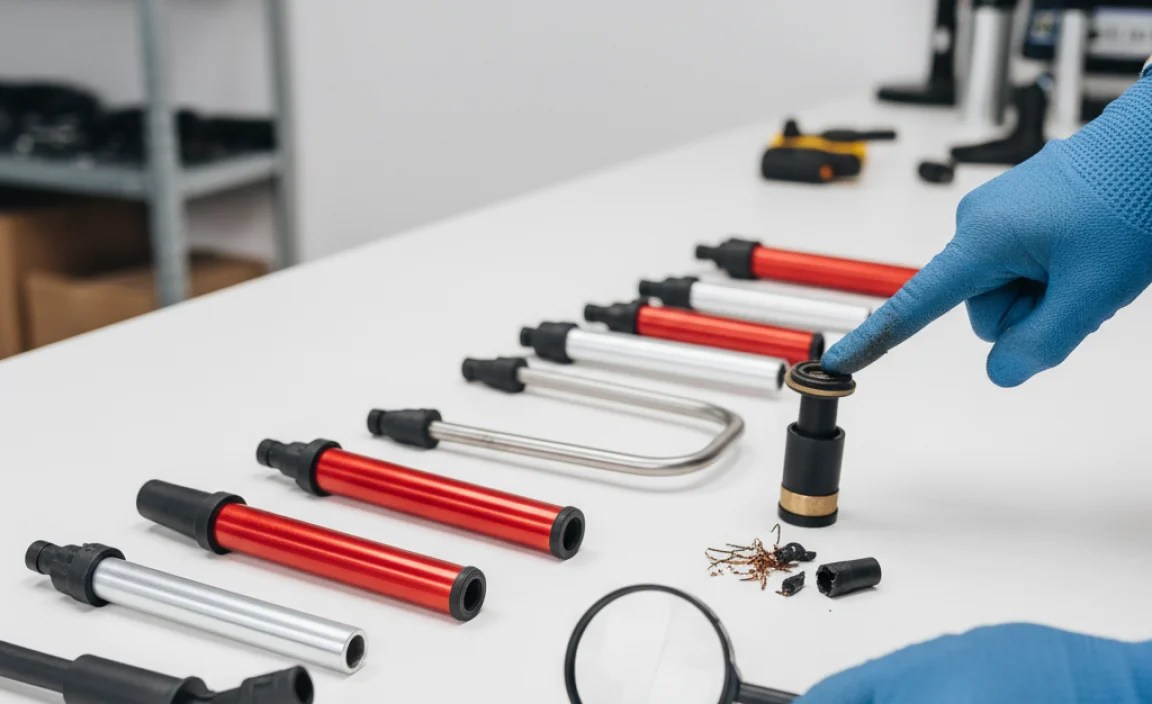
Diagnosing the problem is crucial for a successful repair. Here are some common issues you might encounter with your Chinese cycle pump:
- Loss of Pressure: The pump moves, but little to no air goes into the tire. This often indicates a worn piston cup or leaky seals.
- Air Leaking from Hose or Connections: You can hear or feel air escaping from the hose, valve connector, or where the hose connects to the pump body.
- Stiff or Difficult Pumping: This could be due to a dry or damaged piston cup, or a blockage in the hose or valve connector.
- Broken Handle or Base: While less common, these parts can break under stress.
- Valve Connector Issues: The connector might not be gripping the tire valve properly, or the internal mechanism could be damaged.
Once you’ve identified the problem, you can move on to gathering the necessary tools and materials.
Gathering Your Tools and Materials
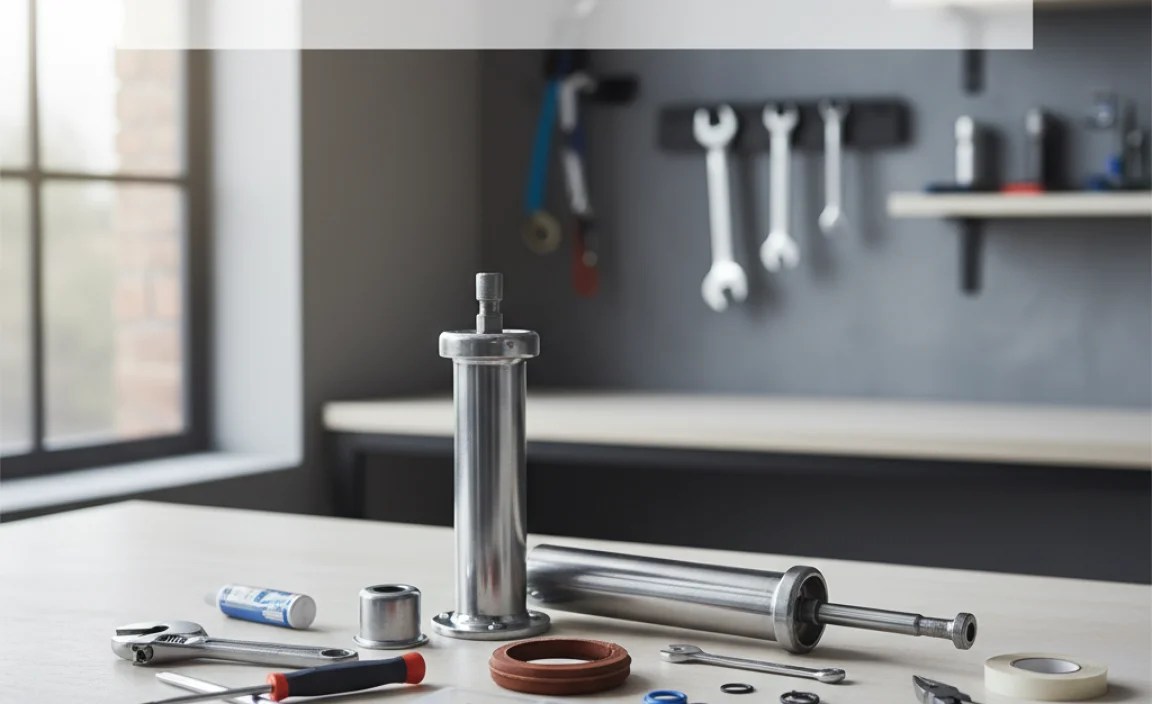
Having the right tools on hand will make the repair process much smoother. Here’s a list of what you’ll likely need:
- Screwdrivers: Both Phillips head and flathead, in various sizes.
- Pliers: For gripping and manipulating small parts.
- Adjustable Wrench: For loosening and tightening nuts and bolts.
- Allen Wrench Set: Metric sizes are most common.
- Grease: Bicycle grease or silicone grease for lubricating moving parts.
- Replacement Parts: Piston cups, seals, hoses, and valve connectors (more on sourcing these later).
- Cleaning Supplies: A rag and some degreaser for cleaning parts.
- Small Container: To hold small parts and prevent them from getting lost.
With your tools and materials ready, you can begin the disassembly process.
Step-by-Step Repair Guide
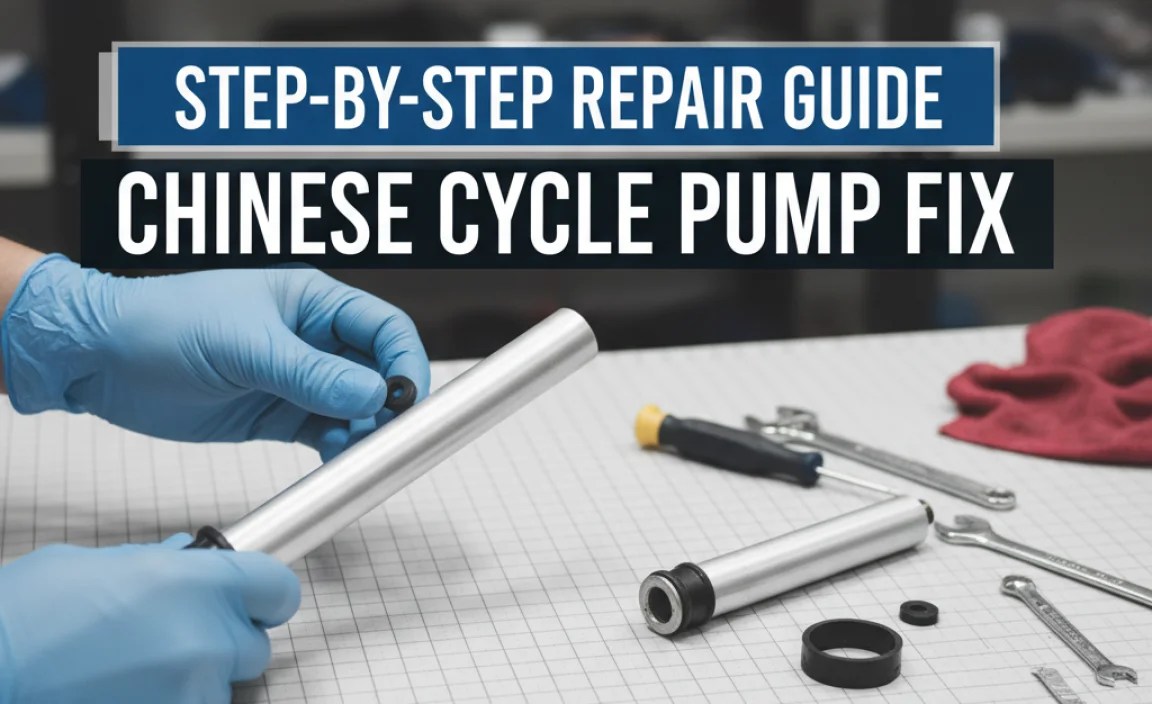
Now, let’s get into the actual repair process. Follow these steps carefully, and don’t hesitate to consult online resources or videos if you get stuck.
Step 1: Disassemble the Pump
- Release Air Pressure: If possible, release any remaining air pressure from the pump.
- Remove the Base: Most bases are attached with screws. Remove these screws and detach the base.
- Detach the Hose: Unscrew the hose from the pump body. Note the location of any washers or seals.
- Remove the Handle and Piston Assembly: This usually involves unscrewing a cap or removing a pin at the top of the pump. Carefully slide out the handle and piston assembly.
- Disassemble the Piston: Examine the piston assembly. You’ll likely find a nut or screw holding the piston cup in place. Remove this to detach the piston cup.
Step 2: Inspect the Parts
Carefully examine all the parts you’ve disassembled. Pay close attention to the following:
- Piston Cup: Look for cracks, tears, or excessive wear. This is the most common culprit for loss of pressure.
- Seals/O-rings: Check for dryness, cracks, or deformation.
- Hose: Inspect for cracks, kinks, or leaks.
- Valve Connector: Examine the internal mechanism for damage or blockage.
- Cylinder Walls: Look for scoring or damage inside the pump cylinder. This is less common but can affect performance.
Step 3: Clean the Parts
Clean all the parts with a rag and some degreaser. This will remove any dirt, grime, or old grease that could be affecting performance. Pay special attention to the cylinder walls and the piston. Make sure everything is dry before moving on.
Step 4: Source Replacement Parts
Finding replacement parts for Chinese cycle pumps can be tricky, as they often lack specific branding or model numbers. Here are some tips for sourcing the parts you need:
- Generic Parts: Look for generic piston cups, seals, and hoses that match the size and shape of your original parts. Bicycle shops or online retailers often carry these.
- O-ring Kits: Purchase an O-ring kit with a variety of sizes. This can be useful for replacing various seals in the pump.
- Donor Pumps: If you have another broken pump of a similar design, you might be able to salvage parts from it.
- Online Marketplaces: Websites like eBay or AliExpress can be good sources for generic or specific replacement parts. Search for terms like “bicycle pump piston cup” or “bicycle pump seal.”
Pro Tip: When ordering parts online, carefully measure the dimensions of your old parts to ensure a proper fit. A small difference in size can make a big difference in performance.
Step 5: Reassemble the Pump
Now that you have your replacement parts, it’s time to reassemble the pump. Follow these steps carefully:
- Lubricate the Piston Cup: Apply a small amount of bicycle grease or silicone grease to the new piston cup. This will help it slide smoothly inside the cylinder and create a good seal.
- Reassemble the Piston: Attach the new piston cup to the piston assembly, tightening the nut or screw securely.
- Insert the Piston Assembly into the Cylinder: Carefully slide the piston assembly back into the pump cylinder.
- Reattach the Handle: Secure the handle to the piston assembly, using the cap or pin you removed earlier.
- Reattach the Hose: Screw the hose back onto the pump body, making sure to include any washers or seals.
- Reattach the Base: Secure the base to the pump body with the screws you removed earlier.
Step 6: Test the Pump
After reassembly, test the pump to make sure it’s working properly. Attach it to a tire and see if it inflates easily and holds pressure. If you still experience problems, double-check your work and make sure all connections are tight.
Troubleshooting Common Issues After Repair
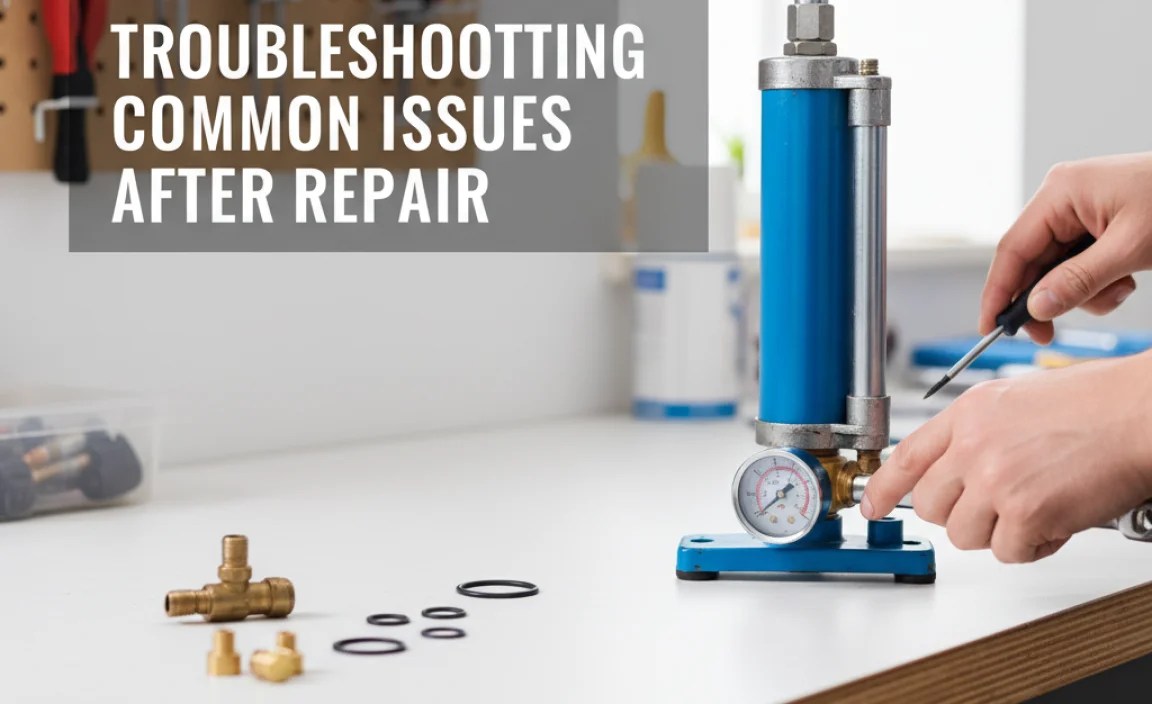
Even after a careful repair, you might still encounter some issues. Here’s how to troubleshoot some common problems:
- Pump Still Loses Pressure:
- Check the Piston Cup: Make sure the piston cup is properly seated and lubricated.
- Inspect the Seals: Look for any leaks around the hose connections or valve connector.
- Tighten Connections: Ensure all connections are tight and secure.
- Pump is Difficult to Operate:
- Lubricate the Piston: Apply more grease to the piston cup.
- Check for Blockages: Inspect the hose and valve connector for any obstructions.
- Valve Connector Not Gripping Properly:
- Adjust the Connector: Some valve connectors have adjustable parts. Experiment with these to get a better grip.
- Replace the Connector: If the connector is damaged, replace it with a new one.
Preventative Maintenance Tips
To keep your Chinese cycle pump working smoothly for longer, follow these preventative maintenance tips:
- Regularly Lubricate the Piston: Apply a small amount of grease to the piston cup every few months.
- Inspect the Seals: Check the seals regularly for dryness or cracks. Replace them as needed.
- Store the Pump Properly: Store the pump in a clean, dry place to prevent corrosion and damage.
- Avoid Over-Pumping: Don’t exceed the maximum pressure rating of your tires. This can put unnecessary stress on the pump.
Table: Common Pump Problems and Solutions
| Problem | Possible Causes | Solutions |
|---|---|---|
| Loss of Pressure | Worn piston cup, leaky seals, loose connections | Replace piston cup, replace seals, tighten connections |
| Air Leaking | Cracked hose, damaged valve connector, loose connections | Replace hose, replace valve connector, tighten connections |
| Stiff Pumping | Dry piston cup, blockage in hose, damaged cylinder | Lubricate piston, clear blockage, inspect cylinder |
| Valve Connector Issues | Damaged connector, incorrect valve type, worn seal | Replace connector, use correct valve type, replace seal |
Choosing a High-Quality Replacement Pump
While repairing your existing pump is a great way to save money and reduce waste, there may come a time when it’s simply beyond repair. If that’s the case, it’s worth investing in a high-quality replacement pump. Here are some factors to consider when choosing a new pump:
- Type of Pump:
- Floor Pump: Ideal for home use, providing high volume and pressure.
- Mini Pump: Compact and portable, perfect for carrying on rides.
- CO2 Inflator: Uses CO2 cartridges for rapid inflation.
- Build Quality: Look for pumps made from durable materials like aluminum or steel.
- Pressure Gauge: A built-in pressure gauge is essential for accurate inflation.
- Valve Compatibility: Choose a pump that is compatible with both Presta and Schrader valves.
- Brand Reputation: Research different brands and read reviews to find a reliable pump. Some popular brands include Topeak, Lezyne, and Park Tool. Park Tool is a well-known brand for bike tools.
FAQ: Repairing Chinese Cycle Pumps
Here are some frequently asked questions about repairing Chinese cycle pumps:
- Q: Why is my bike pump not inflating my tire?
- A: The most common cause is a worn-out piston cup or leaky seals. These parts create the necessary airtight seal for pumping. Check these first!
- Q: Where can I buy replacement parts for my Chinese bike pump?
- A: Try local bike shops, online retailers like Amazon or eBay, or direct from Chinese suppliers on sites like AliExpress. Search for generic parts matching your pump’s dimensions.
- Q: How do I know what size piston cup I need?
- A: Measure the diameter of the old piston cup as accurately as possible. If you can’t measure, try to match it visually with pictures online, but measuring is best!
- Q: Can I use regular grease on my bike pump?
- A: It’s best to use bicycle grease or silicone grease, as these are designed to be compatible with rubber and plastic parts. Regular grease might damage the seals over time.
- Q: My pump gets really hot when I use it. Is that normal?
- A: Some heat is normal due to friction, but excessive heat can indicate a problem. Make sure the piston is properly lubricated and that there are no blockages in the hose.
- Q: How often should I lubricate my bike pump?
- A: Lubricate the piston every few months, or whenever you notice the pump becoming stiff or difficult to operate.
- Q: Is it worth repairing a cheap bike pump, or should I just buy a new one?
- A: If the problem is a simple fix like a worn piston cup, repairing it is often worthwhile. However, if the pump is severely damaged or requires multiple replacement parts, a new pump might be a better investment.
Conclusion
Repairing a Chinese cycle pump is a straightforward process that can save you money and extend the life of your equipment. By understanding the basic components of the pump, identifying common problems, and following the step-by-step guide outlined in this article, you can confidently tackle most repairs. Remember to source quality replacement parts, lubricate moving parts regularly, and perform preventative maintenance to keep your pump working smoothly for years to come. So, next time your pump starts acting up, don’t reach for the trash can – grab your tools and give it a try! You might be surprised at how easy it is to bring it back to life, ensuring you’re always ready to hit the road with properly inflated tires.
“`


