
How Many Times Should You Pump Your Irrigation Cycle?

Quick Summary: The ideal number of pump cycles for irrigation depends on factors like plant type, soil, and weather. Generally, aim for enough cycles to keep the soil consistently moist but not waterlogged. Monitor your plants and soil moisture regularly to fine-tune your watering schedule. Overwatering can be just as harmful as underwatering, so balance is key.
Getting your irrigation cycle just right can feel like a puzzle. Too little water, and your plants suffer. Too much, and you risk root rot and other problems. It’s a common frustration for gardeners and small farmers alike. But don’t worry! Finding that sweet spot isn’t as complicated as it seems. We’ll break down the key factors and give you a simple, step-by-step approach to figuring out the best irrigation cycle for your needs. Let’s dive in and get your plants thriving!
Understanding Irrigation Cycles
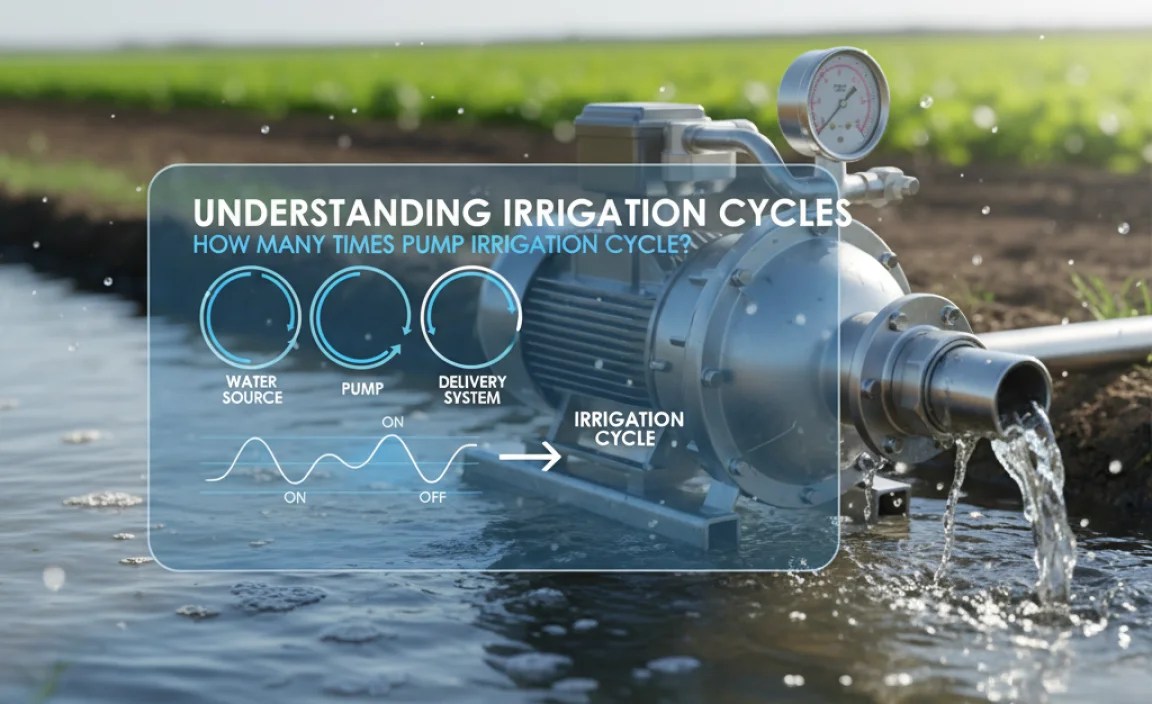
Before we get into the specifics, let’s define what we mean by an “irrigation cycle.” An irrigation cycle refers to the frequency and duration of your watering schedule. It answers two key questions:
- How often should I water my plants?
- For how long should I water them each time?
The answers depend on a variety of factors, including the type of plants you’re growing, the type of soil you have, and the climate you live in.
Key Factors Affecting Irrigation Needs
Let’s take a closer look at the factors that influence how many times you should pump your irrigation system per cycle:
- Plant Type: Different plants have different water requirements. For example, succulents and cacti are drought-tolerant and need infrequent watering, while leafy vegetables like lettuce need consistently moist soil.
- Soil Type: Sandy soils drain quickly and require more frequent watering than clay soils, which retain water for longer. Loamy soils, a mix of sand, silt, and clay, offer a good balance.
- Climate: Hot, dry climates require more frequent watering than cool, humid climates. Rainfall also plays a significant role.
- Growth Stage: Young plants and seedlings need more frequent watering than mature plants, as their root systems are still developing.
- Irrigation Method: Drip irrigation delivers water directly to the roots, reducing water loss through evaporation and potentially requiring less frequent cycles compared to sprinkler systems.
Step-by-Step Guide to Determining Your Irrigation Cycle
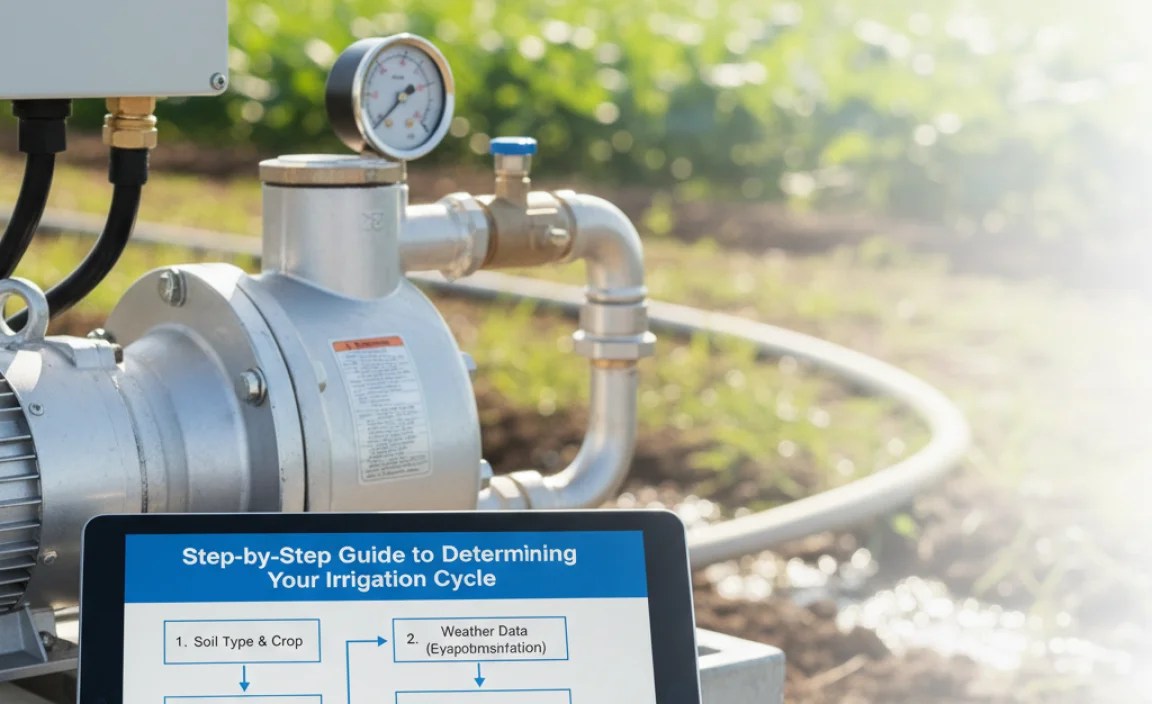
Here’s a simple, step-by-step guide to help you figure out the ideal number of pump cycles for your irrigation system:
Step 1: Assess Your Plants’ Needs
Start by understanding the specific water requirements of the plants you’re growing. Research each plant species to determine its ideal soil moisture level. Look for signs of underwatering (wilting, yellowing leaves) and overwatering (drooping leaves, root rot).
Step 2: Analyze Your Soil Type
Determine your soil type. A simple test is to take a handful of moist soil and try to form a ball. If it crumbles easily, it’s likely sandy soil. If it forms a sticky ball that’s hard to break apart, it’s likely clay soil. Loamy soil will form a ball that holds its shape but can be easily broken apart.
You can also send a soil sample to a lab for a more detailed analysis. Many agricultural extension offices offer this service. For example, the USDA offers resources and information on soil health: USDA Soil Health.
Step 3: Consider Your Climate and Weather Conditions
Take into account your local climate and current weather conditions. During hot, dry periods, you’ll need to increase the frequency and duration of your irrigation cycles. During rainy periods, you may be able to reduce or even suspend irrigation altogether.
Pay attention to the weather forecast. If rain is expected, adjust your watering schedule accordingly. Many smart irrigation systems can automatically adjust watering schedules based on weather data.
Step 4: Start with a Baseline Irrigation Schedule
Based on your assessment of plant needs, soil type, and climate, start with a baseline irrigation schedule. Here’s a general guideline:
- Sandy Soil: Water frequently (e.g., daily or every other day) for shorter durations.
- Loamy Soil: Water less frequently (e.g., every 2-3 days) for moderate durations.
- Clay Soil: Water infrequently (e.g., every 3-5 days) for longer durations.
The following table provides a sample baseline irrigation schedule, but remember to adjust it based on your specific conditions:
| Soil Type | Watering Frequency | Watering Duration (Sprinkler System) | Watering Duration (Drip Irrigation) |
|---|---|---|---|
| Sandy | Daily | 15-20 minutes | 30-45 minutes |
| Loamy | Every 2-3 days | 20-30 minutes | 45-60 minutes |
| Clay | Every 3-5 days | 30-45 minutes | 60-90 minutes |
Step 5: Monitor Soil Moisture
Regularly monitor soil moisture to determine if your irrigation schedule is effective. You can use a soil moisture meter, or simply stick your finger into the soil to a depth of a few inches. The soil should feel moist but not soggy. If it’s dry, increase the frequency or duration of your irrigation cycles. If it’s waterlogged, decrease them.
Step 6: Observe Your Plants
Pay close attention to your plants for signs of stress. Wilting, yellowing leaves, and stunted growth can indicate underwatering. Drooping leaves, yellowing lower leaves, and root rot can indicate overwatering. Adjust your irrigation schedule accordingly.
Step 7: Fine-Tune Your Irrigation Schedule
Based on your observations of soil moisture and plant health, fine-tune your irrigation schedule. Adjust the frequency and duration of your watering cycles until you find the right balance. Remember to make gradual adjustments, as sudden changes can stress your plants.
Different Irrigation Methods and Their Impact on Cycle Frequency
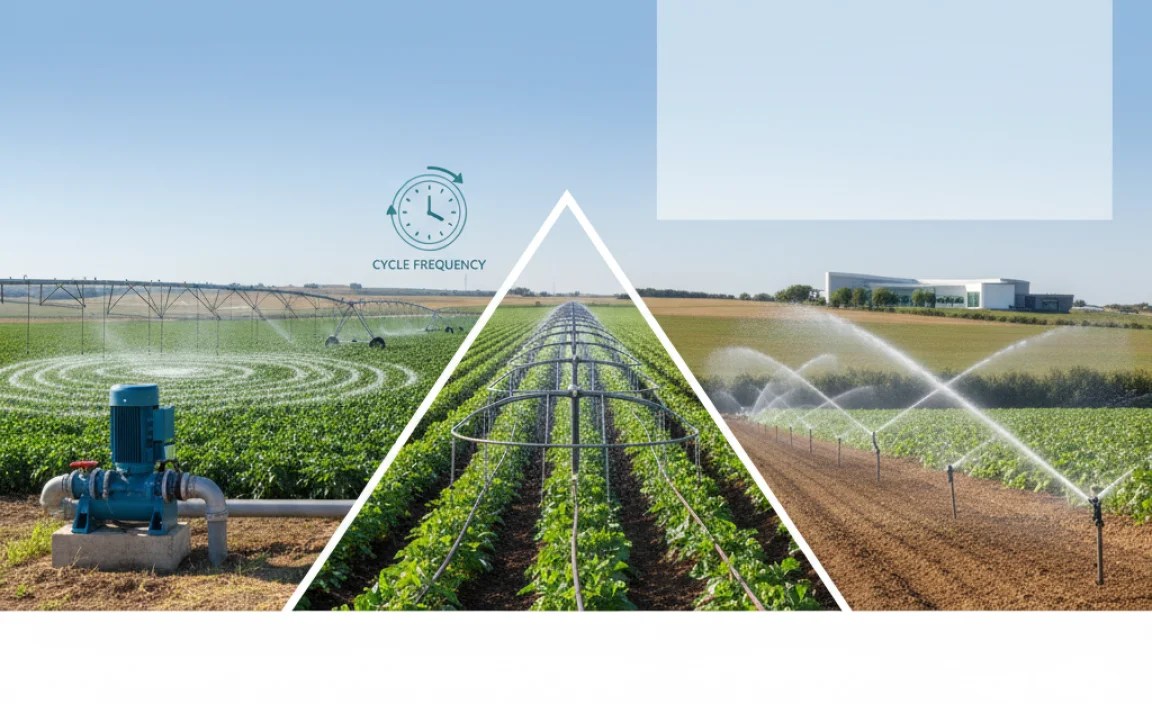
The type of irrigation system you use also affects the frequency and duration of your watering cycles. Here’s a brief overview of common irrigation methods:
- Sprinkler Systems: Sprinkler systems distribute water over a wide area, mimicking rainfall. They can be efficient for large areas, but they also lose water through evaporation. With sprinkler systems, you might need more frequent, shorter cycles.
- Drip Irrigation: Drip irrigation delivers water directly to the roots of plants, minimizing water loss through evaporation. This method is very efficient and can reduce the frequency of watering cycles.
- Soaker Hoses: Soaker hoses are similar to drip irrigation, but they release water slowly along the length of the hose. They’re ideal for watering rows of plants or vegetable gardens.
- Manual Watering: Watering by hand allows for precise control over water delivery, but it can be time-consuming and labor-intensive. The frequency depends on how thoroughly you water each plant.
The table below summarizes how different irrigation methods may affect watering frequency:
| Irrigation Method | Watering Frequency | Water Efficiency |
|---|---|---|
| Sprinkler System | More frequent | Lower |
| Drip Irrigation | Less frequent | Higher |
| Soaker Hose | Less frequent | Moderate to High |
| Manual Watering | Variable | Variable |
Common Mistakes to Avoid
Here are some common mistakes to avoid when determining your irrigation cycle:
- Overwatering: Overwatering is one of the most common mistakes. It can lead to root rot, fungal diseases, and nutrient deficiencies. Always check soil moisture before watering.
- Underwatering: Underwatering can stress plants and lead to stunted growth. Make sure your plants are receiving enough water, especially during hot, dry periods.
- Watering at the Wrong Time: Watering during the heat of the day can lead to water loss through evaporation. Water early in the morning or late in the evening for best results.
- Ignoring Soil Type: Failing to consider your soil type can lead to either overwatering or underwatering. Adjust your irrigation schedule based on your soil’s water-holding capacity.
- Not Adjusting for Weather: Ignoring weather conditions can lead to inefficient water use and plant stress. Adjust your irrigation schedule based on rainfall and temperature.
Advanced Techniques for Optimizing Irrigation
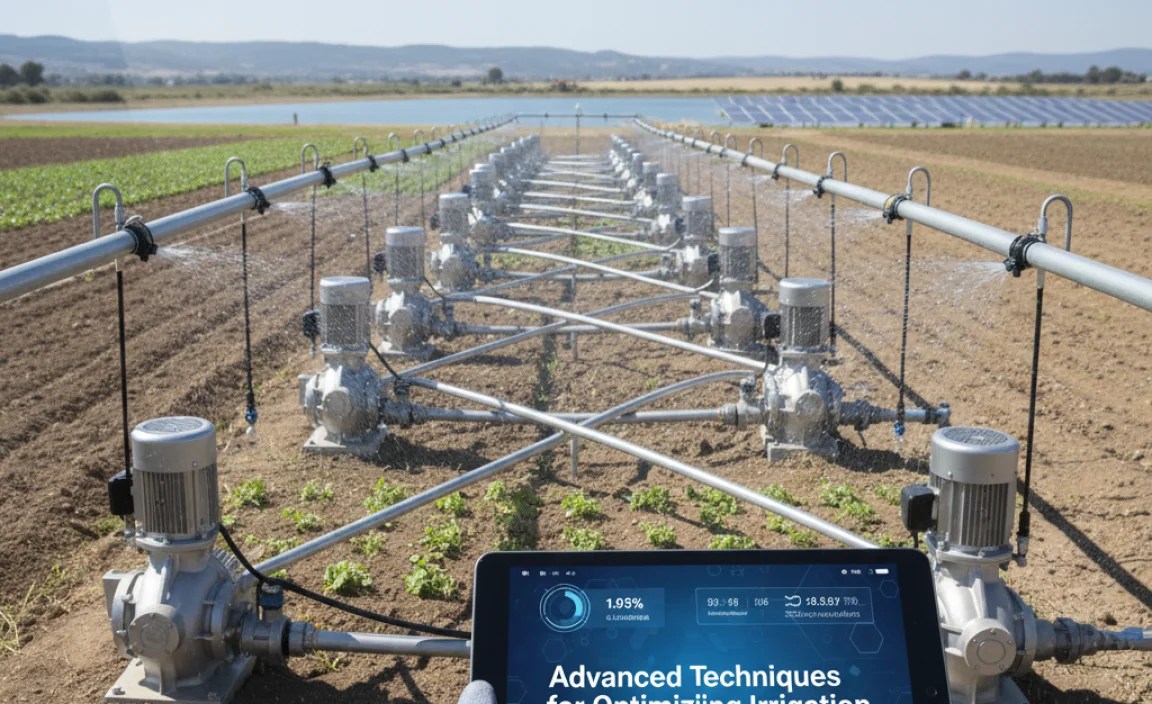
Once you have a basic understanding of irrigation cycles, you can explore some advanced techniques to further optimize your watering schedule:
- Smart Irrigation Controllers: Smart irrigation controllers use weather data, soil moisture sensors, and plant-specific information to automatically adjust watering schedules. These controllers can save water and improve plant health.
- Soil Moisture Sensors: Soil moisture sensors provide real-time data on soil moisture levels, allowing you to make precise adjustments to your irrigation schedule.
- Rainwater Harvesting: Collecting rainwater can reduce your reliance on municipal water sources and save money. Rainwater is also naturally soft and free of chemicals, which can benefit your plants. Check your local regulations regarding rainwater harvesting; some areas have restrictions.
- Mulching: Applying a layer of mulch around your plants can help retain soil moisture, reduce evaporation, and suppress weeds. Organic mulches like wood chips and straw also improve soil health as they decompose.
Troubleshooting Common Irrigation Problems
Even with the best planning, irrigation problems can arise. Here are some common issues and how to address them:
- Uneven Watering: If some areas of your garden are getting more water than others, check your sprinkler heads or drip emitters for clogs or damage. Adjust or replace them as needed.
- Low Water Pressure: Low water pressure can reduce the effectiveness of your irrigation system. Check your water source and pipes for leaks or obstructions. You may need to install a pressure booster pump.
- Clogged Emitters: Drip emitters can become clogged with mineral deposits or debris. Clean them regularly with a vinegar solution or replace them as needed.
- Leaks: Check your irrigation system regularly for leaks. Repair any leaks promptly to prevent water waste and damage to your plants.
FAQ: Irrigation Cycle Questions Answered
Here are some frequently asked questions about irrigation cycles:
How often should I water my lawn?
The frequency of lawn watering depends on your grass type, soil, and climate. Generally, aim for deep, infrequent watering (e.g., 1-2 times per week) to encourage deep root growth.
What is the best time of day to water my plants?
The best time to water is early in the morning (before 10 am) or late in the evening (after 6 pm) to minimize water loss through evaporation.
How can I tell if I’m overwatering my plants?
Signs of overwatering include drooping leaves, yellowing lower leaves, root rot, and fungal diseases.
How can I tell if I’m underwatering my plants?
Signs of underwatering include wilting, yellowing leaves, stunted growth, and dry soil.
Can I use tap water for irrigation?
Yes, you can use tap water for irrigation, but be aware that it may contain chlorine and other chemicals that can harm some plants. If possible, use rainwater or well water.
How do I adjust my irrigation schedule for different seasons?
During the hot, dry summer months, you’ll need to increase the frequency and duration of your irrigation cycles. During the cooler, wetter months, you can reduce or even suspend irrigation altogether.
Are smart irrigation controllers worth the investment?
Smart irrigation controllers can save water, improve plant health, and reduce the need for manual adjustments. They are a worthwhile investment if you want to optimize your irrigation system and conserve water.
Conclusion
Determining the ideal number of pump cycles for your irrigation system is a process of careful observation and adjustment. By understanding the needs of your plants, analyzing your soil type, considering your climate, and monitoring soil moisture, you can create an irrigation schedule that promotes healthy growth and conserves water. Don’t be afraid to experiment and fine-tune your approach until you find what works best for your specific conditions. With a little patience and attention to detail, you’ll be well on your way to a thriving garden or farm.
“`


