
Do Heat Pump Fans Stop During Defrost? Smart Fixes

“`html
Do Heat Pump Fans Stop During a Defrost Cycle? Here’s What You Need to Know
Quick Summary: Yes, the outdoor fan on a heat pump typically stops during the defrost cycle. This is normal. Stopping the fan helps the heat pump quickly warm the outdoor coil, melting any ice that has formed. The indoor fan usually continues to run to provide some heat, though it might feel cooler than usual.
Is your heat pump’s outdoor fan suddenly stopping in the middle of winter? It can be a little alarming, especially when you’re relying on it to keep your home warm! Many homeowners worry something is wrong when they notice this happening. The good news is, it’s usually a completely normal part of how heat pumps work. We’ll walk you through why this happens, what to expect, and when you should actually be concerned. Let’s dive in and clear up any confusion!
Understanding the Heat Pump Defrost Cycle

Heat pumps are amazing because they can both heat and cool your home. In the winter, they extract heat from the outside air and bring it inside. However, when the outdoor temperature drops close to freezing, moisture in the air can freeze on the outdoor coil. This ice buildup reduces the heat pump’s efficiency, making it harder to heat your home. That’s where the defrost cycle comes in.
What is a Defrost Cycle?
The defrost cycle is a process where the heat pump temporarily reverses its operation to melt the ice that has formed on the outdoor coil. Here’s how it generally works:
- Reversing the Refrigerant Flow: The heat pump changes the direction of the refrigerant flow. Instead of extracting heat from the outside, it starts releasing heat to the outdoor coil.
- Heating the Outdoor Coil: The hot refrigerant warms the coil, melting the ice. This process is similar to how your air conditioner works in the summer, but in reverse.
- Fan Shutdown: To speed up the defrosting process, the outdoor fan usually stops. This keeps the heat concentrated on the coil, maximizing the melting effect.
- Short Duration: The defrost cycle typically lasts only a few minutes, usually between 5 and 15 minutes. Once the ice is melted, the heat pump returns to its normal heating operation.
Why the Fan Stops During Defrost
The primary reason the outdoor fan stops during the defrost cycle is to increase the efficiency of the defrosting process. Here’s a more detailed explanation:
- Concentrated Heat: By stopping the fan, the heat generated by the reversed refrigerant flow stays focused on the outdoor coil. If the fan were running, it would blow away the heat, making the defrost process take longer and use more energy.
- Faster Defrosting: A faster defrost cycle means less time spent in the less efficient defrost mode, and quicker return to normal heating.
- Energy Efficiency: Although it might seem counterintuitive, stopping the fan during defrost actually saves energy. A shorter defrost cycle uses less energy overall.
What to Expect During a Defrost Cycle

Knowing what to expect during a defrost cycle can help ease your mind and ensure you understand that your heat pump is working correctly.
Outdoor Unit
- Fan Stops: The outdoor fan will stop running. This is the most noticeable sign that a defrost cycle is in progress.
- Steam or Fog: You might see steam or fog rising from the outdoor unit as the ice melts. This is normal and indicates that the defrost cycle is working.
- Running Water: Water will drip from the bottom of the unit as the melted ice drains away. Ensure the water can drain freely and doesn’t refreeze around the base of the unit.
- Noisy Operation: You might hear gurgling or hissing sounds as the refrigerant flow reverses and the ice melts.
Indoor Unit
- Cooler Air: You might notice that the air coming from your indoor vents feels cooler than usual. This is because the heat pump is temporarily operating in cooling mode to defrost the outdoor coil.
- Auxiliary Heat: Many heat pumps have an auxiliary or emergency heat setting, which kicks in during the defrost cycle to supplement the heating. This prevents the indoor temperature from dropping too much.
- Fan Continues Running: The indoor fan usually continues to run to circulate air, even if it’s cooler than normal.
Is It Normal? Common Scenarios Explained
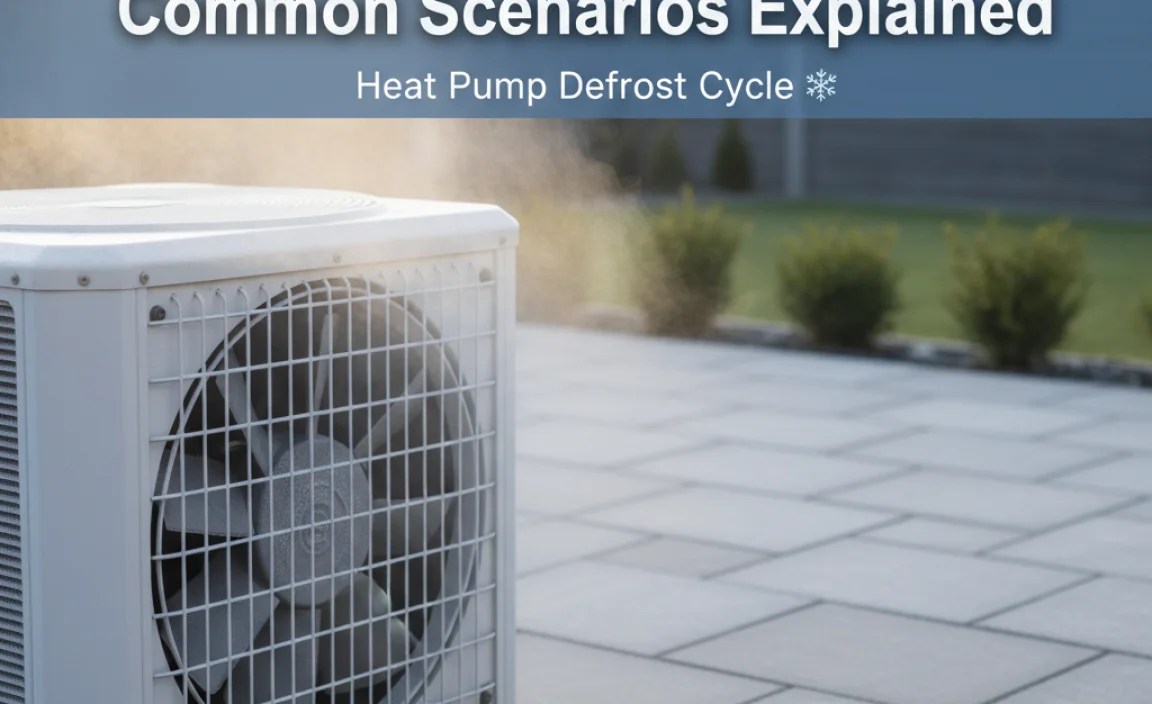
Let’s clarify some common scenarios you might encounter with your heat pump and whether they’re normal or require attention.
Scenario 1: Fan Stops Frequently
Is it normal? It depends. If the outdoor temperature is consistently near freezing (around 32-40°F or 0-4°C) and there’s high humidity, frequent defrost cycles are normal. However, if the defrost cycle seems to run excessively (more than every hour), even in milder conditions, there might be an issue.
Possible Causes:
- Dirty Outdoor Coil: A dirty coil can restrict airflow, causing ice to build up more quickly.
- Refrigerant Leak: Low refrigerant levels can lead to inefficient operation and frequent defrosting.
- Faulty Defrost Sensor: A malfunctioning sensor might trigger defrost cycles unnecessarily.
Scenario 2: Fan Doesn’t Stop at All
Is it normal? No, the outdoor fan should stop during the defrost cycle. If it never stops, it could indicate a problem with the defrost control system.
Possible Causes:
- Faulty Defrost Timer: The timer might not be signaling the fan to stop.
- Stuck Relay: A relay that controls the fan motor might be stuck in the “on” position.
- Wiring Issue: There could be a wiring problem preventing the fan from stopping.
Scenario 3: Excessive Ice Buildup
Is it normal? A thin layer of frost is normal, but excessive ice buildup (several inches thick) is not. This indicates that the defrost cycle is not working effectively or that there’s an underlying issue.
Possible Causes:
- Defrost Cycle Malfunction: The defrost cycle might not be activating properly or running long enough.
- Restricted Airflow: Blocked airflow due to debris or a dirty coil can exacerbate ice buildup.
- Refrigerant Issues: Incorrect refrigerant charge can lead to inefficient operation and ice formation.
Scenario 4: Loud Noises During Defrost
Is it normal? Some noise is normal, such as gurgling or hissing sounds. However, loud banging, grinding, or screeching noises are not normal and should be investigated.
Possible Causes:
- Loose Components: Loose fan blades or other components can vibrate and cause loud noises.
- Compressor Issues: Unusual compressor noises could indicate a problem with the compressor itself.
- Debris in the Unit: Foreign objects inside the unit can cause rattling or banging sounds.
Troubleshooting Common Issues
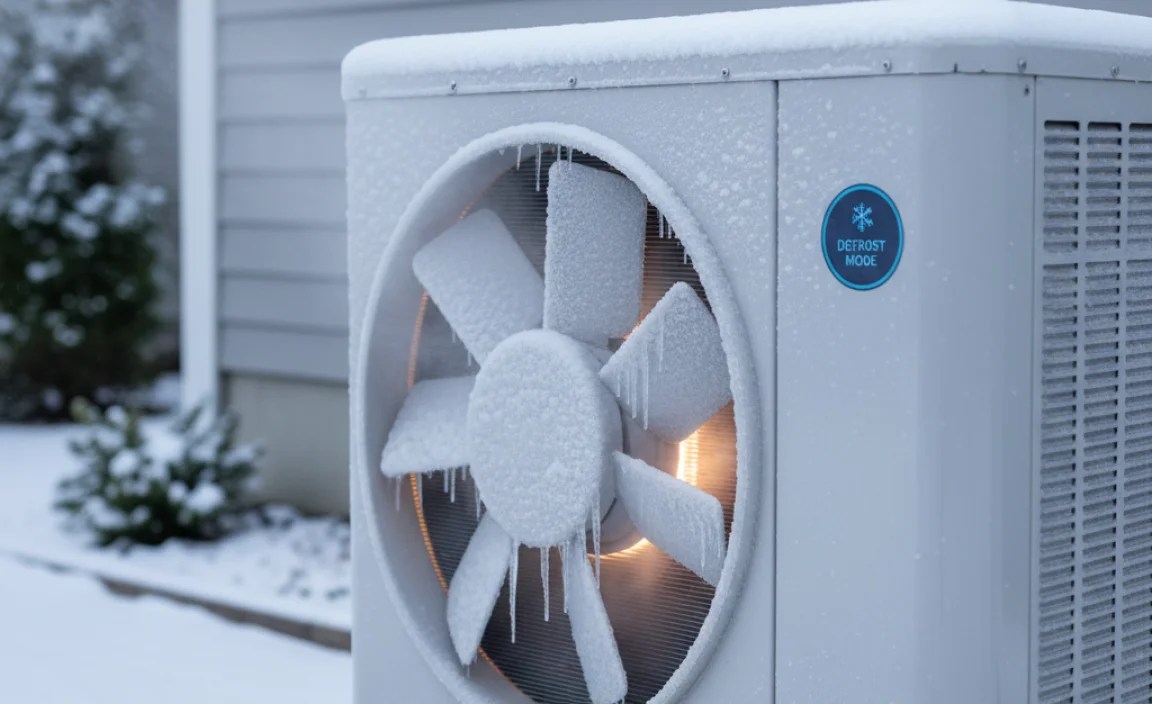
If you suspect there’s an issue with your heat pump’s defrost cycle, here are some troubleshooting steps you can take.
1. Check the Outdoor Unit
- Clear Debris: Remove any leaves, snow, or other debris that might be blocking airflow around the unit.
- Inspect the Coil: Check the outdoor coil for dirt and debris. If it’s dirty, clean it gently with a soft brush or a garden hose (use low pressure to avoid damaging the fins).
- Ensure Proper Drainage: Make sure the water from the defrost cycle can drain freely. Clear any ice or obstructions around the base of the unit.
2. Check the Air Filter
A dirty air filter can restrict airflow to the indoor unit, which can affect the overall performance of the heat pump. Replace the air filter regularly, typically every 1-3 months, depending on usage and air quality.
3. Monitor the Defrost Cycle
Observe how often the defrost cycle runs and how long it lasts. If it seems excessive or insufficient, note the details and provide them to a technician.
4. Check for Ice Buildup
Inspect the outdoor coil for excessive ice buildup. If you notice a thick layer of ice that doesn’t seem to be melting during the defrost cycle, it’s a sign of a problem.
5. Listen for Unusual Noises
Pay attention to any unusual noises coming from the outdoor or indoor unit. Note the type of noise and when it occurs (e.g., during defrost, during normal operation).
When to Call a Professional

While some issues can be resolved with simple troubleshooting, others require the expertise of a qualified HVAC technician. Here are situations where you should call a professional:
- Frequent or Prolonged Defrost Cycles: If the defrost cycle runs excessively or lasts longer than usual, it could indicate a more significant problem.
- Excessive Ice Buildup: If you notice a thick layer of ice that doesn’t melt during the defrost cycle.
- Unusual Noises: Loud banging, grinding, or screeching noises from the unit.
- Decreased Heating Efficiency: If your home isn’t heating as well as it used to, even with the auxiliary heat activated.
- Refrigerant Leaks: If you suspect a refrigerant leak (e.g., hissing sound, oily residue on the coils).
- Electrical Issues: If you notice any electrical problems, such as a burning smell or tripped circuit breakers.
Maintaining Your Heat Pump for Optimal Performance
Regular maintenance is key to ensuring your heat pump operates efficiently and reliably. Here are some tips for maintaining your heat pump:
- Regular Filter Changes: Replace the air filter every 1-3 months.
- Clean Outdoor Coil: Clean the outdoor coil annually to remove dirt and debris.
- Inspect and Clean Fan Blades: Check the fan blades for damage and clean them as needed.
- Clear Debris Around Unit: Keep the area around the outdoor unit free of leaves, snow, and other obstructions.
- Professional Inspection: Schedule a professional inspection and tune-up annually.
Heat Pump Defrost Cycle: Key Takeaways
Here’s a quick recap of the most important points about heat pump defrost cycles:
- Normal Operation: The outdoor fan stopping during the defrost cycle is a normal part of heat pump operation.
- Purpose: The fan stops to concentrate heat on the outdoor coil, speeding up the defrosting process.
- Expectations: Expect to see steam or fog, dripping water, and possibly hear gurgling noises during defrost. The indoor air might feel cooler temporarily.
- Troubleshooting: Check for debris, clean the coil, and monitor the defrost cycle.
- Professional Help: Call a professional for frequent defrost cycles, excessive ice buildup, unusual noises, or decreased heating efficiency.
Heat Pump Efficiency: A Quick Guide
Here’s a table summarizing common heat pump issues, their potential causes, and whether they warrant professional attention:
| Issue | Possible Causes | Professional Attention Needed? |
|---|---|---|
| Fan stops during defrost | Normal operation | No |
| Fan never stops | Faulty defrost timer, stuck relay | Yes |
| Frequent defrost cycles | Dirty coil, low refrigerant | Yes |
| Excessive ice buildup | Defrost malfunction, restricted airflow | Yes |
| Loud noises | Loose components, compressor issues | Yes |
| Cooler air indoors | Normal during defrost, auxiliary heat should compensate | No (unless auxiliary heat fails) |
FAQ About Heat Pump Defrost Cycles
Here are some frequently asked questions about heat pump defrost cycles:
Why does my heat pump go into defrost so often?
Heat pumps go into defrost mode when ice builds up on the outdoor coil. This is more common when temperatures are near freezing (around 32-40°F) and humidity is high. Frequent defrost cycles can also indicate a dirty coil or low refrigerant.
Is it normal for my heat pump to make noise during defrost?
Yes, it’s normal for heat pumps to make some noise during the defrost cycle. You might hear gurgling, hissing, or even a whooshing sound as the refrigerant reverses and the ice melts. Loud banging or grinding noises are not normal and should be checked by a professional.
How long does a heat pump defrost cycle last?
A typical heat pump defrost cycle lasts between 5 and 15 minutes. The duration can vary depending on the amount of ice buildup and the efficiency of the defrost system.
Will my house get cold during the defrost cycle?
Your house might feel slightly cooler during the defrost cycle, but most heat pumps have an auxiliary or emergency heat setting that activates to supplement the heating. This should prevent the temperature from dropping significantly.
Can I manually defrost my heat pump?
While you can try to manually remove ice from the outdoor unit, it’s generally not recommended. You could damage the coil or other components. It’s best to let the heat pump’s automatic defrost cycle do its job.
How can I improve the efficiency of my heat pump’s defrost cycle?
To improve efficiency, ensure the outdoor coil is clean and free of debris. Regularly change the air filter, and schedule an annual professional inspection and tune-up. This will help ensure the defrost cycle operates effectively and efficiently.
What temperature does a heat pump stop working?
While heat pumps can operate in very low temperatures, their efficiency decreases as temperatures drop. Most heat pumps perform optimally above 20°F (-7°C). Below this temperature, they may rely more on auxiliary heat, reducing their energy efficiency. Some advanced models are designed to operate efficiently at even lower temperatures.
Conclusion
Understanding the heat pump defrost cycle is crucial for maintaining your home’s heating efficiency and ensuring your system is running smoothly. Remember, the outdoor fan stopping is usually a normal part of the process. By keeping an eye on your unit, performing regular maintenance, and knowing when to call a professional, you can keep your heat pump working efficiently for years to come. Stay warm and informed!
“`


