
What is Water Pump Short Cycling? A Cyclist’s Guide

Quick Summary: Water pump short cycling means your pump turns on and off too frequently. This is usually due to a lack of water in the pressure tank, a faulty pressure switch, or a leak in the system. Fixing it promptly prevents pump burnout and ensures consistent water pressure for washing your bike or other tasks.
Hey there, fellow cyclist! Ever noticed your water pump turning on and off way too often when you’re trying to wash off that post-ride mud? It’s annoying, right? This issue, called short cycling, can damage your pump and leave you with inconsistent water pressure. But don’t worry, understanding why it happens and how to fix it is easier than you think. I’ll walk you through the causes and simple steps to get your water system running smoothly again, so you can focus on what really matters: riding!
Understanding Water Pump Short Cycling

Water pump short cycling is when your water pump rapidly turns on and off, instead of running for a longer period to maintain consistent water pressure. This frequent starting and stopping puts extra strain on the pump motor, potentially leading to premature failure. For us cyclists, this means interrupted water flow when we’re trying to clean our bikes, fill water bottles, or even wash our hands after a long ride.
Why is Short Cycling Bad?
Think of it like constantly slamming on the brakes in your car – it wears down the components much faster. Here’s why short cycling is bad for your water pump:
- Pump Overheating: Frequent starts generate heat, which can damage the motor windings and other internal parts.
- Reduced Lifespan: The constant stress significantly shortens the pump’s overall lifespan.
- Increased Energy Consumption: Each start-up requires a surge of energy, wasting electricity over time.
- Inconsistent Water Pressure: The fluctuating pressure can make it difficult to wash your bike or use water efficiently.
Common Causes of Water Pump Short Cycling

Let’s dive into the most common culprits behind water pump short cycling. Identifying the cause is the first step to fixing the problem.
1. Low Air Pressure in the Pressure Tank
The pressure tank stores water under pressure, providing a buffer between the pump and your plumbing. It also contains an air bladder that compresses as water fills the tank. This air pressure helps maintain consistent water pressure and reduces the frequency of pump cycles. If the air pressure is too low, the pump will cycle on and off rapidly.
How to Check: Turn off the pump and drain the tank completely. Use a tire pressure gauge (the same one you use for your bike tires!) to check the air pressure at the Schrader valve (usually located at the top of the tank, under a cap). The pressure should be 2 PSI below the pump’s cut-in pressure (the pressure at which the pump turns on). For example, if your pump turns on at 40 PSI, the air pressure should be 38 PSI. You can usually find the cut-in pressure on the pump’s label or in the manual.
How to Fix: If the air pressure is low, use an air compressor or even a hand pump (like a bike pump!) to add air until it reaches the correct level. If water comes out of the Schrader valve when you check the pressure, the bladder is likely damaged and the tank needs to be replaced.
2. Waterlogged Pressure Tank
Over time, the air bladder inside the pressure tank can lose its air charge, causing the tank to become waterlogged. When this happens, there’s no air cushion to maintain pressure, and the pump cycles on and off rapidly.
How to Check: As mentioned above, if water comes out of the Schrader valve when checking the air pressure, the bladder is likely damaged. Another way to check is to tap on the side of the tank. A waterlogged tank will sound full all the way to the top.
How to Fix: Unfortunately, if the bladder is damaged, the tank usually needs to be replaced. While some bladders can be replaced separately, it’s often more cost-effective to replace the entire tank.
3. Faulty Pressure Switch
The pressure switch is a small electrical device that senses the water pressure and tells the pump when to turn on and off. If the switch is faulty, it may not accurately sense the pressure, causing the pump to cycle erratically.
How to Check: A faulty pressure switch can be tricky to diagnose. One sign is if the pump turns on and off at pressures that are different from its set cut-in and cut-out points. You can also visually inspect the switch for corrosion or damage. Use a multimeter to test the switch’s continuity according to the manufacturer’s instructions (always disconnect power before working with electrical components!).
How to Fix: If the pressure switch is faulty, it’s best to replace it. Make sure to buy a switch with the same pressure settings as the original. Before replacing, turn off the power and water supply. Disconnect the wires and water line from the old switch, and then install the new one, following the manufacturer’s instructions. Remember to seal the threads of the water line connection with Teflon tape.
4. Leaks in the Plumbing System
Even small leaks in your plumbing system can cause the water pressure to drop, triggering the pump to turn on frequently. These leaks can be anywhere in the system, from leaky faucets to underground pipes.
How to Check: Start by checking all visible faucets, pipes, and connections for leaks. Look for drips, wet spots, or signs of corrosion. Don’t forget to check the toilet for leaks, as a running toilet can also cause short cycling. If you suspect an underground leak, you may need to call a professional plumber who can use specialized equipment to locate it.
How to Fix: Repair any leaks you find. Tighten loose connections, replace worn-out washers, or repair damaged pipes. For underground leaks, it’s often best to call a professional.
5. Clogged or Dirty Well Screen/Foot Valve
If you have a well, the well screen or foot valve (located at the bottom of the well) can become clogged with sediment or debris. This restricts the flow of water to the pump, causing it to work harder and cycle more frequently.
How to Check: Checking the well screen or foot valve requires pulling the pump out of the well, which is a job best left to a professional. However, if you notice a decrease in water pressure or a change in the taste or smell of your water, it could be a sign of a clogged well screen.
How to Fix: A professional can pull the pump, clean or replace the well screen or foot valve, and inspect the well for other issues.
Step-by-Step Guide to Troubleshooting Short Cycling

Here’s a step-by-step guide to help you troubleshoot and fix water pump short cycling. Remember to always turn off the power to the pump before working on any electrical components.
- Check the Air Pressure in the Pressure Tank: Turn off the pump, drain the tank, and check the air pressure. Adjust as needed. If the bladder is damaged, replace the tank.
- Inspect the Pressure Switch: Look for corrosion or damage. Test the switch with a multimeter if you’re comfortable working with electricity. Replace if faulty.
- Check for Leaks: Inspect all visible pipes, faucets, and connections for leaks. Repair any leaks you find.
- Check the Well Screen/Foot Valve (if applicable): If you suspect a clogged well screen, call a professional to inspect and clean it.
- Monitor the Pump: After making any repairs, monitor the pump to see if the short cycling has stopped. If it continues, you may need to consult a professional plumber.
Tools You’ll Need
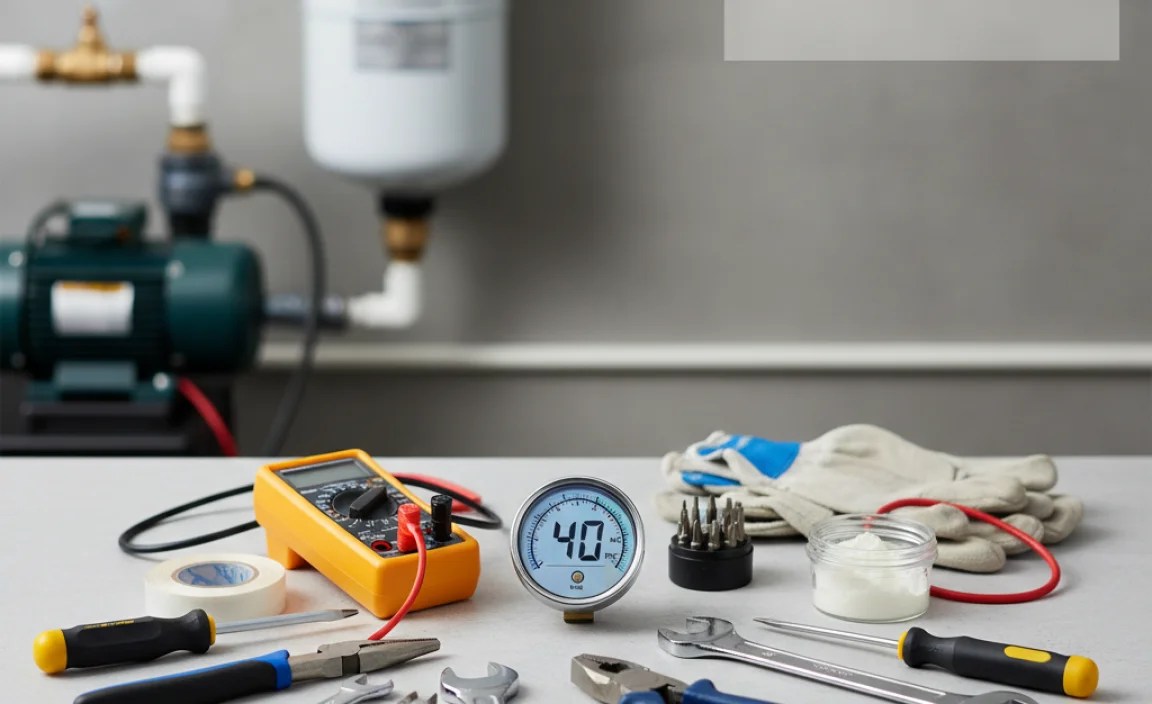
Here’s a list of tools you might need for troubleshooting and fixing water pump short cycling:
- Tire Pressure Gauge: For checking air pressure in the pressure tank.
- Air Compressor or Hand Pump: For adding air to the pressure tank.
- Multimeter: For testing the pressure switch (optional, but recommended).
- Wrenches: For tightening connections and replacing the pressure switch.
- Screwdrivers: For removing and installing the pressure switch.
- Teflon Tape: For sealing pipe threads.
- Bucket: For catching water when draining the tank or repairing leaks.
- Work Gloves: To protect your hands.
Preventing Future Short Cycling

Prevention is always better than cure. Here are some tips to prevent water pump short cycling in the future:
- Regularly Check Air Pressure: Check the air pressure in the pressure tank every few months and adjust as needed.
- Inspect for Leaks: Periodically inspect your plumbing system for leaks and repair them promptly.
- Maintain Your Well (if applicable): Have your well inspected and cleaned regularly by a professional.
- Use a Pressure Tank with the Right Capacity: Make sure your pressure tank is appropriately sized for your water usage.
- Consider a Constant Pressure System: If you have frequent fluctuations in water pressure, consider upgrading to a constant pressure system, which uses a variable-speed pump to maintain consistent pressure.
Troubleshooting Table
Here’s a quick reference table to help you troubleshoot water pump short cycling:
| Symptom | Possible Cause | Solution |
|---|---|---|
| Pump cycles on and off rapidly | Low air pressure in pressure tank | Check and adjust air pressure; replace tank if bladder is damaged |
| Pump cycles on and off at incorrect pressures | Faulty pressure switch | Replace pressure switch |
| Water pressure drops quickly | Leaks in plumbing system | Inspect and repair leaks |
| Reduced water flow | Clogged well screen/foot valve | Call a professional to inspect and clean the well |
Understanding Pressure Tank Sizes
Choosing the right size pressure tank is crucial for preventing short cycling and ensuring optimal pump performance. A larger tank provides a greater buffer, reducing the frequency of pump cycles. Here’s a simple guide to help you understand pressure tank sizing.
| Tank Size (Gallons) | Typical Household Size | Considerations |
|---|---|---|
| 20 | 1-2 people | Suitable for small homes or cabins with low water demand. |
| 30-40 | 3-4 people | Good for average-sized homes with moderate water usage. |
| 60-80 | 5+ people | Ideal for larger families or homes with high water demand, such as frequent irrigation or multiple bathrooms. |
Note: These are general guidelines. Actual tank size may vary based on specific water usage habits and pump specifications. Consult a professional plumber for personalized recommendations.
Advanced Solutions and When to Call a Pro
While many causes of short cycling can be addressed with DIY solutions, some situations require professional help. Here are some advanced solutions and signs it’s time to call a plumber:
- Underground Leaks: Locating and repairing underground leaks often requires specialized equipment and expertise.
- Well Problems: Issues with the well itself, such as a collapsed casing or low water yield, require a professional well contractor.
- Complex Plumbing Systems: If you have a complex plumbing system with multiple zones or specialized equipment, it’s best to consult a plumber for any issues.
- Persistent Short Cycling: If you’ve tried the troubleshooting steps outlined above and the short cycling continues, it’s time to call a professional.
- Electrical Issues: Any work involving electrical components should be done by a qualified electrician.
Constant Pressure Systems: Upgrading to a constant pressure system can eliminate short cycling altogether. These systems use a variable-speed pump that adjusts its output to maintain a consistent water pressure, regardless of demand. While they are more expensive than traditional systems, they offer superior performance and can extend the life of your pump.
Professional Inspection: A professional plumber can perform a thorough inspection of your entire water system to identify any potential problems and recommend solutions. This can help prevent future issues and ensure the long-term reliability of your system.
External Resources
For more in-depth information on water pumps and plumbing systems, check out these resources:
- EPA – Private Wells: Information on well maintenance and safety.
- USGS – How do Wells Work?: Explanation of well mechanics and hydrology.
FAQ About Water Pump Short Cycling
1. What exactly does “short cycling” mean for a water pump?
Short cycling is when your water pump rapidly turns on and off instead of running for a sustained period. It’s like stop-and-go traffic for your pump, causing unnecessary wear and tear.
2. How can I tell if my water pump is short cycling?
You’ll notice the pump turning on and off frequently, even when you’re not using much water. The water pressure might also fluctuate noticeably.
3. Will short cycling ruin my water pump?
Yes, if left unchecked, short cycling can significantly shorten the lifespan of your water pump due to the increased stress on the motor.
4. Can a leaky faucet cause water pump short cycling?
Absolutely. Even a small, constant drip can cause the pressure to drop, triggering the pump to turn on more often.
5. How often should I check the air pressure in my pressure tank?
It’s a good idea to check the air pressure every 3-6 months to ensure it’s at the correct level.
6. Is it safe to drink water if my pump is short cycling?
Short cycling itself doesn’t directly contaminate your water, but it can indicate underlying issues that could affect water quality. It’s always a good idea to have your water tested regularly, especially if you have a well.
7. Can I fix short cycling myself, or do I need a plumber?
Many causes of short cycling, like low air pressure or minor leaks, can be fixed with DIY skills. However, more complex issues like underground leaks or well problems require a professional.
Conclusion
Water pump short cycling is a common issue that can be a real headache, especially when you just want to clean your bike after a great ride. But with a little understanding and some simple troubleshooting, you can often fix the problem yourself. Remember to check the air pressure in your pressure tank, inspect for leaks, and replace any faulty components. By taking these steps, you can prevent pump burnout, maintain consistent water pressure, and enjoy a reliable water supply for all your cycling needs. And if you ever get stuck, don’t hesitate to call a professional plumber for help. Happy riding (and bike washing)!
“`


