
How to Get Your ABS Pump to Cycle: A Simple Guide

Quick Summary: Getting your ABS (Anti-lock Braking System) pump to cycle involves ensuring your car’s electrical system is healthy, checking the ABS sensor connections, and performing a controlled braking test. If those steps fail, use a diagnostic tool to trigger the ABS pump manually. Always prioritize safety and consult a professional mechanic if unsure.
Ever felt that unsettling “thud” when your brakes lock up, even though you have ABS? It’s a common frustration for drivers. The ABS pump, responsible for preventing wheel lockup, might not be cycling as it should. This can compromise your safety on the road. Don’t worry; I’m here to guide you through simple steps to troubleshoot and get your ABS pump working correctly. Let’s get started!
Understanding the ABS Pump
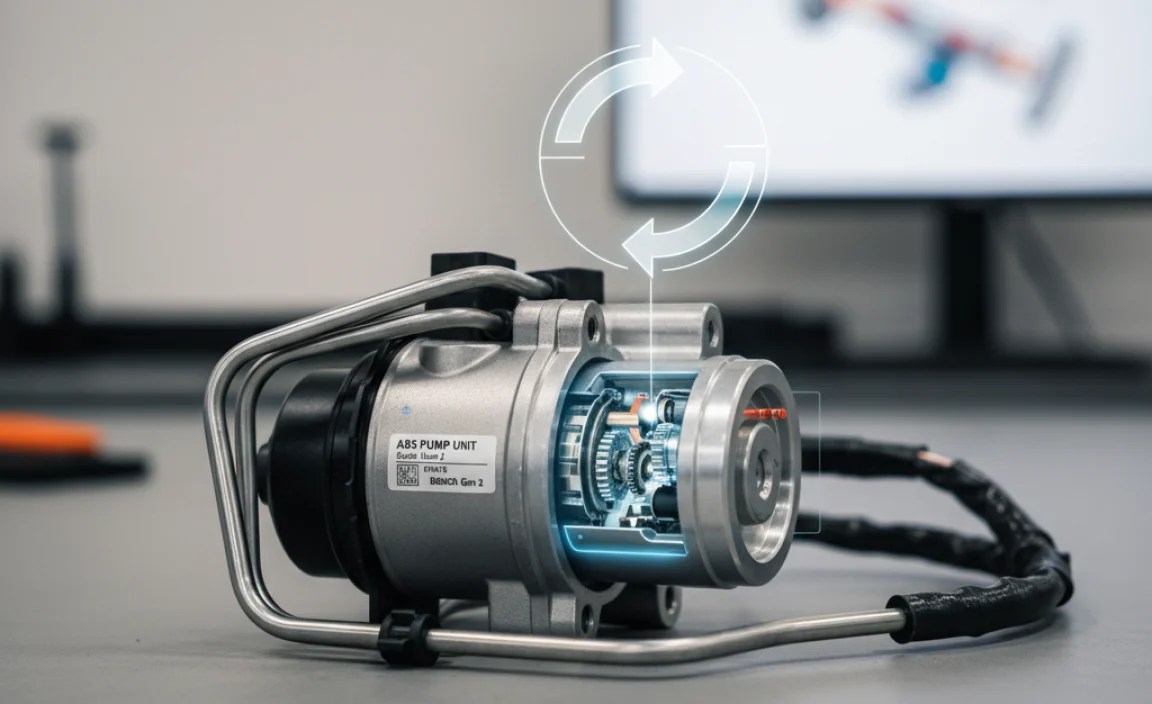
The Anti-lock Braking System (ABS) is a crucial safety feature in modern vehicles. It prevents the wheels from locking up during hard braking, allowing you to maintain steering control. The ABS pump is the heart of this system.
What Does the ABS Pump Do?
The ABS pump modulates brake pressure to each wheel individually. When a wheel is about to lock up, the pump releases and reapplies brake pressure rapidly, preventing skidding. This rapid release and apply cycle is what you feel as a pulsation in the brake pedal during hard braking.
Why is Cycling Important?
Cycling refers to the ABS pump activating and doing its job. If the pump isn’t cycling, your wheels can lock up, reducing your ability to steer and potentially leading to an accident. A properly functioning ABS pump ensures you maintain control during emergency braking situations.
Common Reasons the ABS Pump Doesn’t Cycle

Several factors can prevent the ABS pump from cycling. Let’s explore some of the most common causes:
- Faulty ABS Sensor: A damaged or dirty ABS sensor can send incorrect signals to the ABS module.
- Low Brake Fluid: Insufficient brake fluid can prevent the ABS system from functioning correctly.
- Electrical Issues: Problems with the car’s electrical system, such as a weak battery or faulty wiring, can disrupt the ABS pump’s operation.
- Faulty ABS Module: The ABS module, which controls the pump, could be malfunctioning.
- Air in the Brake Lines: Air bubbles can interfere with brake pressure modulation.
Step-by-Step Guide to Getting Your ABS Pump to Cycle

Here’s how to get your ABS pump to cycle, broken down into easy-to-follow steps.
Step 1: Check the Basics
Before diving into more complex diagnostics, let’s cover the basics.
- Check the Brake Fluid Level: Ensure your brake fluid is at the “MAX” line. Low fluid can cause all sorts of braking issues.
- Inspect ABS Fuses: Locate the ABS fuse in your car’s fuse box (refer to your owner’s manual). Check if it’s blown. Replace if necessary.
- Battery Health: A weak battery can cause electrical gremlins. Ensure your battery is fully charged and in good condition. Use a multimeter to check the voltage; it should be around 12.6 volts when the engine is off.
Step 2: Inspect the ABS Sensors
ABS sensors are crucial for monitoring wheel speed and triggering the ABS pump.
- Locate the Sensors: ABS sensors are typically located near each wheel hub.
- Visual Inspection: Check for any visible damage, such as frayed wires or cracks.
- Clean the Sensors: Use a clean cloth to wipe off any dirt, debris, or brake dust.
- Check Connections: Ensure the sensor connectors are securely attached. Disconnect and reconnect them to ensure a good connection.
Step 3: Perform a Controlled Braking Test
A controlled braking test can help determine if the ABS pump is engaging.
- Find a Safe Location: Choose a straight, empty road with no traffic.
- Accelerate to Moderate Speed: Drive at around 25-30 mph (40-50 km/h).
- Apply Firm, Steady Pressure to the Brakes: Do not pump the brakes. Apply consistent pressure.
- Feel for Pulsation: You should feel a pulsation in the brake pedal if the ABS is working correctly. You might also hear a clicking or whirring sound from the ABS pump.
- If No Pulsation: If you don’t feel any pulsation, proceed to the next steps.
Step 4: Use an ABS Scan Tool
An ABS scan tool can read diagnostic trouble codes (DTCs) related to the ABS system and even trigger the ABS pump manually.
- Connect the Scan Tool: Plug the scan tool into the OBD-II port, usually located under the dashboard.
- Turn On the Ignition: Turn the ignition to the “ON” position without starting the engine.
- Read Diagnostic Trouble Codes (DTCs): Follow the scan tool’s instructions to read any stored ABS-related codes.
- Interpret the Codes: Refer to your vehicle’s service manual or online resources to understand the meaning of the codes. Common codes include sensor failures, pump motor issues, or module malfunctions.
- Clear the Codes: After noting the codes, clear them using the scan tool.
- Manual Activation: Some scan tools allow you to manually activate the ABS pump. Follow the tool’s instructions to cycle the pump. This can help dislodge any trapped air or debris.
Step 5: Check and Clean the ABS Tone Rings
The ABS tone rings (also known as reluctor rings) are toothed rings that the ABS sensors read to determine wheel speed. If these rings are damaged or dirty, the ABS system may not function correctly.
- Locate the Tone Rings: Tone rings are usually located on the axle near the wheel hub.
- Visual Inspection: Check for any cracks, rust, or missing teeth.
- Clean the Tone Rings: Use a wire brush to remove any rust or debris. Be careful not to damage the teeth.
- Check Sensor Gap: Ensure the gap between the sensor and the tone ring is correct. Refer to your vehicle’s service manual for the proper specification.
Step 6: Bleed the Brakes
If there’s air in the brake lines, it can prevent the ABS pump from cycling correctly. Bleeding the brakes removes this air.
- Gather Your Supplies: You’ll need a wrench, a clear hose, a container, and fresh brake fluid.
- Start at the Farthest Wheel: Begin with the wheel farthest from the master cylinder (usually the rear passenger side).
- Locate the Bleeder Screw: Find the bleeder screw on the brake caliper.
- Attach the Hose: Connect one end of the clear hose to the bleeder screw and place the other end in the container.
- Open the Bleeder Screw: Have a helper slowly depress the brake pedal while you open the bleeder screw.
- Close the Bleeder Screw: Close the bleeder screw before your helper releases the brake pedal.
- Repeat: Repeat this process until no more air bubbles come out of the hose.
- Move to the Next Wheel: Repeat the process for each wheel, moving closer to the master cylinder (rear driver side, front passenger side, front driver side).
- Check Brake Fluid Level: Regularly check and refill the brake fluid reservoir to prevent it from running dry.
Step 7: Check the ABS Module Connections
The ABS module controls the ABS pump. Ensuring the connections are clean and secure is crucial.
- Locate the ABS Module: The ABS module is typically located in the engine compartment. Refer to your vehicle’s service manual for the exact location.
- Disconnect the Battery: Disconnect the negative terminal of the battery before working on the ABS module.
- Inspect the Connectors: Check the connectors for any corrosion or damage.
- Clean the Connectors: Use electrical contact cleaner to clean the connectors.
- Reconnect the Connectors: Ensure the connectors are securely attached to the ABS module.
- Reconnect the Battery: Reconnect the negative terminal of the battery.
Step 8: Test the ABS System Again
After performing these steps, retest the ABS system to see if the pump is cycling.
- Perform a Controlled Braking Test: Repeat the controlled braking test as described in Step 3.
- Listen for the Pump: Listen for the sound of the ABS pump activating.
- Check for Pulsation: Feel for the pulsation in the brake pedal.
Troubleshooting Table
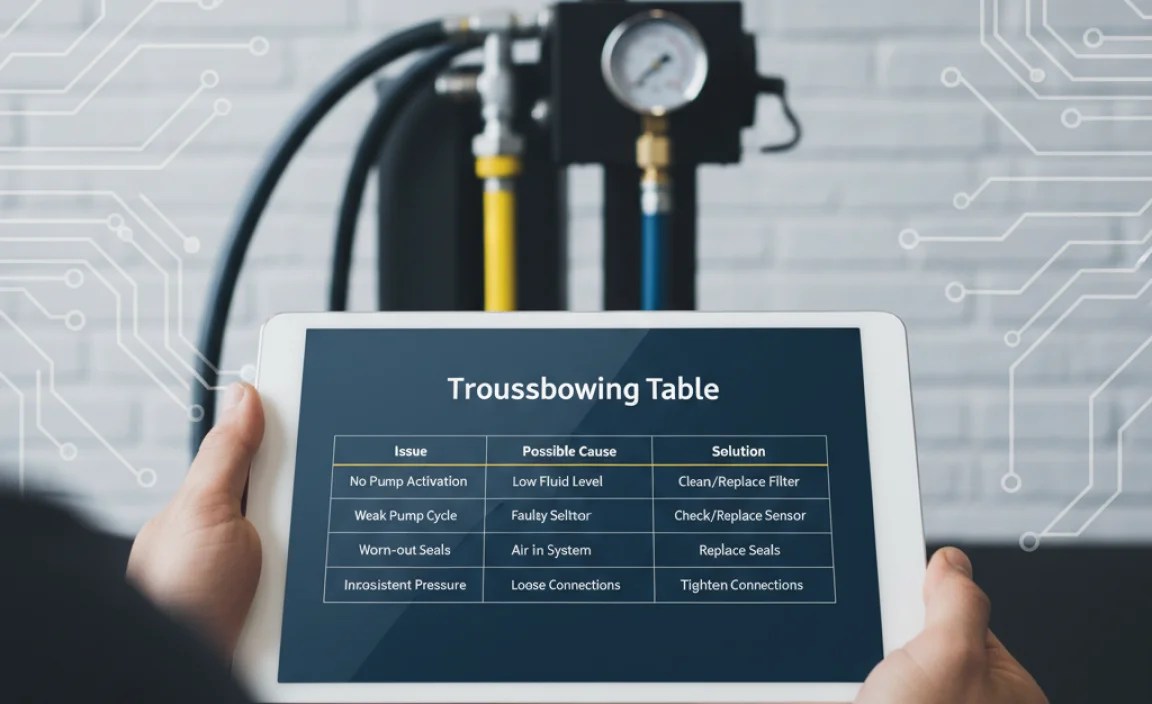
Here’s a quick reference table to help you troubleshoot common ABS pump issues:
| Problem | Possible Cause | Solution |
|---|---|---|
| No ABS Activation | Faulty ABS sensor | Check and replace the ABS sensor |
| ABS Light On | Low brake fluid | Check and top up the brake fluid |
| ABS Pump Not Cycling | Electrical issue | Check the battery and ABS fuses |
| Erratic ABS Activation | Dirty ABS tone rings | Clean the ABS tone rings |
| Soft Brake Pedal | Air in the brake lines | Bleed the brakes |
Tools You Might Need

Having the right tools can make the job much easier. Here’s a list of tools you might need:
- Wrench Set: For loosening and tightening bolts and nuts.
- Socket Set: For working on various components.
- Multimeter: For checking electrical connections and battery voltage.
- ABS Scan Tool: For reading and clearing ABS codes.
- Brake Bleeding Kit: For bleeding the brakes.
- Electrical Contact Cleaner: For cleaning electrical connections.
- Wire Brush: For cleaning ABS tone rings.
- Brake Fluid: For topping up or replacing brake fluid.
- Gloves and Safety Glasses: For personal protection.
When to Seek Professional Help
If you’ve tried these steps and the ABS pump still isn’t cycling, it might be time to consult a professional mechanic. ABS systems can be complex, and further diagnostics might require specialized equipment and expertise. Here are some situations where professional help is recommended:
- Persistent ABS Light: If the ABS light remains on after troubleshooting.
- Unfamiliar Diagnostic Codes: If you encounter diagnostic codes you don’t understand.
- Suspected ABS Module Failure: If you suspect the ABS module is faulty.
- Brake System Issues: If you experience other braking problems, such as a spongy brake pedal or uneven braking.
ABS Pump Cycling: Dos and Don’ts
Here’s a handy list of what to do and what not to do when dealing with your ABS pump.
Dos
- Do check the basics first (fluid levels, fuses, battery).
- Do use a scan tool to read ABS codes.
- Do clean ABS sensors and tone rings.
- Do bleed the brakes if necessary.
- Do consult a professional if you’re unsure.
Don’ts
- Don’t ignore the ABS warning light.
- Don’t use excessive force when cleaning sensors.
- Don’t drive recklessly with a malfunctioning ABS.
- Don’t attempt repairs you’re not comfortable with.
- Don’t forget safety precautions (gloves, glasses).
FAQ About ABS Pump Cycling
Here are some frequently asked questions about ABS pump cycling.
- Why is my ABS light on?
- The ABS light indicates a problem with the ABS system. It could be due to a faulty sensor, low brake fluid, or a malfunctioning module.
- Can I drive with the ABS light on?
- It’s not recommended. While your regular brakes will still work, the ABS system won’t function, reducing your ability to control the vehicle during hard braking.
- How often should I check my ABS sensors?
- Check your ABS sensors during routine maintenance, such as when you change your brake pads or tires.
- What does it feel like when the ABS pump cycles?
- You’ll feel a pulsation in the brake pedal. You might also hear a clicking or whirring sound from the ABS pump.
- Can a bad wheel bearing affect the ABS?
- Yes, a bad wheel bearing can affect the ABS because it can interfere with the ABS sensor’s ability to accurately read wheel speed.
- How much does it cost to fix an ABS pump?
- The cost can vary widely depending on the vehicle and the extent of the damage. Replacing an ABS pump can range from $300 to $1000 or more, including labor.
- Is it safe to disable the ABS system?
- No, it is not safe to disable the ABS system. The ABS is a critical safety feature designed to prevent wheel lockup and maintain steering control during emergency braking. Disabling it can significantly increase your risk of accidents.
Conclusion
Getting your ABS pump to cycle correctly is essential for your safety on the road. By following these steps, you can troubleshoot common issues and potentially resolve the problem yourself. Remember to start with the basics, inspect the sensors, and use a scan tool for diagnostics. If you’re unsure or uncomfortable with any of these steps, don’t hesitate to seek professional help. A properly functioning ABS system can make all the difference in an emergency braking situation. Stay safe out there!
“`


