
Why Steam Cycles Need Condensers and Pumps: A Simple Guide

A steam cycle needs a condenser to turn the exhaust steam back into water, creating a vacuum that helps the turbine run efficiently. The pump then pushes this water back into the boiler to repeat the cycle. Without these, the steam cycle wouldn’t be able to maintain pressure and efficiently reuse the water.
Ever wondered how power plants and some industrial systems work? They often use steam cycles. But what’s the deal with those condensers and pumps you always hear about? It might sound complicated, but it’s actually pretty straightforward. These components are key to making the whole process efficient and reusable. Without them, the steam cycle wouldn’t be able to maintain pressure, reuse water, and operate economically.
In this guide, we’ll break down why condensers and pumps are essential. We’ll explore the role they play, step-by-step, and how they keep the steam cycle running smoothly. Let’s dive in and make steam cycles simple!
Understanding the Basics of a Steam Cycle

To really get why condensers and pumps are so important, let’s quickly look at what a steam cycle is all about. Think of it as a loop that continuously turns water into steam to generate power.
Here’s how it generally works:
- Boiler: Water is heated to create high-pressure steam.
- Turbine: The steam rushes through a turbine, making it spin and generate electricity.
- Condenser: The steam exiting the turbine is cooled and converted back into water.
- Pump: The water is pumped back to the boiler to start the cycle again.
Each part has a specific job, but the condenser and pump are crucial for the cycle’s efficiency and sustainability.
The Role of the Condenser

The condenser is more than just a cooler; it’s a game-changer for the entire steam cycle. Here’s a closer look at what it does and why it’s necessary.
Creating a Vacuum
One of the main reasons for using a condenser is to create a vacuum on the exhaust side of the turbine. This vacuum dramatically increases the efficiency of the turbine.
Here’s why a vacuum is so helpful:
- Increased Pressure Difference: The vacuum increases the pressure difference between the inlet and outlet of the turbine. This greater pressure drop means the steam can push the turbine blades with more force, extracting more energy.
- Higher Efficiency: With a greater pressure difference, the turbine can convert more of the steam’s energy into mechanical work. This results in higher overall cycle efficiency.
- Reduced Back Pressure: The vacuum reduces the back pressure on the turbine, allowing the steam to flow more freely. This ensures the turbine operates at its optimal performance level.
Phase Change: Steam to Water
The condenser’s job is to change the phase of the steam from a gas back into a liquid (water). This phase change is crucial for closing the loop and reusing the water.
Here’s how this process benefits the steam cycle:
- Water Recovery: By condensing the steam, the water can be reused in the boiler, reducing the need for a continuous fresh water supply. This is particularly important in areas where water is scarce.
- Energy Efficiency: Condensing steam releases heat, which can sometimes be recovered and used to preheat the water entering the boiler. This preheating reduces the amount of energy needed to turn the water into steam, further improving efficiency.
- Volume Reduction: Steam occupies a much larger volume than water. Condensing the steam reduces the volume significantly, making it easier to pump the water back to the boiler.
Types of Condensers
There are different types of condensers used in steam cycles, each with its own advantages and applications.
Here are some common types:
- Surface Condensers: These are the most common type, where steam condenses on the outside of tubes through which cooling water flows. The steam and cooling water never mix, allowing for high-quality condensate to be recovered.
- Jet Condensers: In this type, steam comes into direct contact with cooling water. While they are simpler and cheaper, the condensate is mixed with the cooling water and cannot be directly reused without treatment.
- Air-Cooled Condensers: These use air to cool and condense the steam. They are often used in areas where water is scarce, but they are generally less efficient than water-cooled condensers.
The Essential Role of the Pump

After the condenser turns the steam back into water, the pump takes over. Its primary job is to send the water back to the boiler, completing the cycle. Here’s why the pump is so crucial.
Overcoming Pressure Differences
The pump needs to overcome the pressure difference between the condenser (which is at a vacuum) and the boiler (which is at high pressure). Without the pump, the water wouldn’t be able to return to the boiler.
Here’s what the pump does:
- Increases Water Pressure: The pump increases the pressure of the water so that it can flow into the high-pressure boiler. This requires a significant amount of energy but is necessary for the cycle to continue.
- Maintains Flow Rate: The pump ensures a consistent flow rate of water to the boiler, which is essential for maintaining stable steam production. Fluctuations in flow rate can cause inefficiencies and even damage to the system.
- Efficient Operation: By efficiently pumping the water back to the boiler, the pump helps to maintain the overall efficiency of the steam cycle. An inefficient pump can waste energy and reduce the cycle’s performance.
Ensuring Continuous Operation
The pump ensures the steam cycle can run continuously by providing a constant supply of water to the boiler. This continuous operation is vital for power plants and industrial processes that need a steady source of energy.
Here’s why continuous operation is important:
- Reliable Energy Supply: A continuous supply of water to the boiler ensures a reliable and uninterrupted source of steam, which is critical for generating electricity or powering industrial equipment.
- Stable System Performance: Consistent water supply helps maintain stable pressure and temperature conditions within the boiler, which is essential for efficient and safe operation.
- Reduced Downtime: By ensuring a steady flow of water, the pump minimizes the risk of the boiler running dry or experiencing other issues that could lead to downtime and costly repairs.
Types of Pumps Used
Different types of pumps are used in steam cycles, depending on the specific requirements of the system.
Here are some common types:
- Centrifugal Pumps: These are the most common type of pump used in steam cycles. They are reliable, efficient, and can handle large volumes of water.
- Positive Displacement Pumps: These pumps are used when a precise flow rate is required. They deliver a fixed amount of water with each stroke, making them suitable for applications where accuracy is important.
- Boiler Feed Pumps: These are specialized pumps designed to handle the high pressures and temperatures found in boiler systems. They are typically multi-stage centrifugal pumps that can deliver water at very high pressures.
Why Both Are Necessary: A Symbiotic Relationship

The condenser and pump work together in a steam cycle. The condenser creates the vacuum and recovers water, while the pump returns the water to the boiler. They’re inseparable for efficient operation.
Efficiency Boost
The condenser maximizes the turbine’s efficiency, and the pump ensures the cycle can continue. Together, they optimize energy usage.
Here’s how they boost efficiency:
- Optimized Pressure Difference: The condenser creates a vacuum, which increases the pressure difference across the turbine. The pump then ensures that the water can be returned to the boiler despite the high pressure, maintaining the cycle.
- Water Conservation: The condenser recovers water, reducing the need for fresh water. The pump then efficiently returns this water to the boiler, closing the loop and conserving resources.
- Reduced Energy Consumption: By optimizing the pressure and flow rate of water, the condenser and pump help to reduce the overall energy consumption of the steam cycle. This results in lower operating costs and reduced environmental impact.
Water Conservation
The condenser recovers water for reuse, and the pump ensures this water returns to the boiler. This reduces the demand for fresh water, making the cycle more sustainable.
Here’s why water conservation is crucial:
- Environmental Benefits: Reducing the demand for fresh water helps to conserve this precious resource and minimize the impact on local ecosystems.
- Cost Savings: By reusing water, the steam cycle can reduce its water bills and avoid the costs associated with treating and disposing of wastewater.
- Sustainable Operation: Water conservation is essential for the long-term sustainability of steam cycles, particularly in areas where water is scarce.
Cost-Effectiveness
By increasing efficiency and conserving water, the condenser and pump help reduce operating costs. This makes the steam cycle more economical.
Here’s how they contribute to cost-effectiveness:
- Lower Fuel Costs: By maximizing the efficiency of the turbine, the condenser and pump help to reduce the amount of fuel needed to generate steam. This translates into lower fuel costs and reduced emissions.
- Reduced Water Costs: By reusing water, the steam cycle can reduce its water bills and avoid the costs associated with treating and disposing of wastewater.
- Lower Maintenance Costs: Efficient operation and water conservation can help to reduce wear and tear on equipment, resulting in lower maintenance costs and longer equipment lifespan.
Real-World Applications
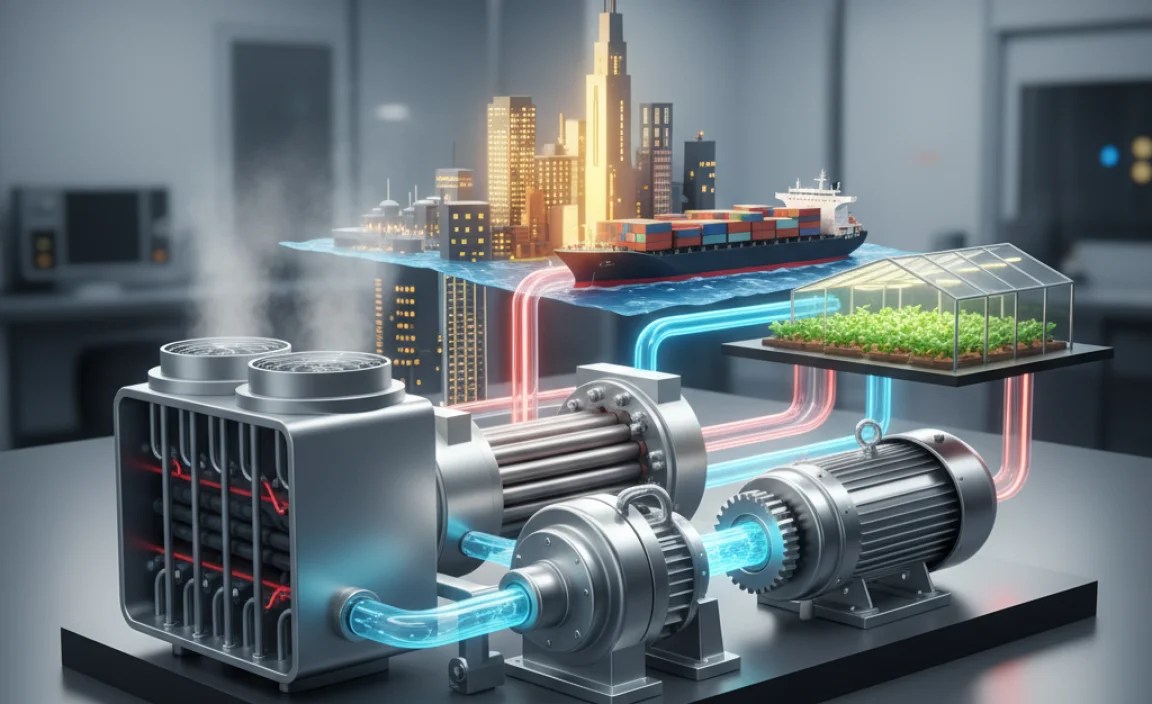
Steam cycles are used in many industries. Power plants, chemical processing, and manufacturing all rely on efficient steam cycles.
Power Plants
In power plants, steam cycles are used to generate electricity. The steam turns turbines connected to generators, producing the power we use every day.
Chemical Processing
In chemical plants, steam cycles provide heat for various processes. The steam can be used for heating reactors, distillation columns, and other equipment.
Manufacturing
Many manufacturing facilities use steam cycles for heating and power. Steam can be used to drive machinery, heat buildings, and provide hot water for various processes.
Troubleshooting Common Issues
Like any mechanical system, steam cycles can experience problems. Here are some common issues and how to address them.
Condenser Issues
Condenser problems can include leaks, fouling, and reduced efficiency. Regular maintenance and cleaning are essential.
- Leaks: Check for leaks in the condenser tubes and seals. Repair any leaks promptly to prevent loss of vacuum and water.
- Fouling: Clean the condenser tubes regularly to remove deposits that can reduce heat transfer efficiency.
- Reduced Efficiency: Monitor the condenser’s performance and address any issues that may be causing reduced efficiency, such as air leaks or inadequate cooling water flow.
Pump Problems
Pump problems can include cavitation, wear, and motor issues. Regular inspections and maintenance can prevent these issues.
- Cavitation: Ensure that the pump has adequate suction pressure to prevent cavitation, which can damage the pump impeller.
- Wear: Inspect the pump for signs of wear, such as worn bearings or seals. Replace worn parts as needed to maintain pump performance.
- Motor Issues: Check the pump motor for proper operation. Ensure that it is properly lubricated and that the electrical connections are secure.
Maintaining Efficiency
To keep the steam cycle running efficiently, regularly inspect and maintain all components. This includes the boiler, turbine, condenser, and pump.
Here are some tips for maintaining efficiency:
- Regular Inspections: Conduct regular inspections of all components to identify any potential issues early on.
- Preventative Maintenance: Implement a preventative maintenance program to keep all components in good working order.
- Performance Monitoring: Monitor the performance of the steam cycle to identify any deviations from optimal operating conditions.
Comparing Condenser Types
Choosing the right condenser type depends on your specific needs. Here’s a quick comparison to help you decide.
| Condenser Type | Pros | Cons | Ideal Use |
|---|---|---|---|
| Surface Condenser | High efficiency, water recovery | More complex, higher cost | Large power plants |
| Jet Condenser | Simpler design, lower cost | Water contamination, lower efficiency | Smaller industrial applications |
| Air-Cooled Condenser | No water needed | Lower efficiency, larger size | Areas with water scarcity |
Pump Selection Guide
Selecting the right pump is crucial for maintaining a stable and efficient steam cycle. Here’s a guide to help you choose the right type of pump.
| Pump Type | Pros | Cons | Ideal Use |
|---|---|---|---|
| Centrifugal Pump | High flow rates, reliable | Lower pressure capabilities | General water transfer |
| Positive Displacement Pump | Precise flow, high pressure | Lower flow rates, more complex | Chemical dosing, high-pressure applications |
| Boiler Feed Pump | High pressure, high temperature | Specialized design, higher cost | Boiler water supply |
FAQ: Steam Cycle Condensers and Pumps
Here are some frequently asked questions to help you better understand the role of condensers and pumps in steam cycles.
Why is a condenser needed in a steam cycle?
A condenser cools exhaust steam back into water, creating a vacuum that boosts the turbine’s efficiency and allows for water reuse.
What does a pump do in a steam cycle?
The pump returns the water from the condenser back to the boiler, overcoming pressure differences and ensuring a continuous water supply.
Can a steam cycle work without a condenser?
No, a condenser is essential for creating a vacuum and recovering water, which significantly improves the cycle’s efficiency.
What happens if the pump fails in a steam cycle?
If the pump fails, water cannot be returned to the boiler, causing the steam cycle to stop due to lack of water supply.
How does a condenser improve the efficiency of a turbine?
A condenser creates a vacuum, increasing the pressure difference across the turbine blades, allowing more energy to be extracted from the steam.
What are the main types of condensers used in steam cycles?
The main types include surface condensers, jet condensers, and air-cooled condensers, each with different advantages and applications.
Why is water reuse important in a steam cycle?
Water reuse conserves water resources, reduces water bills, and minimizes environmental impact by reducing the need for fresh water intake.
Conclusion
Understanding why a steam cycle needs a condenser and pump boils down to efficiency, water conservation, and cost-effectiveness. The condenser creates a vacuum and recovers water, while the pump returns the water to the boiler. Together, they ensure the steam cycle runs smoothly and economically.
Whether you’re working in a power plant, chemical processing facility, or any industry that uses steam cycles, knowing the roles of these components is crucial. By maintaining and troubleshooting them effectively, you can keep your steam cycle operating at its best.
“`


