
What Causes Short Cycling in a Heat Pump?

Quick Summary: Short cycling in a heat pump means it turns on and off too frequently, reducing efficiency and lifespan. Common causes include a dirty air filter, refrigerant leaks, oversized units, electrical problems, and thermostat issues. Regular maintenance and professional inspections can help prevent and fix short cycling, ensuring your heat pump runs smoothly and efficiently.
Is your heat pump turning on and off way too often? It’s a common problem called short cycling, and it can really mess with your home’s comfort and your energy bills. Short cycling not only makes your house feel unevenly heated or cooled, but it also puts extra stress on your heat pump, potentially leading to costly repairs down the road. But don’t worry!
In this guide, we’ll walk you through the most common reasons why your heat pump might be short cycling. We’ll cover everything from simple fixes you can do yourself to when it’s time to call in a pro. By the end, you’ll have a clear understanding of the issue and how to tackle it. Let’s get started!
Understanding Short Cycling in Heat Pumps

Before diving into the causes, let’s make sure we’re all on the same page about what short cycling actually is. Essentially, it’s when your heat pump starts up, runs for a very short period, and then shuts off, only to start up again soon after. This rapid on-off cycle is not normal and prevents the heat pump from doing its job efficiently.
A heat pump is designed to run in longer cycles. This way, it can efficiently transfer heat into or out of your home. When it short cycles, it never gets a chance to reach its optimal operating level. This wastes energy and strains the components of the system. Think of it like trying to drive a car by constantly starting and stopping – it’s not good for the engine!
Common Causes of Short Cycling

Now, let’s get to the heart of the matter: what’s causing your heat pump to short cycle? Here are the most frequent culprits:
1. Dirty Air Filter
A dirty air filter is one of the most common reasons for a heat pump to short cycle. The air filter’s job is to trap dust, pollen, and other particles, preventing them from getting into the heat pump and causing damage. However, when the filter becomes clogged, it restricts airflow. This causes the heat pump to overheat and shut down prematurely.
Think of it like trying to breathe through a thick cloth – you can’t get enough air, and you’ll quickly tire out. The same thing happens to your heat pump. Restricted airflow makes it work harder, leading to overheating and short cycles.
Solution: Regularly check your air filter and replace it when it’s dirty. Most manufacturers recommend changing the filter every 1-3 months, but it depends on how often you use your heat pump and the air quality in your area. A clean filter ensures proper airflow and helps your heat pump run efficiently. You can find replacement filters at most hardware stores or online.
2. Refrigerant Leaks
Refrigerant is the lifeblood of your heat pump. It’s the substance that absorbs and releases heat, allowing your heat pump to transfer heat into or out of your home. If there’s a leak in the refrigerant line, the heat pump won’t have enough refrigerant to operate properly. This causes it to work harder and overheat, leading to short cycling.
Refrigerant leaks can be tricky to detect because refrigerant is usually odorless and colorless. However, you might notice other signs, such as reduced cooling or heating performance, ice buildup on the refrigerant lines, or a hissing sound near the unit.
Solution: Refrigerant leaks require professional attention. Contact a qualified HVAC technician to locate and repair the leak. They’ll also need to recharge the system with the correct amount of refrigerant. Do not attempt to handle refrigerant yourself, as it requires specialized equipment and training. Plus, it’s harmful to the environment.
3. Oversized Heat Pump
Sometimes, the problem isn’t a malfunction but a mismatch between the heat pump and your home. If your heat pump is too large for your home, it will cool or heat the space too quickly. This causes it to reach the thermostat’s setpoint prematurely and shut off, resulting in short cycles.
An oversized heat pump might seem like a good idea – after all, it can quickly cool or heat your home. However, it’s actually less efficient because it doesn’t run long enough to properly dehumidify the air. This can leave your home feeling clammy and uncomfortable, even when the temperature is right.
Solution: The best way to avoid this issue is to have a professional HVAC technician properly size your heat pump before installation. They’ll consider factors like your home’s square footage, insulation, climate, and window efficiency to determine the right size. If you suspect your heat pump is oversized, contact a technician to assess the situation and recommend solutions. Unfortunately, the only real solution is often replacing the unit with a correctly sized one.
4. Electrical Problems
Electrical issues can also cause a heat pump to short cycle. Problems like faulty wiring, loose connections, or a failing capacitor can interrupt the flow of electricity to the heat pump, causing it to shut down unexpectedly.
Electrical problems can be dangerous, so it’s important to address them promptly. If you notice any signs of electrical issues, such as flickering lights, burning smells, or a tripped circuit breaker, turn off the heat pump and contact a qualified electrician or HVAC technician.
Solution: Electrical repairs should always be performed by a professional. They have the expertise and equipment to diagnose and fix electrical problems safely and effectively. Do not attempt to repair electrical components yourself unless you are a qualified electrician.
5. Thermostat Issues
The thermostat is the brain of your heat pump system. It tells the heat pump when to turn on and off based on the temperature in your home. If the thermostat is malfunctioning, it can send incorrect signals to the heat pump, causing it to short cycle.
Common thermostat issues include incorrect temperature readings, loose wiring, or a faulty sensor. Sometimes, the thermostat is simply located in a bad spot, such as near a heat source or in direct sunlight, which can throw off its readings.
Solution: First, make sure your thermostat is set correctly and the batteries are fresh. If that doesn’t solve the problem, try resetting the thermostat to its factory settings. Consult your thermostat’s manual for instructions. If the problem persists, consider replacing the thermostat with a new one. Smart thermostats offer enhanced features and can help improve energy efficiency. If you’re not comfortable replacing the thermostat yourself, contact an HVAC technician.
6. Frozen Evaporator Coil
The evaporator coil is located inside the indoor unit of your heat pump. Its job is to absorb heat from the air. If the evaporator coil becomes frozen, it can restrict airflow and cause the heat pump to overheat and short cycle.
A frozen evaporator coil is often caused by low refrigerant levels, a dirty air filter, or a malfunctioning blower motor. It’s important to address this issue promptly, as it can damage the compressor, which is the most expensive part of the heat pump.
Solution: If you suspect a frozen evaporator coil, turn off the heat pump and allow the coil to thaw. This can take several hours. Once the coil has thawed, check the air filter and replace it if it’s dirty. If the problem persists, contact an HVAC technician to diagnose and repair the underlying cause. They may need to add refrigerant or repair the blower motor.
7. Blocked or Dirty Outdoor Unit
The outdoor unit of your heat pump is responsible for releasing heat into the air in cooling mode and absorbing heat from the air in heating mode. If the outdoor unit is blocked by debris, such as leaves, branches, or snow, it can’t function properly. This can cause the heat pump to overheat and short cycle.
Similarly, if the outdoor unit is dirty, the coils won’t be able to efficiently transfer heat. This can also lead to overheating and short cycling. Regular cleaning and maintenance of the outdoor unit are essential for optimal performance.
Solution: Regularly inspect the outdoor unit and remove any debris that’s blocking airflow. Use a garden hose to gently clean the coils. Be careful not to damage the fins. You can also purchase a coil cleaner specifically designed for heat pumps. For heavy dirt buildup, consider hiring a professional HVAC technician to clean the unit.
Troubleshooting Steps for Short Cycling
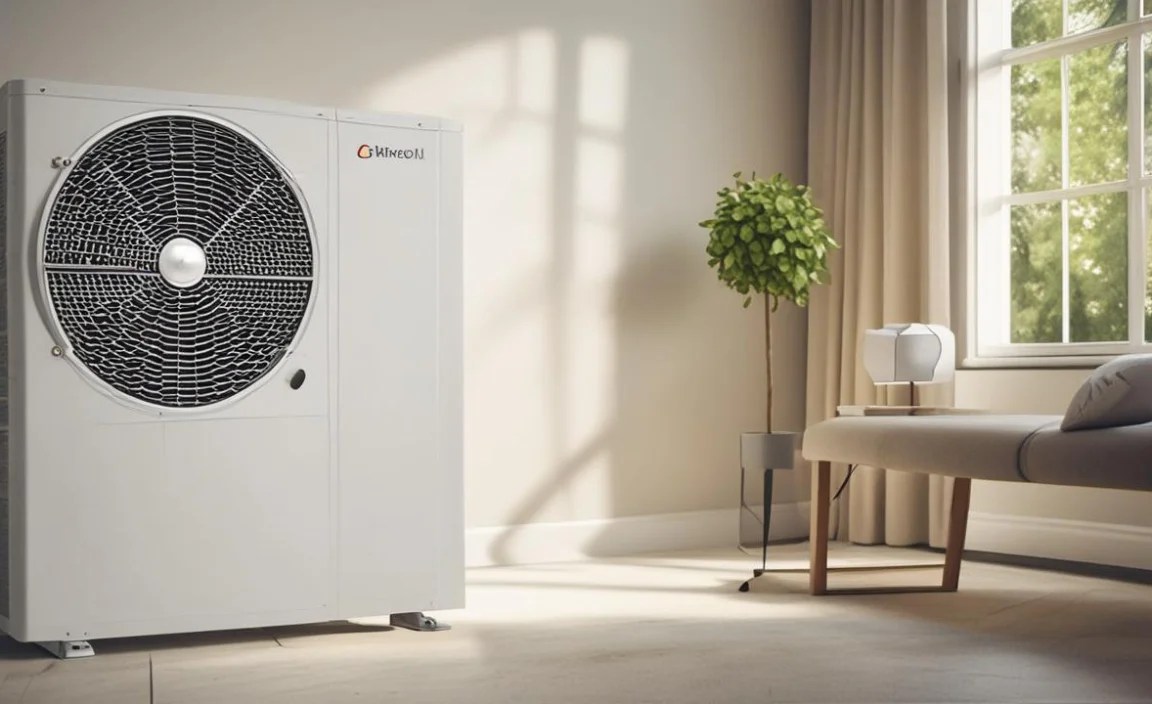
Here’s a step-by-step guide to help you troubleshoot short cycling in your heat pump:
- Check the Air Filter: Replace it if it’s dirty.
- Inspect the Outdoor Unit: Remove any debris and clean the coils.
- Check the Thermostat: Make sure it’s set correctly and the batteries are fresh. Try resetting it to its factory settings.
- Look for Ice Buildup: If you see ice on the evaporator coil, turn off the heat pump and let it thaw.
- Listen for Unusual Noises: Hissing sounds could indicate a refrigerant leak.
- Monitor Performance: Is the heat pump providing adequate heating or cooling?
- Call a Professional: If you’ve tried these steps and the problem persists, contact a qualified HVAC technician.
Preventing Short Cycling
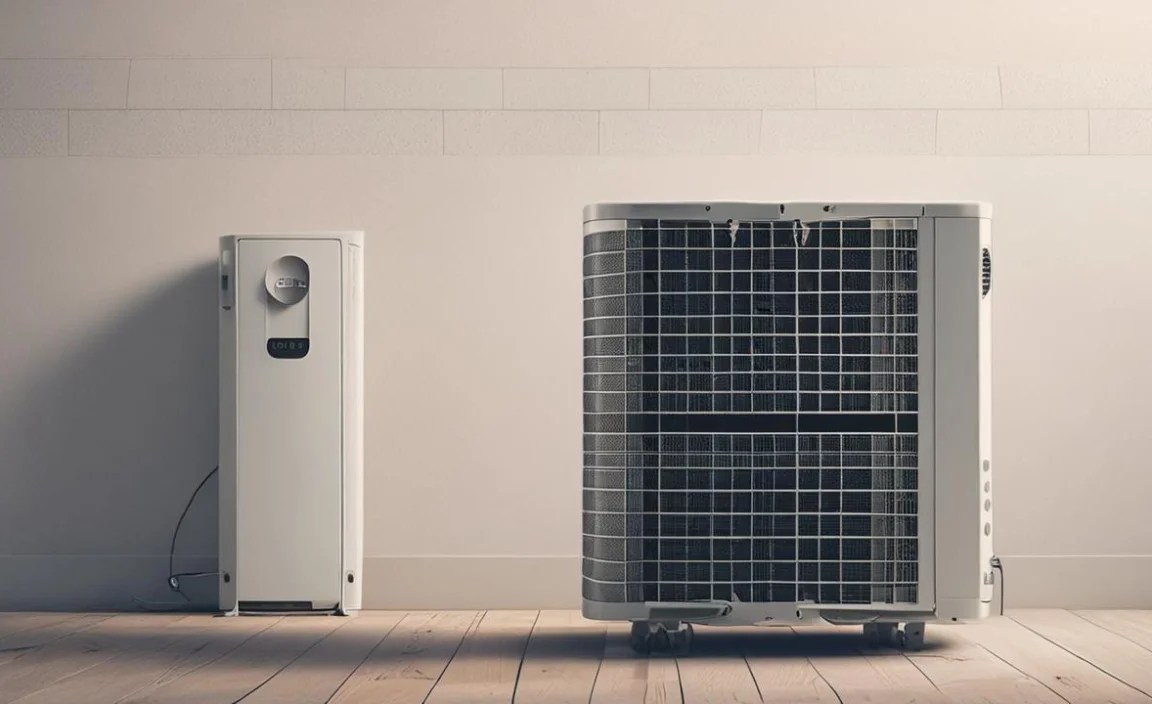
Prevention is always better than cure. Here are some tips to help you prevent short cycling in your heat pump:
- Regular Maintenance: Schedule annual maintenance checkups with a qualified HVAC technician. They can identify and fix potential problems before they lead to short cycling.
- Proper Sizing: Make sure your heat pump is properly sized for your home. An oversized or undersized unit is more likely to short cycle.
- Smart Thermostat: Consider installing a smart thermostat. These thermostats can learn your heating and cooling patterns and adjust the temperature accordingly, which can help prevent short cycling.
- Insulation: Proper insulation helps keep your home at a consistent temperature, which reduces the workload on your heat pump and prevents short cycling.
- Air Sealing: Seal any air leaks in your home to prevent drafts and keep the temperature consistent. This will help your heat pump run more efficiently and prevent short cycling.
The Impact of Short Cycling on Your Heat Pump

Short cycling isn’t just an annoyance; it can have serious consequences for your heat pump’s performance and lifespan. Here’s a breakdown of the potential impacts:
| Impact | Description |
|---|---|
| Reduced Efficiency | Short cycling wastes energy because the heat pump never reaches its optimal operating level. This leads to higher energy bills. |
| Increased Wear and Tear | The constant starting and stopping puts extra stress on the heat pump’s components, leading to increased wear and tear and a shorter lifespan. |
| Uneven Heating and Cooling | Short cycling can cause uneven heating and cooling throughout your home, making some rooms too hot or too cold. |
| Higher Repair Costs | The increased wear and tear caused by short cycling can lead to more frequent breakdowns and higher repair costs. |
| Dehumidification Issues | Heat pumps dehumidify the air while they’re running. Short cycles prevent proper dehumidification, leading to a clammy and uncomfortable indoor environment. |
When to Call a Professional
While some causes of short cycling, like a dirty air filter, are easy to fix yourself, others require professional attention. Here’s when it’s time to call a qualified HVAC technician:
- You suspect a refrigerant leak.
- You notice electrical problems, such as flickering lights or burning smells.
- The evaporator coil is frozen, and you can’t identify the cause.
- You suspect your heat pump is oversized.
- You’ve tried troubleshooting the problem yourself, but it persists.
A qualified HVAC technician has the expertise and equipment to diagnose and repair complex heat pump problems safely and effectively. They can also perform routine maintenance to help prevent short cycling and other issues.
Cost Considerations for Repairs
Addressing short cycling can involve various costs, depending on the root cause. Here’s a general idea of what you might expect:
| Repair | Estimated Cost | Description |
|---|---|---|
| Air Filter Replacement | $5 – $20 | A simple DIY fix, air filters are relatively inexpensive. |
| Thermostat Replacement | $75 – $300 | Cost varies depending on the type of thermostat (basic vs. smart). |
| Refrigerant Leak Repair | $200 – $1,000 | Depends on the size and location of the leak, plus the cost of refrigerant. |
| Electrical Repair | $100 – $500 | Varies depending on the complexity of the electrical issue. |
| Heat Pump Replacement (Oversized Unit) | $3,000 – $7,000+ | The most expensive option, but necessary if the unit is improperly sized. Energy Star certified units may qualify for rebates. |
These are just estimates, and the actual cost may vary depending on your location and the specific HVAC technician you hire. Always get a quote before proceeding with any repairs.
FAQ About Heat Pump Short Cycling
Why is my heat pump turning on and off so quickly?
Your heat pump might be short cycling due to a dirty air filter, refrigerant leaks, electrical issues, or an oversized unit. Check the filter first and call a pro if the problem continues.
Can a dirty air filter cause short cycling?
Yes! A dirty air filter restricts airflow, causing the heat pump to overheat and shut down prematurely. Replace your air filter regularly, usually every 1-3 months.
Is short cycling bad for my heat pump?
Absolutely. Short cycling reduces efficiency, increases wear and tear, and shortens the lifespan of your heat pump. It can also lead to higher energy bills and uneven heating or cooling.
How do I know if my heat pump is oversized?
An oversized heat pump will quickly cool or heat your home and then shut off, resulting in short cycles. It might also leave your home feeling clammy because it doesn’t dehumidify properly. A professional HVAC technician can assess the sizing.
Can I fix short cycling myself?
You can try simple fixes like replacing the air filter or cleaning the outdoor unit. However, for more complex issues like refrigerant leaks or electrical problems, it’s best to call a qualified HVAC technician.
How often should I have my heat pump serviced?
Schedule annual maintenance checkups with a qualified HVAC technician to keep your heat pump running smoothly and prevent problems like short cycling. Regular maintenance can extend the lifespan of your unit and improve its efficiency.
What are the benefits of a smart thermostat?
Smart thermostats learn your heating and cooling patterns, adjust the temperature accordingly, and help prevent short cycling. They can also save you money on your energy bills and offer convenient features like remote control and energy monitoring.
Conclusion
Short cycling in a heat pump is a common issue, but it’s one you can tackle with the right knowledge and a bit of effort. By understanding the potential causes and following the troubleshooting steps outlined in this guide, you can often resolve the problem yourself. Regular maintenance, including changing the air filter and cleaning the outdoor unit, is key to preventing short cycling and keeping your heat pump running efficiently.
Air Conditioner Condenser Short Cycling – 10 Possible Causes
However, don’t hesitate to call a qualified HVAC technician when needed. Refrigerant leaks, electrical problems, and oversized units require professional attention. Addressing short cycling promptly will not only improve your home’s comfort but also extend the lifespan of your heat pump and save you money on energy bills in the long run. Take control of your home’s climate and enjoy the benefits of a properly functioning heat pump!


