
What is Clean Cycle Heat Pump? A Beginner’s Guide

Quick Summary: A Clean Cycle heat pump is an efficient heating and cooling system that uses a non-ozone depleting refrigerant and advanced compressor technology to transfer heat. This results in lower energy consumption, reduced greenhouse gas emissions, and consistent temperatures. It’s designed to be environmentally friendly and cost-effective, offering a sustainable alternative to traditional HVAC systems.
Is your energy bill through the roof? Are you tired of inconsistent temperatures in your home? Many homeowners face these problems, struggling with outdated heating and cooling systems that guzzle energy and harm the environment. The good news is there’s a better way! Clean Cycle heat pumps offer an efficient and eco-friendly solution. In this guide, we’ll explore what a Clean Cycle heat pump is, how it works, and why it might be the perfect upgrade for your home. Get ready to discover a smarter way to heat and cool your space!
Understanding Heat Pumps
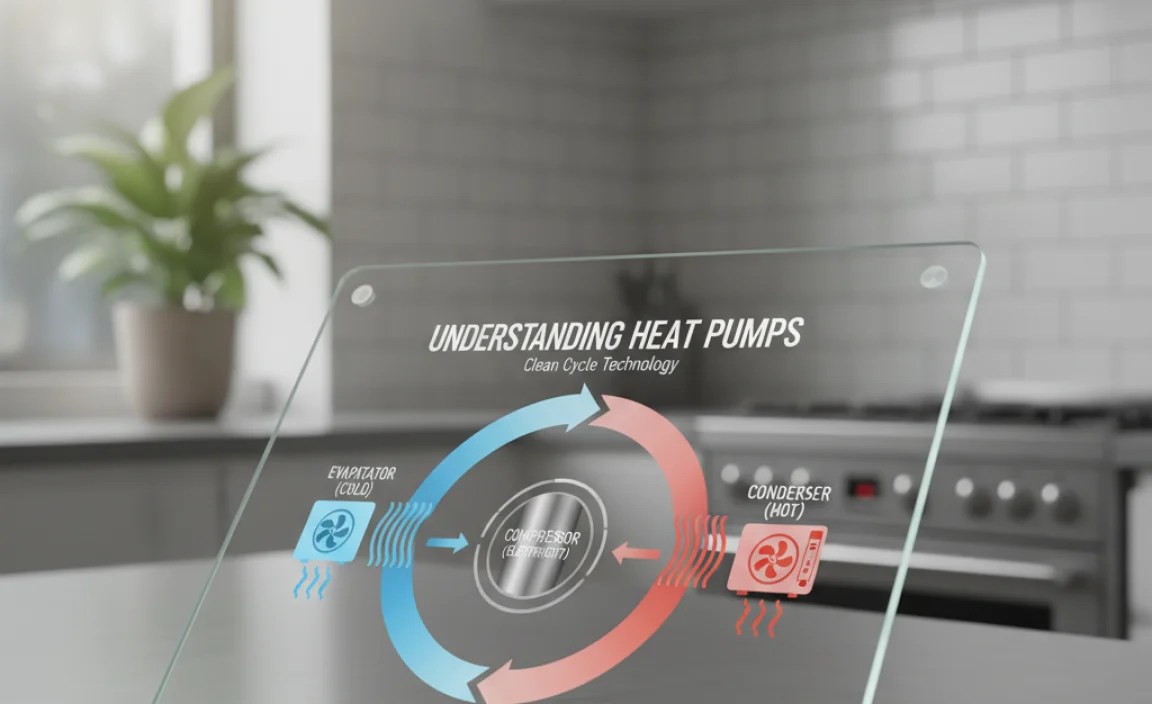
Before diving into Clean Cycle heat pumps, let’s cover the basics of heat pumps in general. A heat pump is a device that transfers heat from one place to another. It can heat your home in the winter and cool it in the summer. Unlike furnaces that generate heat by burning fuel, heat pumps simply move heat.
How Heat Pumps Work
Heat pumps use a refrigerant to absorb and release heat. In the winter, the heat pump extracts heat from the outside air (even when it’s cold) and transfers it inside. In the summer, it reverses the process, pulling heat from inside your home and releasing it outside. This cycle makes heat pumps incredibly efficient.
The main components of a heat pump include:
- Refrigerant: A substance that absorbs and releases heat as it changes between liquid and gas.
- Compressor: A motor that circulates the refrigerant and increases its pressure and temperature.
- Evaporator: A coil where the refrigerant absorbs heat from the surrounding air.
- Condenser: A coil where the refrigerant releases heat to the surrounding air.
- Expansion Valve: A device that reduces the pressure of the refrigerant before it enters the evaporator.
What Makes Clean Cycle Heat Pumps Different?

Clean Cycle heat pumps stand out from traditional heat pumps due to their advanced technology and environmentally friendly design. These pumps are engineered for superior performance and sustainability.
Key Features of Clean Cycle Heat Pumps
Here are the key features that differentiate Clean Cycle heat pumps:
- Eco-Friendly Refrigerant: Uses a non-ozone depleting refrigerant with a low Global Warming Potential (GWP).
- Advanced Compressor Technology: Features a high-efficiency compressor that optimizes energy use.
- Smart Controls: Integrates with smart thermostats and home automation systems for precise temperature control.
- Quiet Operation: Designed for minimal noise, ensuring a peaceful home environment.
- Durable Construction: Built with high-quality materials for long-lasting performance.
Benefits of Choosing a Clean Cycle Heat Pump
Choosing a Clean Cycle heat pump comes with several advantages:
- Energy Efficiency: Lower energy consumption leads to reduced utility bills.
- Reduced Emissions: Environmentally friendly refrigerant minimizes greenhouse gas emissions.
- Consistent Comfort: Provides even and stable temperatures throughout your home.
- Cost Savings: Potential rebates and incentives can offset the initial cost.
- Improved Air Quality: Some models include air purification features.
How Clean Cycle Heat Pumps Work: A Detailed Look

To fully appreciate the benefits, let’s dive deeper into how Clean Cycle heat pumps operate in both heating and cooling modes.
Heating Mode
In the heating mode, the Clean Cycle heat pump works as follows:
- Refrigerant Absorption: The refrigerant absorbs heat from the outside air, even in cold temperatures.
- Compression: The compressor increases the pressure and temperature of the refrigerant.
- Heat Release: The hot refrigerant flows through the indoor coil (condenser), releasing heat into your home.
- Expansion: The refrigerant passes through the expansion valve, reducing its pressure and temperature before returning to the outdoor coil.
- Cycle Repeats: The cycle repeats, continuously transferring heat into your home.
Cooling Mode
In the cooling mode, the process is reversed:
- Refrigerant Absorption: The refrigerant absorbs heat from the indoor air.
- Compression: The compressor increases the pressure and temperature of the refrigerant.
- Heat Release: The hot refrigerant flows through the outdoor coil (condenser), releasing heat outside.
- Expansion: The refrigerant passes through the expansion valve, reducing its pressure and temperature before returning to the indoor coil.
- Cycle Repeats: The cycle repeats, continuously removing heat from your home.
Comparing Clean Cycle Heat Pumps to Traditional Systems

To illustrate the advantages of Clean Cycle heat pumps, let’s compare them to traditional heating and cooling systems like furnaces and air conditioners.
Energy Efficiency
Clean Cycle heat pumps are significantly more energy-efficient than traditional systems. They can deliver up to four times more heating or cooling energy than they consume in electricity. Furnaces, on the other hand, typically convert less than 100% of the fuel they burn into heat.
Environmental Impact
Traditional systems often use refrigerants with high GWP, contributing to climate change. Clean Cycle heat pumps use eco-friendly refrigerants, reducing their environmental footprint. Additionally, because they use electricity, they can be powered by renewable energy sources like solar or wind, further reducing emissions.
Cost Savings
While the initial cost of a Clean Cycle heat pump might be higher, the long-term cost savings can be substantial. Lower energy bills and potential rebates can offset the upfront investment. Traditional systems, especially older models, tend to be less efficient and more expensive to operate.
Lifespan and Maintenance
Clean Cycle heat pumps are built to last, with durable components and smart controls that optimize performance. Regular maintenance, such as filter replacements and coil cleaning, can extend their lifespan. Traditional systems may require more frequent repairs and replacements, especially as they age.
Types of Clean Cycle Heat Pumps

Clean Cycle heat pumps come in different types to suit various needs and applications.
Air-Source Heat Pumps
Air-source heat pumps are the most common type. They transfer heat between your home and the outside air. These are suitable for moderate climates where temperatures don’t drop too low.
Geothermal Heat Pumps
Geothermal heat pumps, also known as ground-source heat pumps, transfer heat between your home and the ground. The ground temperature remains relatively constant year-round, making these systems highly efficient. However, they require more significant upfront investment due to the need for underground installation.
Ductless Mini-Split Heat Pumps
Ductless mini-split heat pumps are ideal for homes without ductwork or for adding heating and cooling to specific rooms. They consist of an outdoor unit and one or more indoor units, connected by refrigerant lines. These are easy to install and offer individual zone control.
Installation and Maintenance of Clean Cycle Heat Pumps
Proper installation and maintenance are crucial for ensuring the optimal performance and longevity of your Clean Cycle heat pump.
Installation Process
The installation process typically involves the following steps:
- Assessment: A professional HVAC technician assesses your home’s heating and cooling needs.
- Selection: You choose the appropriate type and size of Clean Cycle heat pump.
- Preparation: The technician prepares the installation site, including electrical and refrigerant connections.
- Installation: The heat pump units are installed, and refrigerant lines are connected.
- Testing: The system is tested to ensure proper operation and efficiency.
- Education: You receive instructions on how to operate and maintain the system.
Maintenance Tips
Here are some essential maintenance tips to keep your Clean Cycle heat pump running smoothly:
- Regular Filter Changes: Replace air filters every 1-3 months to maintain airflow and air quality.
- Coil Cleaning: Clean the outdoor and indoor coils at least once a year to remove dirt and debris.
- Professional Inspection: Schedule annual inspections by a qualified HVAC technician to identify and address any issues.
- Clear Debris: Keep the area around the outdoor unit free of leaves, snow, and other obstructions.
- Monitor Performance: Pay attention to any unusual noises, smells, or performance issues and address them promptly.
Cost Considerations and Incentives
Understanding the cost of Clean Cycle heat pumps and available incentives can help you make an informed decision.
Initial Costs
The initial cost of a Clean Cycle heat pump varies depending on the type, size, and installation complexity. Air-source heat pumps are generally less expensive than geothermal heat pumps. Ductless mini-split systems offer a cost-effective solution for specific areas.
Long-Term Savings
Despite the initial investment, Clean Cycle heat pumps can save you money in the long run through reduced energy bills. The exact savings depend on factors like your climate, energy usage, and the efficiency of your previous system.
Available Incentives
Many governments and utility companies offer rebates and incentives for installing energy-efficient heat pumps. These incentives can significantly reduce the upfront cost. Check with your local utility company and government agencies for available programs. You can also explore federal tax credits for energy-efficient home improvements.
Real-World Examples and Case Studies
To illustrate the impact of Clean Cycle heat pumps, let’s look at some real-world examples and case studies.
Case Study 1: Residential Home Upgrade
A homeowner in a moderate climate replaced their old furnace and air conditioner with a Clean Cycle air-source heat pump. They experienced a 40% reduction in their energy bills and improved indoor air quality. The homeowner also received a rebate from their utility company, further reducing the cost.
Case Study 2: Commercial Building Retrofit
A commercial building in a colder climate installed a geothermal heat pump system. The building owner saw a significant decrease in heating costs and a reduction in carbon emissions. The geothermal system provided consistent and comfortable temperatures throughout the building.
Example 3: Ductless Mini-Split Installation
A homeowner with an older home without ductwork installed ductless mini-split heat pumps in several rooms. They were able to add heating and cooling to these areas without the expense and disruption of installing ductwork. The mini-split systems also allowed for individual zone control, improving comfort and energy efficiency.
Choosing the Right Clean Cycle Heat Pump for Your Needs
Selecting the right Clean Cycle heat pump involves considering several factors to ensure it meets your specific requirements.
Factors to Consider
- Climate: The climate in your area is a crucial factor. Air-source heat pumps are suitable for moderate climates, while geothermal heat pumps are more efficient in extreme temperatures.
- Home Size: The size of your home determines the capacity of the heat pump needed. A larger home requires a more powerful system.
- Ductwork: If your home has existing ductwork, an air-source or geothermal heat pump can be connected to it. If not, a ductless mini-split system might be a better option.
- Budget: Consider your budget, including the initial cost, potential rebates, and long-term savings.
- Energy Efficiency Goals: Determine your energy efficiency goals and choose a heat pump with a high Seasonal Energy Efficiency Ratio (SEER) and Heating Season Performance Factor (HSPF).
Working with a Professional
It’s essential to work with a qualified HVAC technician to assess your needs and recommend the right Clean Cycle heat pump. A professional can perform a load calculation to determine the appropriate size and capacity of the system. They can also provide expert installation and maintenance services.
The Future of Heat Pump Technology
Heat pump technology is continually evolving, with ongoing research and development focused on improving efficiency, reducing costs, and expanding applications.
Emerging Trends
- Improved Refrigerants: New refrigerants with even lower GWP are being developed to further reduce the environmental impact of heat pumps.
- Smart Controls: Advanced smart controls and integration with home automation systems are enhancing energy efficiency and convenience.
- Variable Speed Compressors: Variable speed compressors are becoming more common, allowing heat pumps to adjust their output to match the heating and cooling demand, improving efficiency and comfort.
- Hybrid Systems: Hybrid systems that combine heat pumps with other heating sources, such as natural gas furnaces, are gaining popularity in colder climates.
Government and Industry Initiatives
Governments and industry organizations are promoting the adoption of heat pump technology through research funding, incentives, and regulations. These initiatives are helping to drive innovation and accelerate the transition to more sustainable heating and cooling solutions. The U.S. Department of Energy, for example, has invested heavily in heat pump research and development. Learn more at Energy.gov.
FAQ About Clean Cycle Heat Pumps
1. What is the lifespan of a Clean Cycle heat pump?
A Clean Cycle heat pump typically lasts between 15 to 20 years with proper maintenance. Regular filter changes and annual professional inspections can extend its lifespan.
2. Are Clean Cycle heat pumps noisy?
No, Clean Cycle heat pumps are designed for quiet operation. Many models include features that minimize noise, ensuring a peaceful home environment.
3. Can I install a Clean Cycle heat pump myself?
It’s best to have a professional HVAC technician install a Clean Cycle heat pump. Proper installation is crucial for ensuring optimal performance and safety.
4. How often should I change the air filter in my Clean Cycle heat pump?
You should change the air filter every 1-3 months, depending on air quality and usage. A clean filter helps maintain airflow and air quality.
5. What is SEER and HSPF?
SEER (Seasonal Energy Efficiency Ratio) measures the cooling efficiency of a heat pump, while HSPF (Heating Season Performance Factor) measures the heating efficiency. Higher numbers indicate greater efficiency.
6. Are Clean Cycle heat pumps effective in cold climates?
Yes, Clean Cycle heat pumps, especially geothermal models, are effective in cold climates. They can extract heat from the ground or air even in low temperatures.
7. Do Clean Cycle heat pumps require special maintenance?
No, Clean Cycle heat pumps don’t require special maintenance. Regular filter changes, coil cleaning, and annual professional inspections are sufficient.
Conclusion
Clean Cycle heat pumps represent a significant advancement in heating and cooling technology, offering a more efficient, environmentally friendly, and cost-effective alternative to traditional systems. By understanding how these pumps work, their benefits, and the factors to consider when choosing a system, you can make an informed decision that enhances your home’s comfort and reduces your environmental impact. Whether you opt for an air-source, geothermal, or ductless mini-split system, a Clean Cycle heat pump can provide consistent comfort, lower energy bills, and a greener future. Embrace the innovation and make the switch to a cleaner, more sustainable way to heat and cool your home!
“`


