
Why Does My Heat Pump Cycle Off Before Reaching Temperature?

Quick Summary: A heat pump that cycles off before reaching the set temperature often suffers from issues like a dirty air filter, frozen coils, refrigerant leaks, or a malfunctioning thermostat. Diagnosing these problems early and performing regular maintenance, such as cleaning filters and scheduling professional check-ups, can help ensure your heat pump operates efficiently and keeps your home comfortable.
Is your heat pump turning off before your house reaches the cozy temperature you set? It’s a common problem, and it can be super frustrating. You’re left wondering why your system isn’t doing its job. Don’t worry, you’re not alone! Many homeowners face this issue, and the good news is that it’s often fixable. We’ll walk you through the most common reasons why your heat pump might be short-cycling and give you simple steps to troubleshoot the problem. Let’s get started and figure out why your heat pump isn’t keeping you warm (or cool) as it should!
Understanding Heat Pump Short Cycling

Short cycling is when your heat pump turns on and off more frequently than it should. Instead of running steadily to maintain a consistent temperature, it starts up, runs for a short period, and then shuts down. This not only makes your home uncomfortable but also puts extra strain on the system, potentially shortening its lifespan and increasing energy bills.
Why Short Cycling is Bad
- Reduced Comfort: Inconsistent temperatures make your home feel less comfortable.
- Higher Energy Bills: Frequent starts consume more energy than steady operation.
- Increased Wear and Tear: More starts and stops put extra stress on the components, leading to premature failure.
- Decreased Lifespan: Over time, short cycling can significantly reduce the lifespan of your heat pump.
Common Causes of Heat Pump Short Cycling

Several factors can cause your heat pump to short cycle. Let’s explore each in detail.
1. Dirty Air Filter
A dirty air filter is one of the most common culprits behind heat pump short cycling. The filter’s job is to trap dust, pollen, and other particles, preventing them from entering the heat pump and damaging its components. When the filter becomes clogged, it restricts airflow, causing the heat pump to overheat and shut down prematurely.
How to Check and Replace Your Air Filter
- Locate the Filter: Air filters are usually located in the indoor unit of your heat pump, often behind a removable panel.
- Inspect the Filter: Remove the filter and hold it up to the light. If you can’t see light through it, it’s likely dirty.
- Replace the Filter: Replace the dirty filter with a new one of the same size and type.
- Regular Maintenance: Check your filter monthly and replace it every 1-3 months, depending on usage and air quality.
2. Frozen Coils
In colder weather, the outdoor coils of your heat pump can freeze due to moisture in the air. A thin layer of frost is normal, and the system will automatically defrost itself periodically. However, if the coils become heavily iced over, it can restrict airflow and cause the heat pump to overheat and shut down.
Causes of Frozen Coils
- Low Refrigerant Levels: Insufficient refrigerant can cause the coils to get too cold, leading to freezing.
- Poor Airflow: A dirty air filter or blocked vents can reduce airflow, exacerbating the problem.
- Defrost System Failure: A malfunctioning defrost system may not activate when needed, allowing ice to build up.
How to Address Frozen Coils
- Check the Air Filter: Ensure the air filter is clean to promote good airflow.
- Melt the Ice: If the coils are frozen, you can try melting the ice by running the heat pump in emergency heat mode. Note: This bypasses the heat pump function and uses electric resistance heat, which is less efficient.
- Call a Professional: If the problem persists, contact a qualified HVAC technician to check the refrigerant levels and defrost system.
3. Refrigerant Leaks
Refrigerant is the fluid that circulates through the heat pump, absorbing and releasing heat. If there’s a leak in the refrigerant lines, the system won’t have enough refrigerant to operate efficiently. This can lead to frozen coils and short cycling.
Signs of a Refrigerant Leak
- Ice Buildup: Excessive ice on the outdoor coils, even in mild temperatures.
- Reduced Heating or Cooling: The heat pump struggles to maintain the set temperature.
- Hissing Sound: A hissing or bubbling sound coming from the unit.
- Higher Energy Bills: The system works harder to compensate for the lack of refrigerant.
What to Do About Refrigerant Leaks
Refrigerant leaks should only be handled by a licensed HVAC technician. They have the tools and expertise to locate and repair the leak, as well as recharge the system with the correct amount of refrigerant. Attempting to fix a refrigerant leak yourself can be dangerous and may violate environmental regulations.
4. Malfunctioning Thermostat
The thermostat controls the operation of your heat pump, telling it when to turn on and off based on the temperature in your home. If the thermostat is malfunctioning, it may send incorrect signals to the heat pump, causing it to short cycle.
Types of Thermostat Problems
- Incorrect Settings: Make sure the thermostat is set to the correct mode (heat or cool) and temperature.
- Calibration Issues: The thermostat may not be accurately reading the temperature in your home.
- Wiring Problems: Loose or damaged wiring can interfere with the thermostat’s operation.
- Faulty Sensor: The temperature sensor inside the thermostat may be defective.
Troubleshooting Your Thermostat
- Check the Batteries: If your thermostat is battery-powered, make sure the batteries are fresh.
- Reset the Thermostat: Try resetting the thermostat to its factory settings. Refer to the manufacturer’s instructions for how to do this.
- Check the Wiring: If you’re comfortable doing so, inspect the wiring connections to ensure they’re secure.
- Replace the Thermostat: If none of these steps work, you may need to replace the thermostat.
5. Oversized Heat Pump
Sometimes, a heat pump may short cycle because it’s too large for the space it’s heating or cooling. An oversized unit can quickly reach the set temperature and shut off, only to turn back on again a short time later. This is inefficient and can lead to discomfort.
How to Determine if Your Heat Pump is Oversized
- Frequent Short Cycling: The heat pump turns on and off very frequently, even on mild days.
- Uneven Temperatures: Some rooms may feel too hot or too cold, while others are just right.
- High Humidity: In cooling mode, the system may not run long enough to properly dehumidify the air.
Addressing an Oversized Heat Pump
If you suspect your heat pump is oversized, consult with an HVAC professional. They can perform a load calculation to determine the correct size unit for your home. If the existing unit is indeed too large, you may need to replace it with a smaller one.
6. Ductwork Issues
Problems with your ductwork can also contribute to heat pump short cycling. Leaky or poorly insulated ducts can cause the system to work harder to maintain the set temperature, leading to overheating and frequent shutdowns.
Common Ductwork Problems
- Leaky Ducts: Air leaks in the ductwork allow heated or cooled air to escape, reducing efficiency.
- Poor Insulation: Uninsulated or poorly insulated ducts lose heat in the winter and gain heat in the summer, increasing the workload on the heat pump.
- Blocked Vents: Obstructed vents can restrict airflow, causing the system to overheat.
Inspecting and Repairing Ductwork
- Inspect for Leaks: Look for visible gaps or cracks in the ductwork, especially at joints and seams.
- Seal Leaks: Use duct tape or mastic sealant to seal any leaks you find.
- Insulate Ducts: Wrap uninsulated ducts with insulation to improve energy efficiency.
- Clear Blocked Vents: Make sure vents are free from obstructions, such as furniture or rugs.
7. Electrical Issues
Electrical problems can also cause a heat pump to short cycle. Issues such as loose wiring, a faulty capacitor, or a failing motor can interrupt the system’s operation and lead to premature shutdowns.
Common Electrical Problems
- Loose Wiring: Loose electrical connections can cause intermittent power interruptions.
- Faulty Capacitor: Capacitors help start and run the motors in the heat pump. A failing capacitor can prevent the motor from running properly.
- Failing Motor: A motor that’s nearing the end of its lifespan may overheat and shut down prematurely.
Addressing Electrical Issues
Electrical problems should only be handled by a qualified electrician or HVAC technician. They have the training and tools to diagnose and repair electrical issues safely. Attempting to fix electrical problems yourself can be dangerous and may result in injury or property damage.
Troubleshooting Steps: A Comprehensive Checklist
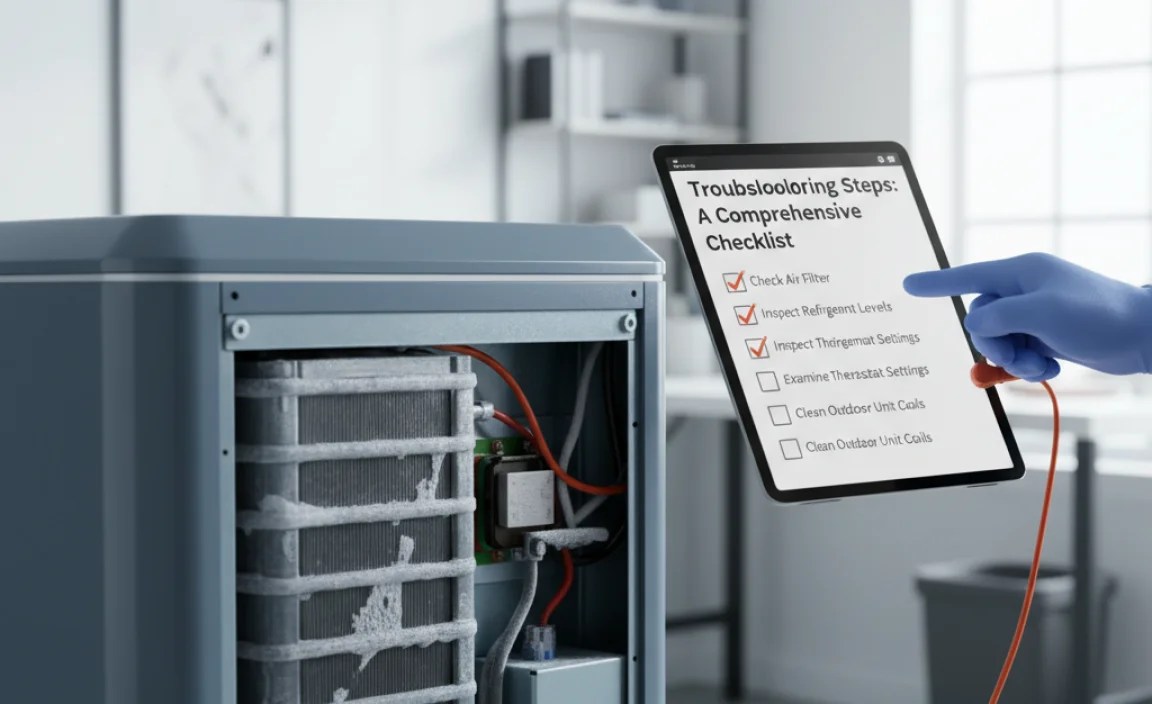
Here’s a step-by-step checklist to help you troubleshoot why your heat pump is short cycling:
- Check the Air Filter: Replace it if it’s dirty.
- Inspect the Outdoor Coils: Look for ice buildup and try melting it (if safe).
- Check the Thermostat: Ensure it’s set correctly and functioning properly.
- Inspect the Ductwork: Look for leaks and seal them.
- Listen for Unusual Noises: Hissing or bubbling sounds may indicate a refrigerant leak.
- Monitor the System: Observe how frequently the heat pump is cycling on and off.
- Call a Professional: If you’re unable to identify the problem or if it persists, contact a qualified HVAC technician.
Preventive Maintenance: Keeping Your Heat Pump Running Smoothly

Regular maintenance is key to preventing heat pump short cycling and ensuring your system operates efficiently. Here are some essential maintenance tasks:
- Change Air Filters Regularly: Check and replace the air filter every 1-3 months.
- Clean Outdoor Coils: Periodically clean the outdoor coils to remove dirt and debris.
- Inspect Ductwork: Check for leaks and seal them promptly.
- Schedule Professional Check-ups: Have your heat pump inspected and serviced by a qualified HVAC technician at least once a year.
DIY vs. Professional Help

Some troubleshooting and maintenance tasks, such as changing the air filter and cleaning the outdoor coils, can be done yourself. However, other issues, such as refrigerant leaks and electrical problems, require the expertise of a qualified professional.
When to Call a Pro
- Refrigerant Leaks: Any suspected refrigerant leak should be addressed by a licensed HVAC technician.
- Electrical Problems: Electrical issues should only be handled by a qualified electrician or HVAC technician.
- Defrost System Failure: If the defrost system is not working properly, contact a professional.
- Complex Repairs: Any complex repairs or troubleshooting should be left to the experts.
Cost Considerations
The cost of fixing heat pump short cycling can vary depending on the cause of the problem. Here’s a general overview of potential costs:
| Problem | Estimated Cost |
|---|---|
| Replacing Air Filter | $10 – $30 |
| Thermostat Replacement | $75 – $300 |
| Ductwork Sealing | $200 – $500 |
| Refrigerant Recharge | $200 – $800 |
| Compressor Replacement | $1,500 – $3,500 |
Note: These are just estimates, and the actual cost may vary depending on your location and the specific circumstances of the repair.
Heat Pump Efficiency and Lifespan
Properly maintaining your heat pump not only prevents short cycling but also improves its efficiency and extends its lifespan. A well-maintained heat pump can last for 15-20 years or more, providing reliable heating and cooling for your home.
Factors Affecting Heat Pump Lifespan
- Maintenance: Regular maintenance is essential for extending the lifespan of your heat pump.
- Usage: The amount of use the heat pump gets can affect its lifespan.
- Climate: Extreme climates can put extra stress on the system.
- Installation Quality: A properly installed heat pump will generally last longer than one that was poorly installed.
Advanced Tips for Optimal Heat Pump Performance
Here are some advanced tips to help you get the most out of your heat pump:
- Use a Programmable Thermostat: A programmable thermostat can help you optimize energy usage by automatically adjusting the temperature based on your schedule.
- Seal Windows and Doors: Sealing any air leaks around windows and doors can improve energy efficiency. The U.S. Department of Energy offers detailed guides.
- Consider a Heat Pump Tune-Up: Schedule a professional tune-up at least once a year to ensure your heat pump is running at peak efficiency.
FAQ: Heat Pump Short Cycling
Here are some frequently asked questions about heat pump short cycling:
Why is my heat pump turning on and off so quickly?
Your heat pump might be turning on and off quickly (short cycling) due to issues like a dirty air filter restricting airflow, frozen coils preventing efficient heat exchange, low refrigerant levels, or a malfunctioning thermostat. Electrical problems or an oversized unit can also cause this issue.
Can a dirty air filter cause my heat pump to short cycle?
Yes, a dirty air filter can definitely cause your heat pump to short cycle. When the filter is clogged, it restricts airflow, causing the heat pump to overheat. This triggers the system to shut down prematurely to prevent damage.
How often should I change my heat pump’s air filter?
You should check your heat pump’s air filter monthly and replace it every 1-3 months, depending on how often you use your heat pump and the air quality in your area. If you have pets or allergies, you might need to replace it more frequently.
Is it normal for my heat pump to have ice on the outdoor unit?
A thin layer of frost on the outdoor unit is normal, especially in cold weather. However, if you notice excessive ice buildup, it could indicate a problem like low refrigerant levels or a malfunctioning defrost system. Contact a professional HVAC technician to inspect your system.
Can I fix a refrigerant leak in my heat pump myself?
No, you should not attempt to fix a refrigerant leak yourself. Refrigerant repairs require specialized tools and knowledge. Additionally, improper handling of refrigerant can be harmful to the environment. Always hire a licensed HVAC technician to handle refrigerant leaks.
How do I know if my heat pump is oversized for my home?
Signs that your heat pump might be oversized include frequent short cycling, uneven temperatures in different rooms, and high humidity levels. An HVAC professional can perform a load calculation to determine if your heat pump is the right size for your home.
What are the benefits of regular heat pump maintenance?
Regular heat pump maintenance offers several benefits, including improved energy efficiency, lower utility bills, extended equipment lifespan, and increased comfort. Maintenance also helps prevent costly repairs and ensures your heat pump operates safely and reliably.
Conclusion
Dealing with a heat pump that cycles off before reaching temperature can be a real headache, but understanding the common causes and knowing how to troubleshoot them can save you time, money, and a lot of frustration. Remember to start with the simple things, like checking and changing your air filter, and don’t hesitate to call in a professional when you’re dealing with more complex issues like refrigerant leaks or electrical problems. By staying on top of regular maintenance and addressing problems promptly, you can keep your heat pump running efficiently and ensure a comfortable home all year round. Happy heating (and cooling)!
“`


